Ultra-Thin Ceramic Veneer
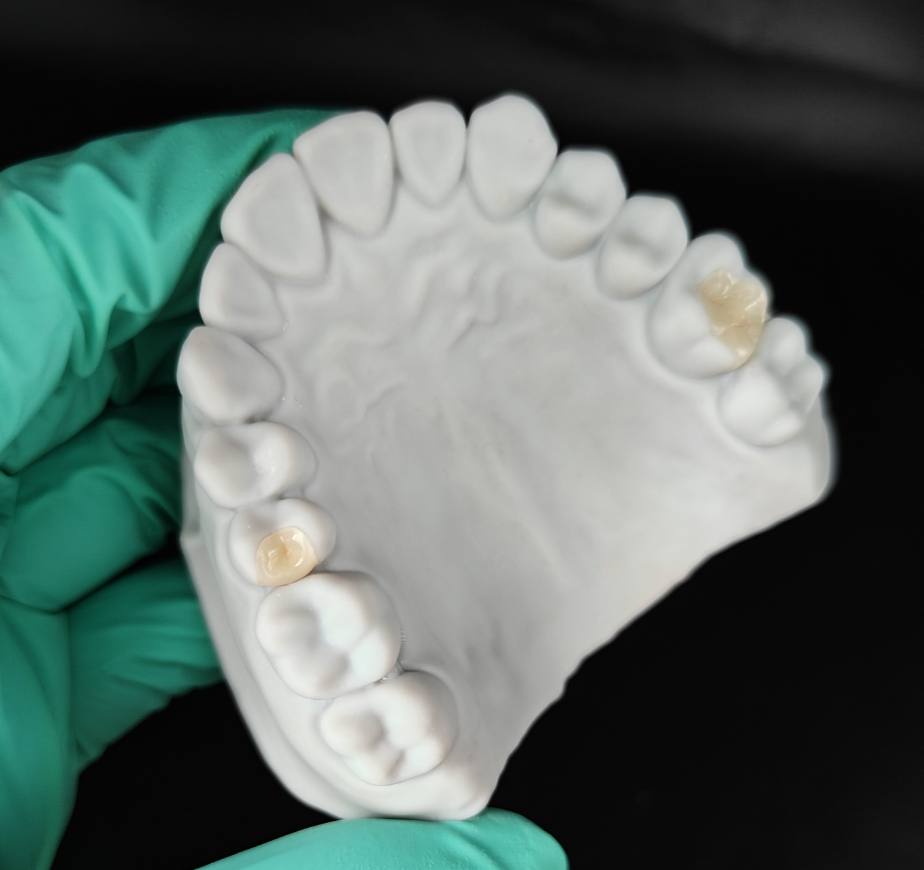
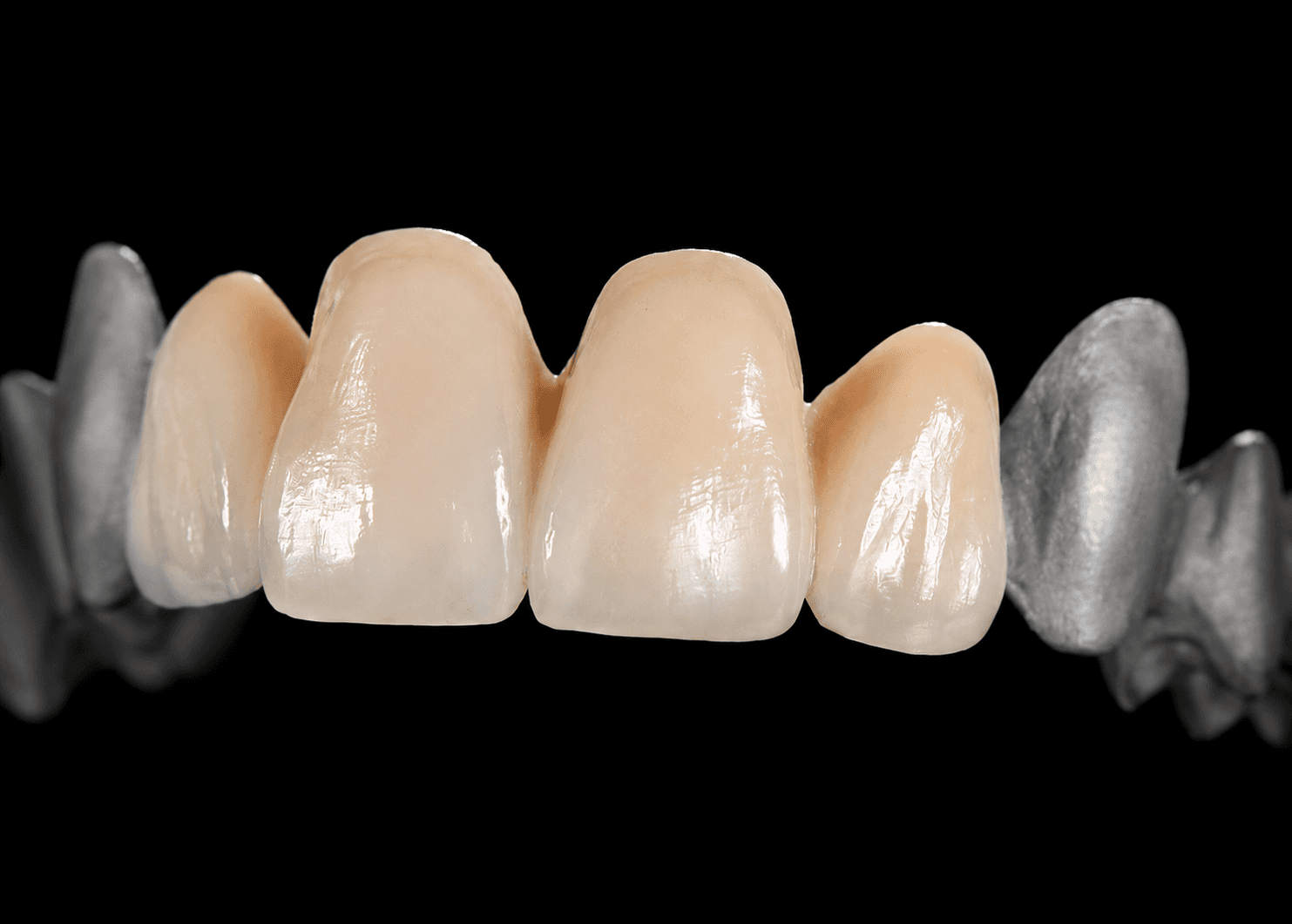
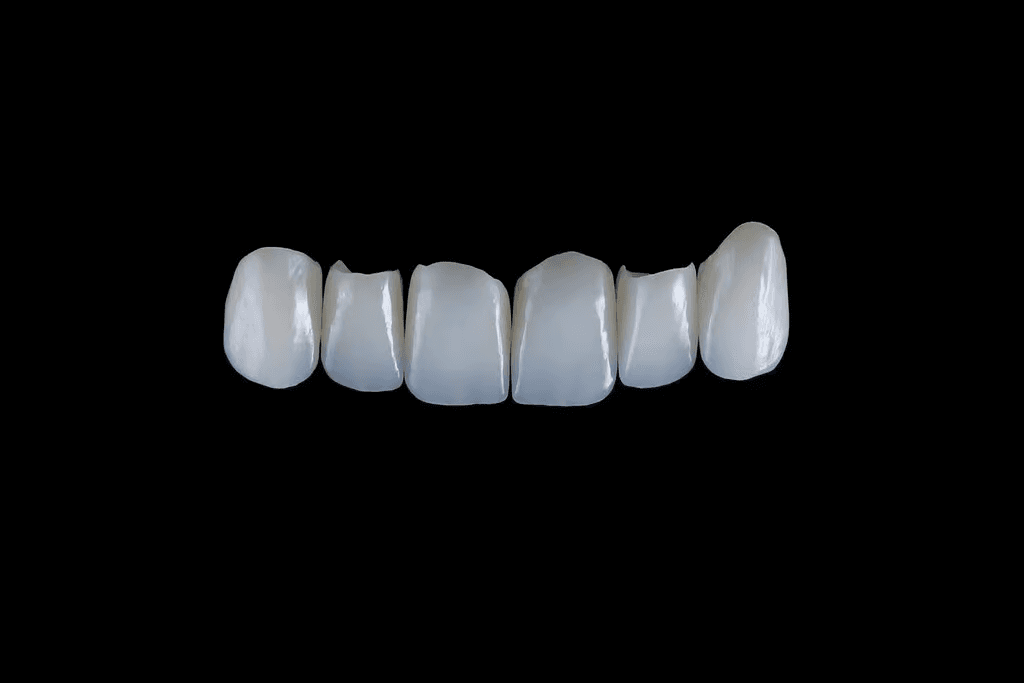

Ultra-thin ceramic veneers are highly esthetic, minimally invasive dental restorations designed to enhance the appearance of anterior teeth while preserving as much natural tooth structure as clinically appropriate. Fabricated from high-esthetic dental ceramic materials, they provide natural translucency, shade depth, surface texture, and individualized characterization. Depending on the clinical indication, ultra-thin ceramic veneers may require little or no tooth preparation.
Clinical Application
Ultra-thin ceramic veneers are primarily used for esthetic improvement of anterior teeth. They may be prescribed for a single tooth or multiple teeth to improve smile harmony, tooth color, shape, proportion, and surface appearance. The restoration is adhesively bonded to the tooth surface and is designed to provide a conservative alternative to more extensive restorative treatment when adequate enamel and restorative space are present.
Indications
Ultra-thin ceramic veneers may be indicated for mild tooth discoloration, minor shape irregularities, small gaps, uneven incisal edges, superficial enamel defects, minor wear, and slight alignment discrepancies. They are suitable for cases where the desired esthetic improvement can be achieved with minimal alteration of healthy tooth structure and where sufficient enamel is available for predictable adhesive bonding.
Material Characteristics
Ultra-thin ceramic veneers are fabricated from high-esthetic ceramic materials selected according to the clinical prescription. Their thin design supports natural light transmission and enamel-like translucency, helping create a lifelike appearance. Final esthetics may vary according to veneer thickness, underlying tooth color, selected shade, ceramic material, cement color, staining, glazing, polishing, and lighting conditions.
Relative Contraindications
Ultra-thin ceramic veneers should be carefully evaluated in cases with severe discoloration, extensive loss of tooth structure, large existing restorations, insufficient enamel for bonding, active caries, untreated periodontal disease, poor oral hygiene, uncontrolled severe bruxism, or pronounced parafunctional habits. Caution is also advised where significant tooth movement, major shape correction, extensive incisal reconstruction, or substantial restorative space is required.
Design Considerations
The restoration design should consider facial esthetics, smile line, lip support, tooth proportion, gingival contour, phonetics, occlusion, and patient expectations. Preparation should be as conservative as clinically appropriate and should preserve enamel bonding surfaces whenever possible. Avoid sharp internal angles, unsupported thin ceramic areas, and margins that cannot be accurately finished or maintained. Veneer thickness, incisal coverage, margin location, shade, translucency, and surface characterization should be determined according to the individual case and selected ceramic system.
Instructions for Use
Provide accurate digital scans or conventional impressions, tooth numbers, shade information, photographs, preparation details, and any specific esthetic instructions. The laboratory fabricates the ultra-thin ceramic veneer according to the submitted prescription and approved design. Before final bonding, the treating clinician should verify marginal fit, seating, proximal contacts, shade, translucency, surface texture, and occlusion. Bond the veneer using an adhesive protocol compatible with the selected ceramic material, and follow the relevant manufacturer’s instructions for surface treatment, etching, priming, bonding, cementation, and light curing.
Handling and Storage
Handle ultra-thin ceramic veneers with care to prevent chipping, cracking, scratching, or contamination before bonding. Store restorations in a clean, dry, and protected environment. Avoid excessive force during try-in and adjustment. If adjustment is required, use appropriate fine instruments and polish the adjusted surface thoroughly according to the ceramic manufacturer’s recommendations.
Case Planning
Each ultra-thin ceramic veneer should be prescribed by a qualified dental professional after reviewing the patient’s oral condition, periodontal health, enamel availability, functional requirements, esthetic expectations, occlusion, restorative space, and treatment plan. The final veneer design, material selection, shade, translucency, characterization, preparation approach, and bonding protocol should be determined according to the individual case information provided by the prescribing clinician.
Laboratory and Quality Context
Times Dental Lab supports digital smile design and structured laboratory production for ultra-thin ceramic veneers and other esthetic dental restorations. Each veneer is manufactured according to the submitted prescription, approved digital design, selected ceramic system, and applicable laboratory production procedures. Final product selection remains subject to the clinical requirements and instructions provided for the individual case.