
Full Contour Zirconia
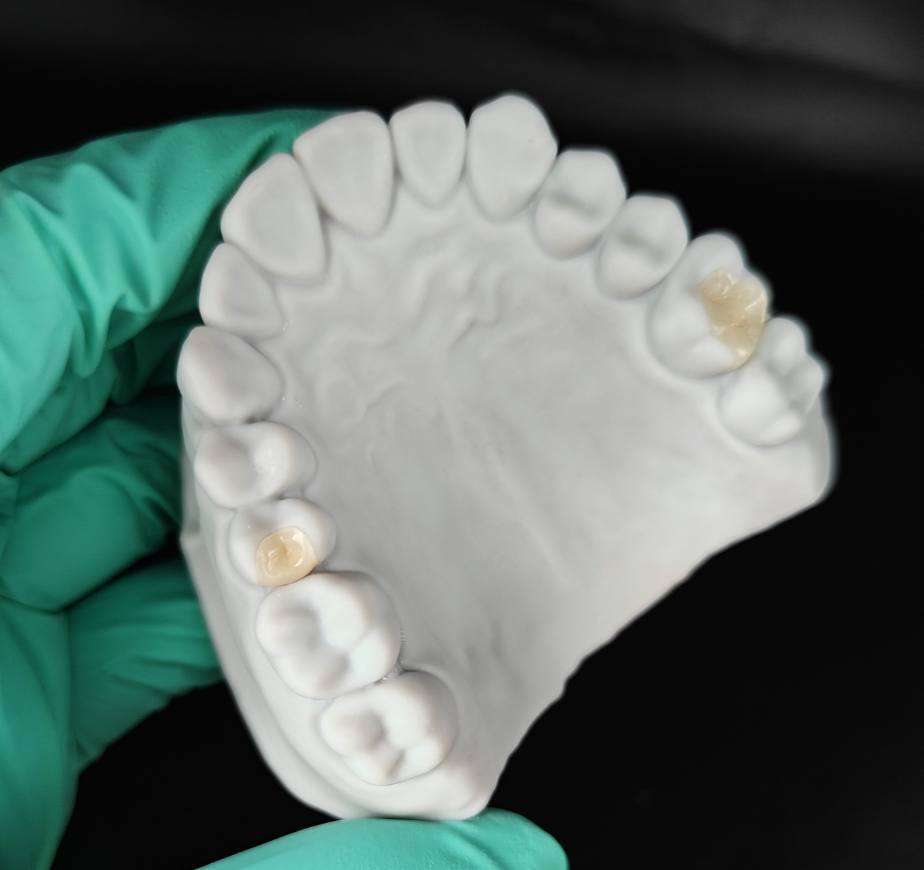
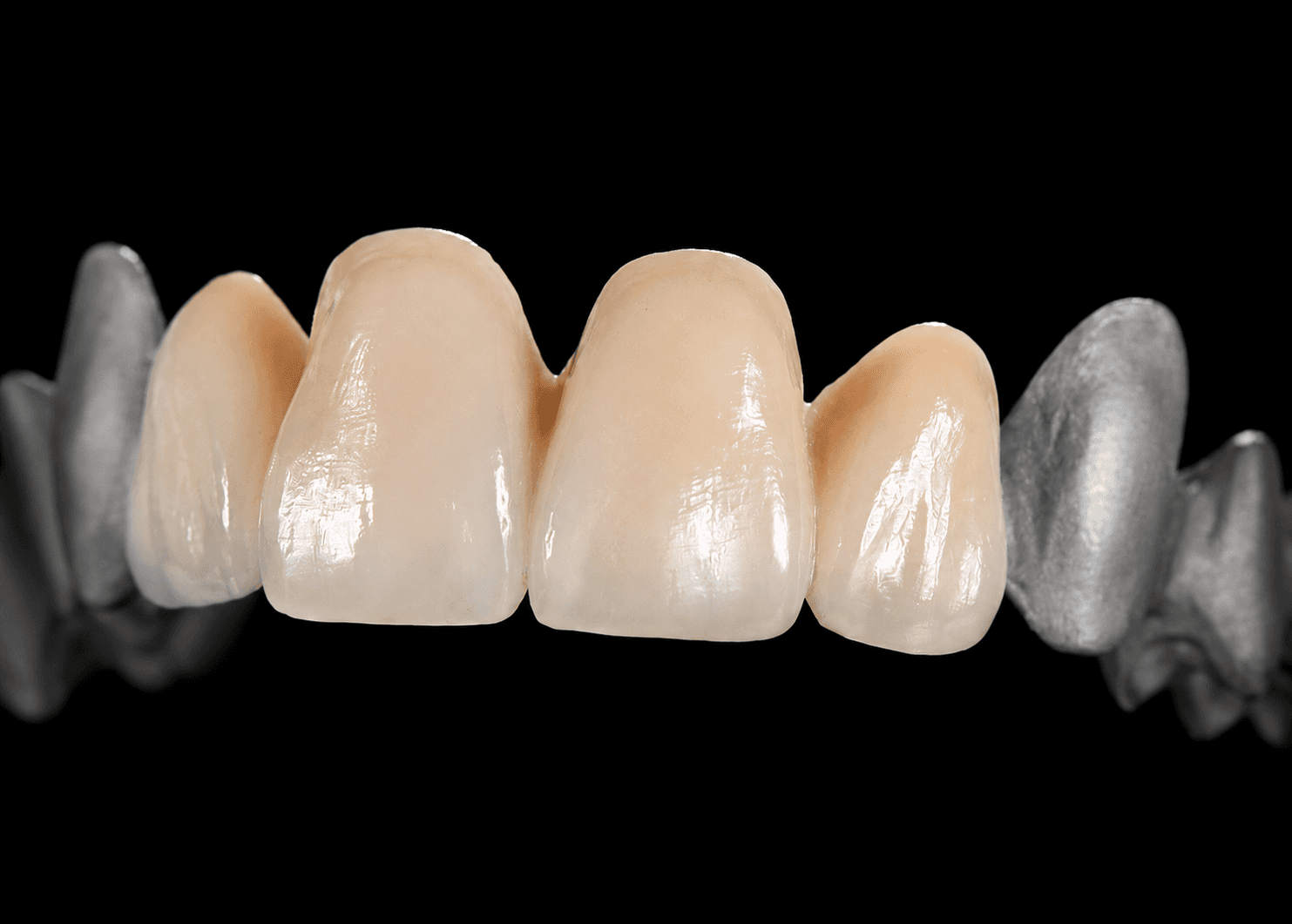
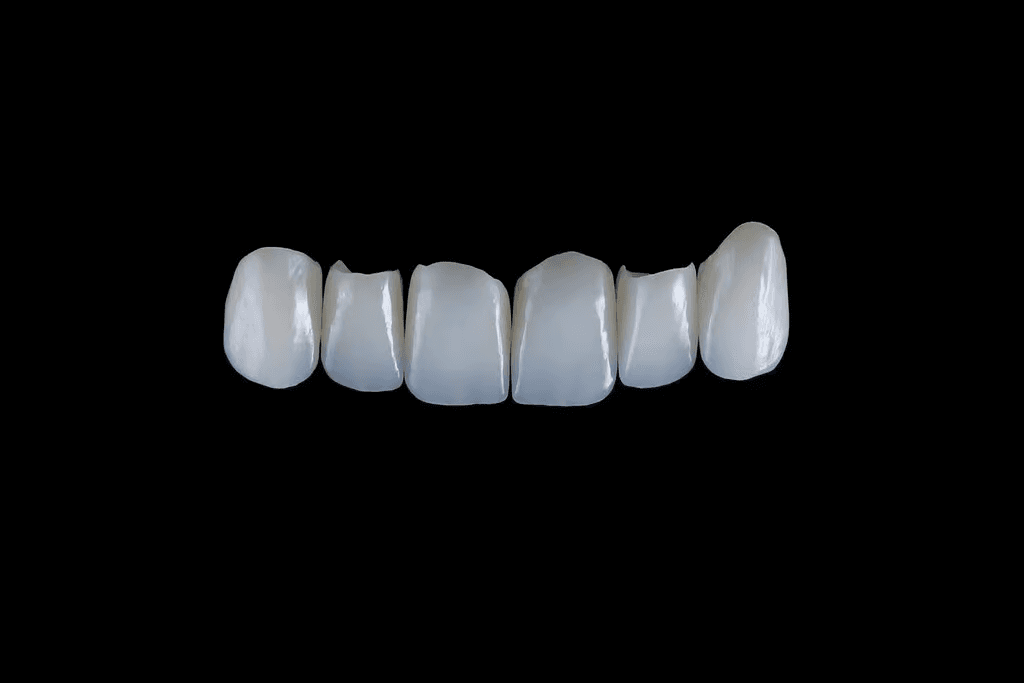
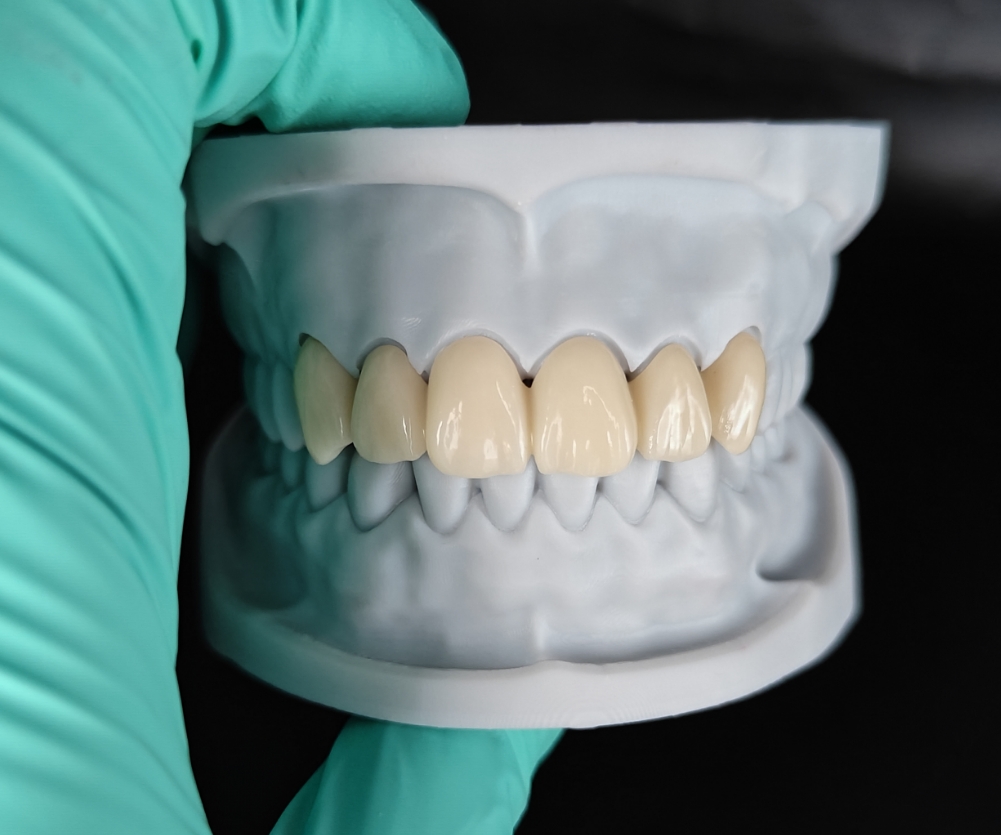
Full contour zirconia is a monolithic dental ceramic restoration milled from a single zirconia blank without porcelain layering. It is designed to provide high strength, reliable function, and efficient laboratory production for a wide range of fixed dental restorations. With appropriate shade selection, staining, glazing, and polishing, full contour zirconia can offer a balance of durability and natural esthetics for both anterior and posterior applications.
Clinical Application
Full contour zirconia is used for single crowns, short-span bridges within the manufacturer’s indicated limits, implant-supported crowns, implant bridges, inlays/onlays, and other monolithic fixed restorations. It is particularly suitable for posterior restorations and cases requiring high fracture resistance, limited restorative space, or resistance to functional loading.
Indications
Full contour zirconia may be indicated for anterior and posterior crowns, short-span bridges, implant-supported restorations, and restorations for patients with moderate functional demands. It is commonly selected for posterior teeth with high occlusal loading, cases with limited interocclusal space, and restorations requiring durable monolithic construction. It may also be used when reduced risk of porcelain chipping is desired.
Material Characteristics
Full contour zirconia is fabricated from a single block of high-strength zirconia. Its monolithic design eliminates a separate veneering porcelain layer and may reduce the risk of chipping associated with layered ceramic restorations. The material offers high flexural strength, wear resistance, biocompatibility, and predictable digital manufacturing. Final esthetics may vary according to the selected zirconia shade, restoration thickness, translucency level, staining, glazing, polishing, cement color, and the underlying tooth or abutment color.
Relative Contraindications
Full contour zirconia should be carefully evaluated in cases requiring maximum translucency or highly individualized anterior esthetics where another ceramic material may be more suitable. Caution is also advised for long-span bridges beyond the manufacturer’s indicated limits, inadequate restorative space, unsupported thin ceramic areas, severe uncontrolled bruxism, or cases with insufficient connector dimensions. The clinician and dental technician should evaluate occlusion, functional loading, available clearance, and esthetic expectations before material selection.
Design Considerations
Prepare and design the restoration with smooth, rounded internal line angles, adequate occlusal and axial reduction, and a finish line suitable for the selected zirconia system. Avoid sharp edges, abrupt thickness changes, thin unsupported areas, and insufficient connector dimensions. For bridge restorations, connector size should follow the manufacturer’s instructions. Occlusal contacts should be evenly distributed and adjusted to reduce excessive point loading. For implant restorations, confirm compatibility with the selected implant system, abutment, screw channel design, and restoration type.
Instructions for Use
Select the appropriate full contour zirconia disc or block and shade based on the clinical prescription and desired esthetic result. Design the restoration using validated CAD software while respecting the recommended minimum thickness, cement space, and connector dimensions. Mill the restoration in its pre-sintered state, remove supports carefully, and sinter it using the zirconia manufacturer’s specified furnace program. After sintering, inspect the restoration for fit, shade, surface defects, contacts, and occlusion. Apply stains or glaze only when required and according to the relevant system instructions. Polish all adjusted occlusal and contact surfaces thoroughly before final delivery.
Handling and Storage
Store zirconia blanks in a clean, dry environment and protect them from moisture, contamination, and impact. Handle pre-sintered restorations carefully to avoid chipping or distortion before sintering. Use compatible milling, sintering, staining, glazing, and polishing materials. Follow the manufacturer’s current instructions for milling compensation, sintering temperature, holding time, heating rate, cooling protocol, and cementation recommendations.
Case Planning
Each full contour zirconia restoration should be prescribed by a qualified dental professional after reviewing the patient’s oral condition, functional requirements, esthetic expectations, occlusion, available restorative space, and treatment plan. The final restoration design, zirconia type, shade, translucency level, connector dimensions, margin configuration, and cementation approach should be determined according to the individual case information provided by the prescribing clinician.
Laboratory and Quality Context
Times Dental Lab supports digital design and structured laboratory production for full contour zirconia crowns, bridges, implant-supported restorations, and other custom fixed dental prostheses. Each restoration is manufactured according to the submitted prescription, approved digital design, selected zirconia system, and applicable laboratory production procedures. Final product selection remains subject to the clinical requirements and instructions provided for the individual case.
Professional Use Statement
Product images, material descriptions, and technical information are intended for professional reference only. The treating clinician remains responsible for diagnosis, treatment planning, tooth preparation, material selection, final fit assessment, occlusal adjustment, cementation, and clinical use of the restoration.