
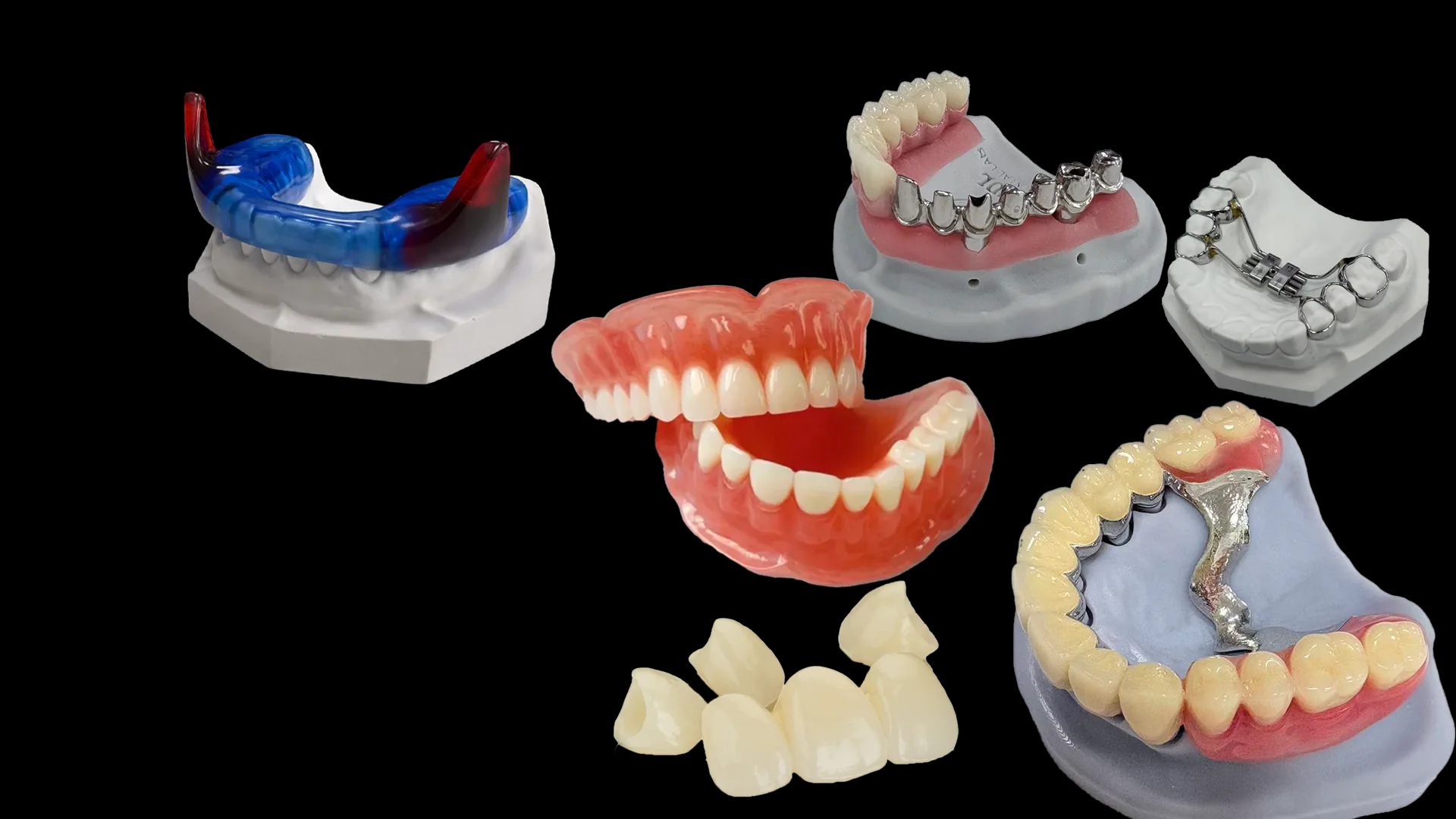
Dental Implant Restorations for Overseas Clinics and Laboratories
Times Dental Lab provides dental implant restorations for overseas clinics and dental laboratories, including implant crowns, implant bridges, custom abutments, screw-retained restorations, cement-retained restorations, implant bars, and other implant-supported prosthetics. We support both digital and physical workflows with implant case review, component confirmation, design coordination, and final quality inspection.
Send a CaseImplant Restorations We Provide
Explore our implant restoration options for different clinical and laboratory needs. Each case is supported by implant system verification, component review, fit control, occlusion checks, screw-access planning, and production workflow management.
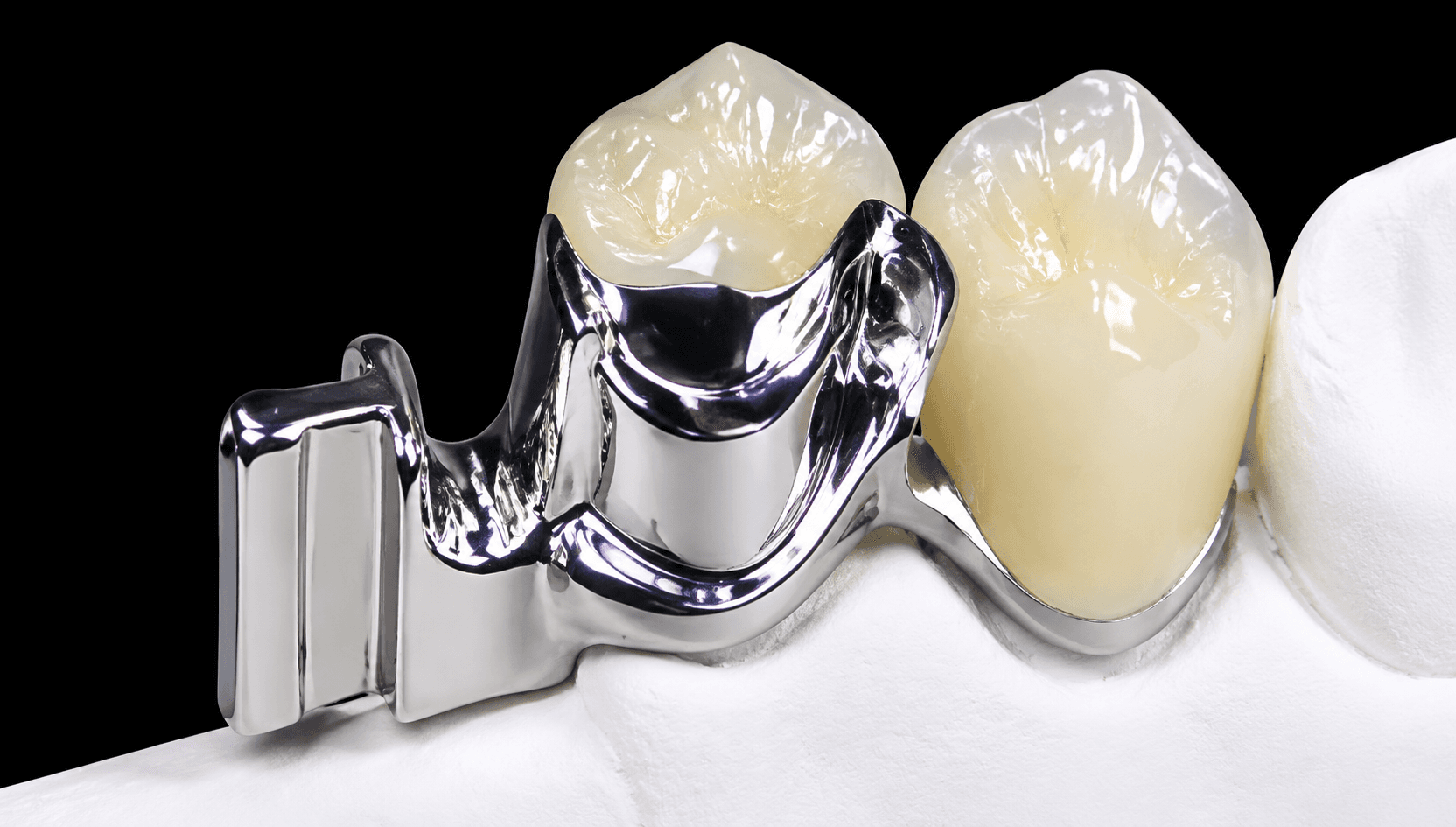
ERA Attachment is a precision retention system used in removable dentures, overdentures, and combined prosthetic cases. It helps provide stable retention, improved comfort, and reliable function while allowing convenient insertion and removal for suitable clinical situations.
Snap Attachment by Times Dental Lab. Requires limited prosthetic space, provides stable retention, and offers elastic stress relief.
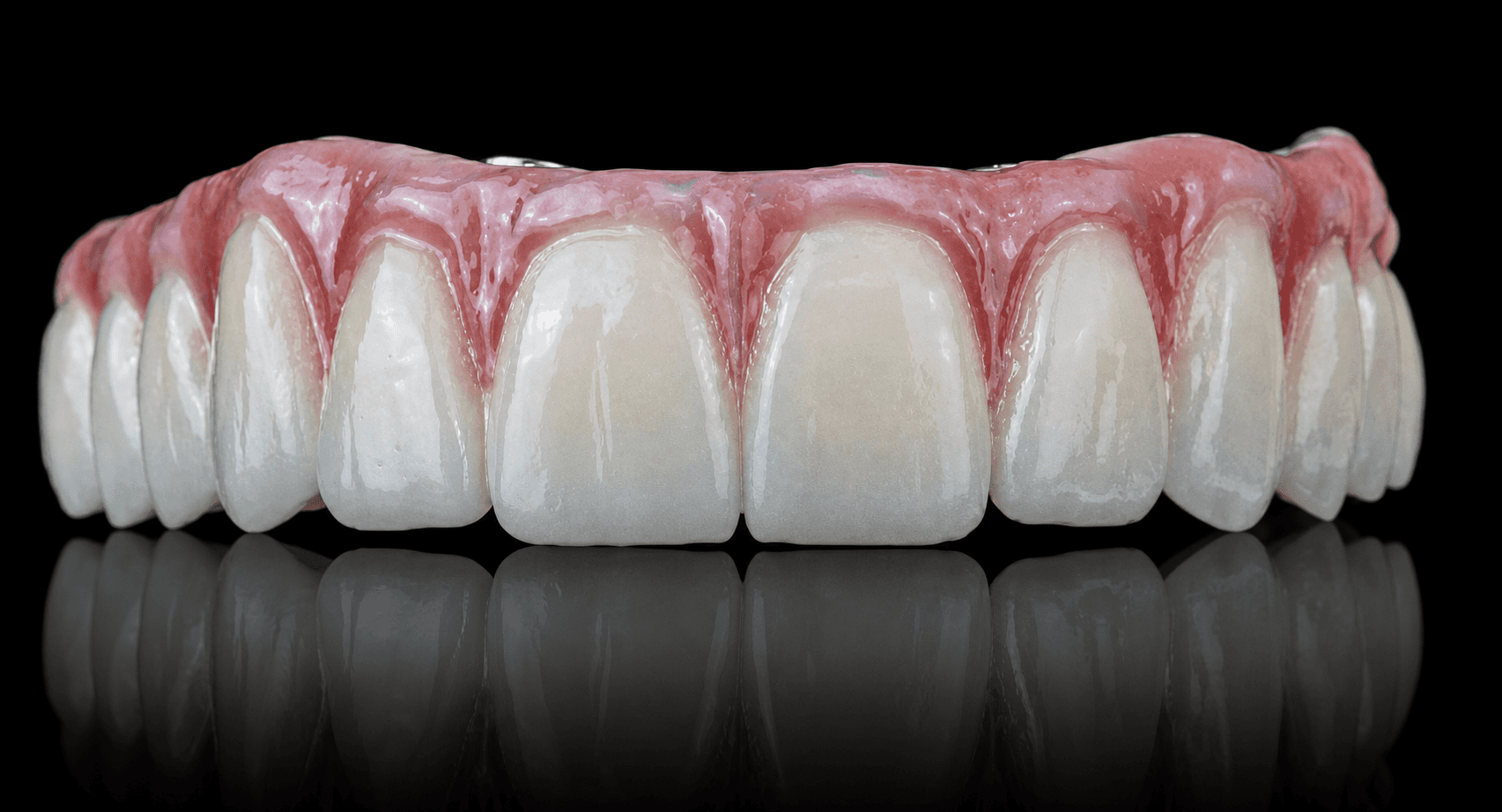
Full-Arch Implant Restoration by Times Dental Lab. Screw-retained and retrievable design, stable full-arch support, customized tooth and gingival aesthetics, and multiple restorative material options.
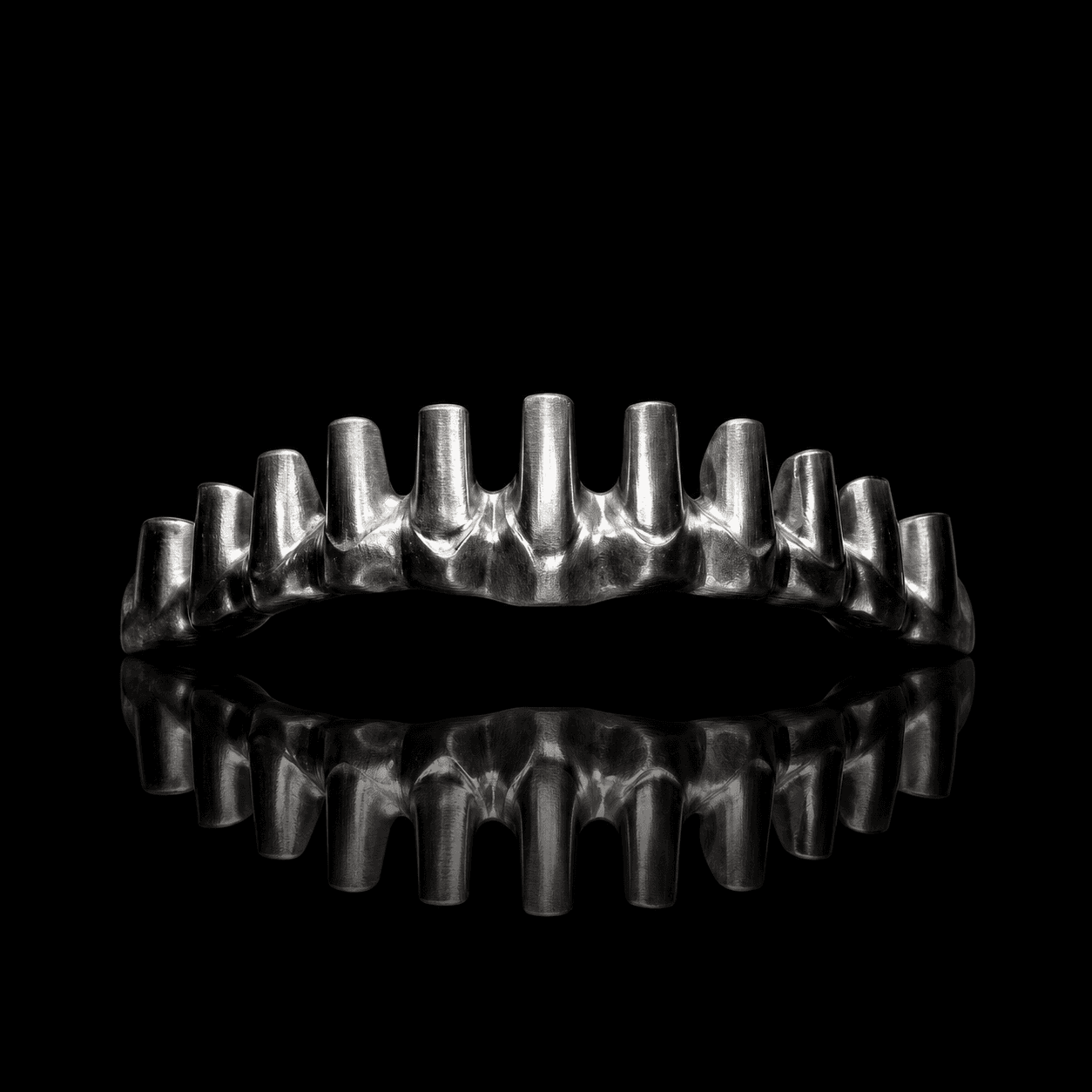
CAD/CAM Titanium Framework by Times Dental Lab. CAD/CAM-milled titanium construction, high strength, low weight, accurate implant connection, and flexible support for different upper-restoration designs.
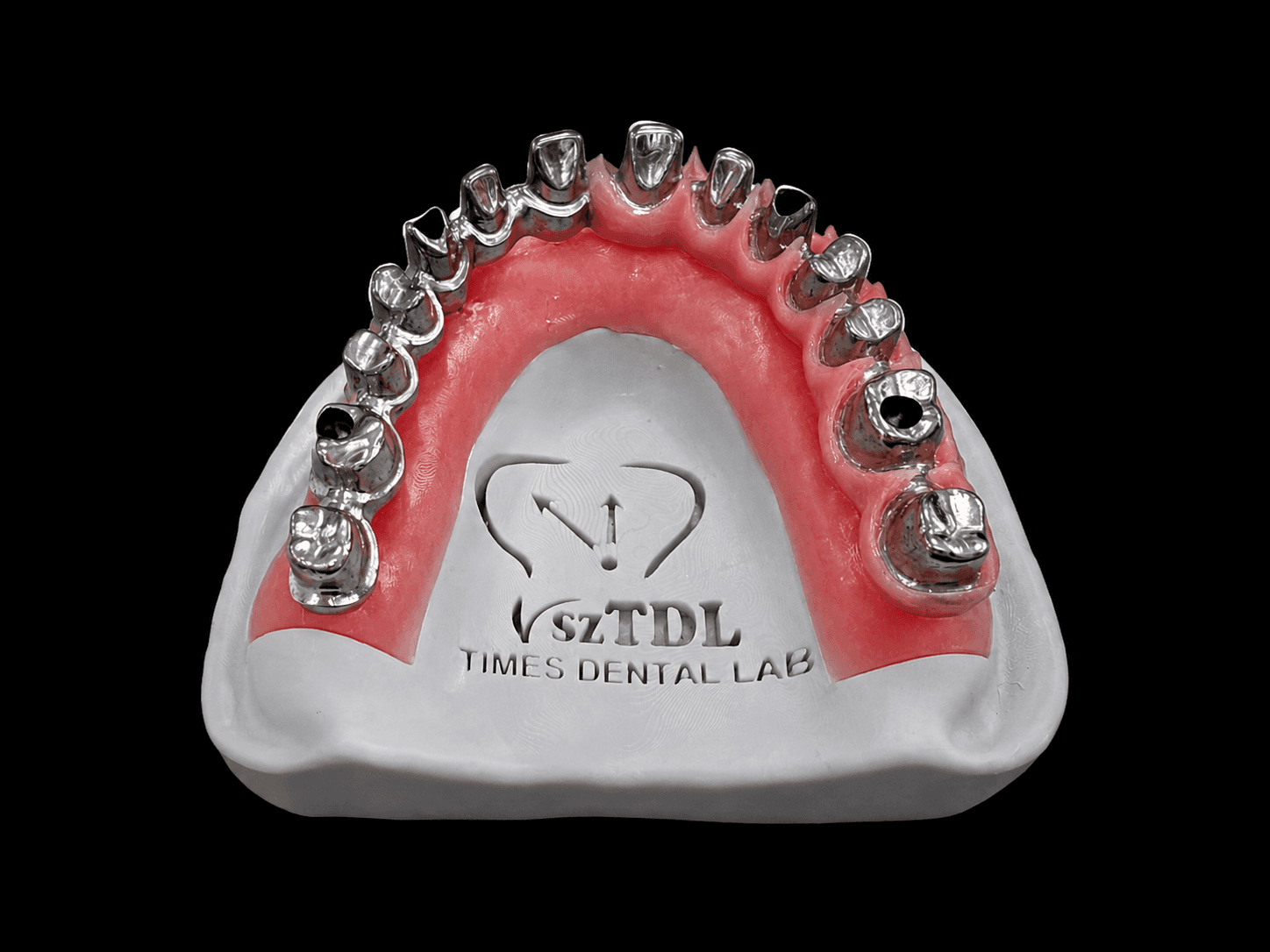
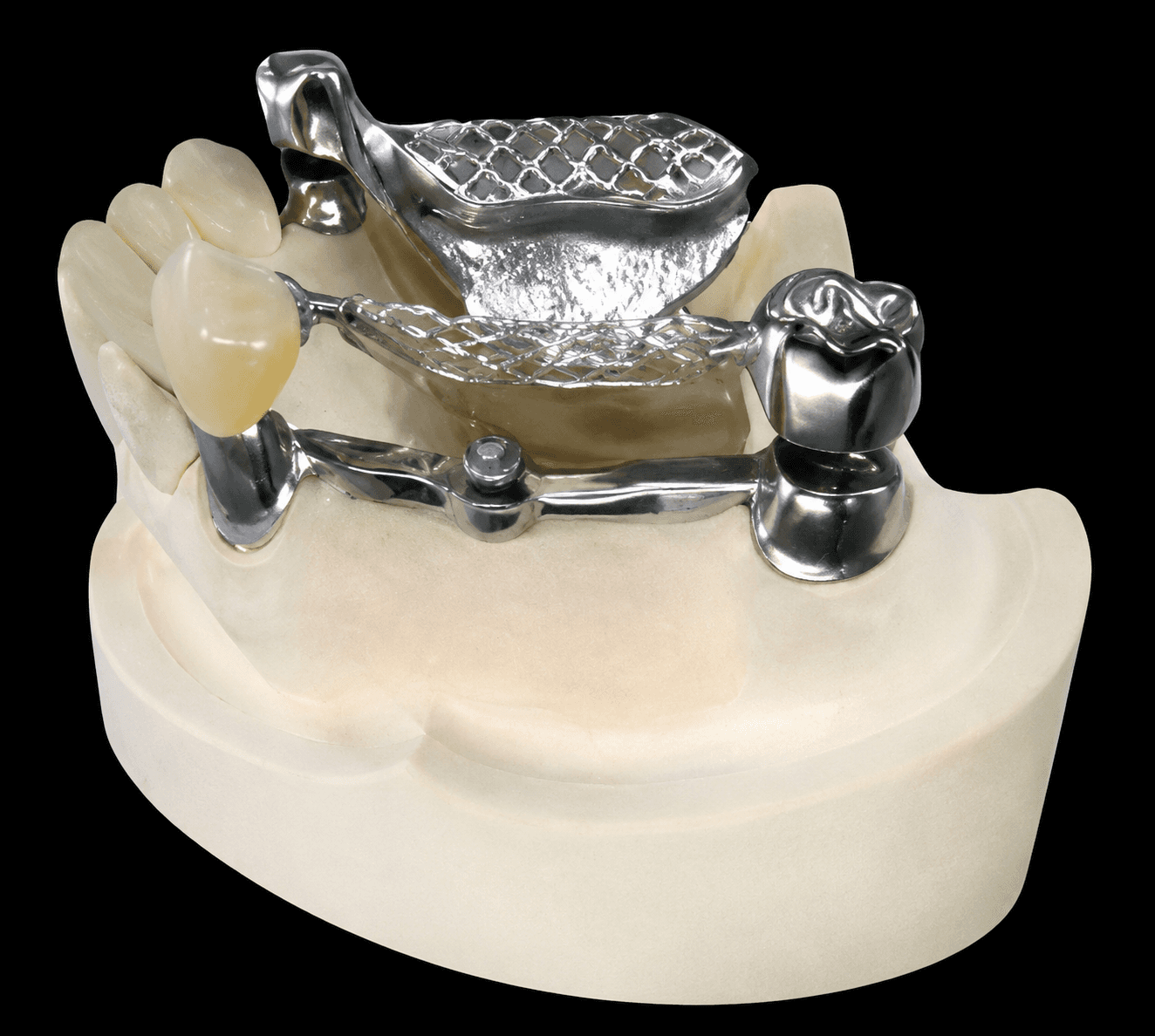
Cast Implant Framework by Times Dental Lab. Cast metal construction, stable support, splinted implant connection, and flexible upper-restoration options for complex implant cases.
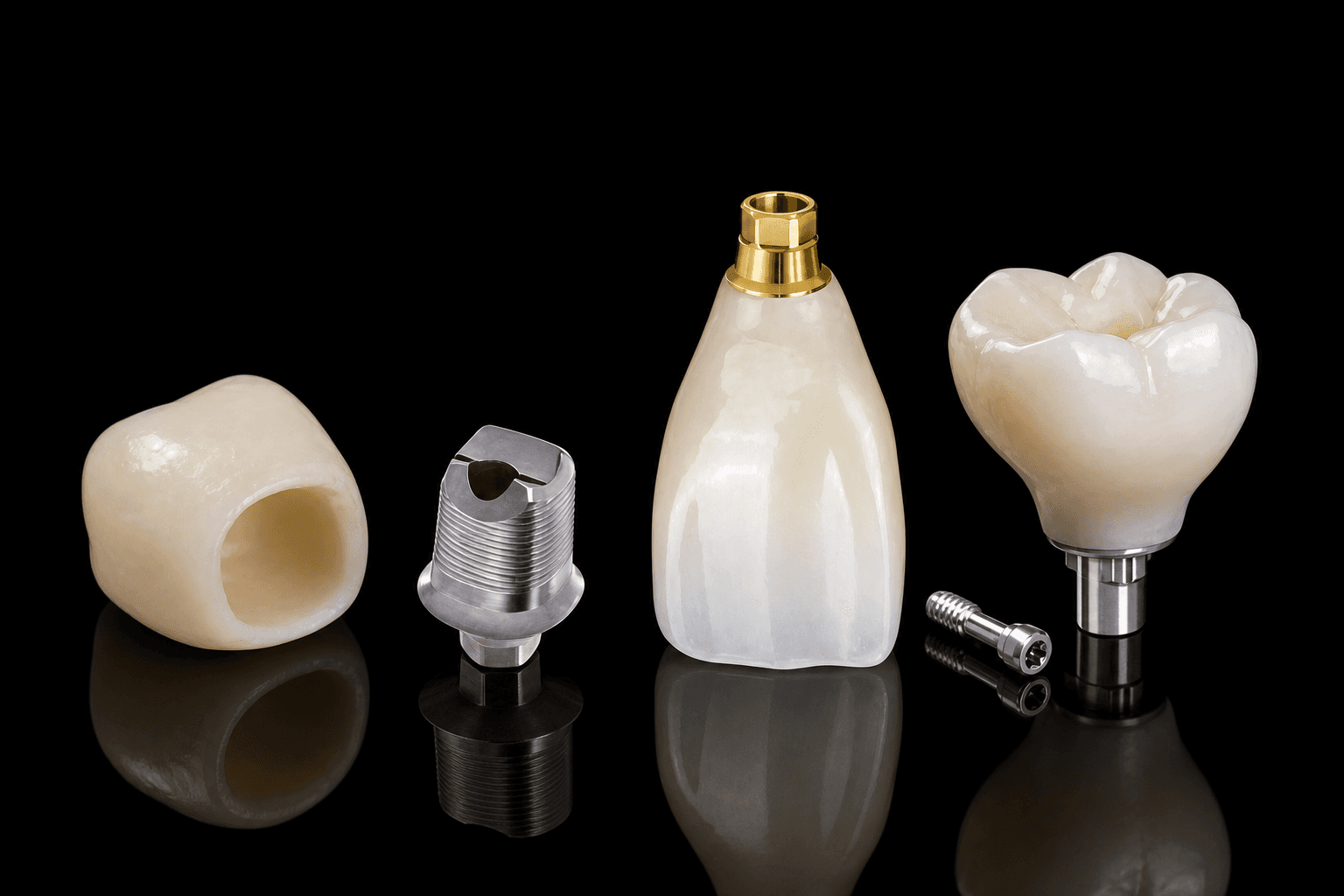
Cement-Retained Implant Crown & Bridge by Times Dental Lab. Custom abutment support, flexible correction of implant angulation, natural crown contour, and no visible screw-access opening in the final restoration.
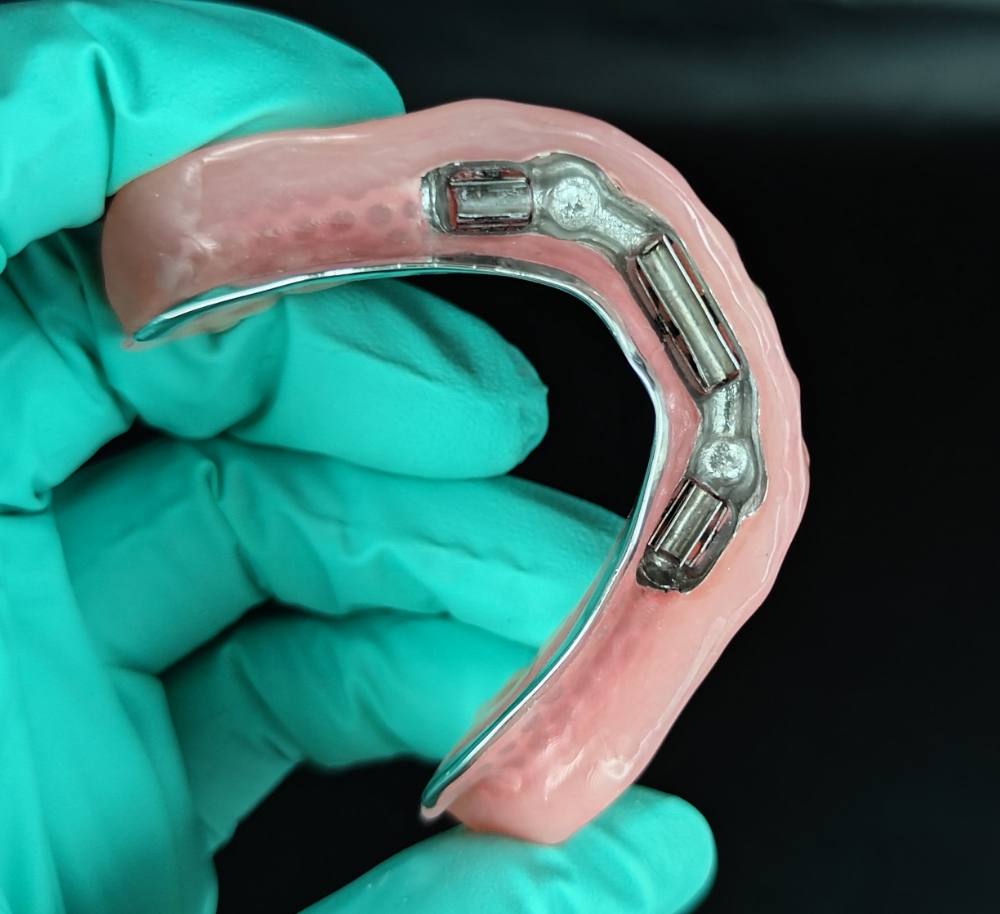
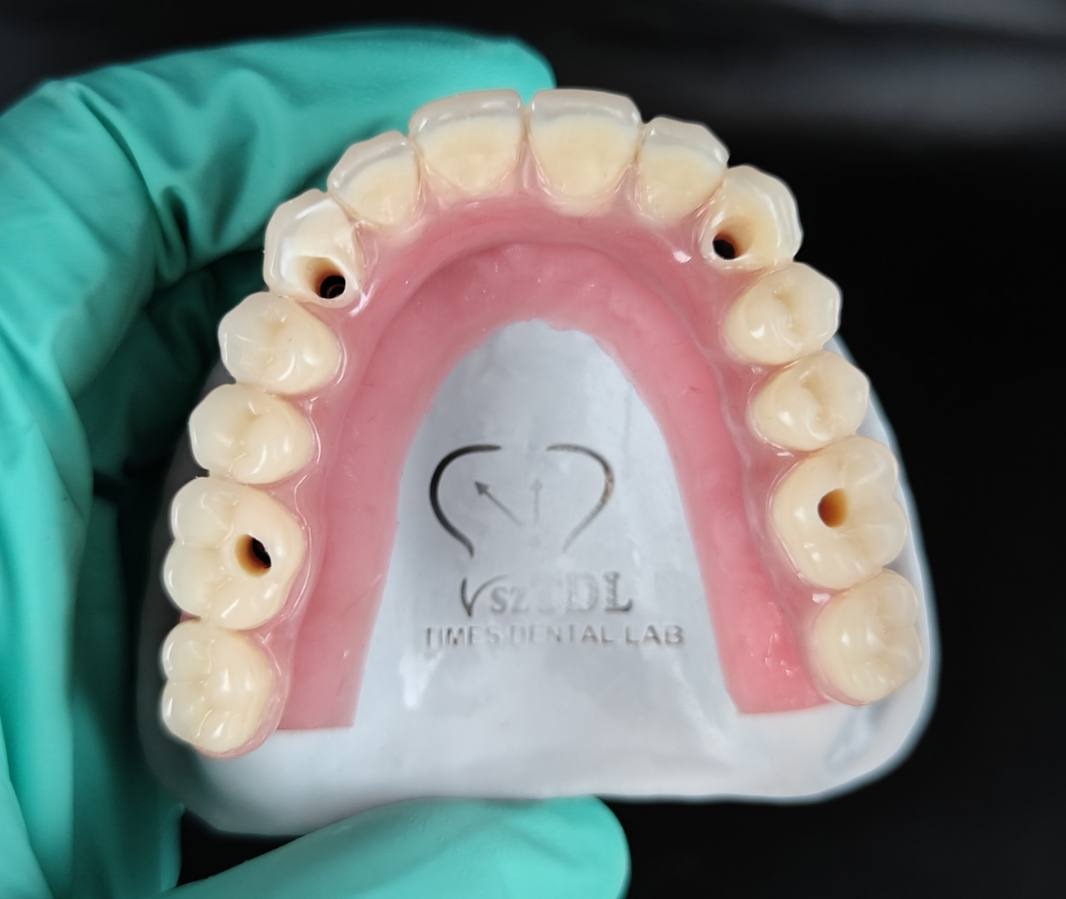
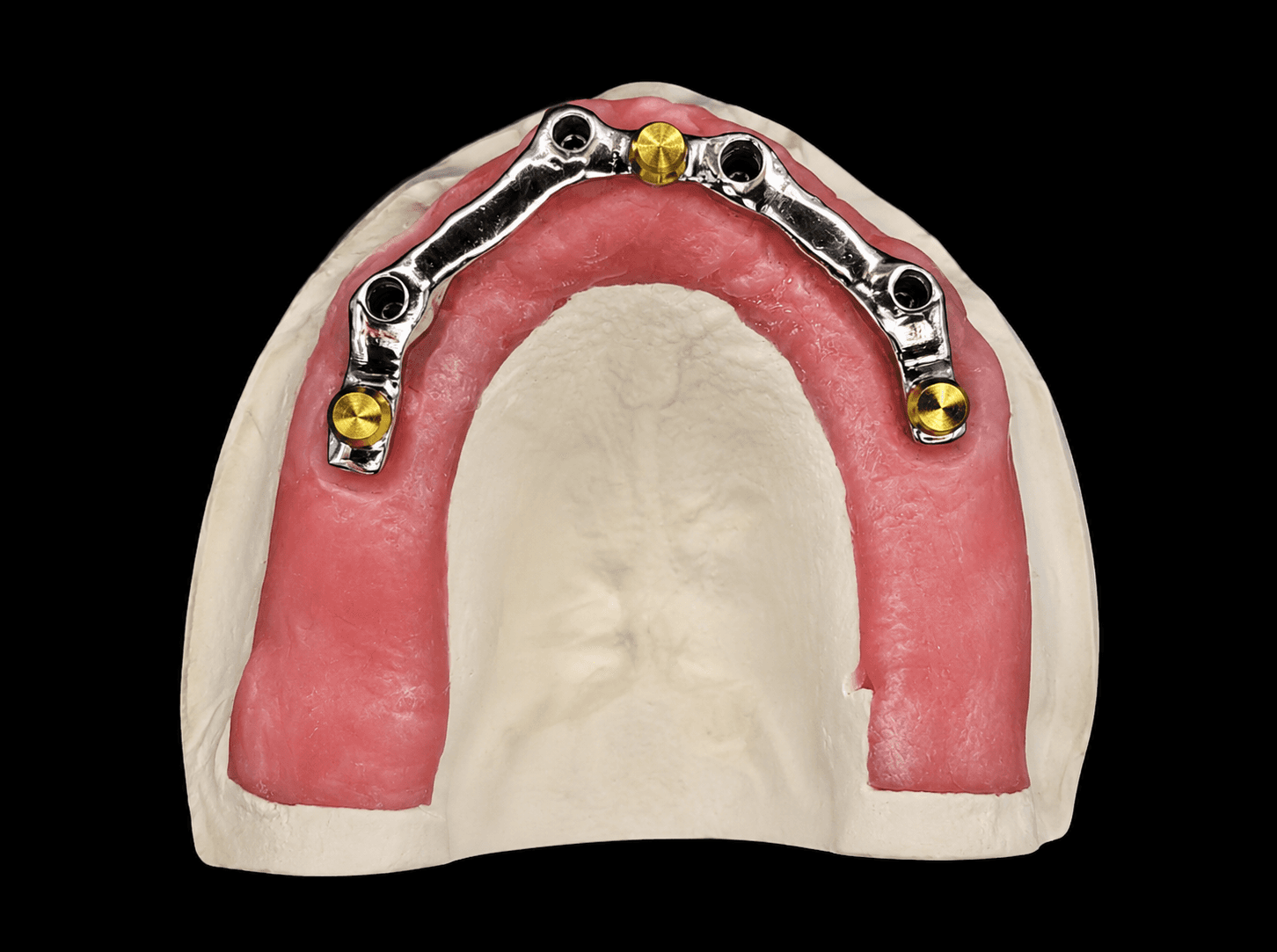
An Implant Bar is a custom-milled or cast framework that connects multiple dental implants to support and retain an overdenture. It helps distribute occlusal forces, improve denture stability, enhance chewing function, and provide reliable retention for implant-supported removable prostheses.
Implant Restorations - FAQ
1. What types of implant restorations do you provide?
We provide implant crowns, implant bridges, screw-retained restorations, cement-retained restorations, custom abutments, implant bars, and other implant-supported prosthetic solutions for overseas clinics and dental laboratories.
2. What information should I send for an implant restoration case?
Please send intraoral scans or impressions, bite records, shade information, implant system details, scan body or component information, photos if available, and any design or screw-access instructions. Clear case information helps reduce fit issues, remakes, and communication delays.
3. Can you work with different implant systems and scan bodies?
Yes. We support a wide range of implant systems and digital workflows. To improve accuracy, we recommend sending complete implant platform, scan body, and component details so the case can be reviewed correctly before production.
4. How do I choose between screw-retained and cement-retained restorations?
The best option depends on implant position, access direction, aesthetics, retrievability, and clinical preference. Screw-retained restorations are often preferred when retrievability is important, while cement-retained restorations may be used when access position or appearance is a concern. We can review the case details and provide practical suggestions.
5. How do you control fit and accuracy for implant restorations?
We review implant system information, scan body data, bite records, opposing arch, soft tissue details, and design instructions before production. During the workflow, we check fit, contacts, occlusion, screw access, margins, and component compatibility to reduce avoidable errors before shipment.
6. What is the turnaround time for implant restorations?
Standard implant cases are usually completed within 4-6 working days after confirmation. More complex cases, such as multi-unit implant bridges, bars, or full-arch restorations, may require additional time depending on case details and design requirements.
7. What if I am not sure whether my case information is complete?
You can still send the case information you have. Our team can review the files, identify missing details, and let you know what should be confirmed before production starts. This helps reduce delays and avoidable remake risk.
8. What if adjustment or remake support is needed after delivery?
If any adjustment, correction, or remake issue needs to be reviewed, we can evaluate the case based on the original records, feedback, photos, and return information if needed. Our goal is to help overseas clients resolve implant case issues clearly and efficiently.
Send Your Dental Lab Case to Times Dental Lab
Times Dental Lab can support both digital and physical case submissions. You can send intraoral scans, STL files, impressions, models, bite records, shade photos, implant components, and case instructions based on the product type.
If you are not sure which material or workflow is suitable, our team can review your case information and provide practical suggestions.