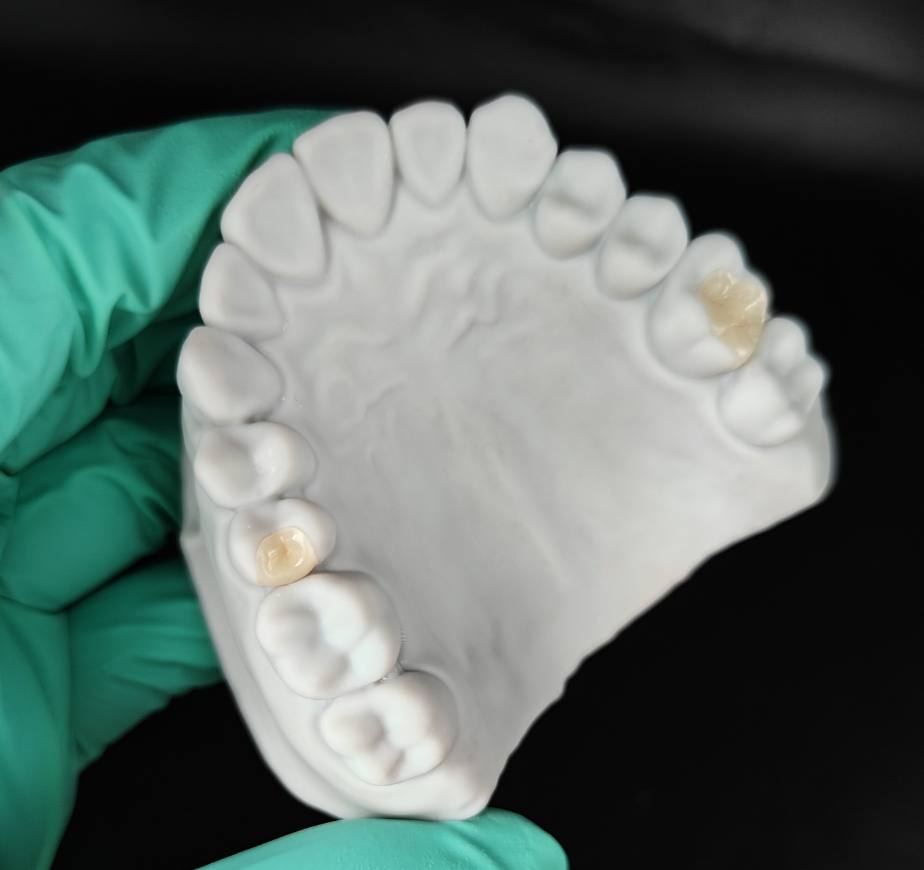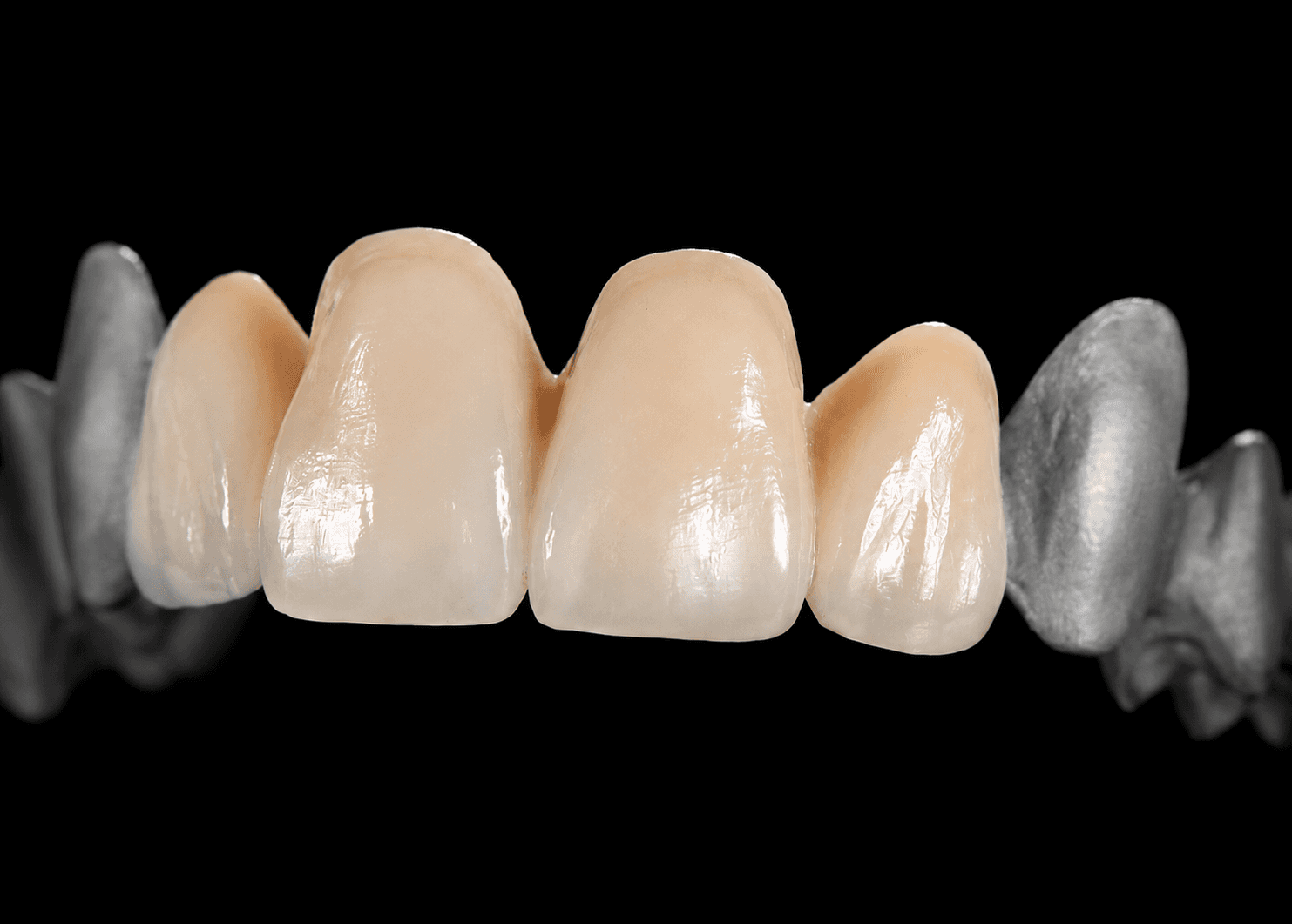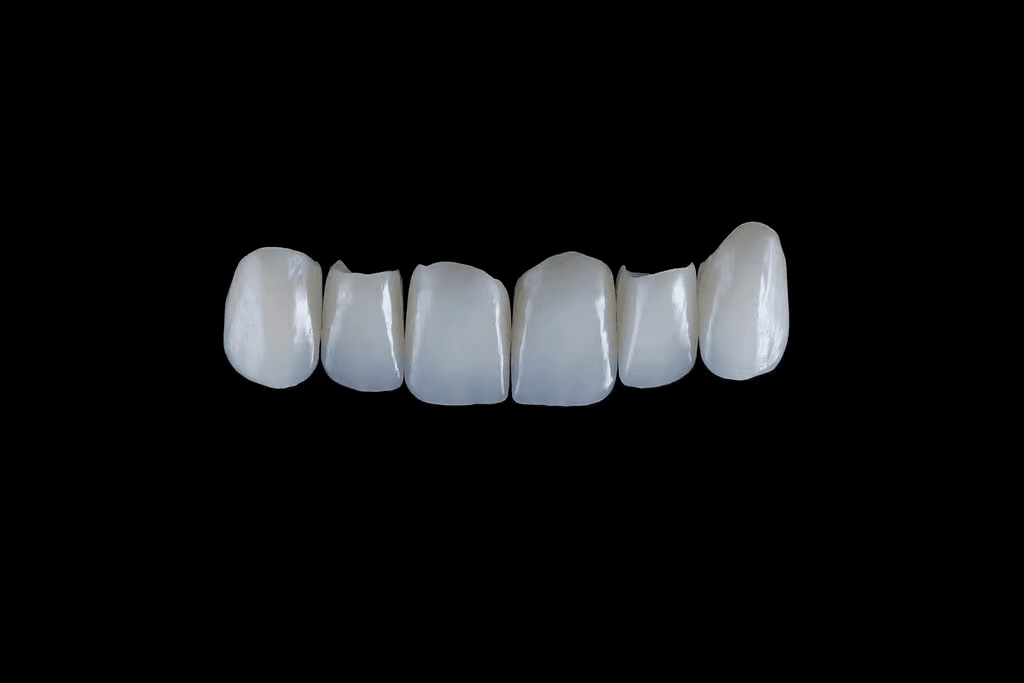

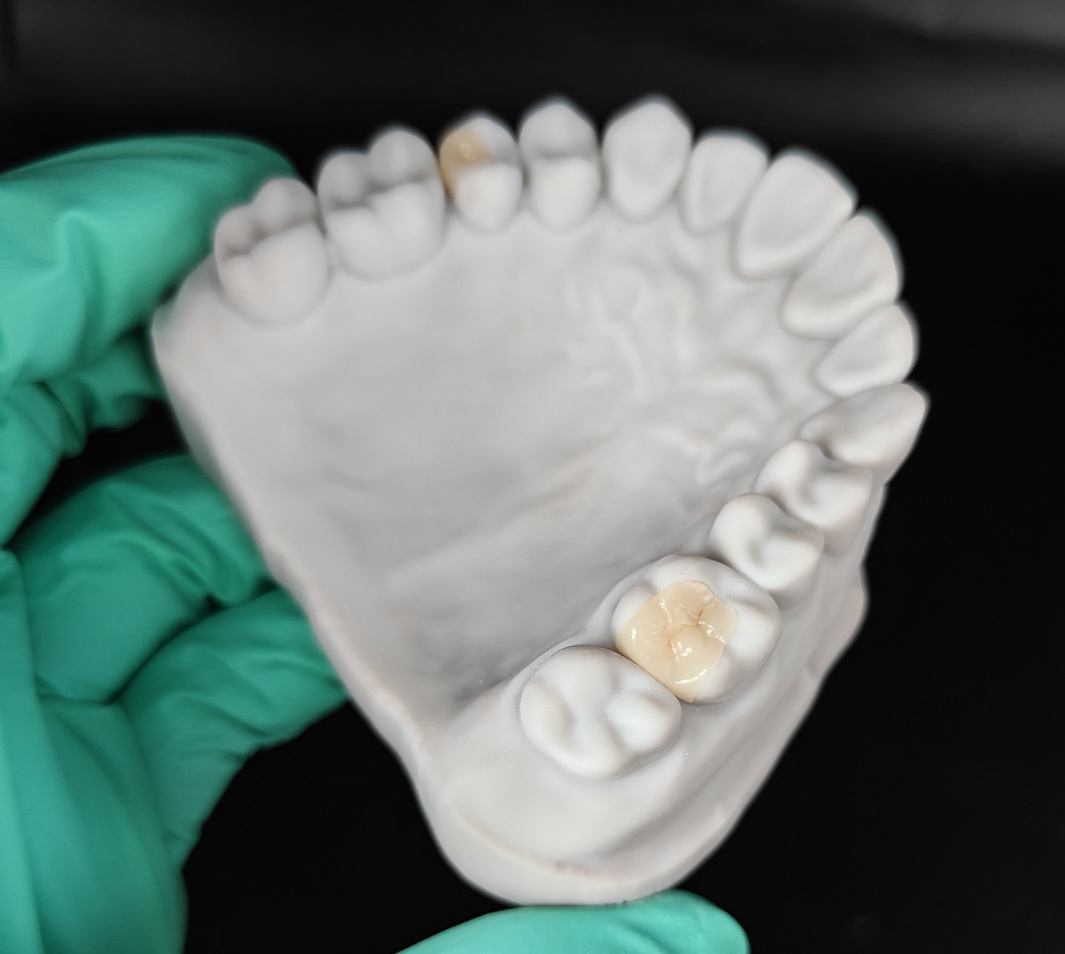
IPS e.max restorations are custom-made all-ceramic restorations for cases where the dentist wants to balance natural appearance with the patient’s functional needs. Times Dental Lab fabricates prescribed veneers, inlays, onlays, partial crowns, and crowns using the selected IPS e.max lithium disilicate material and production method.
Material and Design
CAD or Press
IPS e.max CAD is milled from a lithium disilicate block and then crystallized. IPS e.max Press is fabricated using a heat-pressing process. The appropriate material and method depend on the restoration type, preparation, available space, and esthetic plan. Please specify CAD or Press on the prescription.
Shade and Translucency
Shade matching involves more than selecting a shade-tab value. The preparation color, ceramic translucency, restoration thickness, and planned characterization all affect the final appearance. Photographs and a stump shade are particularly helpful for anterior restorations.
Which Restorations Can Be Made?
Depending on the selected material and the manufacturer’s instructions for use, IPS e.max lithium disilicate can be used for veneers, inlays, onlays, partial crowns, and single crowns. Certain short-span bridges may also be permitted under specific design limits. The dentist should confirm that the indication, preparation, and occlusion are suitable for the selected product.
What to Send to Times Dental Lab
Please send the scan or impression, opposing arch, bite record, and a prescription identifying the restoration type and tooth number. Include the requested IPS e.max material, shade, stump shade when relevant, and any photographs or characterization instructions. Please also flag limited restorative space, heavy occlusal contacts, or other features that need review before fabrication.
The treating dentist remains responsible for material selection, final fit and occlusal assessment, and the bonding or cementation protocol.
Frequently Asked Questions
Is IPS e.max the same as zirconia?
No. IPS e.max CAD and Press are lithium disilicate glass-ceramics; zirconia is a different ceramic material. The choice depends on the clinical indication and treatment priorities.
Can IPS e.max be used for posterior crowns?
Yes, in selected cases that meet the relevant preparation and material requirements. The dentist should assess restorative space and occlusion before prescribing it.
Planning an IPS e.max case? Send your case records and material specification to Times Dental Lab for fabrication review.