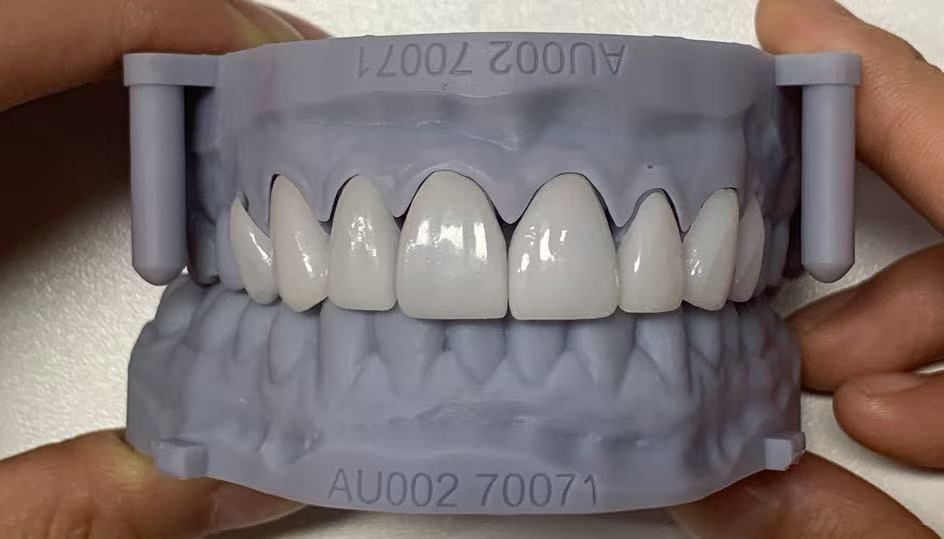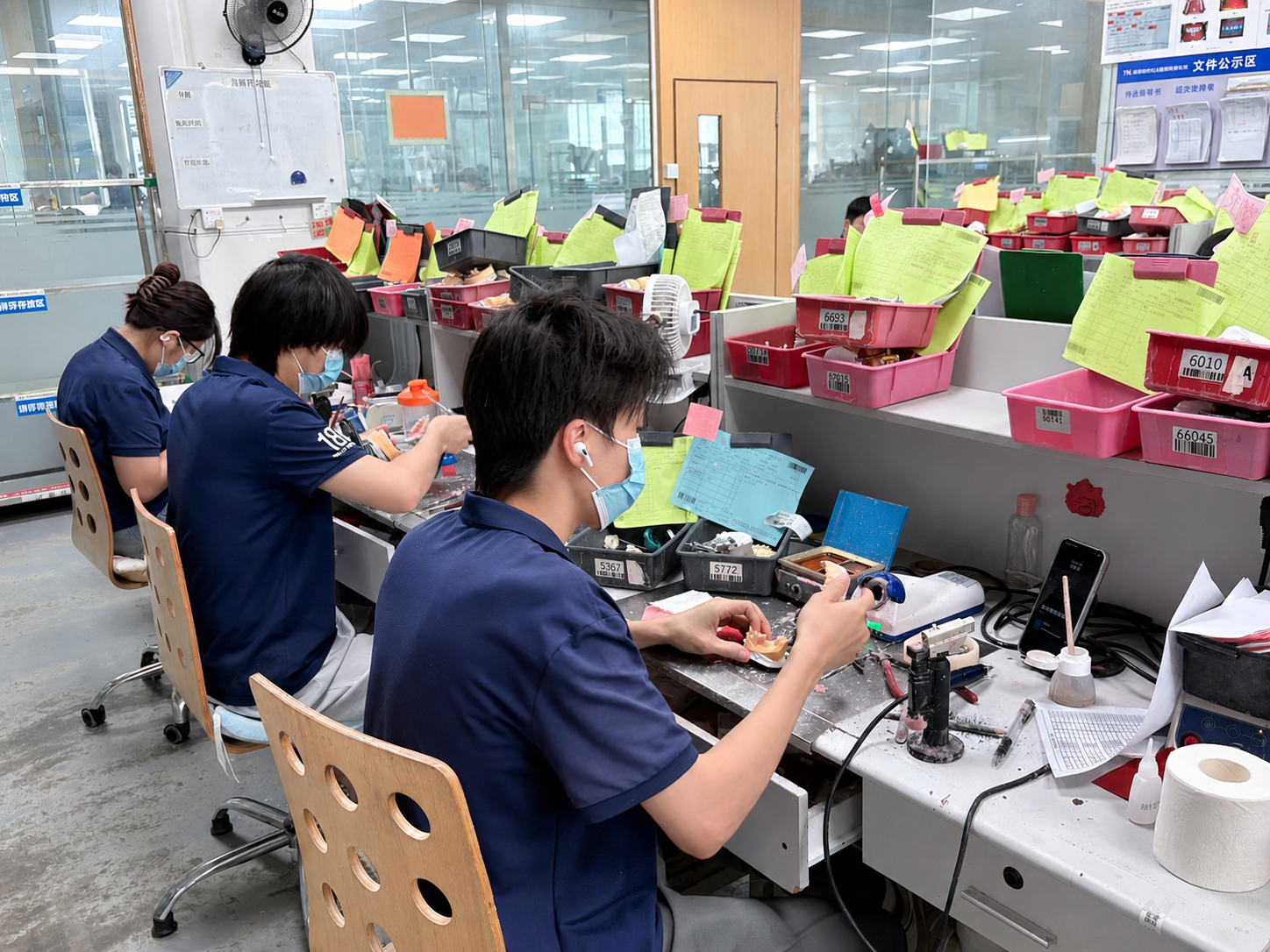

In many workflows, dental lab quality control problems do not begin in production. They begin earlier, when case information is incomplete, approvals are unclear, or the handoff between the clinic and the lab is inconsistent. For dental lab owners and clinic owners, that distinction matters because a case that starts with missing details is much harder to control later.
A strong result depends on more than technical skill. It depends on whether the case enters the workflow with clear instructions, usable records, and a defined review path. When digital intake is structured correctly, quality control starts before design and fabrication. That reduces avoidable errors, lowers remake risk, and creates a more stable partnership between the clinic and the lab.
Why quality issues often start before production
Many teams still think of quality control as the final step before delivery. In practice, some of the most expensive problems are created much earlier.
A crown, bridge, implant case, or esthetic restoration can become unstable for reasons that have little to do with manufacturing ability. The scan may be usable but incomplete. The bite may be unclear. Shade instructions may be too broad. Material direction may not be fully confirmed. A doctor may assume the lab can interpret missing details, while the lab may assume the clinical plan has already been finalized.
When these gaps are not identified at intake, the workflow moves forward with hidden risk. The case may still be produced, but it is more likely to generate design revisions, internal follow-up, delivery delays, or remakes that could have been prevented earlier.
What digital case intake really means

Digital case intake is not just a file upload process. It is a structured review system that confirms whether a case is ready to move into design and production.
In a disciplined workflow, digital intake usually includes:
- case type confirmation
- scan and bite review
- restoration objective
- material and shade instructions
- approval checkpoints
- communication ownership for missing information
This creates an important distinction between two stages:
- case received
- case ready
That difference is often where workflow quality is won or lost. A case can be received successfully and still not be ready for controlled production. Labs that treat those two stages as the same usually create more downstream instability than they realize.
How digital case intake improves dental lab quality control
The main value of digital intake is not convenience alone. It is control.
When the intake process is structured, the lab can verify whether the information is complete enough to move forward without unnecessary assumptions. That allows dental lab quality control to begin before technical work is locked in.
1. It reduces avoidable assumptions
Standardized intake requirements reduce the chance that technicians or case managers must interpret incomplete instructions. The less guessing involved at the start, the lower the risk of preventable revisions later.
2. It creates cleaner approval points
A strong intake system defines when a case is ready for release. That makes approval more traceable and reduces confusion around responsibility, especially in complex or multi-step cases.
3. It improves communication between clinic and lab
When records, notes, and missing items are reviewed in one system, communication becomes easier to track. This is especially important in cross-border workflows or multi-location practices, where delays often come from fragmented case information rather than fabrication itself.
4. It supports repeatability at scale
A few successful cases do not prove that a workflow is stable. What matters is whether the same process continues to work as volume increases, submitting doctors vary, and case types become more complex. Structured intake helps maintain consistency under real operating conditions.
Why better intake reduces remakes and delays
Remakes are often discussed as technical failures, but many remakes begin as workflow failures. The issue may start with incomplete intake, unclear restoration goals, or late correction of details that should have been confirmed before design started.
The same is true for delays. A delay is often blamed on production speed, but production is only one part of the system. If a case enters the workflow with unresolved gaps, the lab must either stop and request clarification or continue with more risk. Neither option is efficient.
A stronger intake process helps reduce:
- design revisions caused by unclear instructions
- case pauses caused by missing records
- remake risk from early misunderstandings
- internal follow-up pressure for both clinic and lab
- late communication loops that disrupt delivery timing
For US clinics and dental businesses evaluating a lab partner, this is one of the clearest signs of operational maturity. A lab that takes intake discipline seriously usually provides more stable long-term value than one that only promises fast turnaround.
What clinics and labs should review before scaling volume
If the goal is to improve consistency, intake should be one of the first systems reviewed.
A practical review should answer these questions:
- What information is required before a case is considered ready?
- Are all submitting doctors or coordinators using the same intake standard?
- Who checks incomplete or inconsistent case information?
- When does design approval happen?
- How are intake-related errors tracked and reviewed?
These questions matter even more when building a long-term outsourcing relationship. A reliable partner should not only produce acceptable restorations. The partner should also help create a workflow that is easier to manage, easier to repeat, and easier to trust over time.
Digital intake is also a partnership filter
For clinics comparing labs, digital case intake is more than an internal process. It is also a way to evaluate the partner.
A lab with a disciplined intake system usually signals that it values process stability, communication clarity, and quality control from the beginning of the case. A lab with a loose intake approach may still complete cases, but the workflow is more likely to depend on rework, individual effort, and repeated correction.
That is why intake should be viewed as part of partner selection, not just administration. In many cases, the strength of the intake system says more about the long-term reliability of the lab than a pricing sheet or a quoted turnaround alone.
Conclusion
Strong dental lab quality control does not begin at final inspection. It begins at intake.

When digital case intake is structured correctly, clinics and labs can reduce avoidable errors, improve communication, and lower remake risk before production pressure builds. That creates a more stable workflow, better accountability, and a stronger foundation for long-term cooperation.
For dental businesses that want fewer corrections, more predictable delivery, and a more reliable outsourcing relationship, intake discipline is not a small operational detail. It is part of the quality control system itself.