Introduction
Digital dentistry has changed the way clinics and dental laboratories work together. A case no longer needs to depend only on physical impressions, handwritten instructions, and slow back-and-forth communication. With intraoral scans, STL files, CAD design, 3D previews, milling, 3D printing, and structured case updates, a digital workflow can make dental lab production clearer and more predictable.
For overseas clinics and dental laboratories, the real value is not simply “going digital.” The value is building a repeatable workflow where clinical information can be checked, designed, manufactured, inspected, and shipped with fewer avoidable misunderstandings. This is especially important when working with a China dental lab across time zones.
At Times Dental Lab, digital workflow is part of our full-service dental lab support for crowns, bridges, implant restorations, removables, orthodontic appliances, and digital design services. Clinics can also review our Digital Solutions and How to Start pages to understand how digital and physical cases move into production.
What a Digital Dental Workflow Means
A digital dental workflow is the process of moving case information from the clinic to the lab in a digital format, then using that information for design, manufacturing, quality control, and communication. In practical terms, this may include intraoral scans, model scans, STL files, bite records, shade photos, implant scan body data, CAD design files, 3D printed models, milled restorations, and final inspection records.
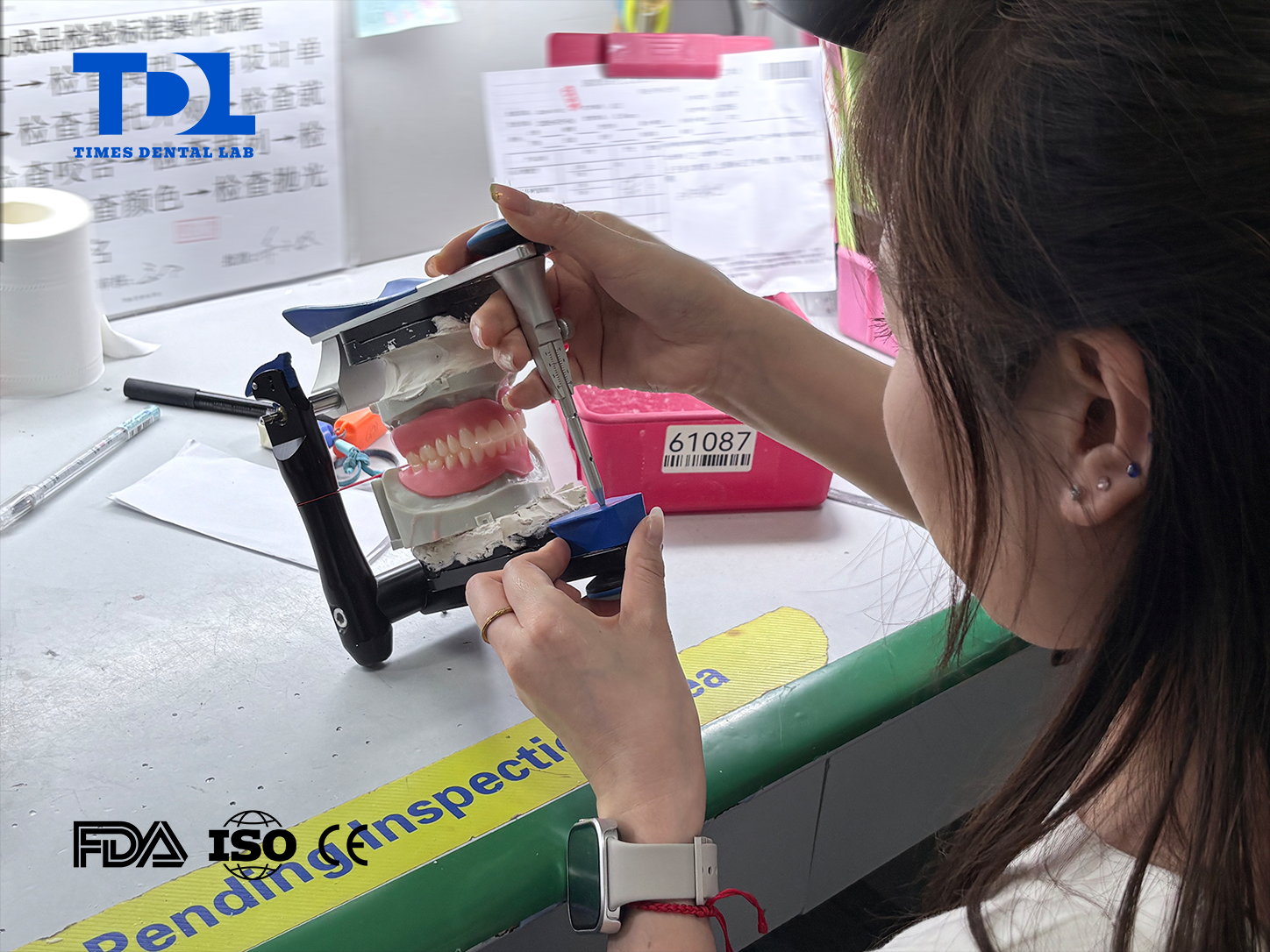
The workflow is still a human process. Digital tools help the clinic and lab see more information, but technicians still need to review margins, occlusion, contacts, material thickness, implant details, insertion path, and esthetic requirements before production.
The Typical Workflow Between a Clinic and a Dental Lab
|
Step |
What Happens |
Why It Matters |
|
1. Case capture |
The clinic captures an intraoral scan or sends a physical impression/model for scanning. |
A clear scan or model gives the lab the foundation for accurate design. |
|
2. Case submission |
The clinic sends STL files, bite records, shade photos, implant details, and instructions. |
Complete information reduces delays and repeated questions. |
|
3. Case review |
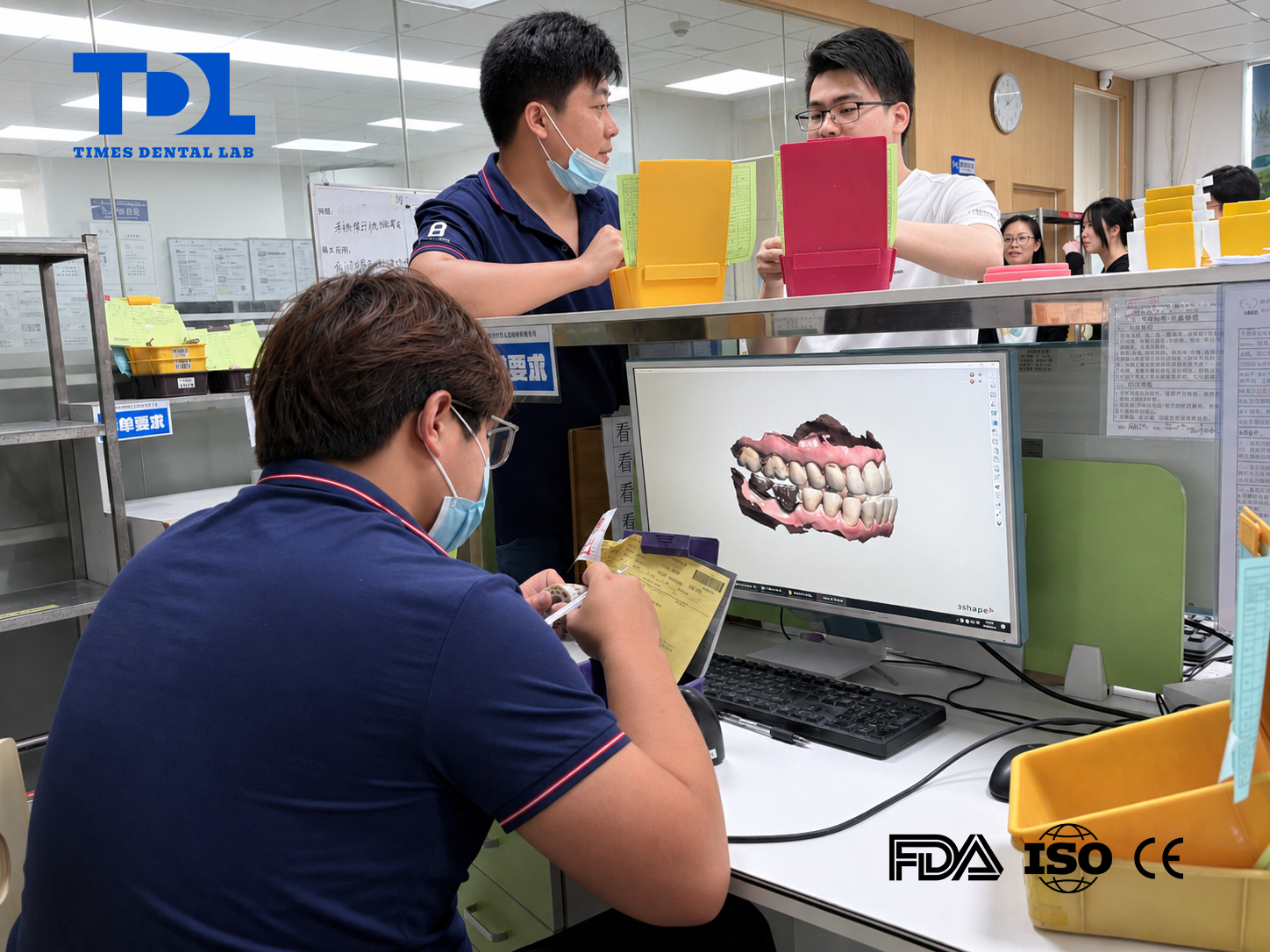
The lab checks margins, bite, opposing arch, restoration type, material, shade, and missing data. |
Early review helps catch problems before manufacturing begins. |
|
4. CAD design |
Technicians design crowns, bridges, implant restorations, models, splints, bars, or other restorations. |
Design control affects fit, contacts, occlusion, thickness, and final function. |
|
5. Manufacturing |
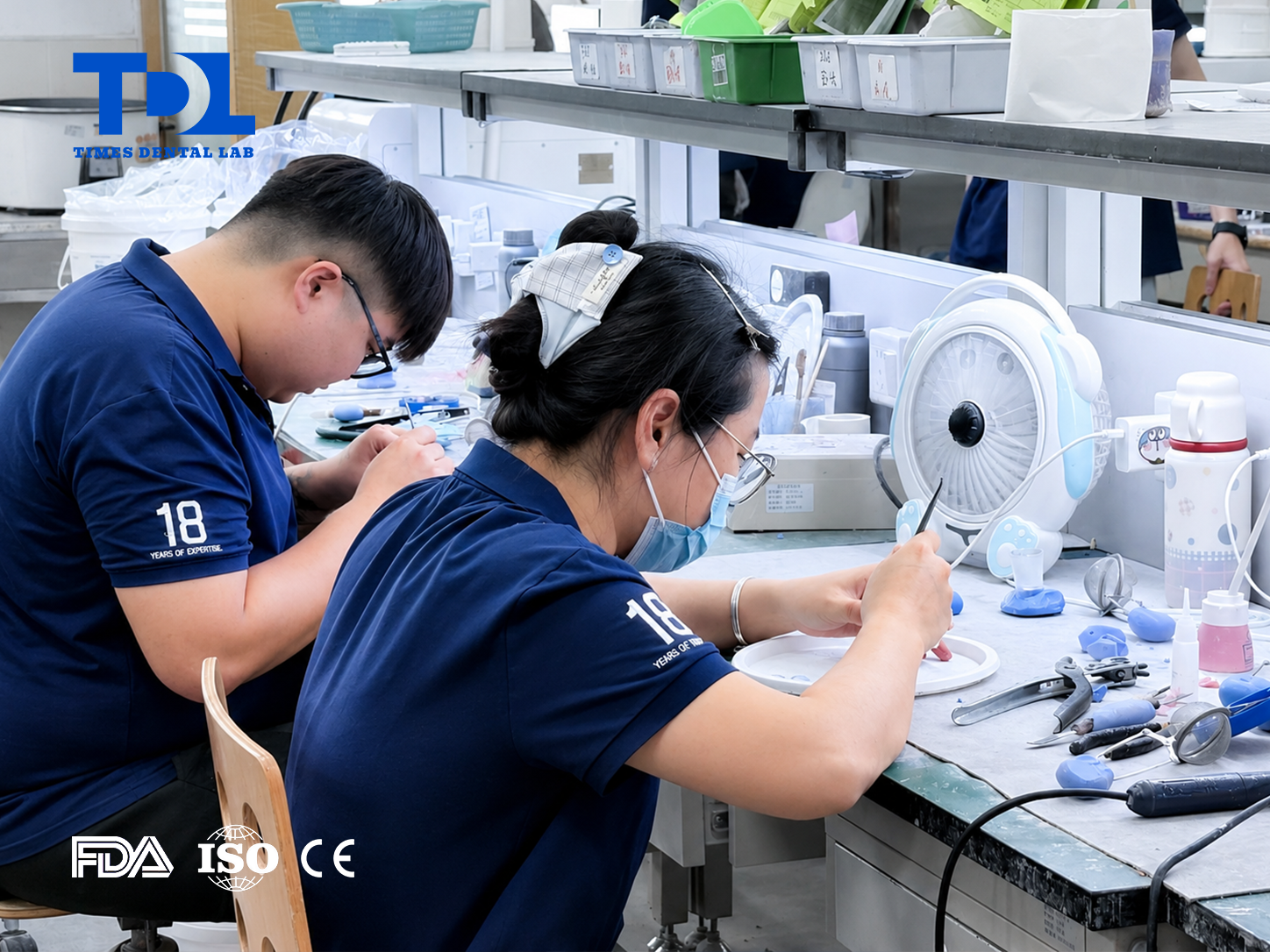
The case moves into milling, 3D printing, sintering, layering, finishing, or related production steps. |
Digital manufacturing makes production more repeatable when the design and material are well controlled. |
|
6. Quality control |
The lab checks fit, margins, contacts, occlusion, shade, surface finishing, case details, and packing. |
Final QC reduces remake risk and supports consistent overseas cooperation. |
|
7. Feedback and archive |
Case files, design notes, and feedback are saved for future reference. |
Archived data helps repeat cases and long-term cooperation become more efficient. |
Why Digital Workflow Matters for Overseas Clinics
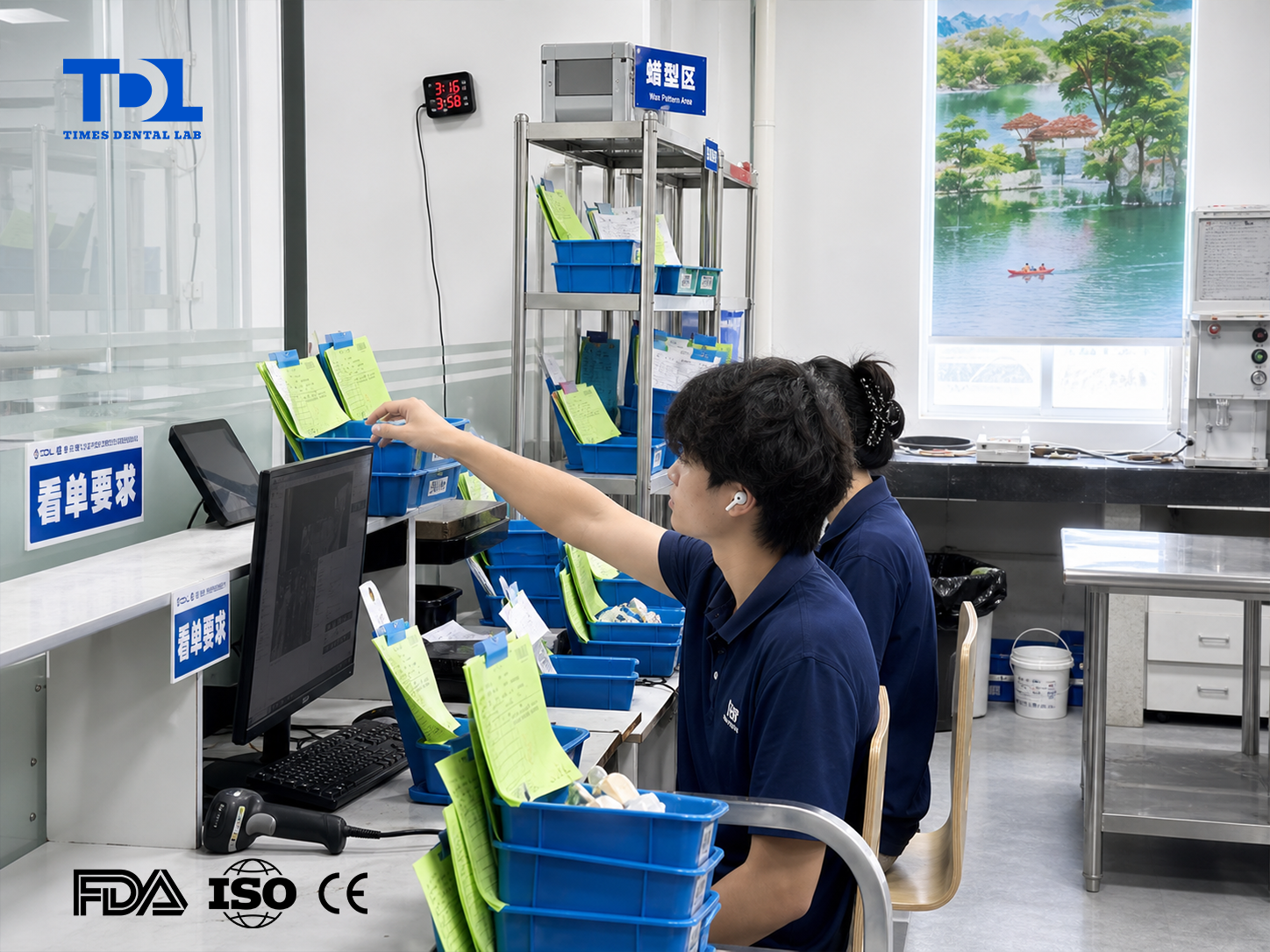
· Faster information transfer compared with shipping only physical impressions.
· Clearer case communication through scans, photos, design files, and written instructions.
· Better visibility before production when 3D design review is needed.
· Reduced remake risk when margins, occlusion, implant data, and shade information are checked early.
· More predictable collaboration with an overseas dental lab across different time zones.
Organizations such as the American Dental Association and FDI World Dental Federation reflect the broader professional context of dentistry becoming more connected, data-driven, and internationally collaborative. For standards context, ISO/TC 106 Dentistry covers oral-health-care standardization including dental product performance, safety, specifications, and clinically relevant laboratory test methods.
What Clinics Should Send for a Digital Case
A digital workflow works best when the clinic sends complete case information at the beginning. For many fixed, implant, removable, and orthodontic cases, useful information may include:
· Upper and lower scans or model scans
· Bite records and opposing arch data
· Clear margin information for crown and bridge cases
· Final shade, stump shade when needed, and clinical photos
· Restoration type, material choice, and design requirements
· Implant system, scan body, platform, screw access, and component details
· Photos or notes for esthetic expectations, midline, texture, and occlusal concerns
· Deadline, shipping preference, and any case priority notes
This checklist is especially useful for international dental lab cooperation. It helps the clinic, the dental lab, and the manufacturing team work from the same case record before the case reaches design or production.
Digital Dental Manufacturing Is More Than CAD/CAM
Digital dental manufacturing is often associated with CAD/CAM, milling, and 3D printing, but a strong production system includes more than machines. A reliable dental lab must connect digital design with material selection, technician review, equipment control, post-processing, finishing, and final inspection.
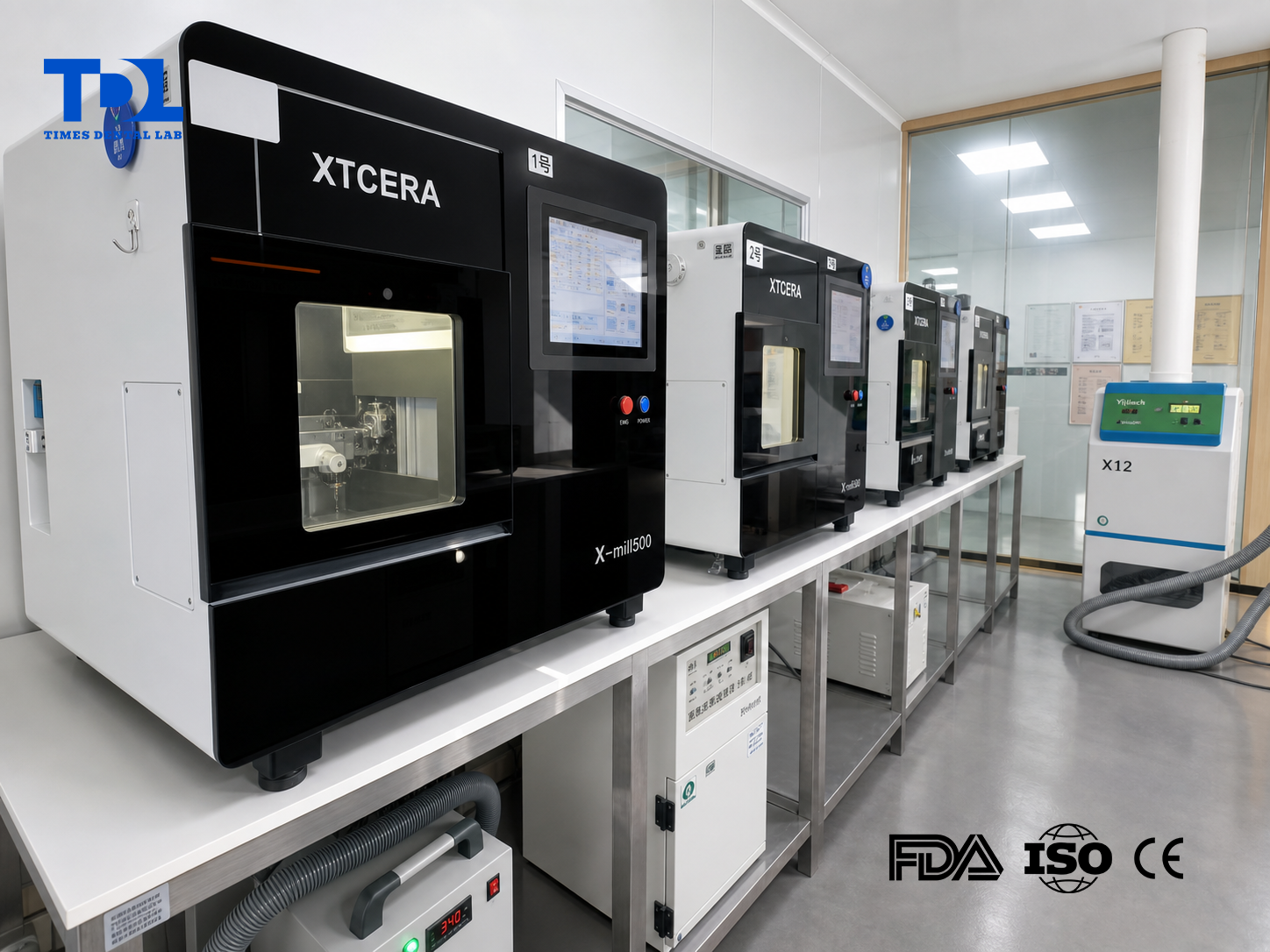
For a broader technical context, Inside Dental Technology follows dental laboratory technology trends, while FDA Dental Devices provides U.S. medical and dental device context. These links help place digital dental manufacturing inside the wider professional and regulatory environment.
For example, a zirconia crown is not successful just because it was milled from a digital file. The lab still needs to confirm margin design, restoration thickness, occlusal clearance, shade requirements, sintering process, glazing or polishing, and final fit. This is why digital manufacturing should be treated as a controlled workflow, not only a technology label.
Times Dental Lab applies this workflow across product categories such as crowns and bridges, implant restorations, removable prosthetics, orthodontic appliances, and digital design support.
How Times Dental Lab Supports Digital Dentistry
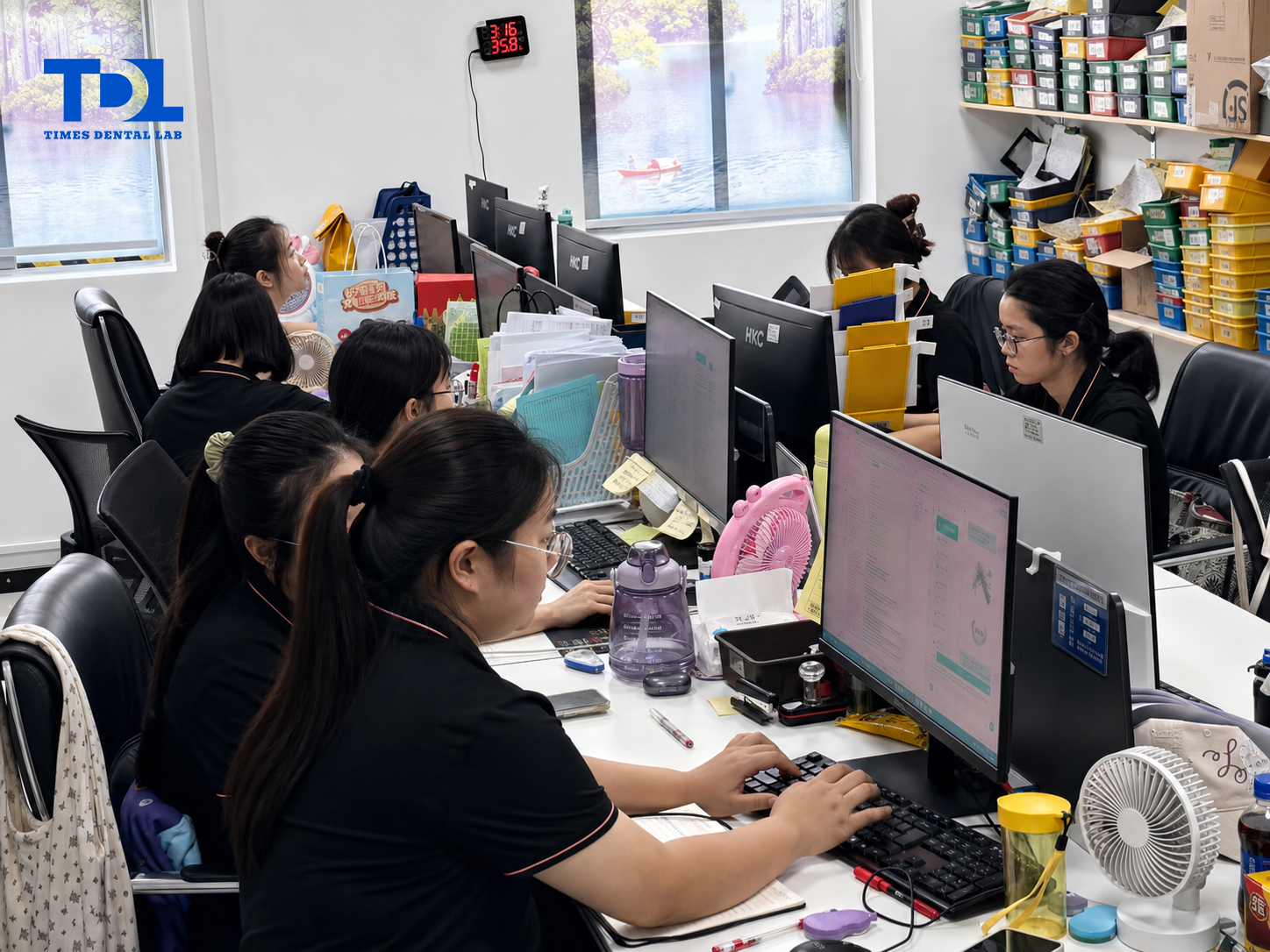
Times Dental Lab is a full-service dental laboratory based in Shenzhen, China, supporting overseas clinics and dental laboratories with digital and physical case workflows. For digital cases, clients can send intraoral scans, STL files, design files, bite records, shade photos, implant information, and case instructions for review.
The company profile, service range, and structured workflow can be reviewed on the About Times Dental Lab page, while clients who want to begin cooperation can use the Contact page to submit questions or case information.
Our digital workflow focuses on several practical checkpoints: case information review before production, CAD design support, production-specific quality checks, final inspection before shipment, and after-sales communication when feedback is needed. This helps clinics and labs make dental lab outsourcing more predictable over repeated cases.
· Digital case review for margins, scans, bite, opposing arch, shade, and restoration type.
· CAD design support for crowns, bridges, implants, abutments, bars, splints, and models.
· Digital and physical workflow support depending on the case type.
· Product-specific checks for fit, contacts, occlusion, screw access, thickness, and finishing.
· Final inspection and packing checks before overseas shipment.
Common Digital Workflow Problems and How to Avoid Them
|
Problem |
Why It Happens |
How to Reduce the Risk |
|
Missing bite or opposing arch |
The scan package is incomplete. |
Use a submission checklist before sending the case. |
|
Unclear margins |
The preparation area is difficult to read or scan quality is low. |
Rescan the area or add clinical notes and photos when needed. |
|
Implant fit issues |
Scan body, implant system, or component details are missing. |
Send implant brand, platform, scan body data, and screw access instructions. |
|
Shade mismatch |
Only a written shade is provided without photos or context. |
Send shade photos with reference tabs and lighting notes when possible. |
|
Occlusion adjustment problems |
Bite records or functional instructions are incomplete. |
Provide bite scan, opposing arch, and special occlusion instructions. |
|
Delayed production |
The lab has to ask for missing information after submission. |
Send complete files and respond quickly to case review questions. |
Benefits of a Strong Digital Lab Partner
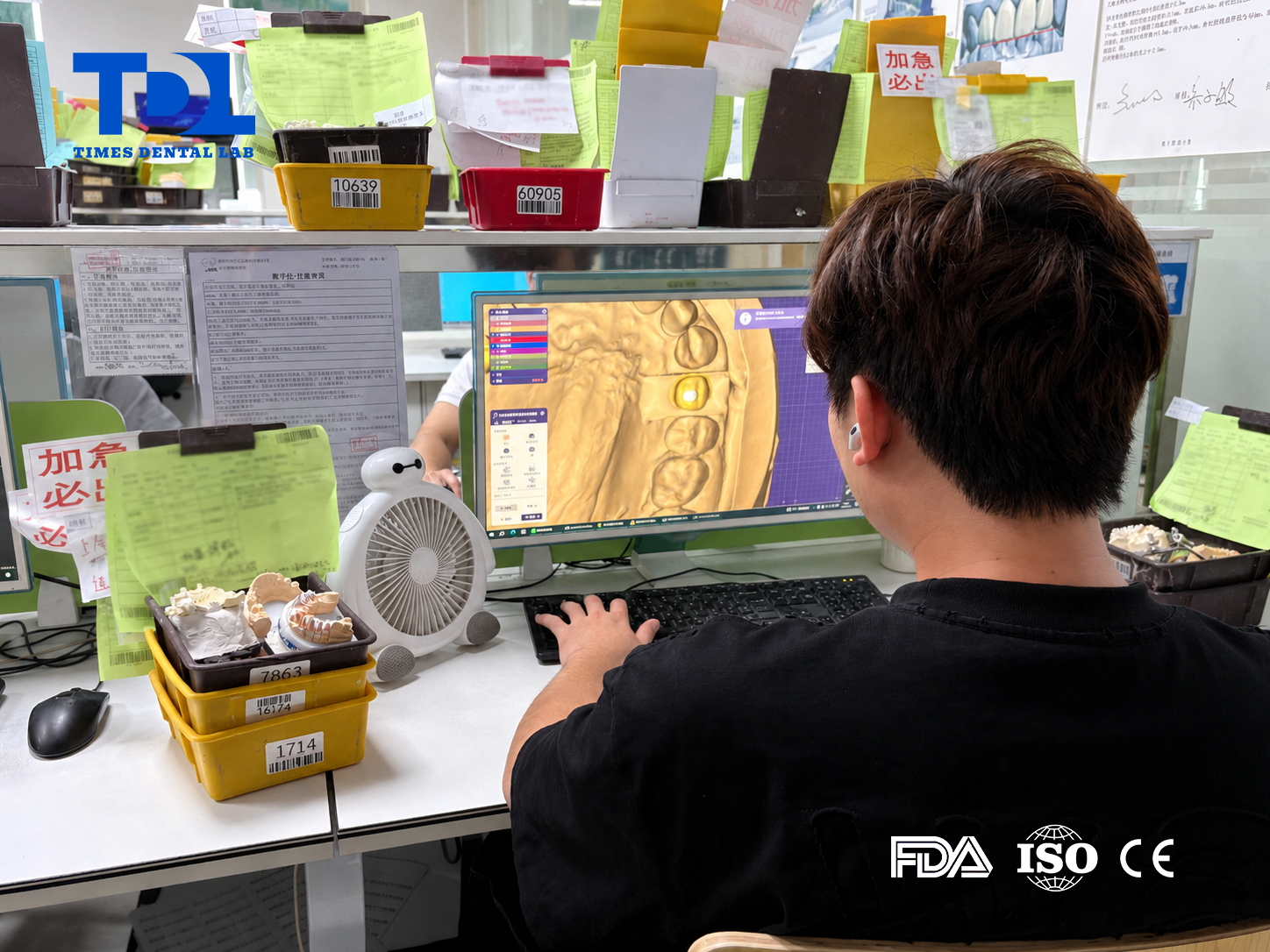
· Better communication between clinical teams and technicians.
· More predictable production for repeated crown, bridge, implant, removable, and orthodontic cases.
· Clearer case review before manufacturing begins.
· Faster design iteration when a 3D preview or design adjustment is required.
· Improved traceability because digital files and case notes can be archived.
· A stronger long-term relationship between the clinic, dental lab, and manufacturing team.
For clinics evaluating a China Dental Lab partner, digital workflow should be part of the decision. The question is not only whether the lab accepts STL files. The better question is whether the lab can review, design, manufacture, inspect, communicate, and support cases consistently.
The National Association of Dental Laboratories is another useful industry reference for understanding the dental laboratory profession, training, and laboratory business context.
FAQs
What is a digital workflow between clinics and dental labs?
It is the process of sending case data digitally, reviewing the information, designing the restoration with CAD tools, manufacturing the case through digital or mixed workflows, checking quality, and communicating updates between the clinic and lab.
Does a digital workflow replace dental technicians?
No. Digital tools improve case visibility and production control, but experienced technicians are still needed for review, design decisions, finishing, esthetics, and quality control.
Can Times Dental Lab accept STL files?
Yes. Times Dental Lab supports digital case submissions including STL-based workflows, intraoral scans, design files, bite records, shade photos, and case instructions.
Is digital manufacturing only for crowns and bridges?
No. Digital workflows can support crowns, bridges, implant restorations, models, splints, bars, orthodontic appliances, and some removable prosthetic workflows depending on the case.
What makes a digital dental lab reliable?
A reliable digital dental lab has clear submission requirements, case review checkpoints, CAD design experience, material and manufacturing control, quality inspection, and responsive communication.
Why is digital workflow important for overseas dental lab outsourcing?
It helps reduce uncertainty across distance and time zones by making case information clearer, easier to review, and easier to archive for future cases.
Conclusion
A digital workflow between clinics and dental labs is not just a faster way to send files. It is a structured production system that connects clinical records, CAD design, digital dental manufacturing, quality control, communication, shipment, and case feedback.
For clinics and dental laboratories working with an overseas partner, this structure matters. Times Dental Lab combines digital case submission, CAD design support, product-specific manufacturing, quality control, and international communication to support dental laboratories and clinics worldwide.
To start a digital case or discuss an ongoing workflow, contact Times Dental Lab for case review and production support.