Introduction
Choosing a dental lab outsourcing partner should not begin with price alone. A low unit price can look attractive at first, but the real supplier decision depends on quality consistency, case review discipline, communication, documentation, digital workflow, shipping reliability, remake handling, and whether the lab can support your case mix over time.
For a broader overview of China dental lab outsourcing, start with the main guide: China Dental Lab Outsourcing: Reliable and Affordable Partner. This article has a narrower purpose: it gives clinics and dental laboratories a practical supplier screening checklist before they send regular case volume to an overseas dental lab.
The goal is to help buyers ask better questions. A reliable supplier should be able to explain its workflow clearly, show how cases are reviewed, identify what information is required before production, and describe how quality problems are prevented and handled.
Quick Answer
A dental lab outsourcing supplier should be screened across eight areas: product scope, quality control, certifications and documentation, digital workflow, communication, trial-case performance, shipping and packaging, and long-term risk management. The best supplier is not simply the cheapest one. It is the lab that can produce your real case mix consistently, communicate clearly, and reduce avoidable errors before production and shipment.
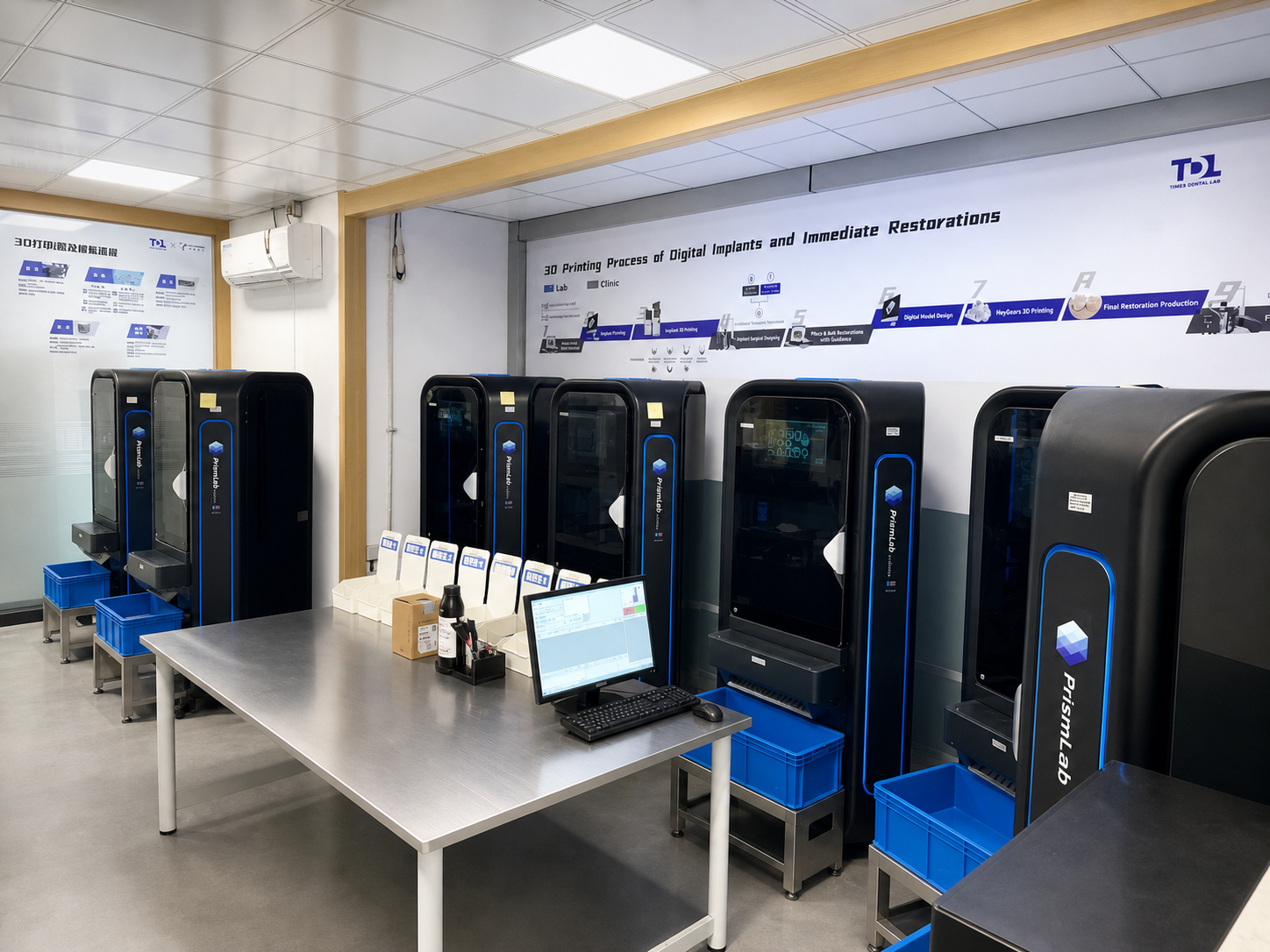
What Is a Dental Lab Supplier Screening Checklist?
A dental lab supplier screening checklist is a structured way to evaluate whether a lab is suitable for outsourcing. It helps the buyer compare suppliers using practical evidence rather than marketing claims. Instead of asking only, "What is your price?" the checklist asks, "Can this supplier handle our products, files, communication needs, quality expectations, shipping requirements, and feedback process?"
This matters because dental outsourcing is not a one-time purchase. Once a clinic or lab begins sending regular work, supplier problems can affect chairside adjustment, remake rates, patient scheduling, internal workload, and client trust. A checklist helps buyers detect risks before volume increases.
The Supplier Screening Scorecard
|
Screening Area |
What to Check |
Risk if Ignored |
|
Product scope |
Can the lab support your crown, bridge, implant, removable, orthodontic, and digital design needs? |
You may need multiple suppliers or face inconsistent case handling. |
|
Case review |
Does the lab check prescriptions, scans, bite records, shade, margins, and implant data before production? |
Incomplete records may turn into remakes or delays. |
|
Quality control |
Are margins, contacts, occlusion, fit, shade, finishing, and packing checked before shipment? |
Quality may depend too heavily on individual technicians. |
|
Documentation |
Can the lab discuss registration, material records, and quality-system expectations clearly? |
Compliance and material transparency may be weak. |
|
Digital workflow |
Can the lab accept STL files, scans, photos, design files, and digital instructions? |
Communication may be slow or error-prone. |
|
Communication |
Is there a clear English-speaking case contact and response process? |
Questions may remain unresolved across time zones. |
|
Trial case |
Does the first case test accuracy, communication, packaging, and feedback? |
The buyer may scale volume before understanding real workflow fit. |
|
Risk handling |
How are remakes, adjustments, shipping issues, and recurring problems reviewed? |
Small problems may repeat without improvement. |
Checklist 1: Product Scope and Case Mix
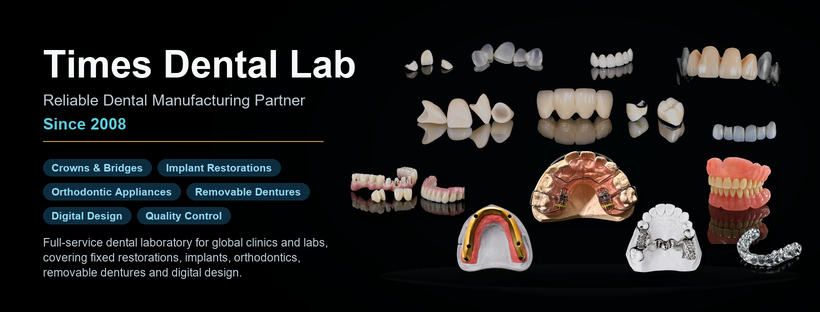
The first screening question is whether the supplier can handle your actual case mix. A lab may be strong in single crowns but weaker in implants, removables, orthodontics, or full-arch cases. Before sending regular volume, list the products you send most often and the cases that create the most technical risk.
· Crowns and Bridges: zirconia, PFM, E.max, veneers, inlays, onlays, and bridge cases.
· Implant Restorations: implant crowns, implant bridges, custom abutments, screw-retained restorations, implant bars, and full-arch cases.
· Removable cases: complete dentures, partial dentures, flexible dentures, acrylic dentures, and metal frameworks.
· Orthodontic appliances: retainers, night guards, splints, expanders, and related appliances.
· Digital design support: CAD design, models, splints, implant design, and file-based support.
Checklist 2: Case Review Before Production
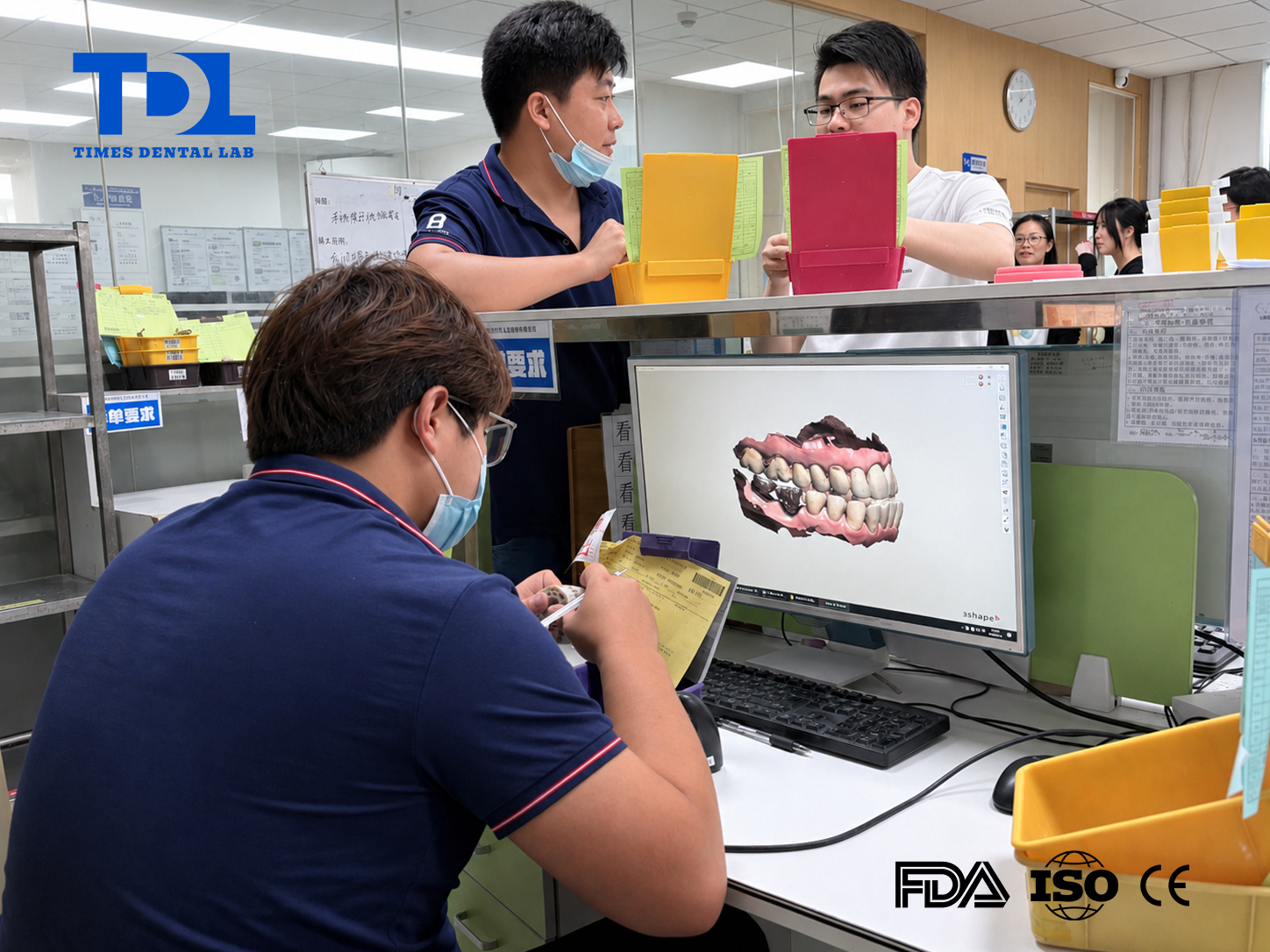
A strong supplier should not push every case directly into production. Case review is one of the clearest signs of supplier discipline. The lab should check whether the case contains enough information to produce the restoration correctly and whether anything needs clarification before design or manufacturing begins.
· Prescription: tooth number, restoration type, material, shade, and special instructions.
· Scans or impressions: complete margins, opposing arch, bite records, and preparation details.
· Photos: shade tab photos, smile photos, intraoral photos, and stump shade when needed.
· Implant information: brand, platform, diameter, scan body, retention type, and screw access notes.
· Case complexity: anterior esthetics, long-span bridges, full-arch work, removables, or limited clearance.
Checklist 3: Quality Control System
Quality control should be more than a final glance before packing. A supplier should be able to explain where QC happens in the workflow and what is checked for different product categories. For dental outsourcing, the buyer should look for repeatable process control rather than vague claims about high quality.
|
QC Stage |
What a Buyer Should Ask |
|
Before production |
Who checks case information, scans, margins, bite records, shade, and implant details? |
|
During production |
How are material thickness, contacts, occlusion, fit, framework support, and screw access controlled? |
|
Before shipment |
Who checks final fit, shade, surface finish, labeling, packing, and case details? |
|
After feedback |
How are remake causes, adjustments, and repeated issues recorded and reviewed? |
Checklist 4: Certification and Documentation
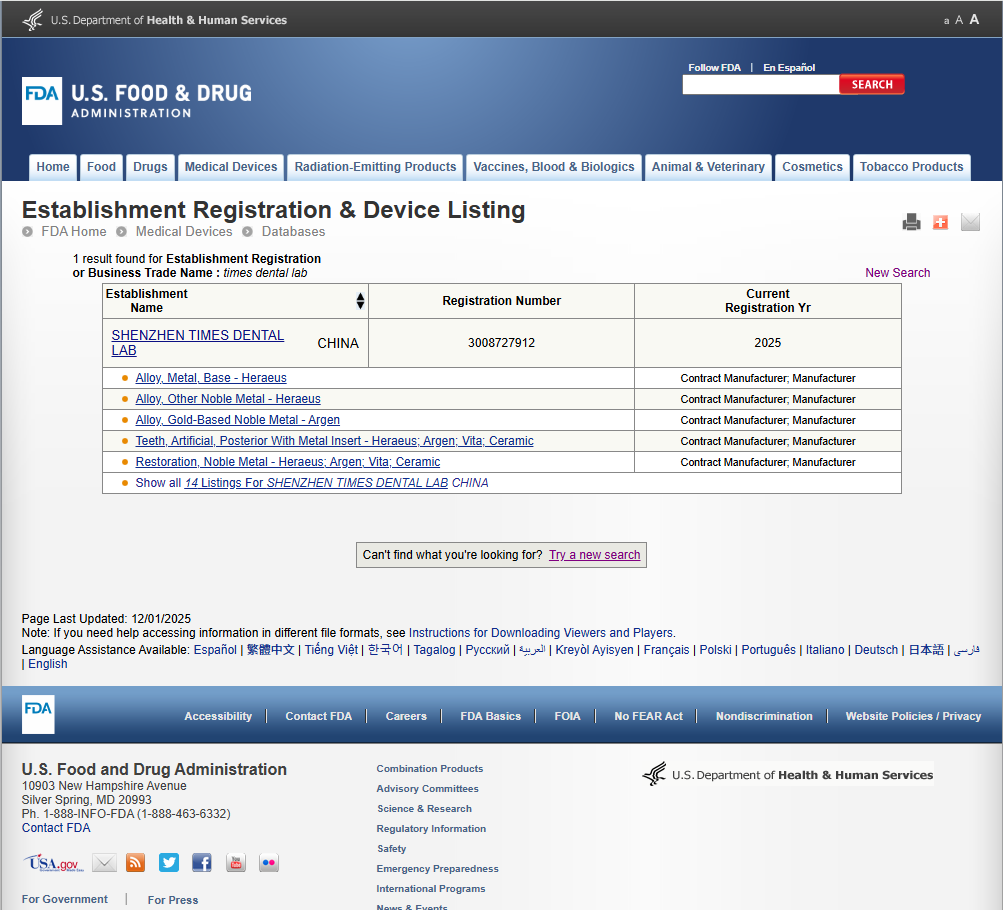
Documentation does not automatically prove a lab is the best supplier, but it does show whether the lab understands professional requirements. Buyers should ask for clear, accurate wording. For example, FDA establishment registration is not the same as FDA approval of every restoration. A responsible supplier should avoid exaggerated compliance claims.
For external reference, buyers can review FDA dental device information, ISO 13485 for medical device quality management systems, and the National Association of Dental Laboratories for broader dental laboratory industry context.
· Ask what registrations, certificates, or quality-system documents are available.
· Ask how material records are managed and whether material brands are traceable.
· Ask whether the lab can provide case photos or reports when needed.
· Avoid suppliers that use unclear claims such as "FDA-approved lab" without precise documentation.
Checklist 5: Digital Workflow and File Handling
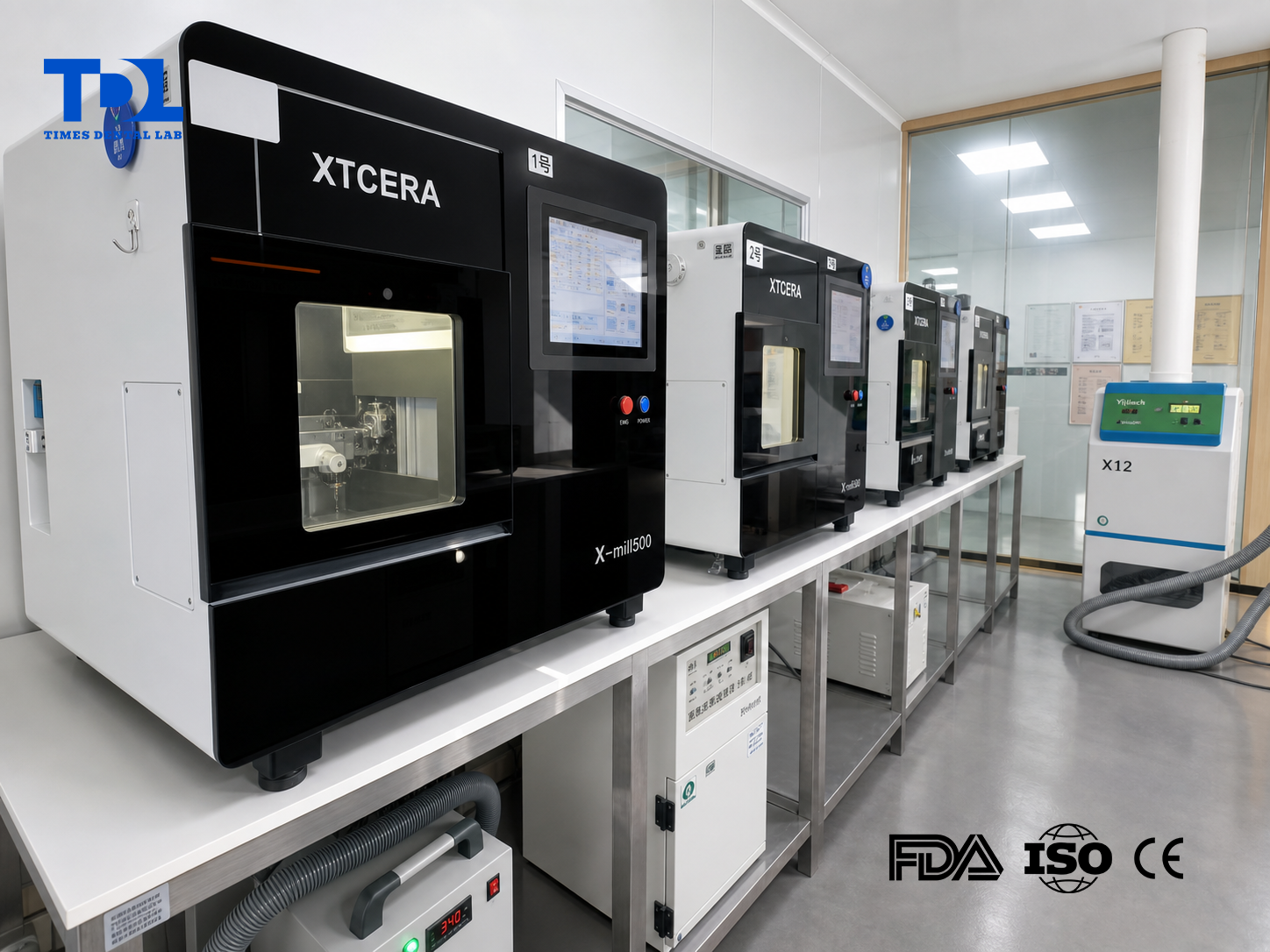
Digital capability is now a supplier-screening requirement, not a bonus. A lab should be able to receive and review digital case files, communicate about scan problems, and support CAD/CAM production where appropriate. Times Dental Lab's Digital Solutions support digital case submission, file review, CAD design, 3D printing, milling, and digital case communication.
· Can the supplier accept STL, PLY, scans, photos, and design references?
· Does the supplier check scan quality before design?
· Can the supplier mark unclear margins or request missing records?
· Can design previews be shared for complex cases?
· Are digital files archived for future reference?
Checklist 6: Communication and Account Support
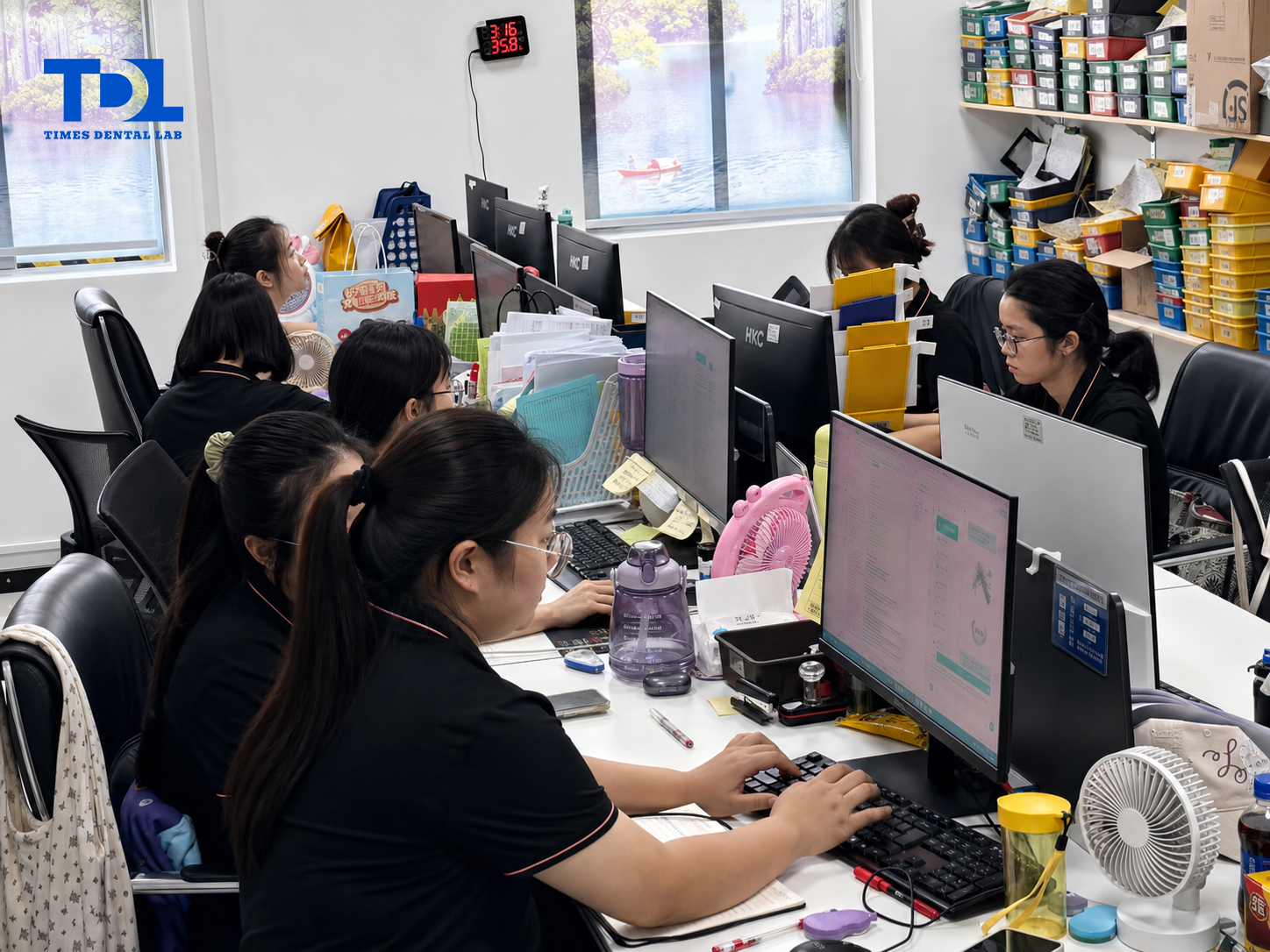
Communication is where many outsourcing relationships succeed or fail. A good supplier should have a clear case-contact process, not only a sales contact. The buyer should know who answers technical questions, who confirms missing information, and how urgent issues are handled across time zones.
· Is there an English-speaking support team?
· Can the team understand dental terminology and case details?
· Are case updates provided when clarification is needed?
· Can doctor preferences be recorded for repeat cases?
· How are remakes, adjustments, or shipping issues discussed?
Checklist 7: Trial Case Evaluation
A trial case should test more than the final restoration. It should test the full supplier workflow: submission, review, communication, production, QC, packaging, shipping, and feedback. This is why trial cases are more useful when they match the buyer's real case mix instead of being only the simplest possible crown.
The How to Start page is a useful internal link for buyers preparing their first case with Times Dental Lab. A well-prepared trial case should include scans or models, bite records, shade information, material selection, implant details if applicable, and clear written instructions.
|
Trial Case Area |
What to Evaluate |
|
Submission |
Was it clear what information the lab needed? |
|
Review |
Did the lab identify unclear margins, missing records, or technical questions? |
|
Communication |
Were responses clear, timely, and technically useful? |
|
Production |
Did the restoration match the prescription and case requirements? |
|
QC and packing |
Was the case checked, labeled, protected, and shipped properly? |
|
Feedback |
Did the lab respond professionally to adjustment or remake discussion? |
Checklist 8: Long-Term Supplier Risk
A supplier may perform well on one case but struggle when volume increases. Long-term screening should ask whether the lab can maintain consistency, handle recurring preferences, manage different product categories, and improve after feedback. This is where buyers should separate a one-time production vendor from a long-term outsourcing partner.
· Can the lab handle your expected monthly volume?
· Does the lab have product-specific teams and workflow responsibility?
· Can the lab track repeat preferences and recurring issues?
· Does the lab review remake causes instead of simply replacing cases?
· Can the lab support both simple and complex cases as your volume grows?
Red Flags When Screening a Dental Lab Supplier
· The supplier talks about price but cannot explain case review or QC.
· The supplier makes vague compliance claims without precise documentation.
· The supplier accepts incomplete files without asking technical questions.
· The supplier cannot explain how remakes or adjustments are reviewed.
· The supplier has no clear communication process across time zones.
· The supplier promises very fast delivery for every case type without considering complexity.
· The supplier cannot describe how cases are packed, labeled, and tracked.
Printable Supplier Screening Checklist
|
Check |
Supplier Screening Item |
|
[ ] |
Product scope matches our real case mix. |
|
[ ] |
The lab reviews prescriptions, scans, bite, shade, and implant data before production. |
|
[ ] |
QC checkpoints are documented before production, during production, and before shipment. |
|
[ ] |
Certificates, registrations, and material documentation are described accurately. |
|
[ ] |
Digital workflow supports STL files, scans, photos, CAD design, and file review. |
|
[ ] |
English-speaking communication is clear and technically useful. |
|
[ ] |
Trial case tests workflow, not only price. |
|
[ ] |
Packaging, shipping, and delivery expectations are clear. |
|
[ ] |
Remake and adjustment feedback is reviewed and tracked. |
|
[ ] |
The supplier can support long-term volume and recurring preferences. |
FAQ
What should I check before choosing a dental lab outsourcing supplier?
Check product scope, case review, QC process, documentation, digital workflow, communication, trial-case performance, shipping, remake handling, and long-term capacity.
Is price the most important supplier-screening factor?
No. Price matters, but the lowest price can become expensive if the supplier causes remakes, delays, poor communication, or inconsistent quality.
How many trial cases should I send before scaling volume?
Start with a small group of representative cases rather than only one simple case. Include the product types that matter most to your business.
What is a red flag in dental lab outsourcing?
A major red flag is a supplier that cannot explain case review, quality control, documentation, communication, or remake handling clearly.
Why is digital workflow important when screening a supplier?
Digital workflow helps the lab review scans, margins, bite, photos, implant data, and design details before production, reducing avoidable errors and communication delays.
Conclusion: Choose Based on Evidence, Not Price
A dental lab outsourcing supplier checklist helps buyers make a better decision before volume increases. The strongest supplier is not only affordable. It should have clear product scope, structured case review, reliable QC, accurate documentation, digital workflow, responsive communication, trial-case discipline, and long-term risk-control habits.
Times Dental Lab is a full-service dental laboratory in Shenzhen, China, supporting overseas clinics and dental laboratories with crowns and bridges, implant restorations, removable prosthetics, orthodontic appliances, digital design support, case review, quality checks, packaging, and communication. To discuss your supplier-screening questions or prepare a trial case, contact Times Dental Lab.