
Metal Inlay
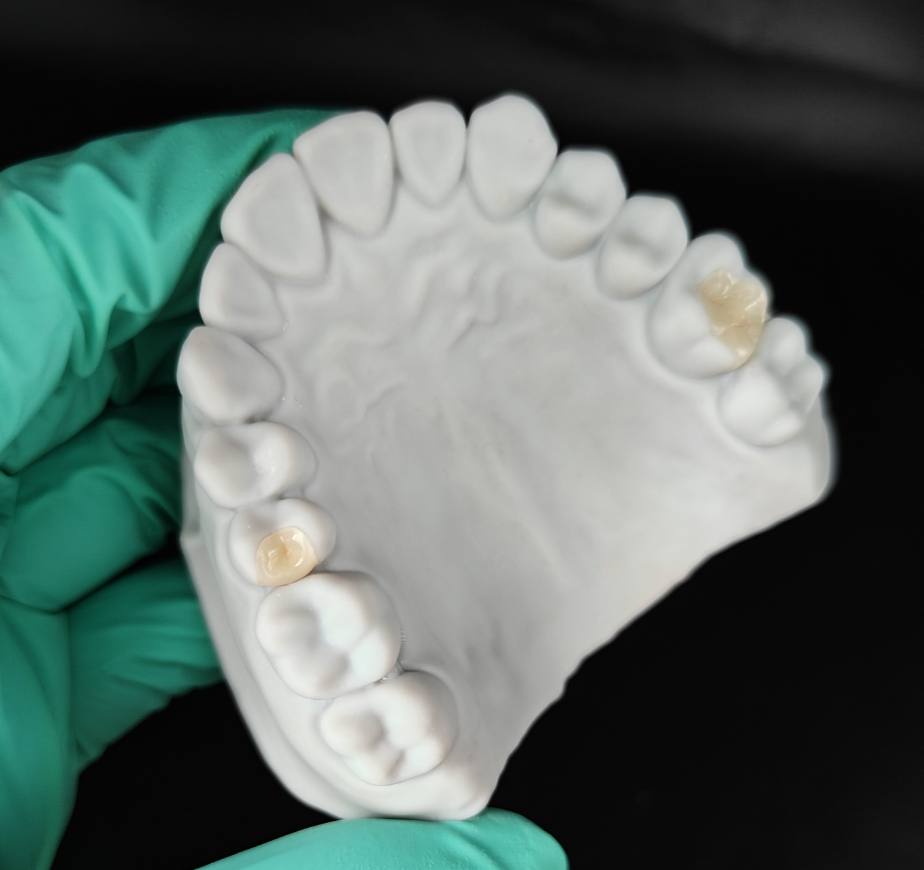
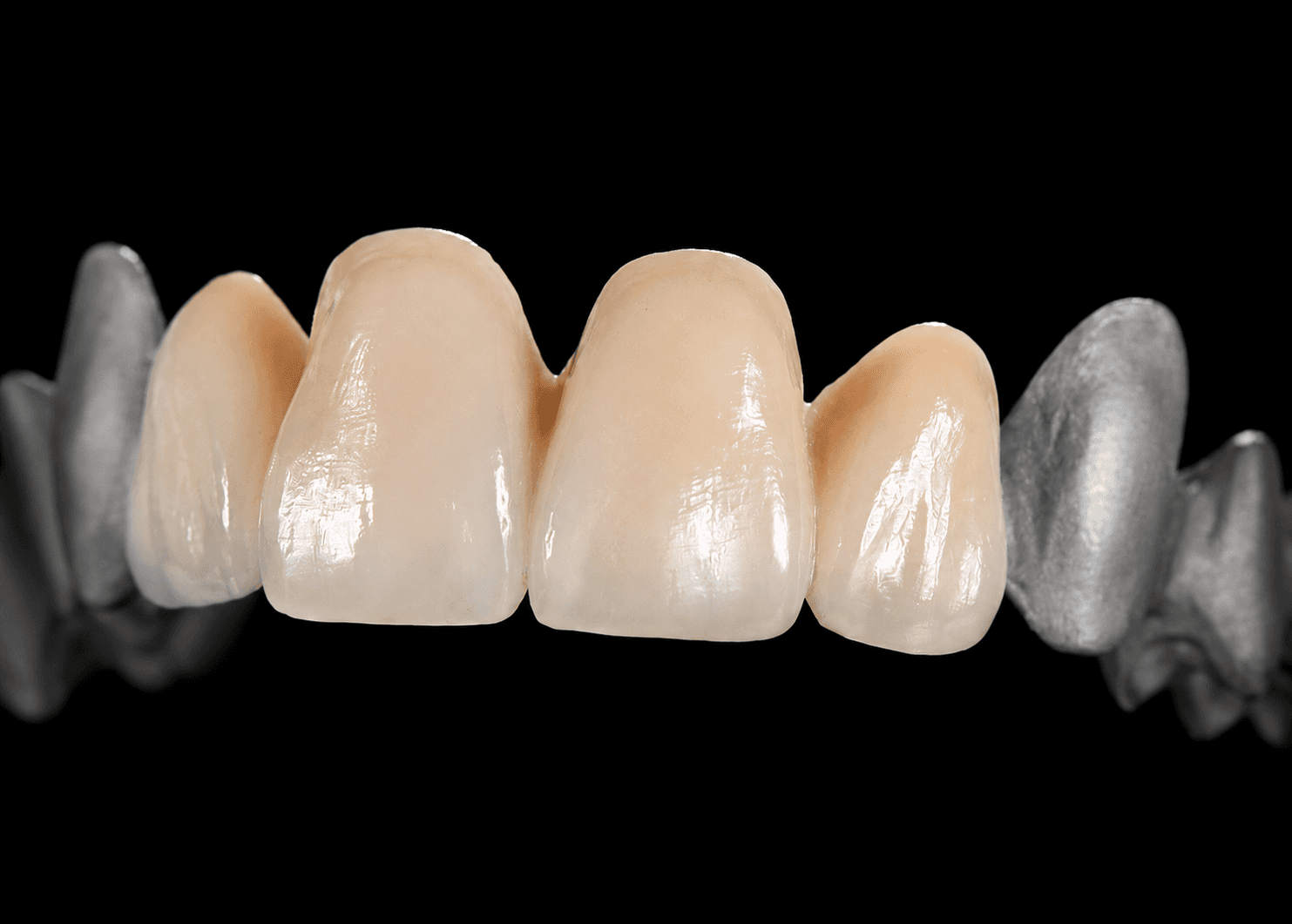
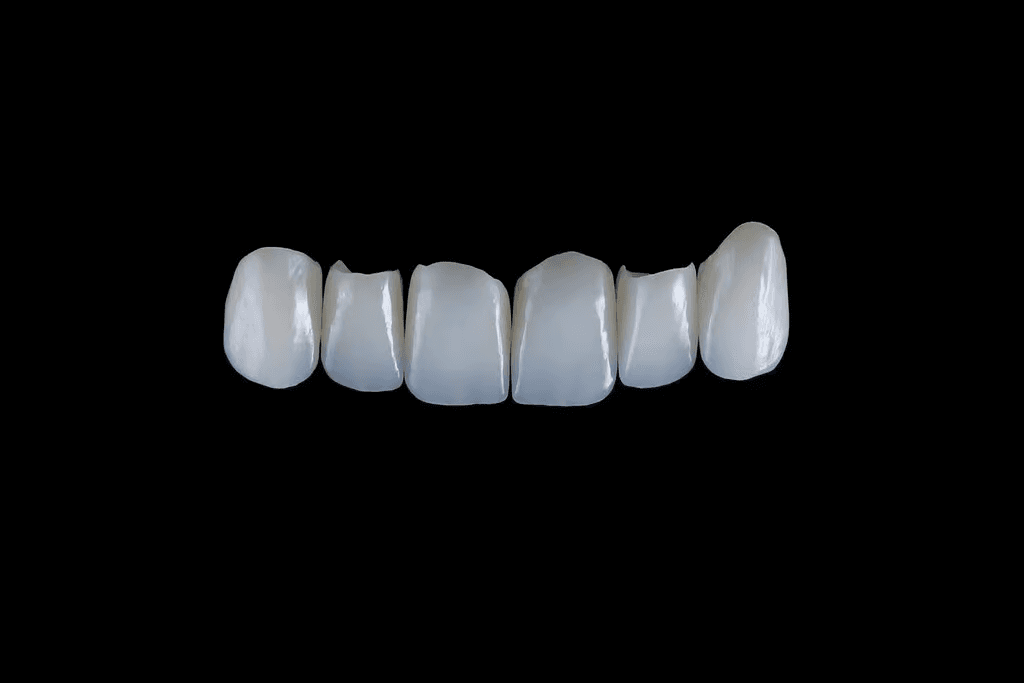
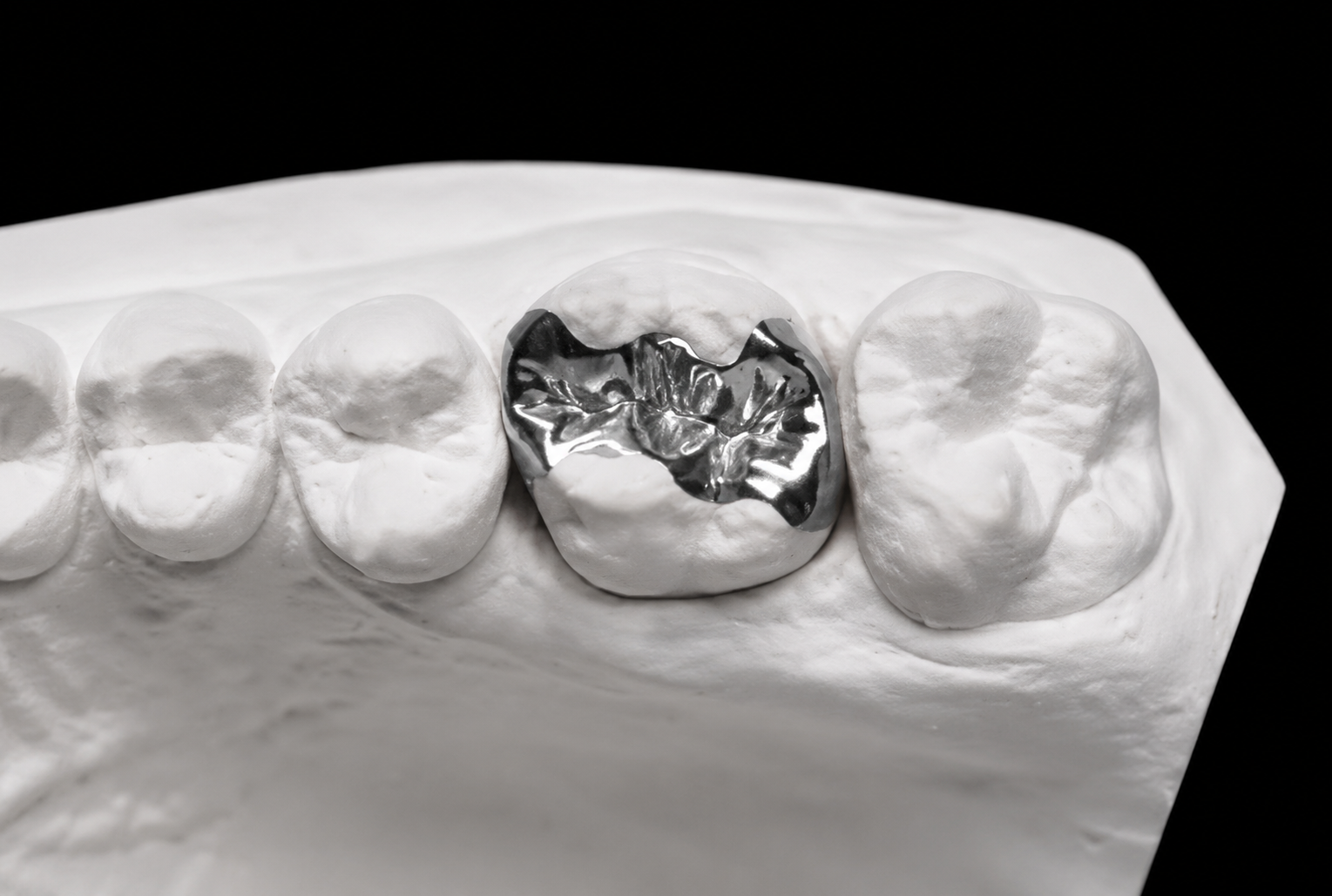
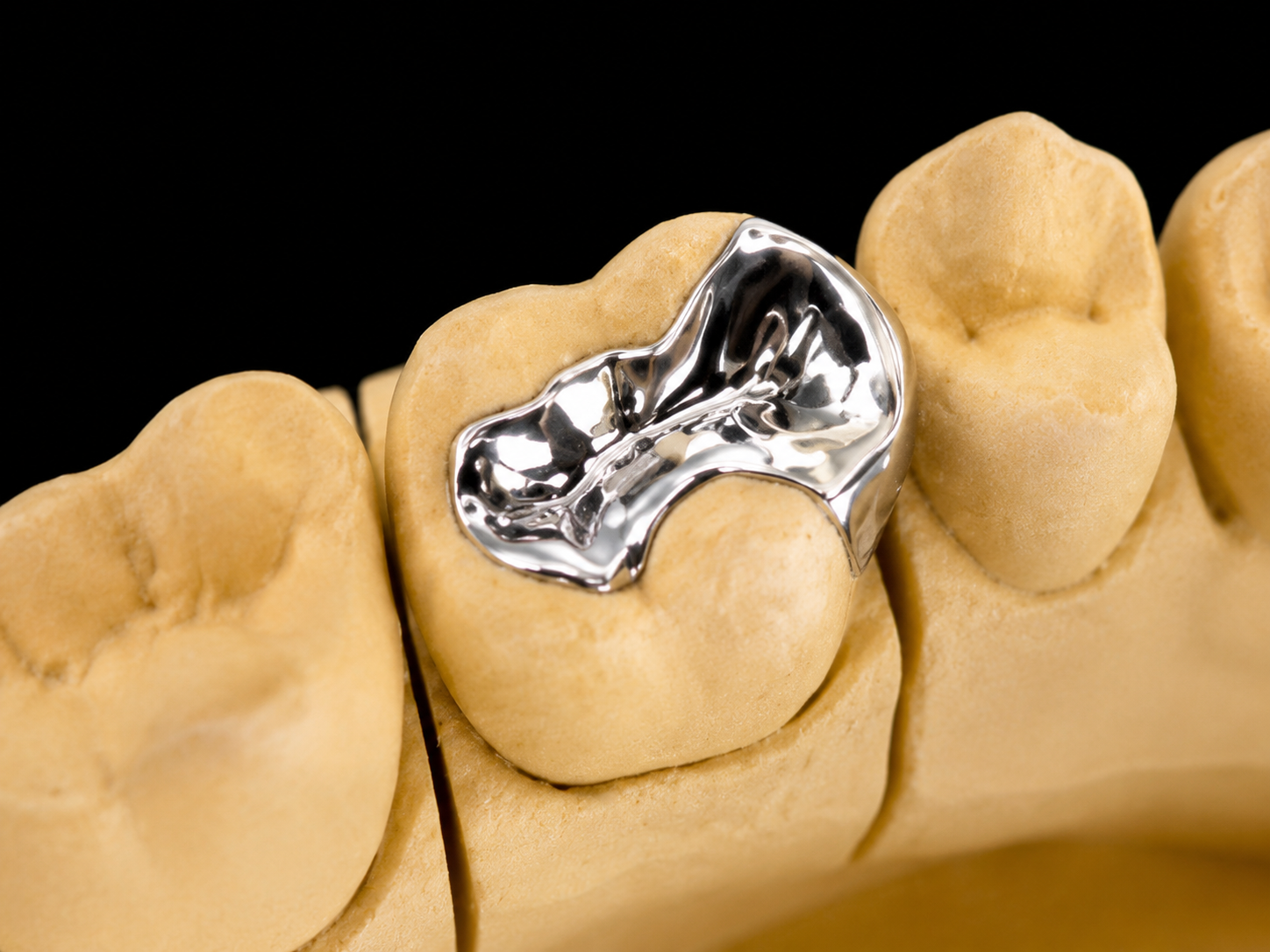
Metal inlays are custom-made indirect dental restorations designed to restore posterior teeth with moderate loss of tooth structure while preserving as much healthy enamel as possible. Fabricated through digital or conventional laboratory workflows, metal inlays provide precise fit, excellent marginal integrity, durable occlusal performance, and long-term functional stability. They are commonly produced from dental alloys selected according to the clinical prescription and patient-specific requirements.
Clinical Application
Metal inlays are used to restore cavities or defective restorations located within the cusps of posterior teeth. Unlike direct fillings, they are fabricated outside the mouth and bonded or cemented after clinical try-in. They are suitable for restorations requiring improved durability, anatomical accuracy, and contact-point control compared with a direct restorative material.
Indications
Metal inlays may be indicated for premolars and molars with moderate caries, fractured cusps that do not require full-crown coverage, worn or failing fillings, and cases requiring a durable posterior restoration. They may also be considered when precise proximal contact, occlusal anatomy, and long-term wear resistance are important clinical requirements.
Material Characteristics
Metal inlays are typically fabricated from a prescribed dental alloy, such as gold alloy, cobalt-chromium alloy, or another compatible dental metal. The selected material may provide high strength, resistance to wear, accurate margins, and reliable long-term performance under posterior chewing forces. The final material choice should consider biocompatibility, allergy history, occlusal loading, esthetic expectations, and compatibility with adjacent restorations.
Relative Contraindications
Metal inlays should be carefully evaluated in patients with known sensitivity or allergy to the prescribed alloy components. They may be less suitable in highly visible esthetic areas, where a tooth-colored restoration is preferred. Caution is also required where there is insufficient remaining tooth structure, extensive cusp involvement, uncontrolled severe bruxism, poor moisture control, or inadequate preparation geometry for reliable retention and seating.
Design Considerations
The preparation should provide adequate depth, smooth internal surfaces, rounded internal line angles, and sufficient clearance for the prescribed metal thickness. Undercuts should be eliminated or managed according to the selected adhesive or cementation technique. Margins should be clearly defined and accessible for finishing and verification. The restoration design should provide appropriate proximal contacts, occlusal anatomy, and harmonious contact with opposing teeth while avoiding premature or excessive occlusal loading.
Instructions for Use
Provide an accurate digital scan or conventional impression, together with the prescribed tooth number, restoration type, alloy selection, occlusal requirements, and any specific design instructions. The laboratory fabricates the metal inlay according to the submitted case information. Before final delivery, the treating clinician should verify marginal fit, proximal contacts, internal seating, occlusion, and overall clinical adaptation. Cementation or bonding should be completed using a clinically appropriate protocol that is compatible with the preparation design, selected alloy, and manufacturer’s instructions.
Handling and Storage
Handle the metal inlay carefully to avoid bending, scratching, contamination, or distortion before delivery. Keep the restoration clean and protected until clinical try-in. Do not alter the restoration excessively without reassessing fit and occlusion. Any required adjustment should be followed by thorough finishing and polishing to maintain a smooth surface and reduce wear on opposing dentition.
Case Planning
Each metal inlay should be prescribed by a qualified dental professional after reviewing the patient’s oral condition, remaining tooth structure, caries risk, functional needs, occlusion, available restorative space, and treatment plan. The final preparation design, alloy selection, restoration thickness, occlusal configuration, and cementation approach should be determined according to the individual case information provided by the prescribing clinician.
Laboratory and Quality Context
Times Dental Lab supports digital design and structured laboratory production for custom metal inlays and other indirect dental restorations. Each restoration is manufactured according to the submitted prescription, approved design, selected material, and applicable laboratory production procedures. Final product selection remains subject to the clinical requirements and instructions provided for the individual case.
Professional Use Statement
Product images, material descriptions, and technical information are intended for professional reference only. The treating clinician remains responsible for diagnosis, treatment planning, tooth preparation, material selection, final fit assessment, occlusal adjustment, cementation, and clinical use of the restoration.