Multilayer Zirconia
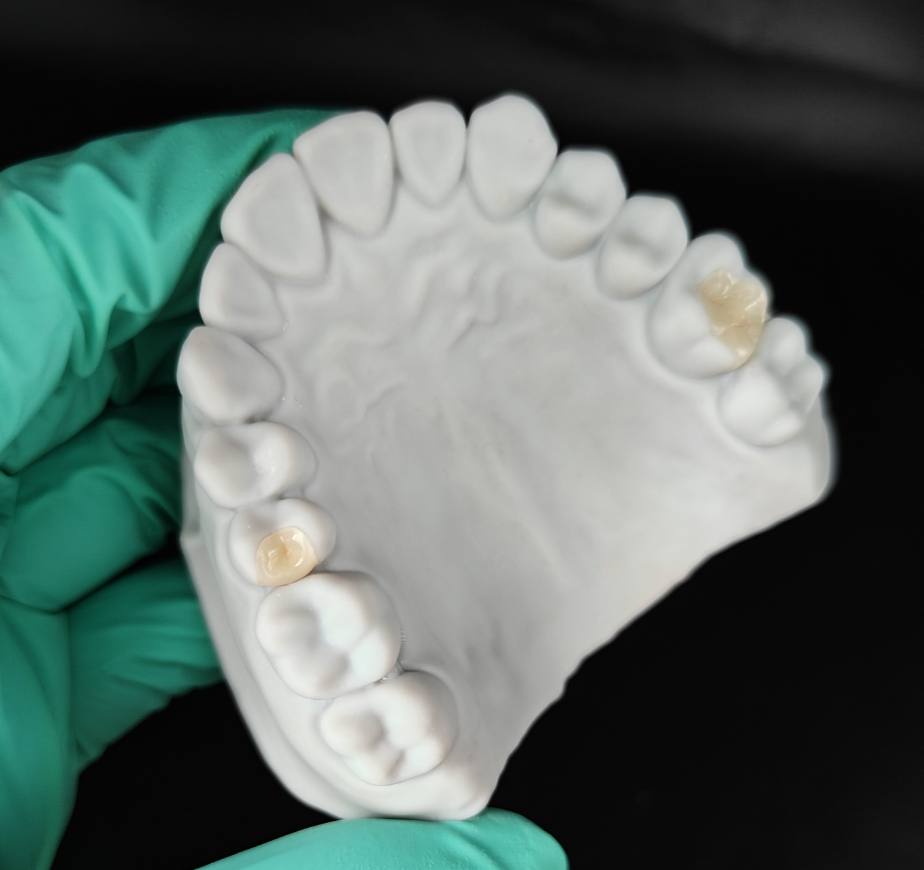
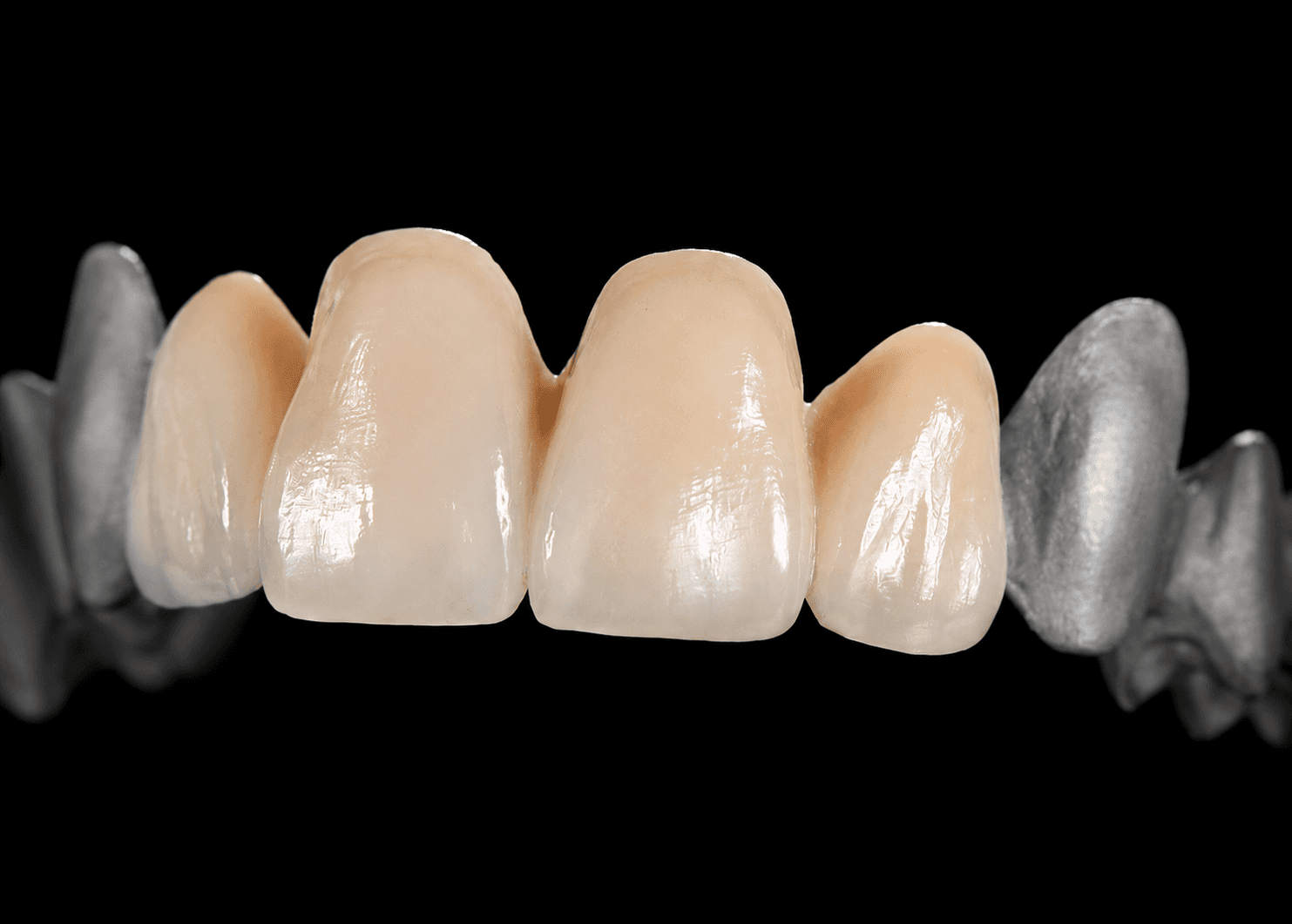
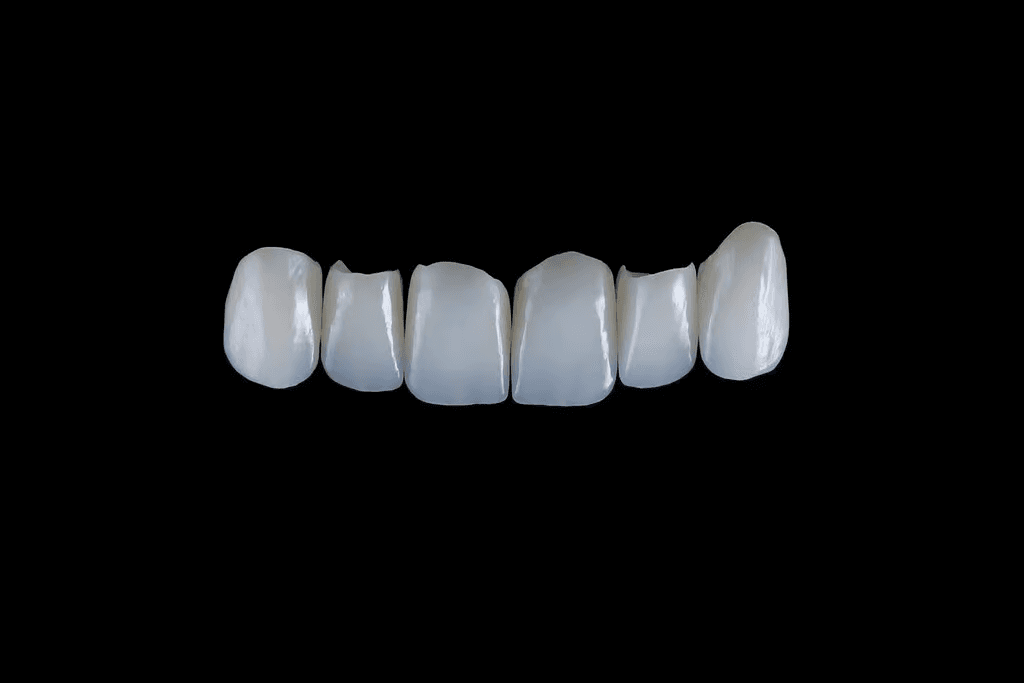
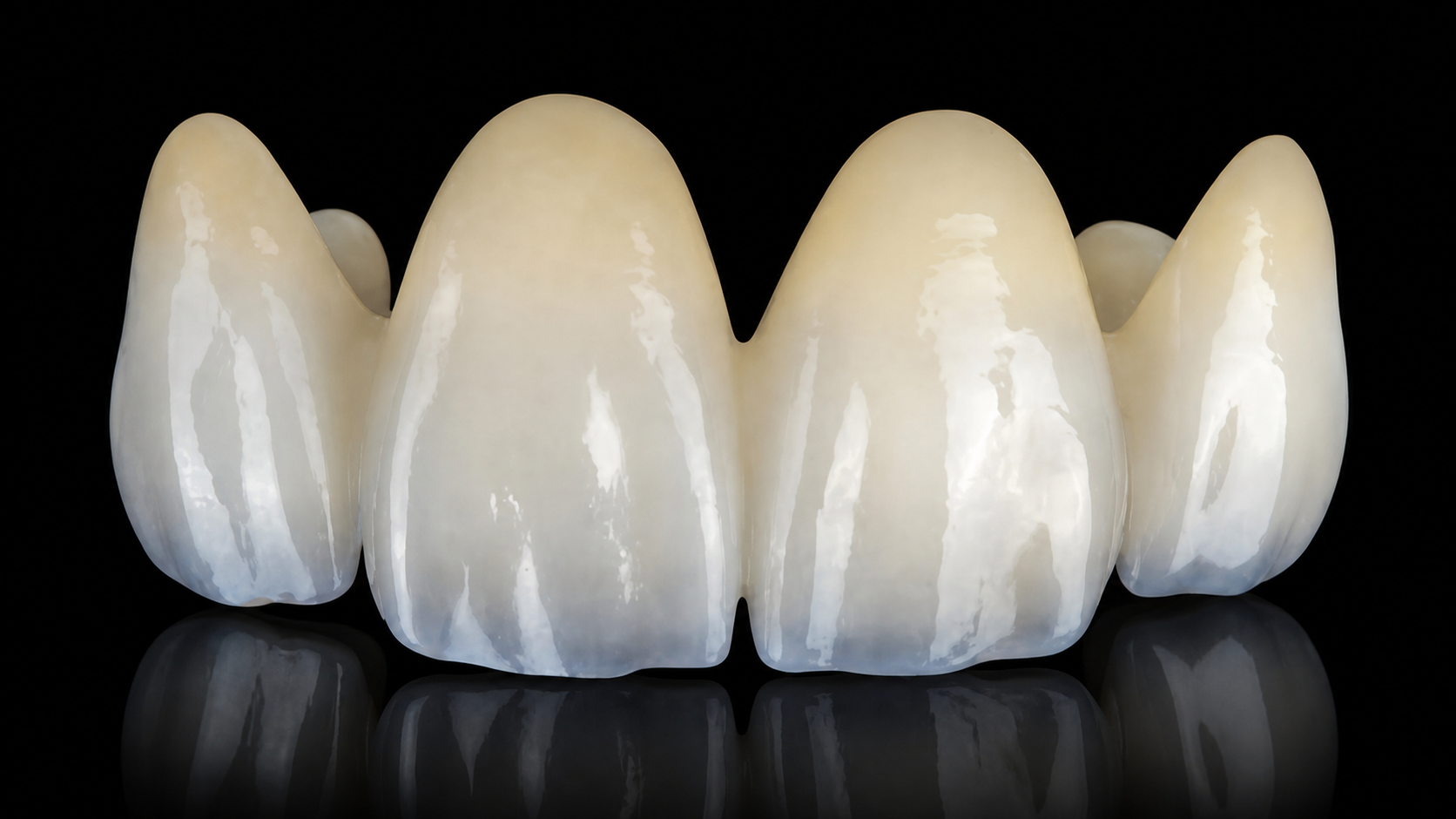
Multilayer zirconia is an advanced CAD/CAM dental ceramic that combines high strength, natural translucency, and a seamless shade gradient in a single material. Designed to replicate the color transition of natural teeth from the cervical to incisal area, it provides an efficient solution for esthetic and durable dental restorations. Multilayer zirconia is suitable for a wide range of fixed prosthetic applications, including anterior and posterior crowns, short-span bridges, veneers, inlays/onlays, and implant-supported restorations. Its balance of strength and esthetics helps dental professionals deliver restorations with reliable function, natural appearance, and efficient laboratory workflow.
Clinical Application
Multilayer zirconia is a high-strength, pre-shaded dental ceramic designed for CAD/CAM fabrication of esthetic fixed restorations. Its multilayer color gradient transitions from a more chromatic cervical area to a more translucent incisal area, helping create a natural tooth-like appearance without the need for extensive external staining. It is suitable for monolithic crowns, multi-unit bridges within the manufacturer’s indicated span limits, veneers where adequate thickness is available, inlays/onlays, and implant-supported restorations.
Indications
Multilayer zirconia is indicated for anterior and posterior restorations where both esthetics and mechanical strength are required. It is particularly suitable for single crowns, short-span bridges, implant crowns, and restorations requiring a natural shade transition from cervical to incisal. It may be selected for patients with moderate functional loading when the restoration is designed with adequate material thickness, proper connector dimensions, and appropriate occlusal adjustment.
Material Characteristics
The material combines high flexural strength with a natural multilayer shade effect. Its zirconia composition provides durability, fracture resistance, and biocompatibility, while the graduated translucency supports lifelike esthetics. Final appearance may vary according to restoration thickness, selected shade, sintering protocol, staining, glazing, polishing, cement color, and the color of the underlying tooth or abutment.
Relative Contraindications
Use should be carefully evaluated in cases with insufficient restorative space, inadequate preparation design, uncontrolled severe bruxism, or parafunctional habits without suitable protection. Caution is also advised for long-span bridges, extremely thin veneers, unsupported ceramic areas, or cases where a highly translucent glass-ceramic result is clinically required. The prescribing clinician and dental technician should assess occlusion, available clearance, retention, connector dimensions, and patient-specific functional requirements before fabrication.
Design Considerations
Prepare and design the restoration with smooth, rounded internal line angles and adequate reduction according to the selected zirconia system’s instructions for use. Avoid sharp corners, thin unsupported margins, and abrupt changes in thickness. For bridge restorations, ensure that connector dimensions meet the manufacturer’s requirements. Occlusal contacts should be evenly distributed and adjusted to minimize