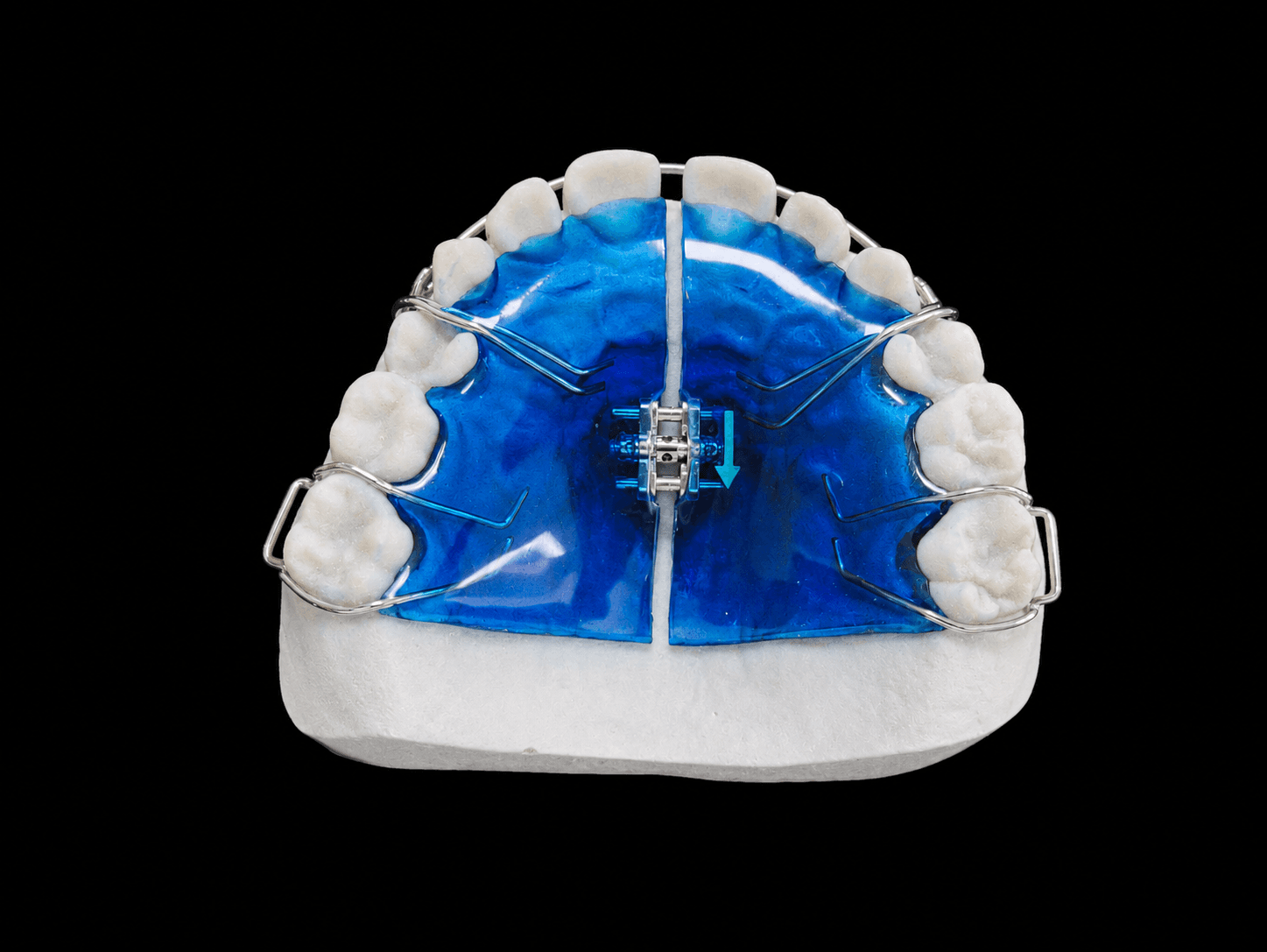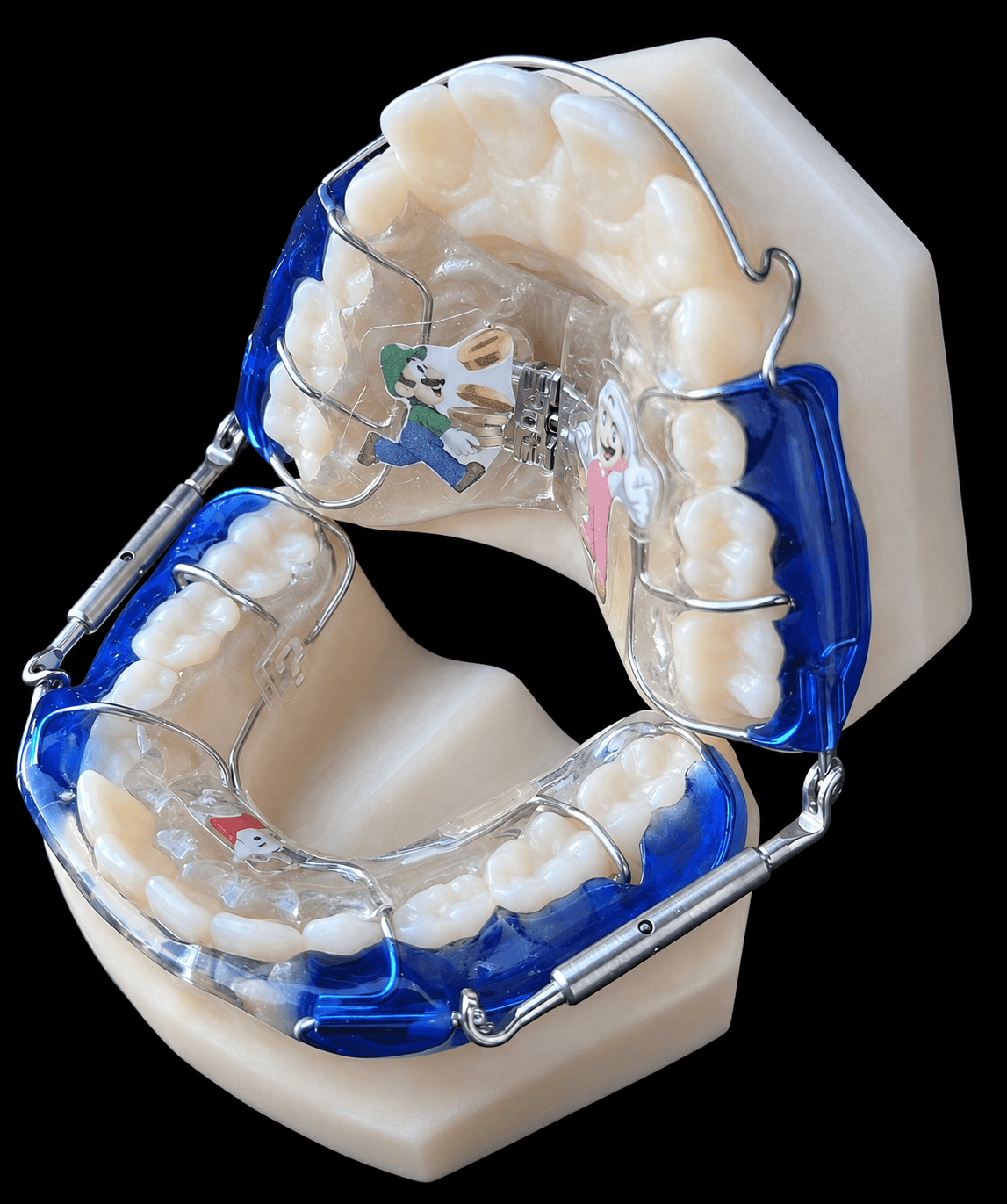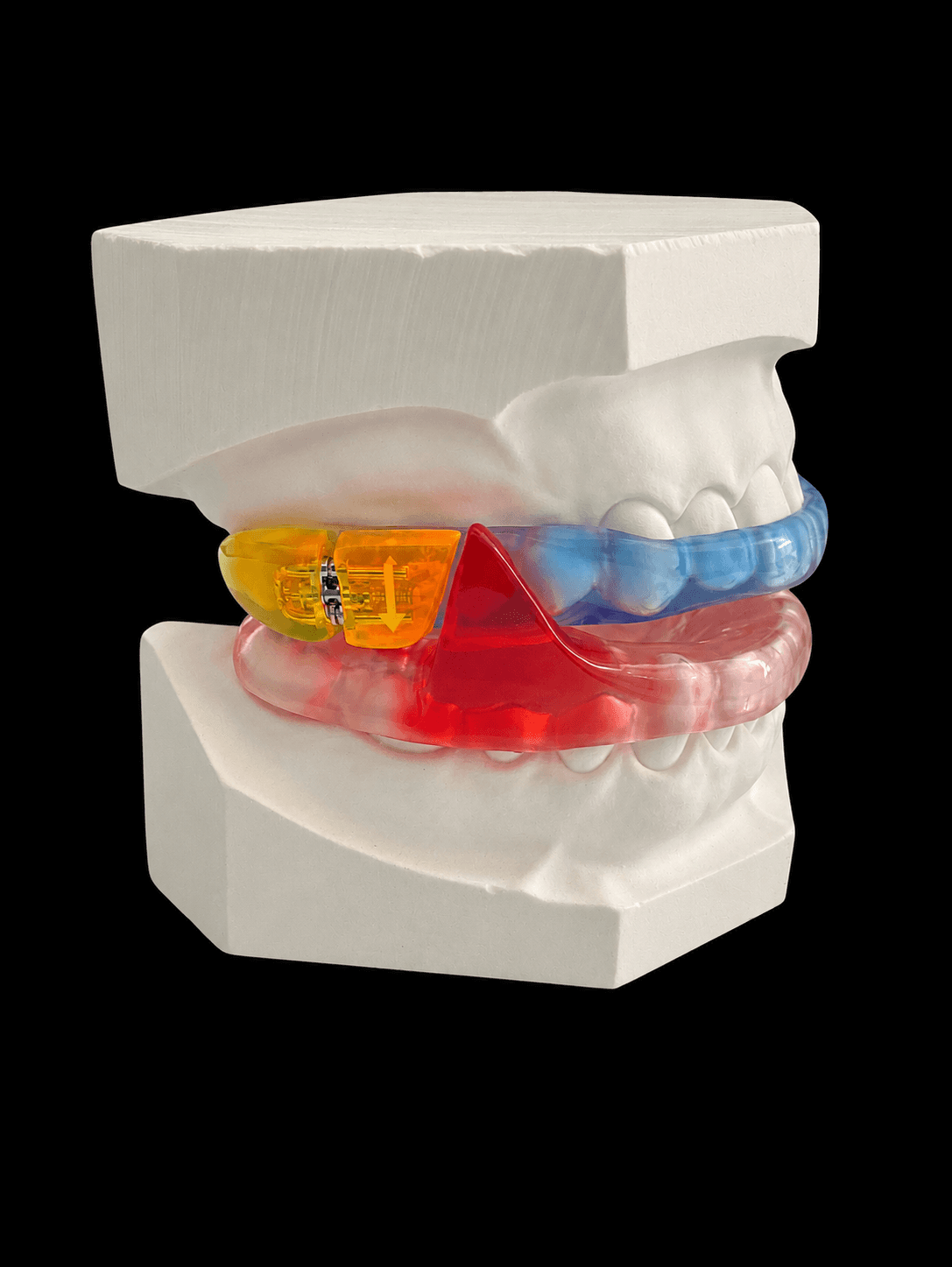
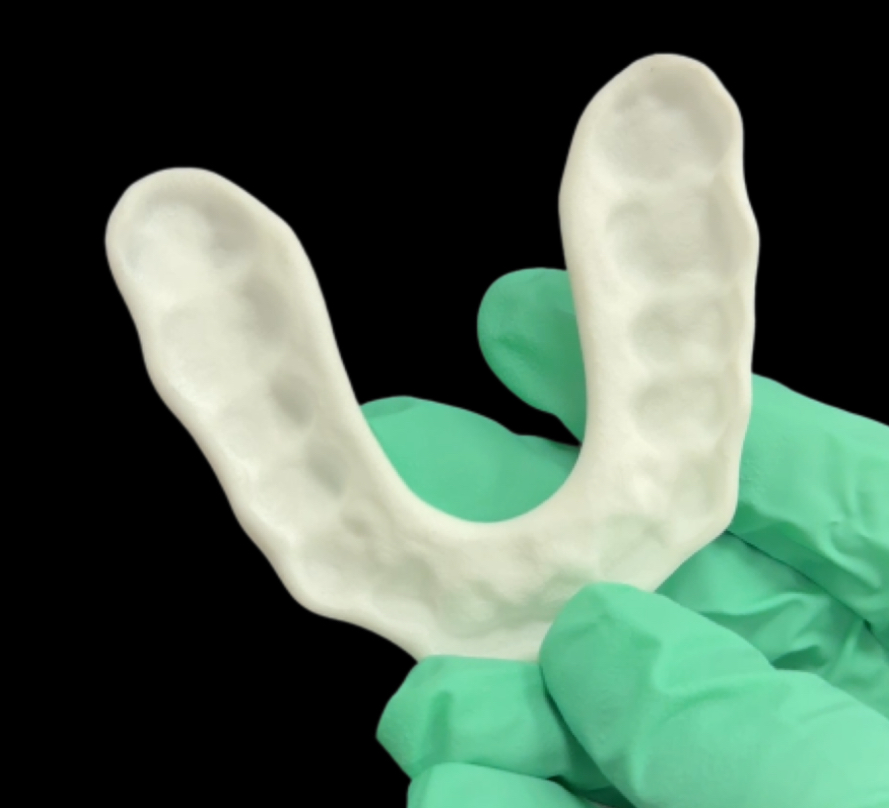
TheNylon Splint is a custom-made occlusal appliance fabricated from polyamide for a patient’s upper or lower dental arch. Times Dental Lab makes each splint to the prescribing dentist’s design instructions and case records. The dentist determines its clinical purpose, checks the fit and occlusal contacts, and sets the wearing and review schedule.
What Is a Nylon Occlusal Splint?
A nylon occlusal splint provides a prescribed contact surface between the dental arches. A dentist may select an occlusal splint when planning protection for teeth or restorations exposed to clenching or grinding forces. The design must reflect the patient’s dentition, opposing bite, and treatment objective.
“Nylon” identifies a material family; it does not, by itself, establish the splint’s thickness, flexibility, wear resistance, or suitability for every patient. These details depend on the selected material and appliance design.
Case Records and Design Instructions
What should you send to Times Dental Lab?
Please provide the prescription, accurate scans or impressions of both arches, and a bite record when required for the planned design. Specify the arch to be covered, extent of coverage, intended contact pattern, and any areas requiring relief or special attention.
Identify relevant crowns, veneers, implants, missing teeth, or other features that may affect retention and contact. Times Dental Lab will request clarification if the records or design instructions are incomplete.
How is the splint made?
Times Dental Lab fabricates the splint to the confirmed case design. Before dispatch, the appliance is checked against the approved order and case identification. The prescribing dentist assesses its fit, retention, and occlusal contacts in the patient’s mouth and makes any necessary clinical adjustments.
Clinical Use and Follow-Up
Is a nylon splint suitable for every patient?
No single splint design is suitable for every case. The dentist evaluates the patient’s teeth, restorations, periodontal condition, bite, and symptoms before selecting an appliance and material. A nylon splint should not be presented as a guaranteed treatment for bruxism or temporomandibular disorders.
When should the splint be reviewed?
The patient should follow the dentist’s instructions for wearing and cleaning the appliance. Fit, comfort, appliance wear, and changes in the bite should be reviewed as directed by the dentist.
Order a Custom Nylon Splint
Send Times Dental Lab the prescription, case records, and required design details for review and quotation. If a particular polyamide grade or fabrication method is required, state it in the order so the team can confirm availability before production.