
PFM Crown
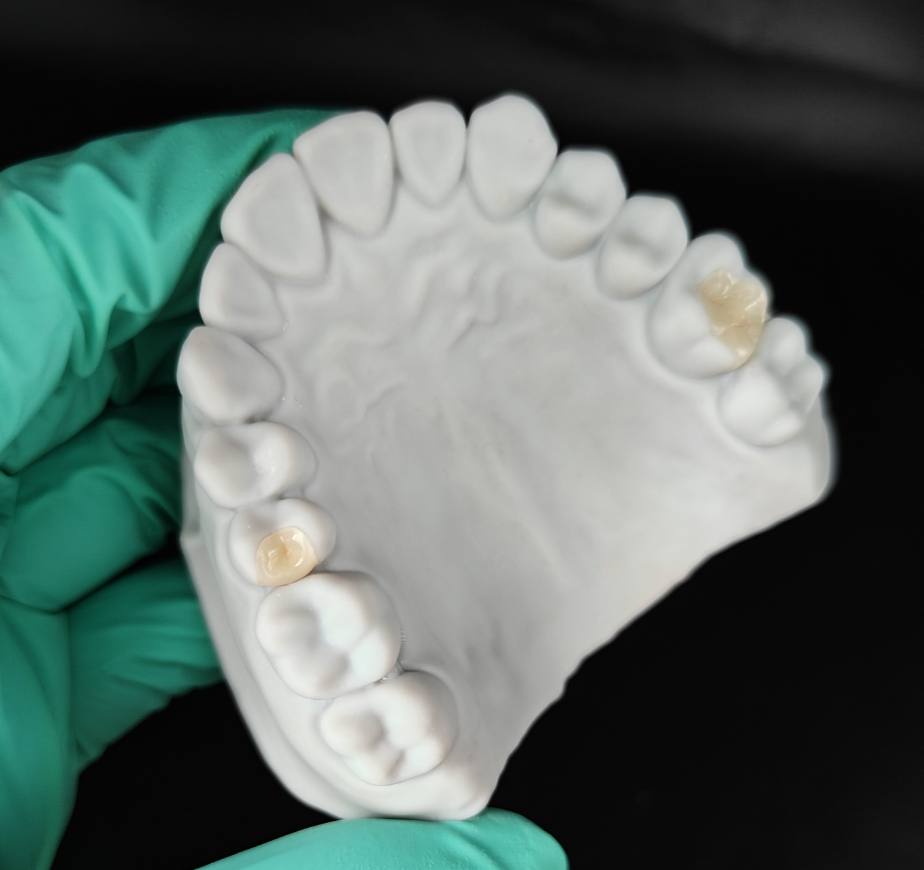
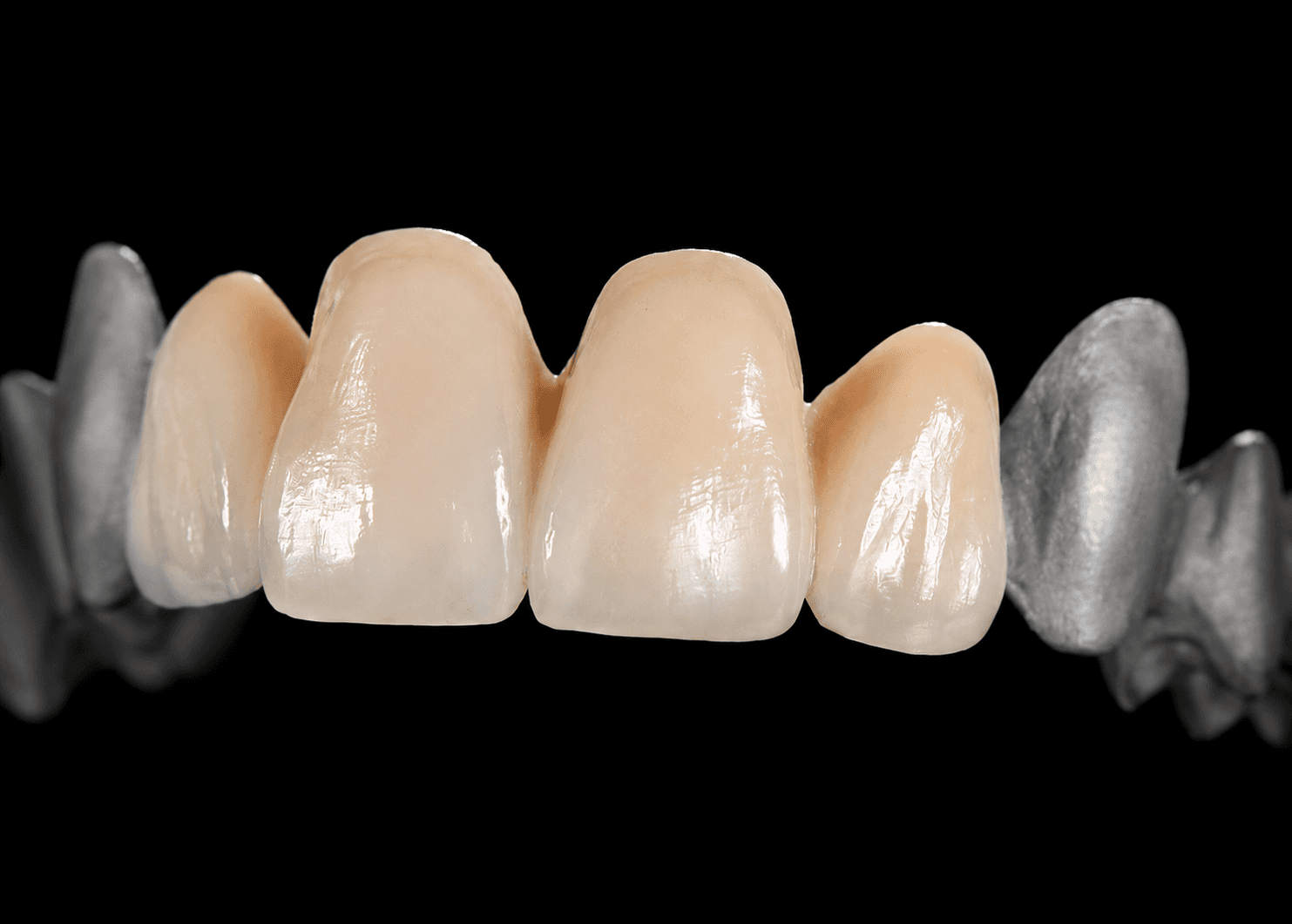
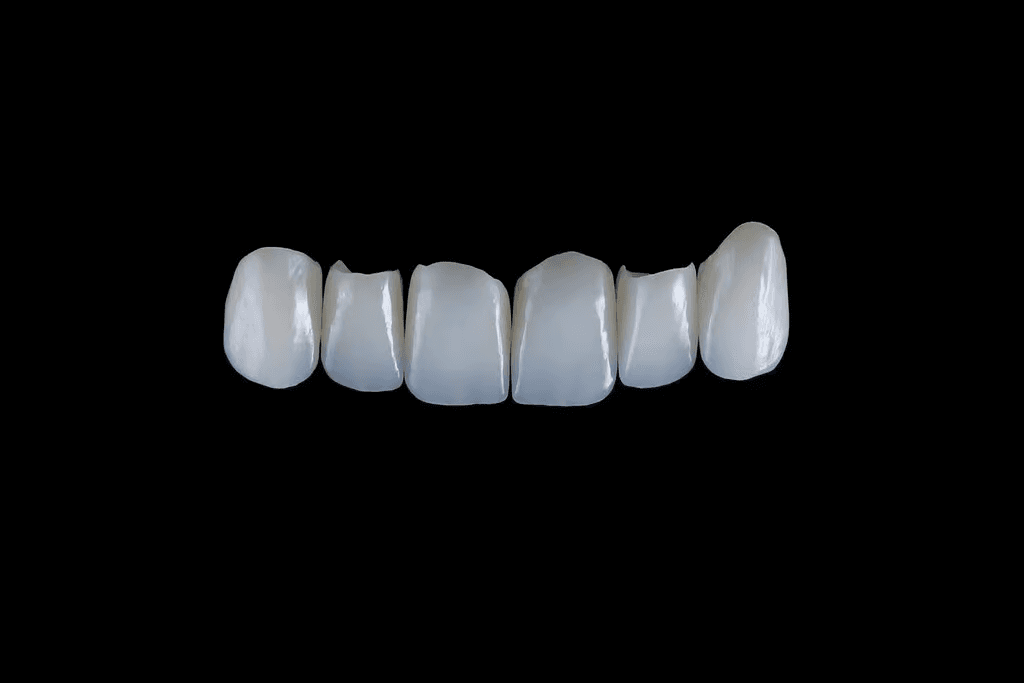
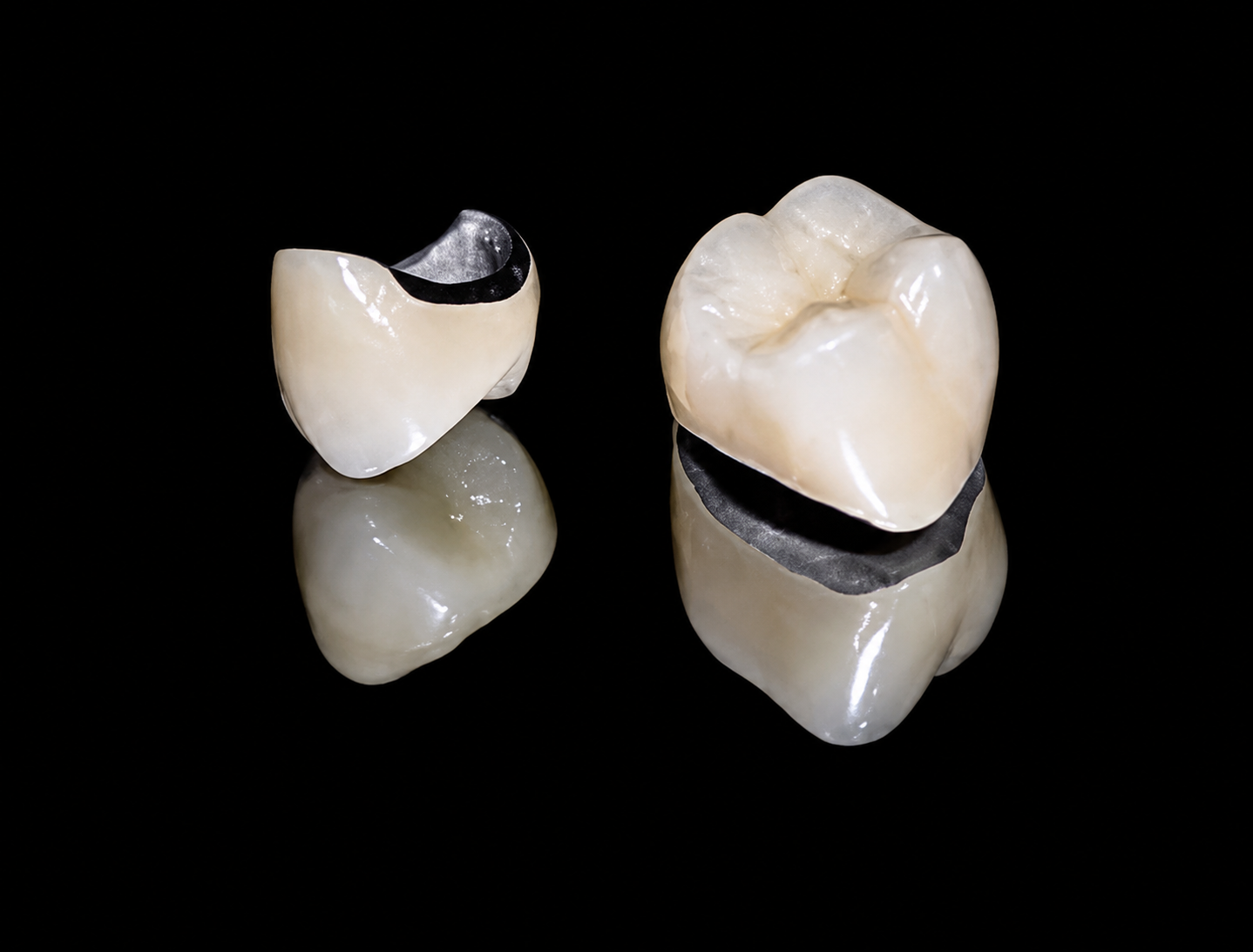
A porcelain-fused-to-metal (PFM) crown is a custom-made dental restoration that combines a metal substructure with an esthetic porcelain outer layer. The metal framework provides strength and support, while the porcelain veneer is designed to reproduce the color, shape, and surface appearance of a natural tooth. PFM crowns have long been used for fixed dental restorations where both functional durability and acceptable esthetics are required.
Clinical Application
PFM crowns may be used for anterior and posterior single crowns, short-span bridges within the manufacturer’s indicated limits, and selected implant-supported restorations. They are suitable for cases requiring a strong metal framework together with a tooth-colored ceramic surface. PFM restorations may be prescribed where functional demands, preparation design, available restorative space, and esthetic expectations support their use.
Indications
PFM crowns may be indicated for teeth with extensive caries, large defective restorations, fractures, severe wear, endodontic treatment, or insufficient remaining tooth structure for a partial-coverage restoration. They may also be suitable for posterior teeth with moderate-to-high functional loading, anterior teeth requiring a porcelain-facing surface, and bridge cases where an appropriate metal framework design is indicated.
Material Characteristics
A PFM crown consists of a prescribed dental metal alloy framework covered with compatible dental porcelain. The metal framework provides structural strength and support, while the porcelain veneer allows shade selection, translucency adjustment, surface characterization, and tooth-colored esthetics. Final appearance may vary according to the selected alloy, porcelain system, framework design, porcelain thickness, shade, staining, glazing, cement color, and the underlying tooth or abutment color.
Relative Contraindications
PFM crowns should be carefully evaluated in cases with limited restorative space, insufficient porcelain support, high esthetic demands requiring maximum translucency, known sensitivity or allergy to components of the prescribed alloy, or uncontrolled severe bruxism. Caution is also advised where extensive porcelain coverage would be exposed to excessive functional loading, where margin display may be an esthetic concern, or where a monolithic zirconia or all-ceramic restoration may be more clinically appropriate.
Design Considerations
The preparation should provide adequate occlusal and axial clearance for both the metal framework and porcelain veneer. Use smooth, rounded internal line angles and a clearly defined finish line appropriate for the selected PFM design. Avoid sharp angles, unsupported porcelain areas, insufficient framework support, and abrupt changes in porcelain thickness. Occlusal contacts should be planned to reduce excessive loading on porcelain surfaces. For bridge restorations, connector dimensions and framework design should follow the manufacturer’s instructions and laboratory requirements.
Instructions for Use
Provide accurate digital scans or conventional impressions, tooth numbers, prescribed alloy, shade information, photographs, occlusal instructions, and any specific esthetic requirements. The laboratory designs and fabricates the metal framework, applies the porcelain veneer, and completes firing, staining, glazing, and polishing according to the selected system. Before final delivery, the treating clinician should verify internal seating, marginal fit, proximal contacts, shade, surface texture, occlusion, and overall clinical adaptation. Cementation should be completed using a clinically appropriate protocol compatible with the preparation design and restoration system.
Handling and Storage
Handle PFM crowns carefully to prevent porcelain chipping, scratching, contamination, or damage before clinical delivery. Store restorations in a clean, dry, and protected environment. Avoid excessive force during try-in and adjustment. If adjustment is required, use appropriate fine instruments and polish adjusted porcelain and metal surfaces thoroughly according to the material manufacturer’s recommendations.
Case Planning
Each PFM crown should be prescribed by a qualified dental professional after reviewing the patient’s oral condition, remaining tooth structure, functional requirements, esthetic expectations, occlusion, available restorative space, and treatment plan. The final framework design, alloy selection, porcelain design, shade, margin configuration, occlusal form, and cementation approach should be determined according to the individual case information provided by the prescribing clinician.
Laboratory and Quality Context
Times Dental Lab supports digital design and structured laboratory production for PFM crowns, bridges, implant-supported restorations, and other custom fixed dental prostheses. Each restoration is manufactured according to the submitted prescription, approved design, selected alloy and porcelain system, and applicable laboratory production procedures. Final product selection remains subject to the clinical requirements and instructions provided for the individual case.
Professional Use Statement
Product images, material descriptions, and technical information are intended for professional reference only. The treating clinician remains responsible for diagnosis, treatment planning, tooth preparation, material selection, final fit assessment, occlusal adjustment, cementation, and clinical use of the restoration.