Short Answer
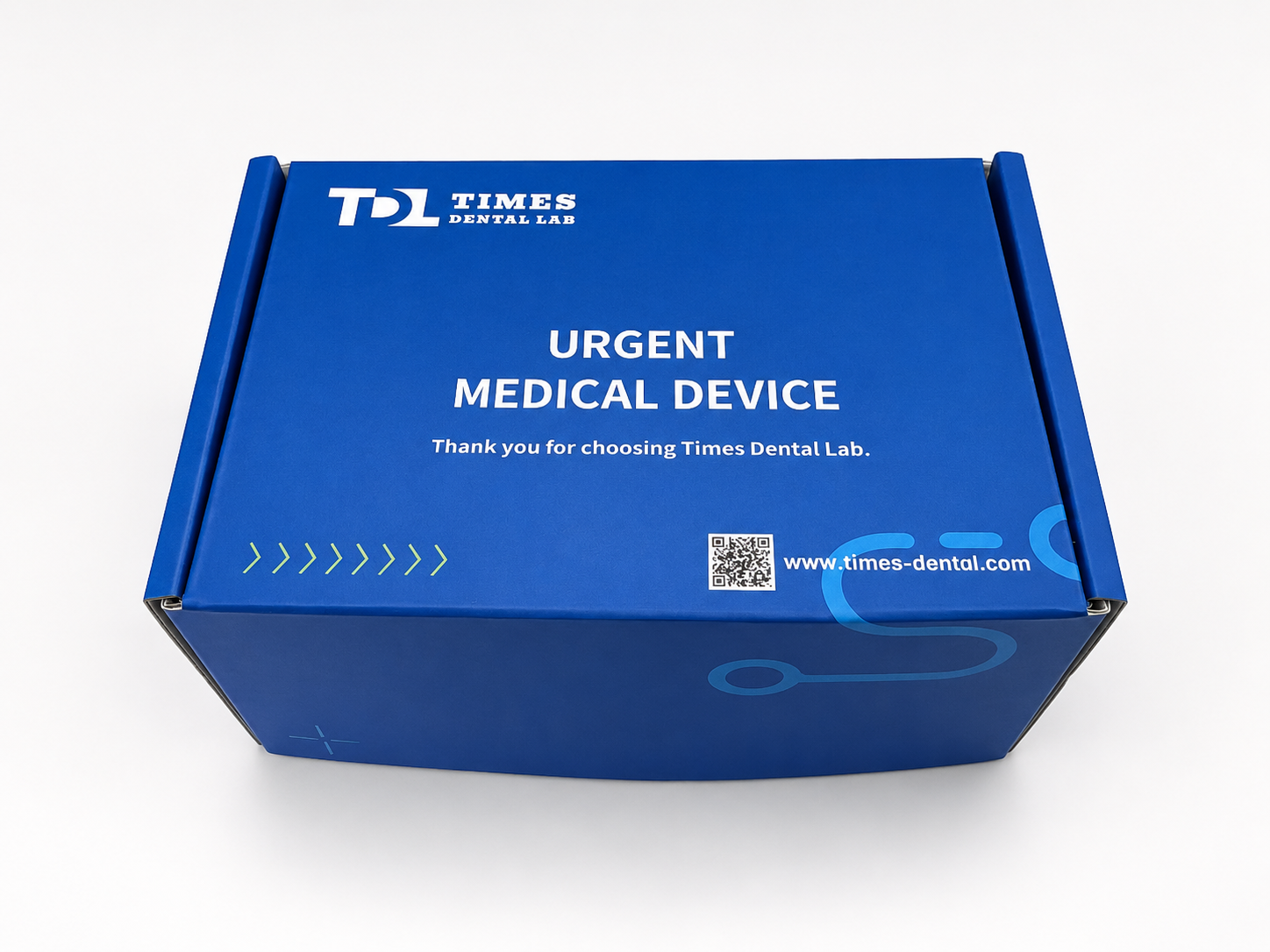
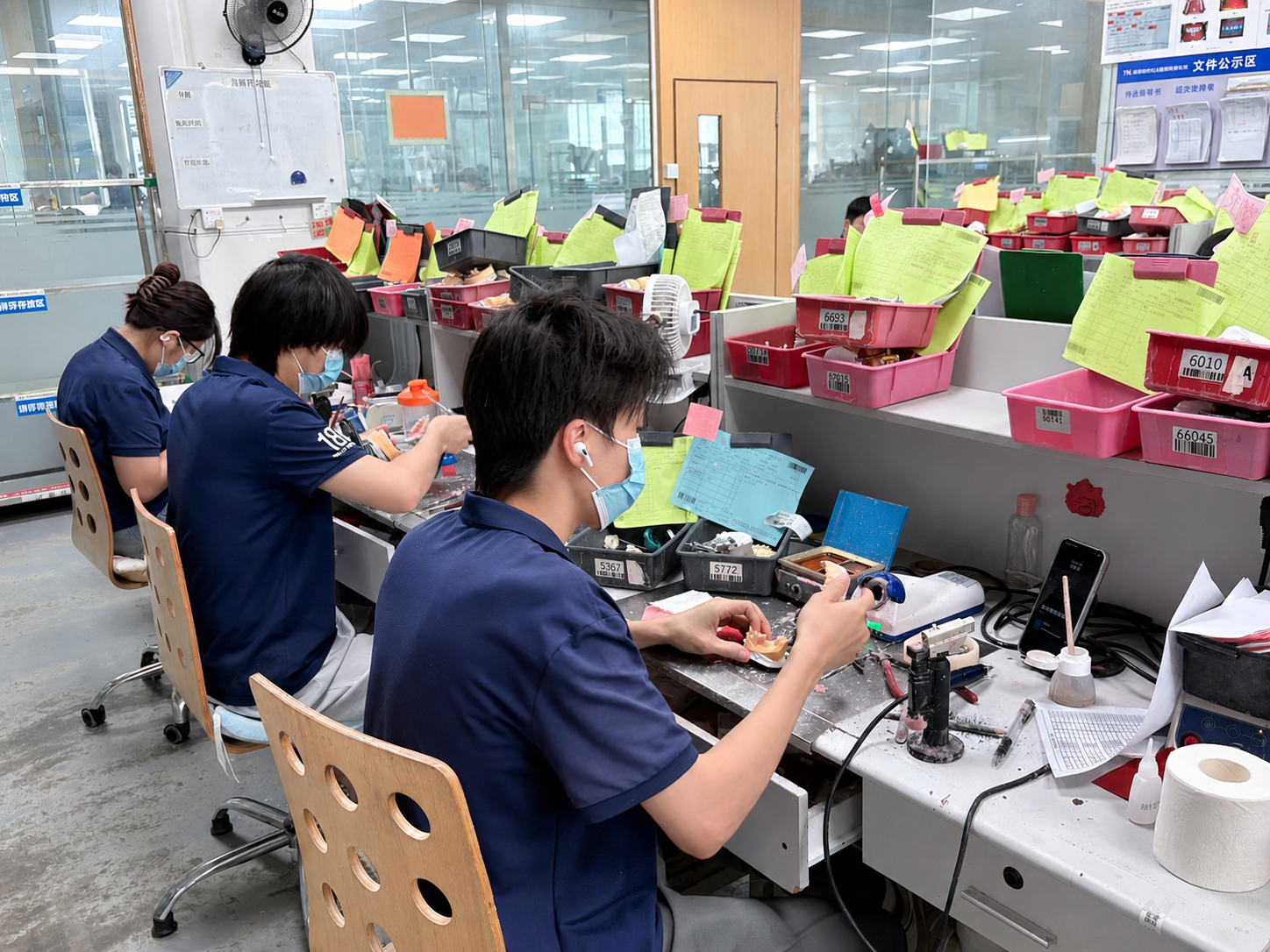
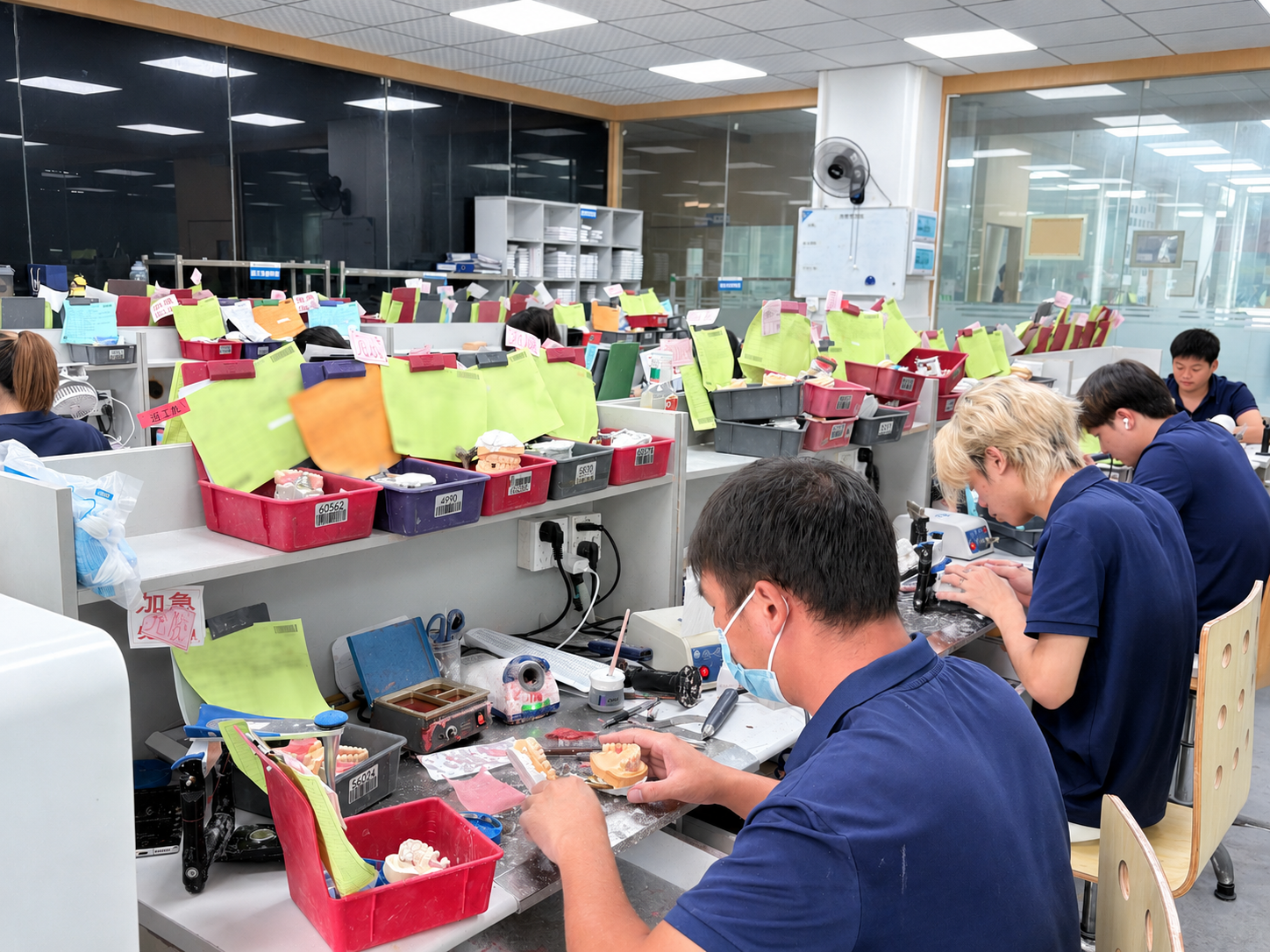
Quality control in China dental lab outsourcing should begin before production and continue through digital case review, product-specific manufacturing checkpoints, final inspection, packing, shipment, and feedback. Times Dental Lab is a full-service dental laboratory in Shenzhen, China, supporting overseas dental laboratories and clinics with fixed restorations, implant restorations, removable prosthetics, orthodontic appliances, and digital design support.
For overseas buyers, a good QC system is not only about checking the final restoration. It is a structured workflow that reduces uncertainty from the first case message to the finished product.
Why Quality Control Matters in a China Dental Lab
Many overseas clinics and dental laboratories consider dental lab outsourcing in China because they need stable production capacity, broader product support, digital workflow flexibility, and competitive manufacturing options. But the success of outsourcing depends on whether the lab can control quality across repeated cases.
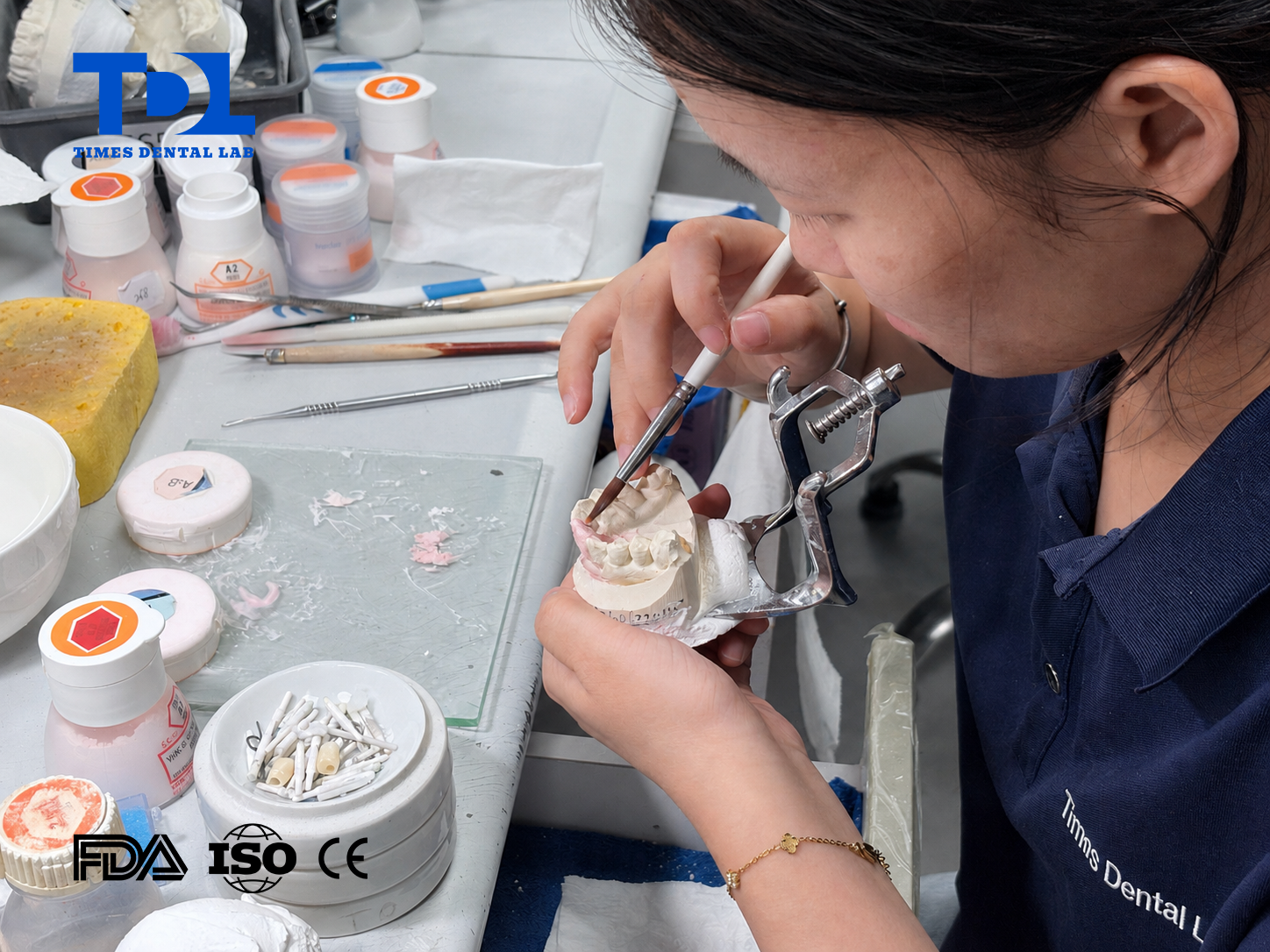
A reliable China dental lab should not rely on final inspection alone. Quality control should appear in case intake, technical review, digital file handling, material confirmation, production checkpoints, final fit and appearance review, packing, and after-delivery feedback.
Buyers can review the About Times Dental Lab page to understand the company's background as a full-service dental laboratory based in Shenzhen.
Quality Control Starts Before Production
From a manufacturing perspective, many dental lab problems begin before production starts. The prescription may be incomplete, the scan file may need clarification, the implant system may not be specified, or shade expectations may be unclear. A structured QC system should identify these issues early.
Before a case enters production, a reliable lab should review:
· case type and product category
· prescription details and design notes
· digital files, STL files, photos, scans, or physical case materials
· shade, esthetic, bite, and occlusion information where relevant
· implant system, scan body, platform, or component information where applicable
· material selection and any case-specific requirements
For first-case preparation, buyers can use the How to Start / Sending A Case page to organize the information that helps case review and production planning.
Quality Control Across a Full-Service Dental Lab
Times Dental Lab should be understood as a full-service dental lab, not a single-product supplier. That matters for quality control because different product categories require different checks. The QC process for a zirconia crown is not the same as the review process for a removable partial denture, an implant case, or an orthodontic appliance.
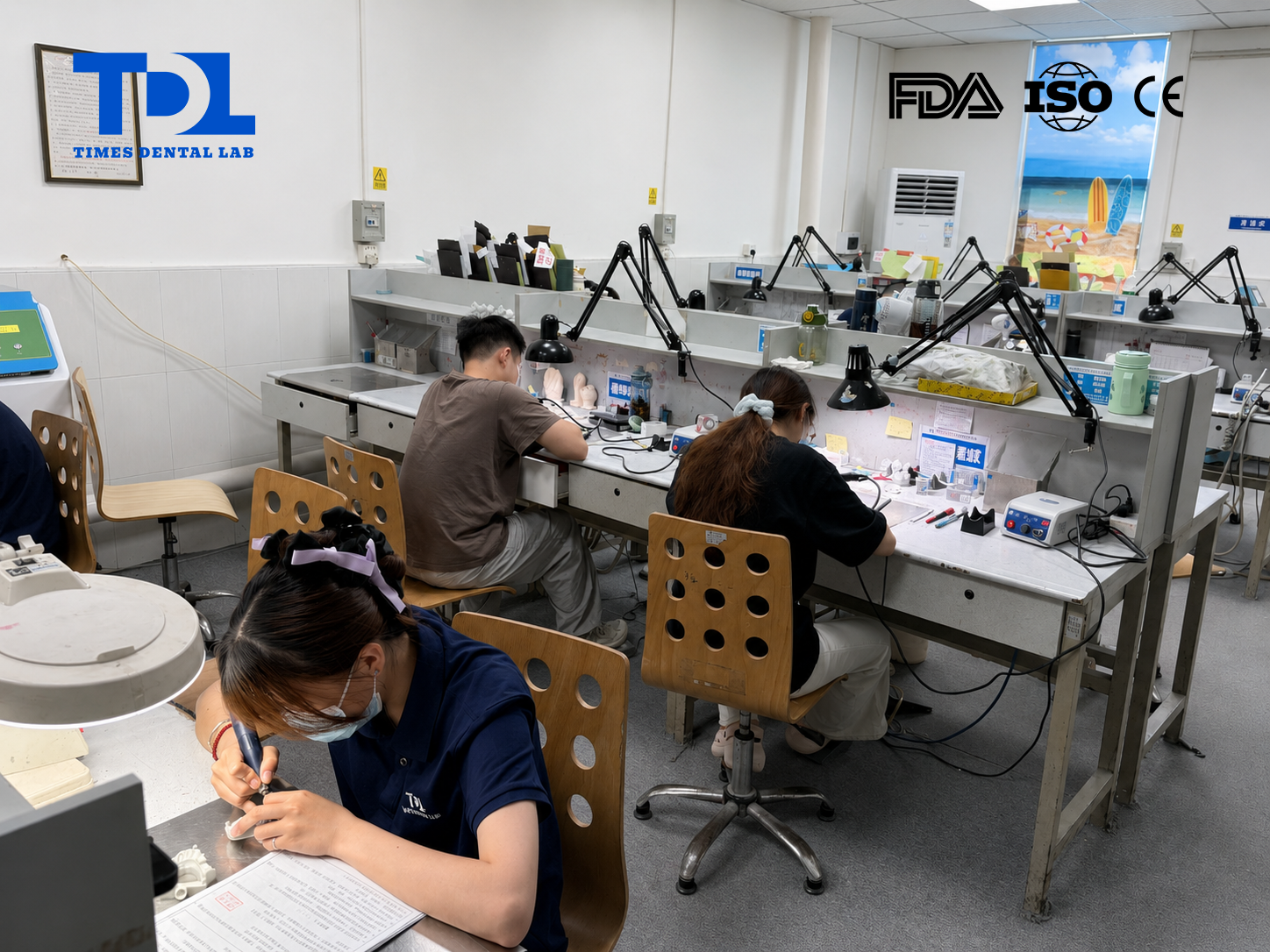
A full-service dental lab QC system should cover category-specific concerns such as:
· Crowns and bridges: margin fit, contact, occlusion, shade, contour, and material selection.
· Implant restorations: implant system information, scan body data, emergence profile, screw access, passive fit, and component compatibility.
· Removable prosthetics: bite registration, tooth setup, clasp design, framework fit, base extension, and esthetic approval.
· Orthodontic appliances: wire design, acrylic coverage, fit, retention, thickness, and appliance instructions.
· Digital design support: file completeness, design notes, occlusion, material constraints, and communication before manufacturing.
Buyers comparing product scope can review the Times Dental Lab Products & Services page to see how the lab's full-service scope supports different case categories.
Digital Workflow and QC Documentation
Digital workflow can improve dental lab quality control when the process is organized. Digital submission makes it easier to review scans, STL files, bite records, design requirements, and photos before production. However, digital workflow only works well when the lab has a clear method for checking whether the case package is complete.
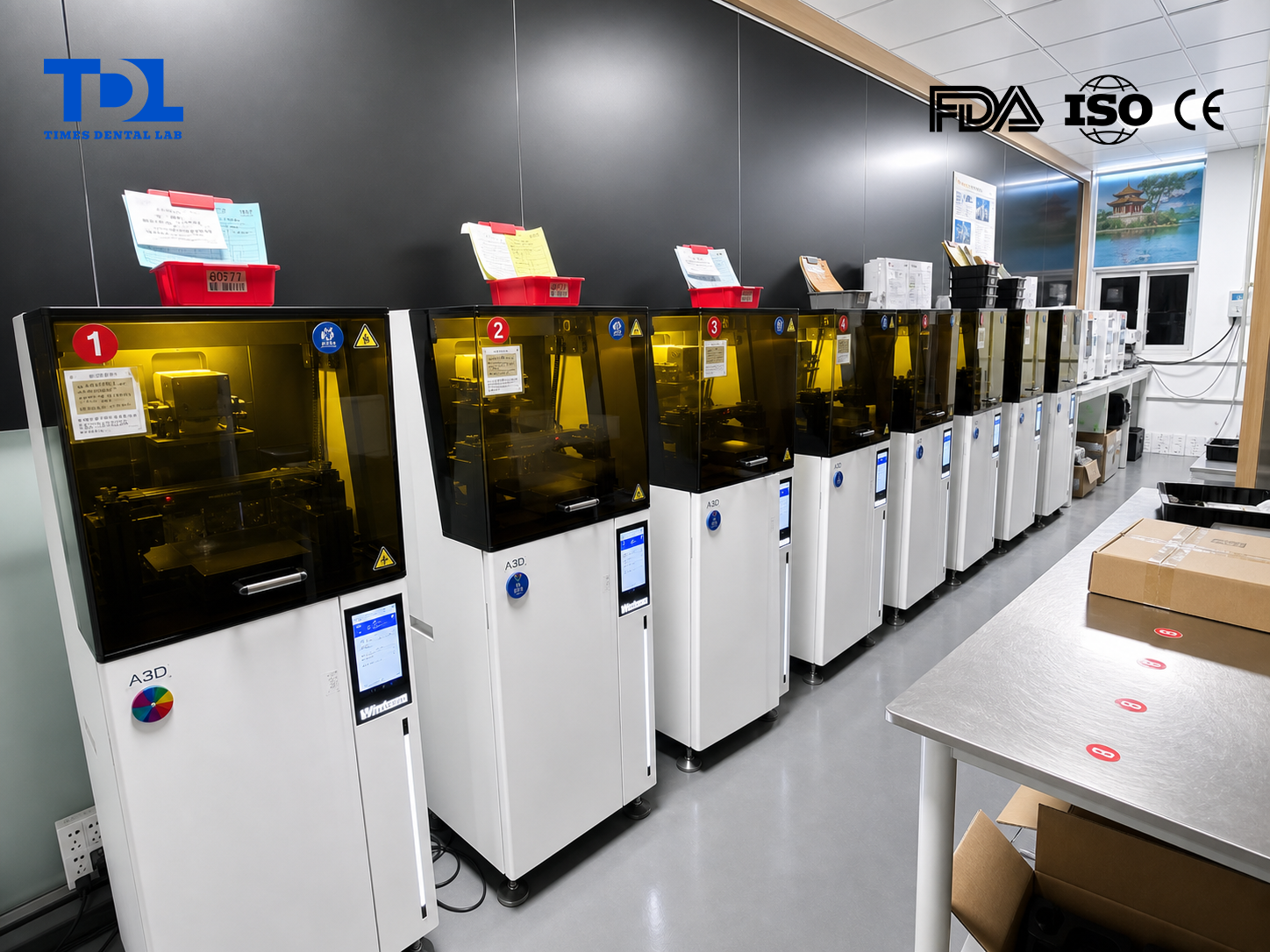
A practical digital QC workflow should include:
· file receipt and case information review
· technical clarification before production
· CAD or design review where applicable
· manufacturing preparation based on confirmed information
· product-specific inspection before shipment
· clear communication when feedback or correction is needed
For dental laboratory technology context, Inside Dental Technology can be used as a trade-media reference for digital dental production trends and lab workflow discussion.
Certification and Registration Support the QC Story
Certification and registration documents do not replace daily production checks, but they help buyers understand whether a lab has formal quality-management and registration references.
Times Dental Lab has several trust references that can support buyer evaluation:
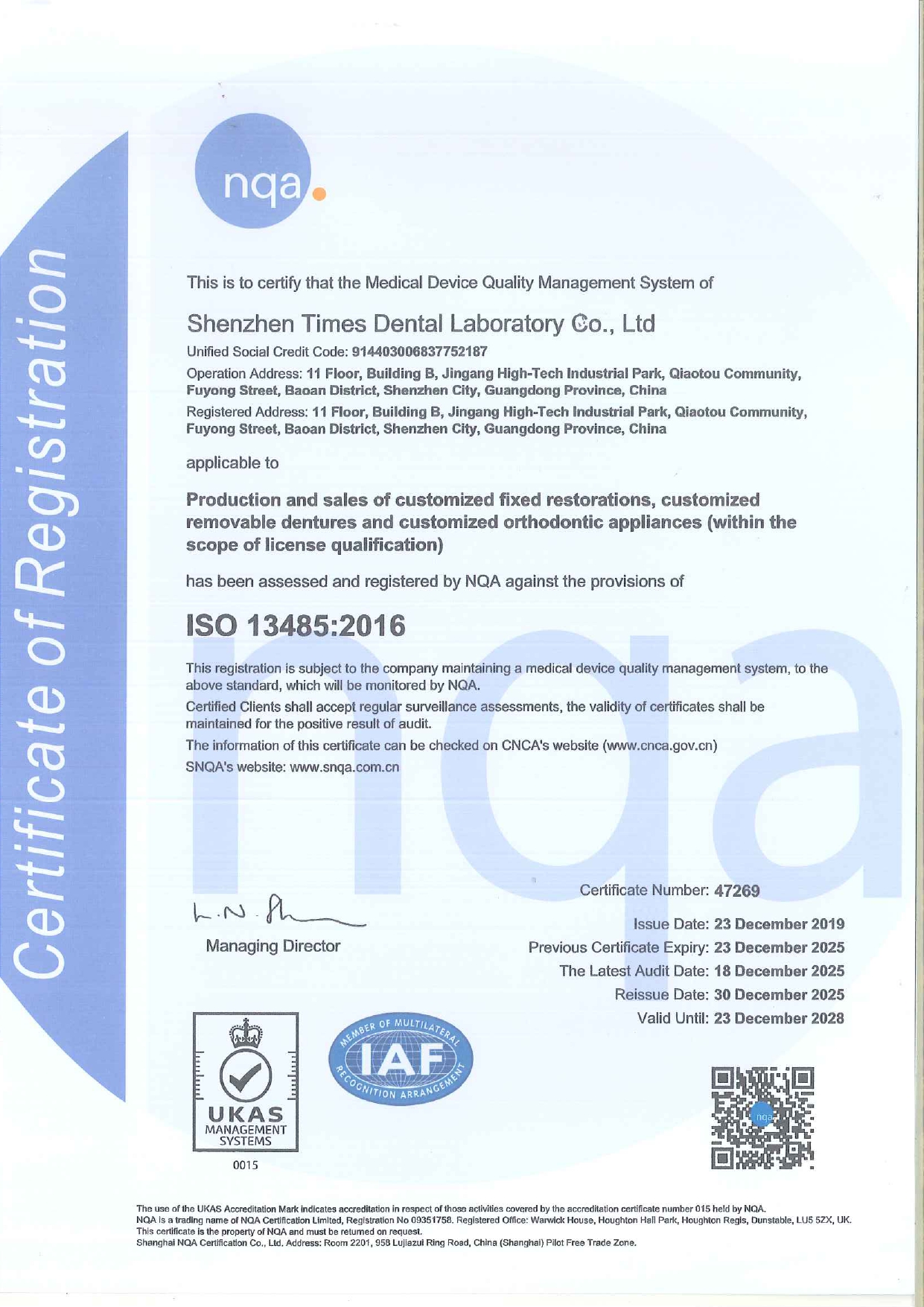
· ISO 13485:2016 registration: NQA certificate number 47269 for Shenzhen Times Dental Laboratory Co., Ltd..
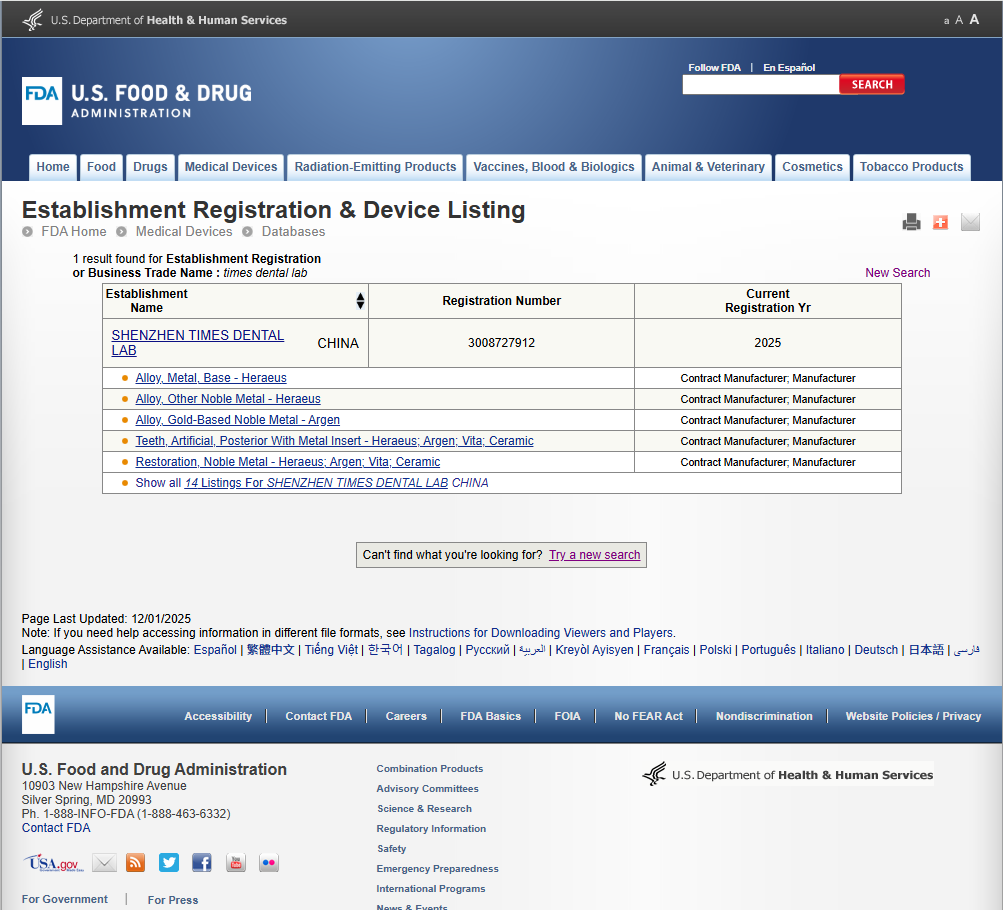
· FDA establishment registration: FDA Establishment Registration & Device Listing record for SHENZHEN TIMES DENTAL LAB, China, registration number 3008727912.
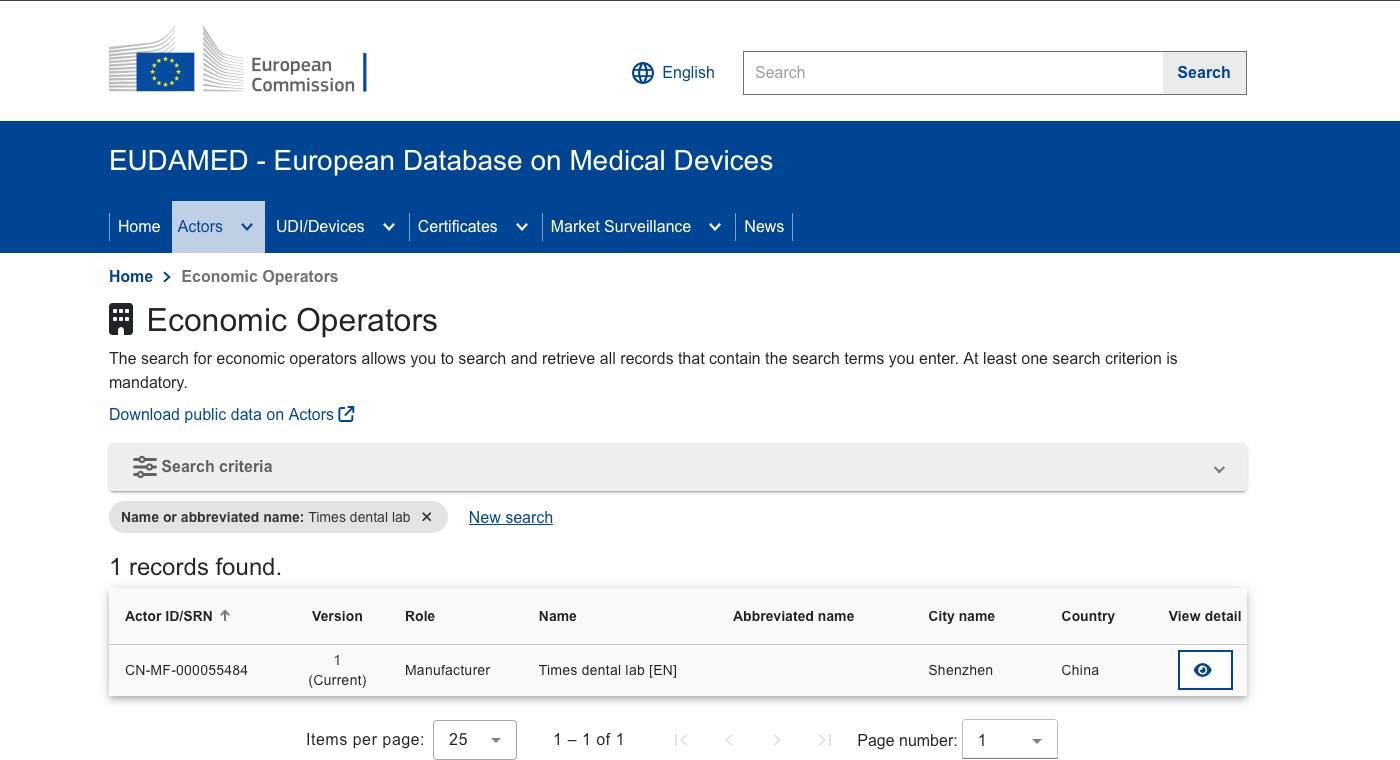
· EUDAMED manufacturer record: EUDAMED economic operator record showing Times dental lab [EN] as Manufacturer in Shenzhen, China, Actor ID/SRN CN-MF-000055484.
These references should be described accurately. FDA establishment registration should not be called FDA approval. EUDAMED actor information should be described as a manufacturer or economic operator record, not as a blanket product approval.
For context, buyers can review the ISO 13485:2016 standard, FDA device registration and listing, and U.S. FDA dental devices resources when evaluating registration and quality-management language.
Communication Is Part of Quality Control
Quality control is not only a laboratory bench process. It also depends on communication. If a buyer sends incomplete case information and the lab does not ask questions, the risk moves into production. A reliable China dental lab should communicate early, clearly, and technically.
Strong QC communication includes:
· confirming missing details before production
· asking case-specific technical questions
· clarifying material, shade, implant, or appliance requirements
· providing practical feedback instead of vague promises
· following up after delivery when feedback is needed
For wider dental laboratory industry context, buyers may review the National Association of Dental Laboratories when comparing how labs communicate professionalism and technical expectations.
Turnaround Time Should Be Controlled, Not Overpromised
Turnaround time is important, but quality control suffers when speed is promised without checking case complexity. A reliable dental lab should separate production time, clarification time, and shipping time. Complex implant cases, removable cases, and esthetic cases may require more review than simple repeat work.
A better question is not simply, 'How fast can you make it?' A better question is, 'When does the production timeline start, and what information must be confirmed first?'
This is why case review and communication are part of turnaround control. Predictable timelines begin with complete information.
Quality Control Checklist for Choosing a China Dental Lab
· Does the lab review case information before production?
· Can the lab explain QC by product category?
· Does the lab support both digital and physical case workflows?
· Are missing details clarified before manufacturing begins?
· Are material and product requirements confirmed clearly?
· Does the lab have formal quality-management references such as ISO 13485?
· Is FDA registration described accurately, without overstating it as approval?
· Does communication reduce uncertainty across repeated cases?
· Is final inspection part of the workflow before shipment?
· Can the buyer start with a trial order before larger volume?
How Times Dental Lab Supports Quality Control
At Times Dental Lab, quality control is connected to the full production workflow: case review, digital file handling, product-specific manufacturing checks, final inspection, packing, and feedback. This structure helps overseas dental laboratories and clinics evaluate Times not only as a China dental lab, but as a full-service dental lab partner.
Times Dental Lab supports fixed restorations, implant restorations, removable prosthetics, orthodontic appliances, and digital design support. This broad service scope is important because a full-service outsourcing relationship depends on consistent QC across different case types.
If you are comparing quality control in China dental lab outsourcing, prepare your case type, files, product category, quality expectations, and main technical questions. Then contact Times Dental Lab to discuss whether a first case or trial order is the right next step.
FAQ
What does quality control in China dental lab outsourcing include?
Quality control should include case review, digital file checking, technical clarification, product-specific production checks, final inspection, packing review, and feedback after delivery.
Why is Times Dental Lab considered a full-service dental lab?
Times Dental Lab supports fixed restorations, implant restorations, removable prosthetics, orthodontic appliances, and digital design support for overseas dental laboratories and clinics.
Why does quality control start before production?
Many case problems begin with incomplete information, unclear files, missing implant details, or unclear shade instructions. Early review helps prevent these problems before manufacturing starts.
Is ISO 13485 relevant to dental lab quality control?
Yes. ISO 13485 relates to quality management systems for medical devices. It does not replace daily production QC, but it supports buyer confidence in the lab's quality-management structure.
Should buyers start with a trial order?
Yes. A trial order helps buyers evaluate communication, case review, production workflow, final quality, packing, and follow-up before sending larger case volume.