
Tooth decay, also known as cavities or tooth decay, is a common dental problem that can cause pain, discomfort, and even tooth loss if left untreated. Understanding the causes and treatments of tooth decay is crucial for maintaining oral health. This article will explore the causes of tooth decay, discuss methods for prevention, and introduce available treatment options. Furthermore, we will answer related questions such as "Why do teeth decay?" and "Can teeth decay be repaired?", providing comprehensive information to help readers make informed oral care decisions.
Tooth decay is caused by a combination of factors, including plaque buildup, bacterial activity, and acidic substances, which damage the outer layer of teeth (enamel). These factors combine to create an environment conducive to tooth decay, ultimately leading to cavities. Contributing factors include poor oral hygiene, excessive sugar intake, and insufficient fluoride intake. Understanding the causes of tooth decay is crucial for taking effective preventative measures.
The key to preventing tooth decay lies in maintaining good oral hygiene habits, including regular brushing and flossing, and reducing the intake of sugary and acidic foods and drinks. In addition, professional dental cleanings and fluoride treatments also play a crucial role in preventing tooth decay. By addressing the root causes and taking preventative measures, people can reduce their risk of tooth decay and maintain optimal oral health.
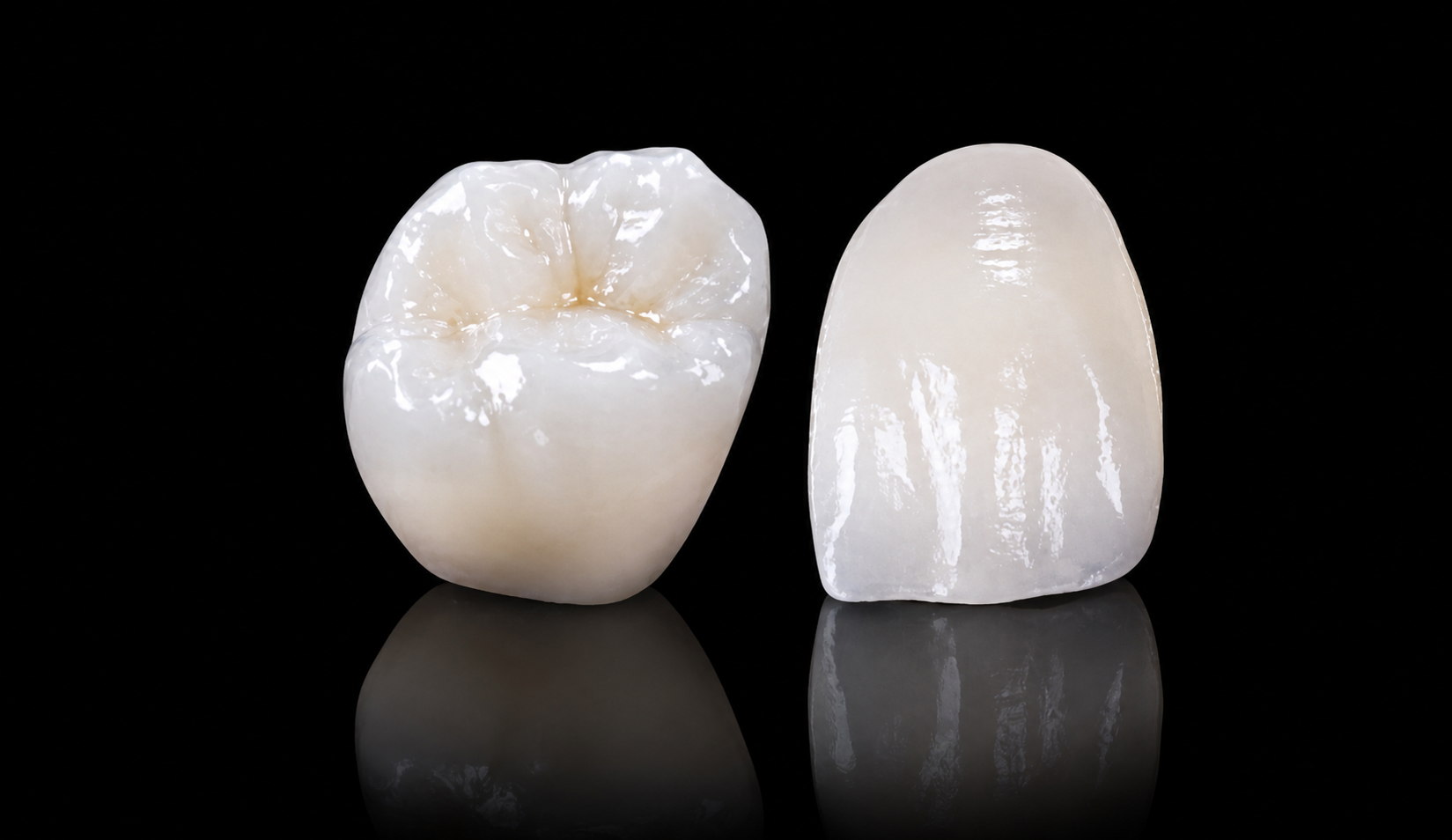
There are several options for treating tooth decay, depending on its severity. These options include fillings, crowns, root canals, or, in severe cases, extraction. You should seek medical attention as soon as you experience symptoms such as tooth sensitivity, pain, or visible cavities. Delaying treatment can lead to more serious complications and even eventual tooth loss.
In short, tooth decay is a common oral health problem that requires understanding its causes, taking preventative measures, and seeking timely treatment. By understanding "why tooth decay occurs" and "can tooth decay be repaired," people can take proactive steps to maintain oral health. Whether through preventative measures or seeking professional treatment, prioritizing oral hygiene is crucial for maintaining a healthy and radiant smile.
Understanding Tooth Decay: Causes, Prevention, and Treatment
- Case Studies
Posted by Finn Li
Categories
Featured Blogs
No blog for now
Tag:
- Company team building
Share On
Related Blogs

Copying an Existing Crown Shape What Partners Should Send Before Production
Learn which scans, photographs and instructions help Times Dental Lab review an existing crown shape as a reference for a replacement restoration.
Denture Repair, Reline, Rebase or Remake? A Guide for Dental Clinics
A practical guide for dental clinics explaining when a denture may need repair, reline, rebase or remake, what records the lab needs, and how Times Dental Lab reviews guarantee-related requests.
How Dental Labs Prevent Zirconia Crown Fractures
Preventing zirconia crown fractures is not only about knowing why fractures happen. It requires a documented dental laboratory workflow: case intake review, risk classification, CAD rule checks, material confirmation, production records, sintering and finishing notes, occlusal verification, client communication, and pre-shipment QC sign-off.