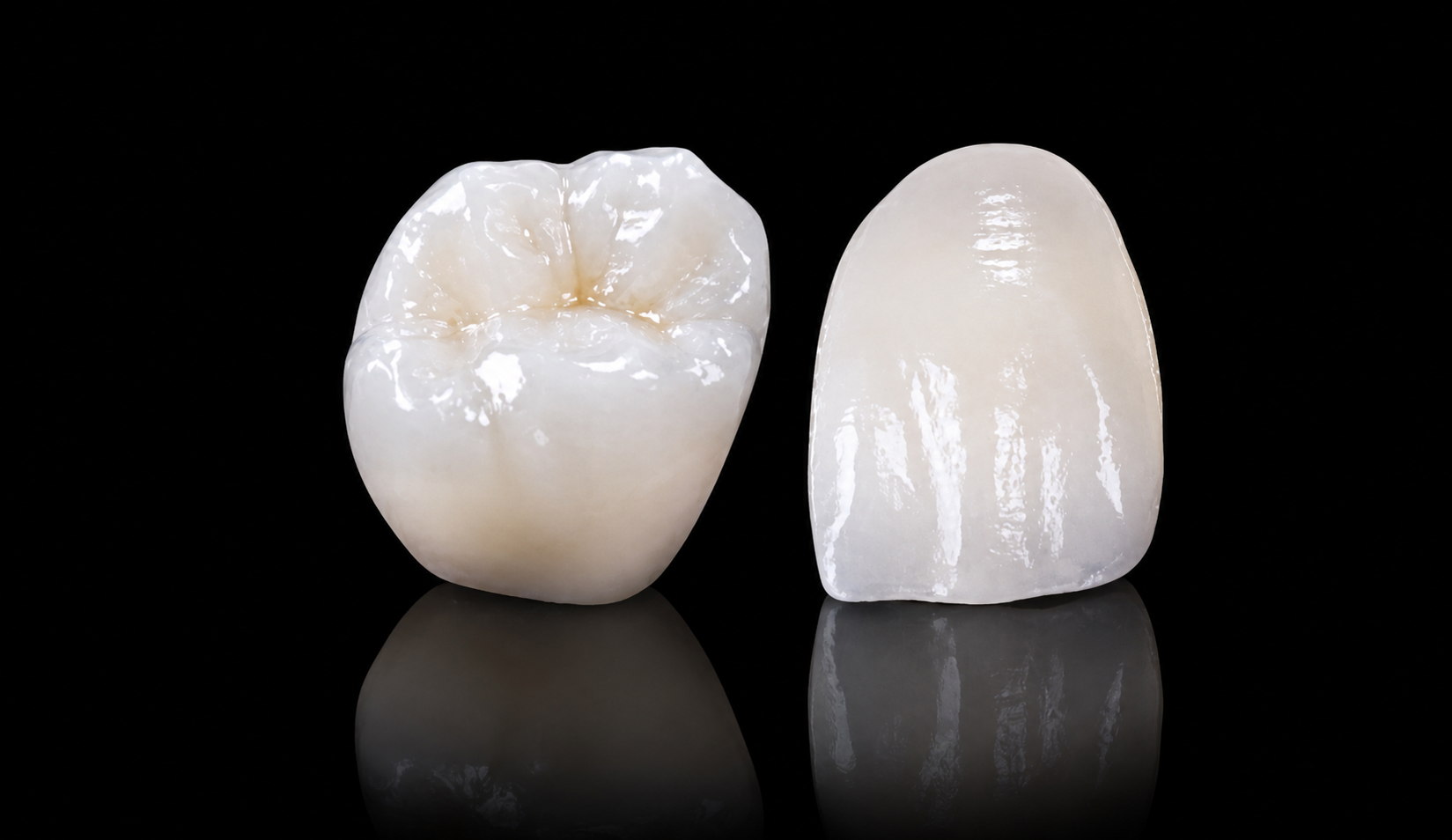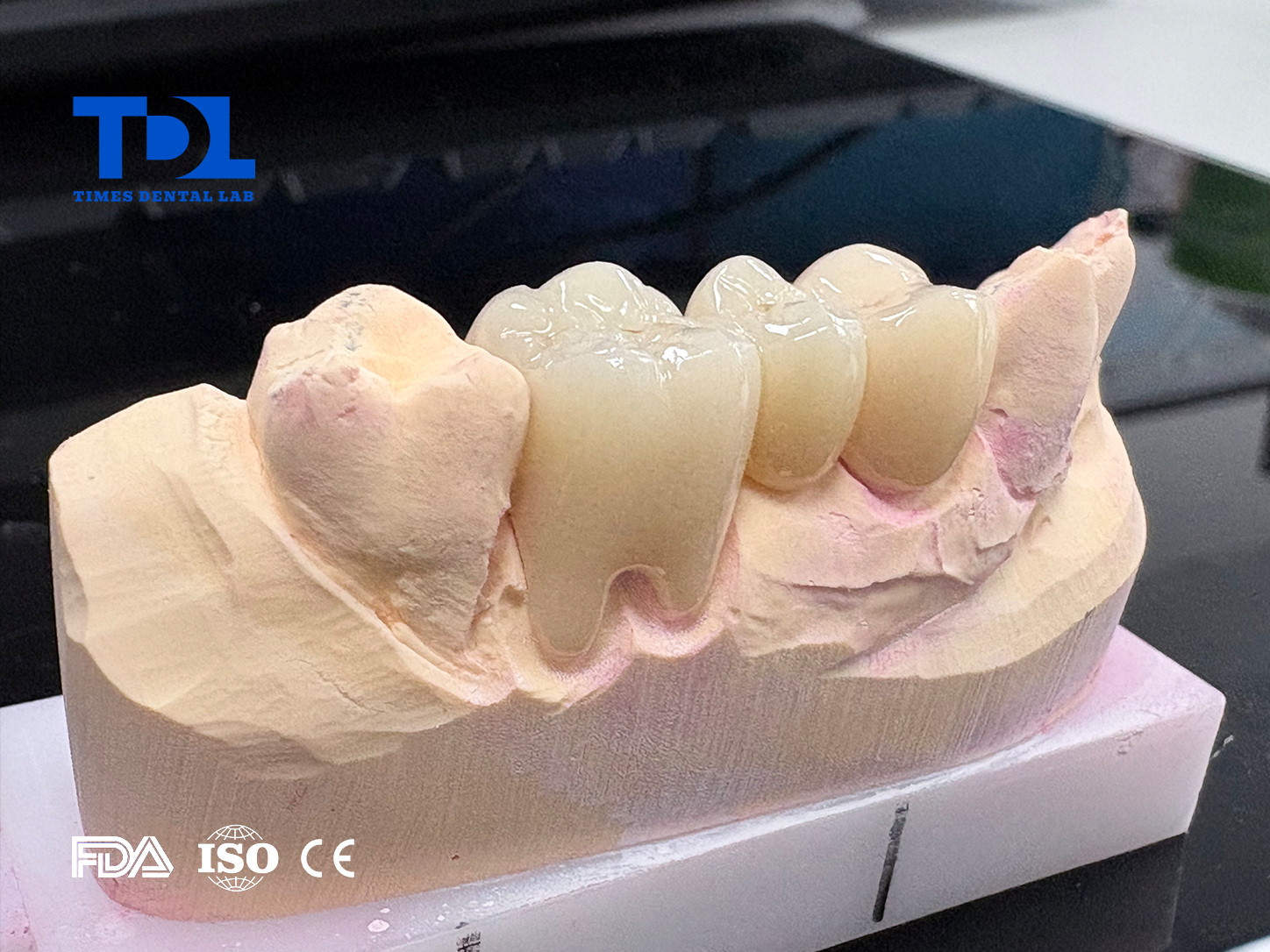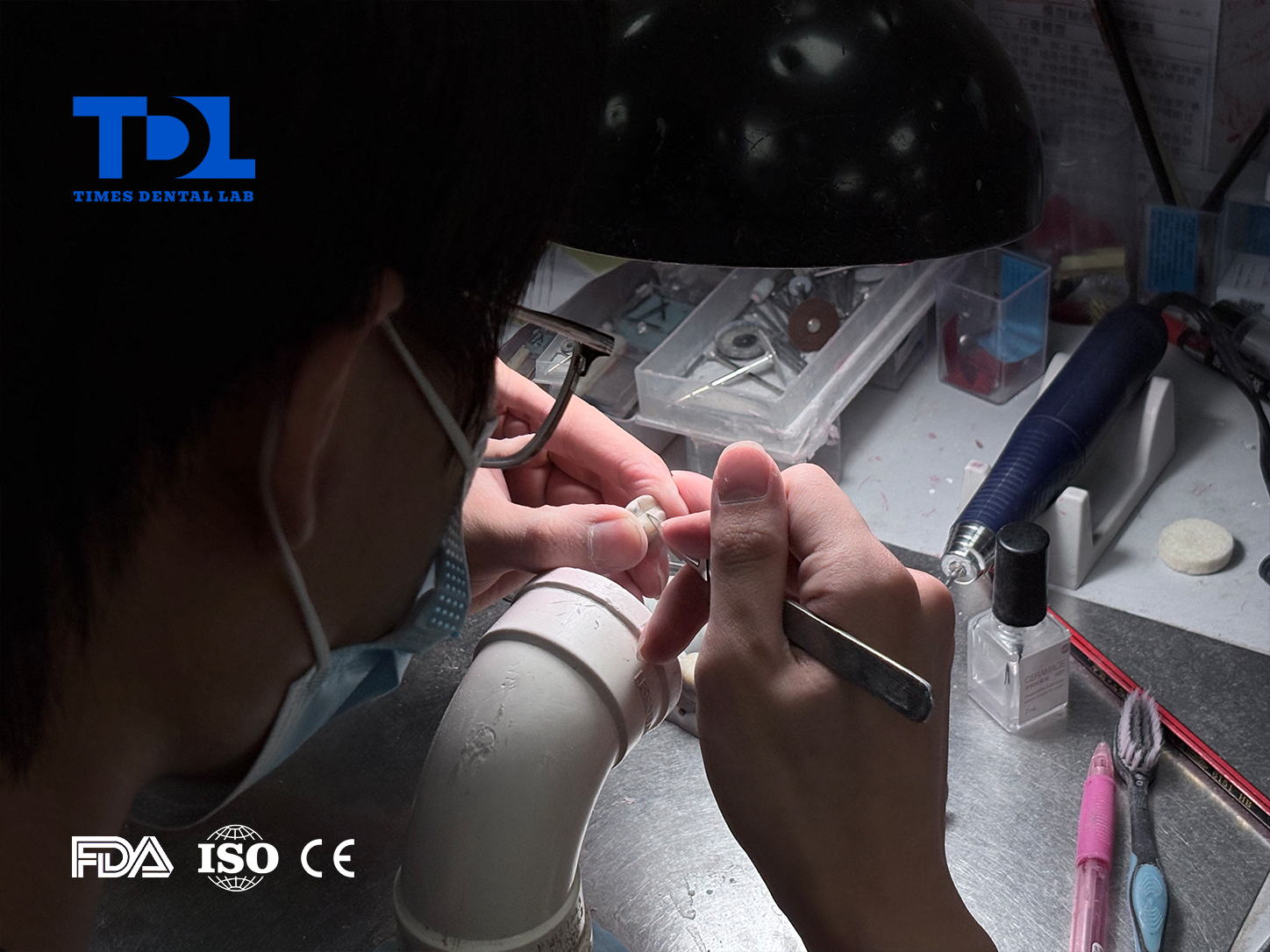
“Please make the new crown like the old one” sounds straightforward. In production, however, it leaves several questions unanswered. Does the partner want to retain the facial contour, incisal length, occlusal anatomy, or every visible surface? Is the old crown intact, and does its shape remain suitable for the replacement?
At Times Dental Lab, we encourage partners to identify the reference and the features they want to preserve before requesting a replacement crown. A current preparation scan shows the foundation for the new restoration. It does not, by itself, show the external shape of a crown that has already been removed.
Quick Answer
To request a crown with a shape similar to an existing restoration, send a usable record of the original external anatomy, current preparation records, the opposing arch, the prescribed bite relationship, and written instructions identifying what to preserve and what to change. Photographs provide useful visual context, but they do not supply a complete three-dimensional surface record. Times Dental Lab can discuss the available references and the requested design scope before production; a request to copy shape is not a guarantee of identical appearance, seating, or clinical function.
What Does Copying a Crown Actually Mean
An external shape reference and a complete restoration design are different things. A partner may want a familiar facial profile while changing the material, or may want to retain an approved temporary crown's tooth length while revising other areas. Those are more specific instructions than “copy everything.”
The internal surface and margin of the replacement must be considered against the current preparation and prescribed workflow. An old crown's external anatomy cannot establish the fit of the new crown to a tooth that has been re-prepared. Similarly, the old occlusal surface is a reference to assess, not an automatic instruction to reproduce every worn area or existing discrepancy.
CAD systems distinguish between using anatomy as a reference and directly constructing from particular scan data. For example, exocad's explanation of pre-op and waxup workflows describes different design approaches. The practical lesson for partners is to confirm the intended workflow rather than assume that every request described as a copy uses the same process.
Why a Preparation Scan Is Not a Shape Reference
A preparation scan records the prepared tooth and surrounding surfaces captured at that stage. A preoperative or pre-preparation scan records the situation before the relevant preparation or removal. The two files answer different questions: what the replacement must fit, and which earlier shape the partner wishes to reference.
When planning the case, identify the reference stage clearly. A scan of the original crown, a scan of a temporary crown, and a scan of a diagnostic proposal are not interchangeable. Each represents a different design decision, and the clinician should specify which one expresses the intended result.
Keep enough corresponding surrounding anatomy for the receiving team to assess how the records relate. An isolated crown surface file without useful context may not establish its intended position in the current arch. File suitability and alignment need review before a production method is agreed.
What Partners Should Send to Times
A Clearly Identified Shape Reference
Provide the available pre-removal scan, reference model, temporary crown scan, or original design file. Label the reference with the case ID, tooth number, date and stage. If an original crown or model may need to be sent physically, confirm the requirement and receiving arrangements with us before dispatch.
Do not label a modified temporary as the original crown if its shape has changed. Tell us whether the patient and clinician approved the reference, and identify any areas that were adjusted after the record was made.
Current Working and Opposing Records
Send the current preparation scan or agreed impression-based records, opposing arch and relevant bite record. Explain whether the tooth has been re-prepared or whether adjacent teeth or opposing restorations have changed since the reference was recorded. These changes can affect how closely the earlier contour can be retained.
For general submission steps, use our guide to sending a dental case. For this type of request, add the external shape reference as a separate, clearly labeled item rather than assuming that it is part of the working scan.
Photographs and Appearance Instructions
Useful photographs show the crown in context with adjacent teeth. For an anterior case, include the views needed to explain the requested length, facial contour and visible surface features. Where relevant, add shade references, preparation color information and notes on existing adjacent restorations.
A familiar shape does not automatically produce a familiar shade. Material, thickness, surface finishing and the underlying preparation can affect appearance. State the requested material and shade separately; our zirconia and lithium disilicate crown prescription guide explains why material instructions should be explicit.
A Written Preserve and Change Instruction
Specify the individual features that should remain similar, the areas that may be revised, and any areas requiring approval before manufacture. Identify the designated approval contact. If a reference and a written instruction disagree, clarify which requirement takes priority.
If the Original Crown Has Already Been Removed
Start with an inventory of what remains available. An earlier scan or model may retain useful external anatomy. A temporary crown may provide a more recent approved reference, while an intact removed crown may offer additional information if an appropriate recording method is agreed.
Photographs can help communicate visible appearance, but hidden surfaces, true dimensions and the relationship to the current preparation may remain uncertain. Do not present a photo-based reconstruction as a verified duplicate of the old crown. Ask which features can reasonably be referenced and which require a new design decision.
If the old crown is fractured, identify the missing or distorted portions. The unbroken areas may still be useful, but absent anatomy cannot be treated as measured data. Before production, agree whether the case calls for a similar design based on partial references or a different restorative plan prescribed by the clinician.
What Should Not Be Copied Automatically
The treating clinician should decide whether the old crown remains a suitable reference. Wear, fractures, unwanted contours, problematic contacts or a changed bite may be reasons to revise the design. A patient's preference for its appearance does not establish that every surface should be reproduced.
If an existing removable appliance or another restoration relates to the crown, explain that relationship at the start. A scan of the crown alone cannot establish every required contact with an appliance that has not been recorded. Confirm whether additional records, the appliance itself, or a clinical verification stage are needed.
Avoid solving a conflict by simply reducing material thickness or changing a margin without approval. The prescribed material and current restorative space still govern what can be manufactured. Clinical changes and treatment decisions belong to the treating clinician, not to an unrecorded laboratory assumption.
A Practical Crown Shape Prescription Example
The following example illustrates the level of detail to provide; it is not a patient-specific treatment recommendation.
“Replace the existing crown on the tooth identified in the prescription. Use the file labeled PRE REMOVAL as the external shape reference and CURRENT PREPARATION as the working record. Retain the facial contour and incisal length as closely as the current preparation and prescribed material allow. Do not reproduce the fractured distal area. Review contacts and occlusion against the current opposing arch and bite records. Material and shade are specified separately in the order. Please confirm whether a design preview can be provided and obtain approval from the named contact before fabrication.”
This instruction separates the reference, current records, requested similarities, exceptions and approval requirement. It also leaves a clear route for discussing conflicts before the restoration is made.
Confirm the Design Scope Before Manufacturing
When discussing the case with Times, confirm what “similar” means for the areas that matter most. For example, preserving a facial silhouette is a different requirement from retaining detailed occlusal anatomy. Name the priority instead of relying on a general copy request.
If a preview is agreed, return feedback against the identified design version. Mark the area and explain the required change in writing. A screenshot can support a contour discussion, but it does not replace intraoral verification or establish the finished restoration's clinical suitability.
Our digital case intake and quality control article provides broader workflow context. For a shape-reference case, the specific additional checkpoint is whether the intended reference and approved changes remain linked to the correct production version.
Frequently Asked Questions
Can Times Copy a Crown From Photographs Alone
Photographs can support a discussion about visible shape and appearance, but they do not provide all three-dimensional surfaces or establish internal fit. Send the available records for review and describe the outcome you want. Confirm the proposed approach before assuming an exact copy is possible.
Is a Preoperative Scan the Same as a Preparation Scan
No. They record different stages. The preoperative record may show the external shape to reference, while the preparation record shows the current prepared tooth and captured surroundings needed for the new restoration's design.
Can the Shape Stay Similar if the Material Changes
Some external features may remain useful references, but material requirements and available space can require design changes. Appearance may also differ. Specify the new material and ask which contours can be retained before approving production.
Can an Old CAD File Replace New Working Records
Not automatically. It may provide useful reference anatomy, but it does not establish that the preparation, adjacent teeth or bite are unchanged. Confirm file usability and provide current records appropriate to the case.
Does Copying the Shape Guarantee That No Adjustment Will Be Needed
No. Referencing an earlier external shape does not eliminate the need for clinical seating, contact, occlusion and appearance checks. The clinician must verify the restoration at delivery and determine whether any adjustment is appropriate.
Discuss a Crown Shape Reference With Times Dental Lab
If you want a replacement crown to retain selected features of an existing restoration, send us the reference records before they are lost or replaced by later files. Include the tooth identification, current working records, prescribed material, shade and a clear preserve-and-change instruction.
For a new submission, email the prescription and available case records to cases@times-dental.com. For an existing case, contact your customer service manager with the case number and updated instructions. You can also contact Times Dental Lab to discuss which records are needed before sending a physical crown, model or related appliance.