“Zirconia, A2” identifies a material category and a target shade, but it does not fully describe the intended crown. “E.max, make it natural” leaves other questions open: which product is prescribed, what color is underneath, and what optical effect should the restoration achieve?
At Times Dental Lab, we support partners with zirconia and lithium disilicate crown enquiries and production. Our role is to translate a confirmed prescription and usable case records into laboratory work. This guide first explains the material differences, then shows what to specify so that design and production do not depend on assumptions.
Quick Answer
For a zirconia or lithium disilicate crown, specify the exact material or agreed product option, tooth number, restoration type, target shade, underlying tooth or abutment color, available records and approval requirements. Include the working arch, opposing arch and bite, plus useful photographs for shade-sensitive cases. If the material instruction conflicts with the available space or other records, we contact the partner for clarification rather than independently changing the clinical plan.
Zirconia is a polycrystalline oxide ceramic, while lithium disilicate is a glass-ceramic. Their structure affects mechanical properties, optical behavior and surface treatment. Neither material name alone establishes that a particular crown design is suitable for the patient.
Understanding Zirconia and Lithium Disilicate
What Is Zirconia?
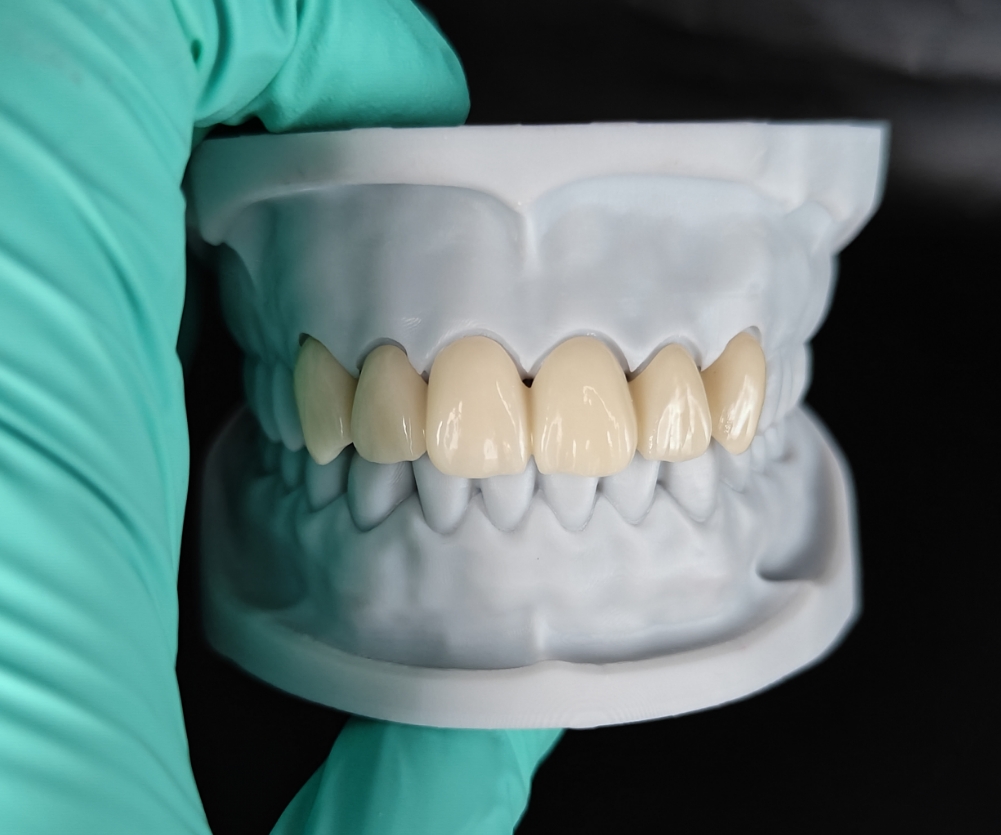
Dental zirconia is a polycrystalline ceramic based on zirconium dioxide. Unlike glass-ceramics, it does not have a glass phase. It generally offers high mechanical strength and fracture resistance, but its properties depend on the specific formulation and product.
High-strength and highly translucent zirconias are not interchangeable labels. Increased translucency can involve mechanical trade-offs, and a multilayer appearance does not by itself identify strength or approved indications. Ivoclar's IPS e.max ZirCAD product information describes a portfolio of zirconia materials with different properties and applications.
For a Times prescription, the relevant question is not just “zirconia or not.” Tell us the specified material where known, the intended crown construction and the required esthetic result. If you need a material option discussed, provide the case records before authorizing production.
What Is Lithium Disilicate?

Lithium disilicate is a glass-ceramic containing crystals within a glass matrix. It offers useful mechanical properties together with optical options that can help reproduce natural tooth appearance. It can be used for crowns and other restorations within the selected product's indicated limits.
Its glass-containing structure also allows material-specific conditioning for adhesive bonding. However, “lithium disilicate” does not mean that every restoration uses the same thickness, translucency or cementation approach. The chosen system and prescribed restoration still determine the relevant requirements. See the manufacturer's IPS e.max CAD information for one established lithium disilicate product.
The Main Differences Partners Should Understand
Mechanical properties: Zirconia generally has higher strength and fracture toughness than lithium disilicate, but the comparison depends on the products being considered. Higher laboratory strength does not guarantee a longer-lasting crown. Geometry, processing, clinical support and use all affect the restoration.
Optical properties: Lithium disilicate is often considered when translucency and fine shade integration matter. Modern zirconias also offer different optical options. The final appearance depends on ceramic thickness, underlying color, construction, characterization and the clinical cementation system, not only the material name.
Surface treatment: Zirconia and lithium disilicate require different treatment protocols. A glass-ceramic conditioning procedure must not simply be transferred to zirconia. Surface preparation, cleaning and cementation must follow the current instructions for the exact restorative and bonding products.
These are useful distinctions, not a rule that one material belongs only in front teeth and the other only in molars. Our broader zirconia and E.max material comparison discusses general selection considerations. This article focuses on communicating the prescribed crown to the laboratory.
Is Lithium Disilicate the Same as E.max?
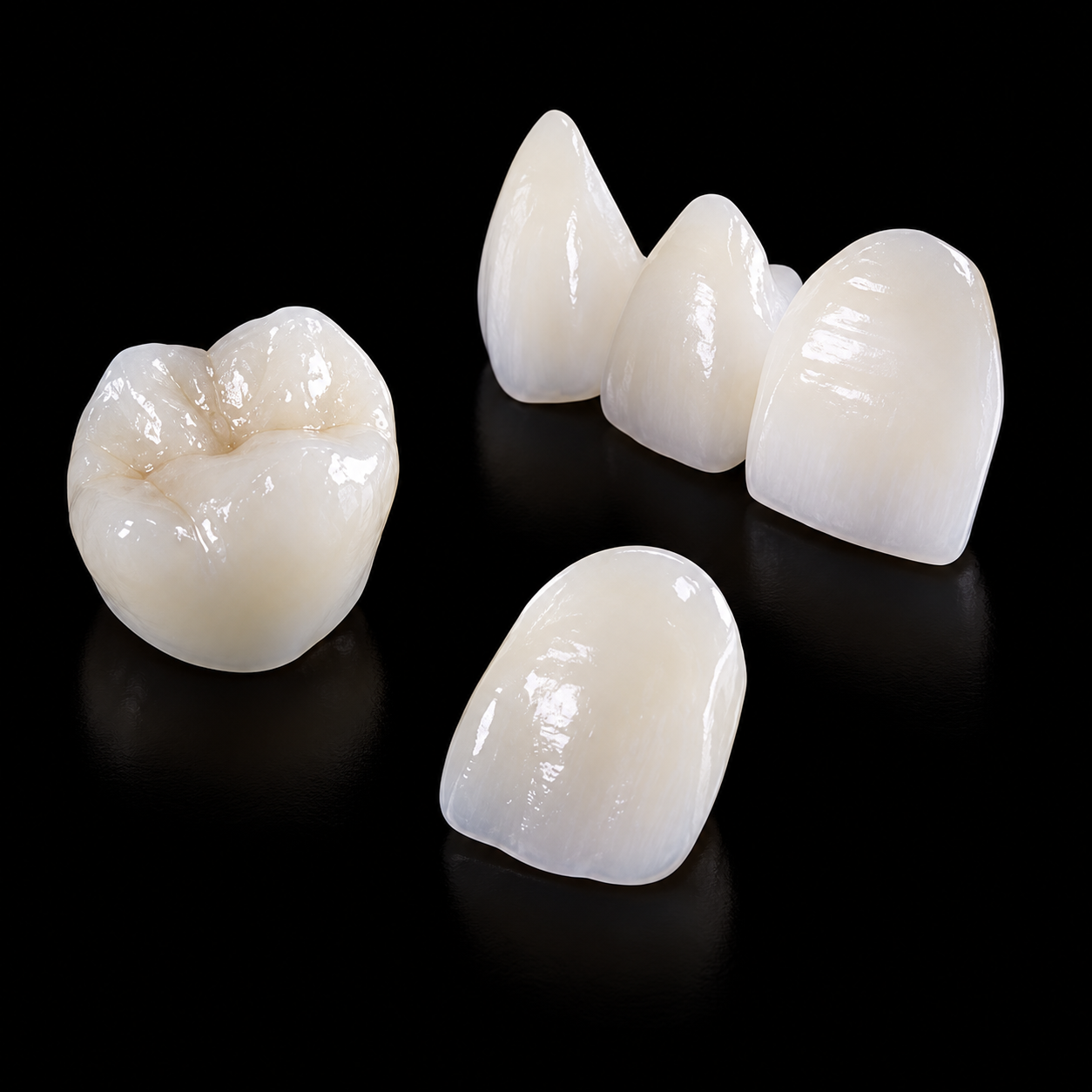
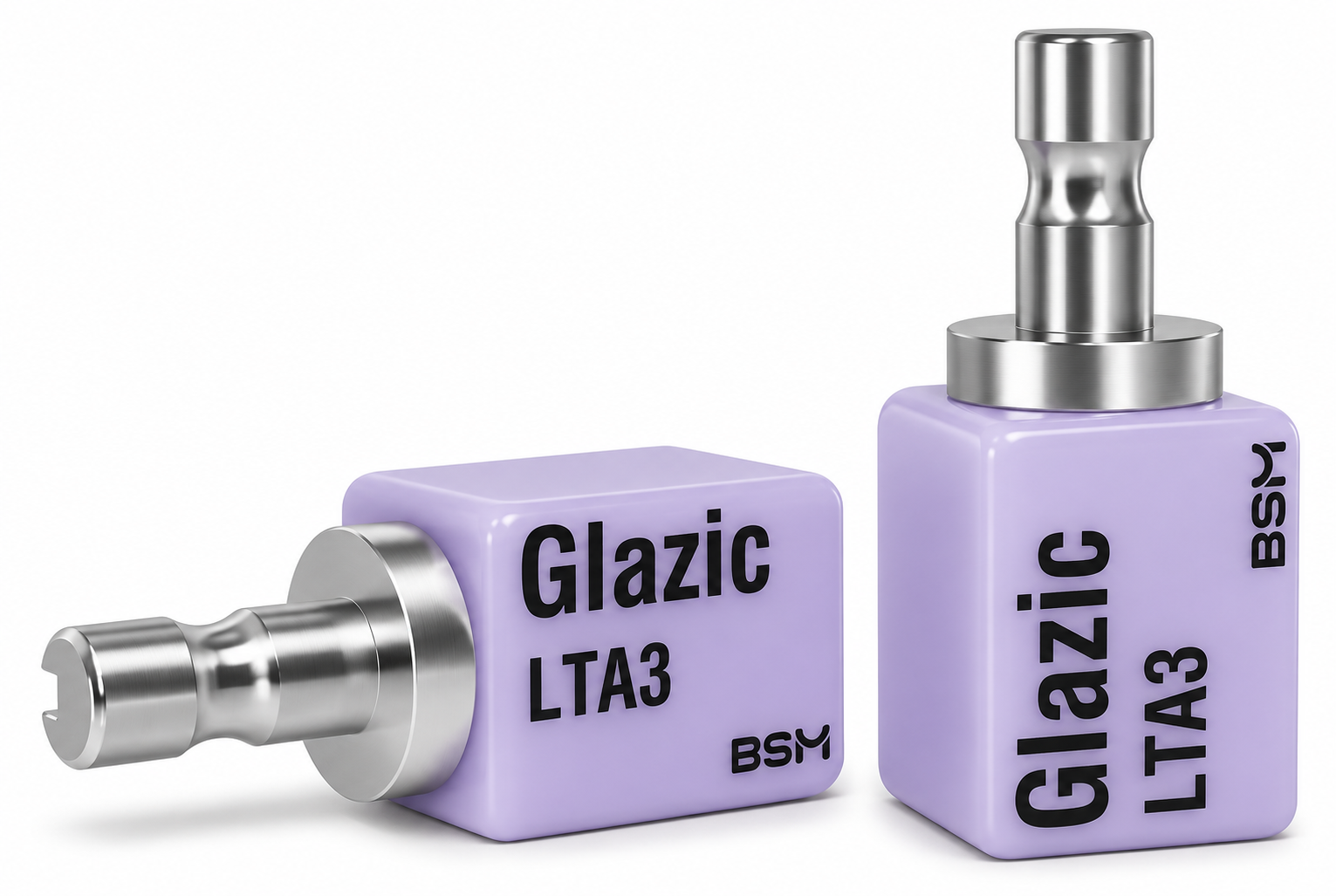
Lithium disilicate is a material category; IPS e.max is a product family. IPS e.max CAD and IPS e.max Press are lithium disilicate products, while IPS e.max ZirCAD is zirconia. The brand name alone can therefore leave the material instruction ambiguous. Ivoclar's overview of the IPS e.max family distinguishes its glass-ceramic and zirconia options.
When a named product is required, write the product name rather than relying on “E.max” as shorthand. We then need to confirm the requested material and production route for the case. A material comparison should not be used as permission to substitute one product for another.
Tell Us What the Restoration Needs to Achieve
Tooth Position and Restoration Type
Identify the tooth number and whether the order is for a single crown, a splinted restoration or another specified design. State whether it is tooth-supported or implant-supported. A material indicated for a single crown cannot automatically be applied to a different restoration.
For an implant crown, include the prescribed connection and component details. Our implant case submission checklist explains those additional records. Material choice does not remove the need to identify the implant system and restorative design.
Esthetic Priorities
Explain the result you want to preserve or achieve. Matching one adjacent natural tooth is different from following an approved shade across several restorations. Masking a dark preparation is also different from maximizing light transmission over a favorable background.
Instead of writing only “natural,” identify the priority: matching value, limiting opacity, reproducing incisal effects, following surface texture or concealing an underlying discoloration. Marked photographs can communicate these priorities more clearly than a long series of general adjectives.
Functional Considerations
Include relevant clinical instructions about occlusion, available clearance and areas requiring attention. If the clinician has identified grinding, clenching or another loading concern, communicate it with the prescribed plan. Do not assume that requesting the strongest material resolves every functional risk.
The treating clinician determines clinical suitability and approves the material. Times reviews the supplied records and laboratory feasibility. If we identify a conflict, the next step is a discussion with the partner, not an unapproved treatment change.
Shade Alone Is Not Enough
Target Shade and Reference Photographs
Provide the target shade and identify the shade guide used. For a shade-sensitive crown, include photographs with a useful shade reference and a view of the adjacent teeth. Identify which teeth or existing restorations should be matched.
Tell us if the reference image shows a temporary restoration rather than the final target. Likewise, distinguish an approved shade from a photograph used only for shape. This prevents one image from being interpreted as approval of every visible feature.
Underlying Tooth or Abutment Color
The target crown shade and the underlying color are separate records. A dark preparation, metal post-and-core or implant abutment can affect the final optical result, especially where ceramic thickness is limited.
Provide a stump shade or suitable background-color photographs where relevant. If the background is not known, say so. A request for a highly translucent crown without background information leaves an important part of the shade problem unresolved.
Translucency and Characterization
Maximum translucency is not always the same as a natural result. The intended crown must match the appearance of the surrounding teeth and account for the underlying color. Where masking is required, that objective should be discussed before choosing an optical option.
Specify any requested incisal translucency, texture or characterization, and identify effects you do not want. If no particular material grade has been prescribed, ask us to discuss available options against the case rather than choosing from a marketing label alone.
Confirm Restorative Space Before Approving the Material
The working scan, opposing arch and bite help show the space available for the proposed crown. A clear preparation scan without a reliable opposing record is not enough to evaluate all relevant relationships.
There is no single minimum thickness that applies to every zirconia or lithium disilicate product. Design limits must be checked against the current instructions for the selected product, construction and indication. We do not use one universal thickness value to justify every crown.
If the requested material cannot be designed within its requirements from the available records, we raise the issue with the partner. The clinician may need to review the preparation, material or restorative plan. We do not independently increase tooth reduction, change the patient's bite or replace the prescribed material.
Clarify Surface Treatment and Delivery Requirements
Before delivery, confirm which material is being supplied and any agreed laboratory surface treatment. The clinical team should know the restoration's treatment status before carrying out its own cleaning, conditioning or cementation procedure.
Zirconia should not be treated as an etchable glass-ceramic using the conventional glass-ceramic protocol. Lithium disilicate requires its own specified conditioning approach. Exact products, timing and procedures belong to the applicable instructions for use, not to a generic comparison article.
If your workflow calls for a particular delivery state or specific material documentation, tell us before production. Clinical try-in, final cleaning, bonding or cementation and follow-up remain the responsibility of the treating clinician.
What Partners Should Send to Times Dental Lab
Send the case number, tooth position, restoration type, material instruction and any required product name. Include complete working and opposing records, the bite, target shade and underlying color information. Add reference photographs and identify any approved features or effects to avoid.
State whether a design or esthetic review is required before manufacturing, who may approve it and the requested delivery date. For an implant-supported case, add the implant system, platform, scan body and component instructions. A complete submission is more useful than separate messages that leave the latest instruction unclear.
Our guide to digital case intake and dental laboratory quality control explains the broader role of early record review. The crown prescription should bring the material and design requirements together before production begins.
When Times Needs Clarification Before Production
We need clarification when the material selected in an order conflicts with the written notes, when photographs and shade instructions indicate different targets, or when the requested design does not match the available records. Please identify the final instruction rather than expecting the laboratory to choose between conflicting messages.
For example, “high translucency” combined with an undocumented dark preparation raises a background-color question. A single anterior crown requested to match adjacent teeth without useful shade references raises an esthetic communication question. These are examples of information gaps, not reports of particular patient cases.
A material or shade change after production starts also needs direct communication. Contact your customer service manager to confirm whether work has begun and what the revised request means for the case. Do not assume that a new message automatically updates a design already released for manufacturing.
FAQs
Is E.max Crown a Complete Material Prescription?
Not always. IPS e.max includes different product types. Identify the exact product when required and confirm whether the order is for lithium disilicate or zirconia, together with the intended crown design.
Can Times Choose Between Zirconia and Lithium Disilicate for Us?
We can discuss material options and production feasibility from the available records. The treating clinician must select or approve the clinical material and restorative plan before production.
Why Does Times Need the Underlying Tooth Shade?
The background can influence the final appearance through the ceramic. It helps us discuss masking and optical requirements rather than treating the target shade as the only relevant color information.
Does High Translucency Always Produce a More Natural Crown?
No. The result depends on the background, thickness and appearance of neighboring teeth. Excessive light transmission over an unfavorable background may work against the intended shade.
What Happens If the Material Does Not Suit the Available Space?
We contact the partner to clarify the conflict. A clinician-approved change or updated record may be needed before the case can proceed; we do not silently substitute a different material.
Can the Material or Shade Be Changed After Production Starts?
Contact your customer service manager promptly. The production stage and requested change need review before the revised work, cost or schedule can be confirmed.
Discuss Your Crown Case with Times Dental Lab
A useful crown prescription combines the material with its intended result. Exact product information, background color, usable records and clear approval instructions give Times a better basis for reviewing the case than a material name and shade alone.
Existing partners can contact their customer service manager with the case records and any material questions. If you are considering a new partnership, contact Times Dental Lab to discuss the proposed crown workflow and the information needed before production.