Short Answer
There is no single best crown material for every case. Zirconia is usually preferred when strength, durability, posterior function, or bridge support matters most. E.max, a lithium disilicate glass-ceramic, is often preferred when esthetics, translucency, and natural shade integration are the main priorities.
For dentists, clinics, and dental laboratories, the better question is not simply 'Zirconia vs. E.max: which is best?' The better question is: which material best fits the indication, preparation, occlusion, esthetic expectation, and laboratory workflow? Times Dental Lab supports crown and bridge production as part of its full-service China dental lab workflow, including zirconia crowns, E.max restorations, and digital case review.
Why This Comparison Matters
Zirconia and E.max are two of the most searched crown materials because both are widely used in modern restorative dentistry. Doctors, clinics, and technicians often compare them when deciding between strength, esthetics, preparation design, cementation, and long-term function.
For Times Dental Lab, this topic also connects naturally to the Crowns and Bridges service category, because crown material selection is one of the most important decisions before production begins.
Zirconia Crowns: When Strength Matters Most
Zirconia crowns are commonly selected for strength and durability. Full zirconia crowns are often used for posterior restorations, high-load areas, implant crowns, and cases where the buyer wants a strong monolithic restoration with controlled occlusion and contact.
Zirconia may be a good option when:
· the restoration is in the posterior region
· occlusal load is high
· space is limited
· a full-contour monolithic crown is preferred
· a bridge or implant-supported restoration requires strength
· the clinical priority is durability more than maximum translucency
For buyers comparing Full Zirconia Crowns, the lab should review preparation, clearance, occlusion, contacts, shade expectation, sintering, staining, glazing, and final QC before shipment.
E.max Crowns: When Esthetics and Translucency Matter
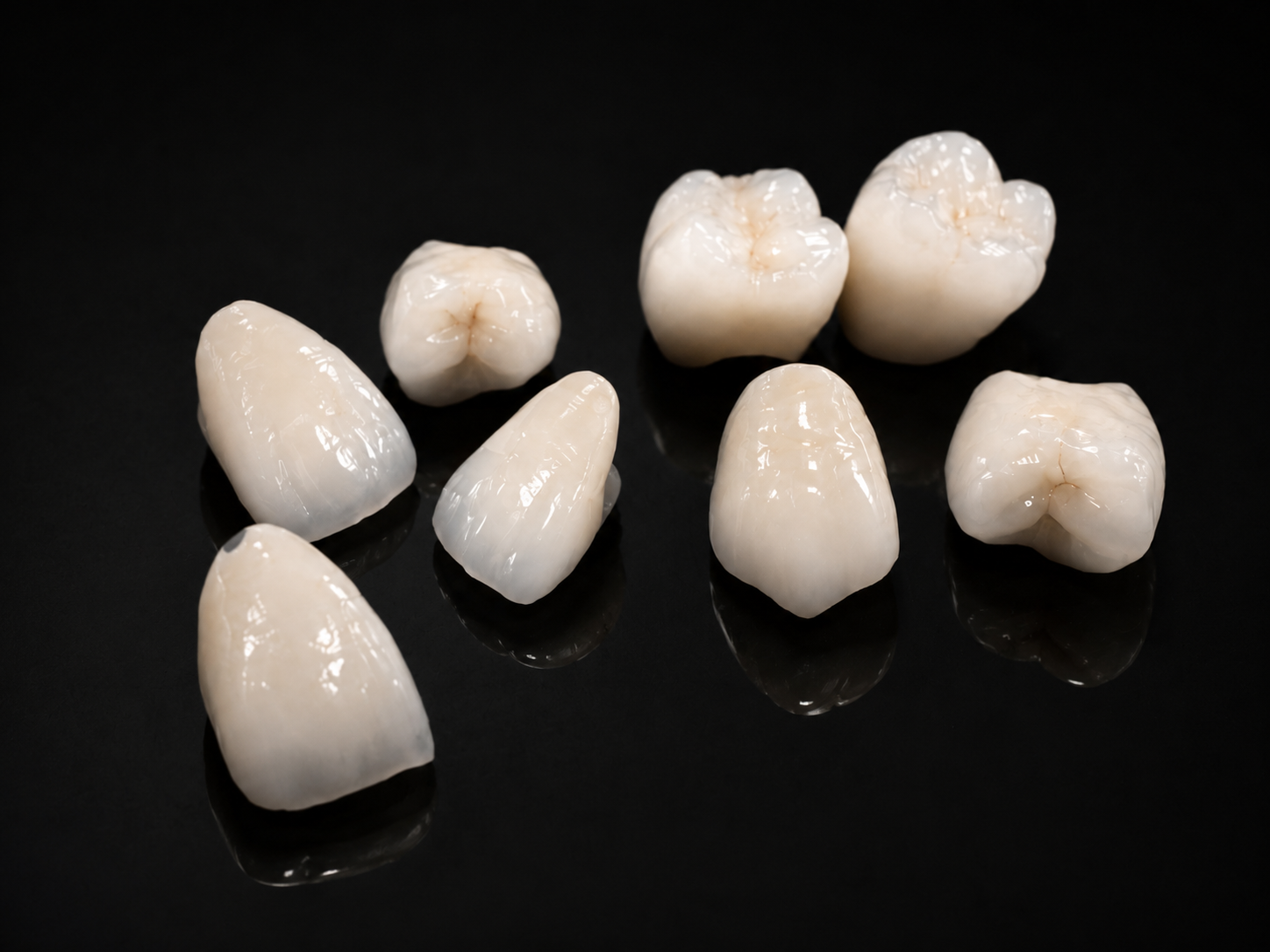
E.max is widely associated with esthetic all-ceramic restorations. It is based on lithium disilicate glass-ceramic and is often selected for anterior crowns, veneers, inlays, onlays, and cases where the restoration needs to blend naturally with adjacent teeth.
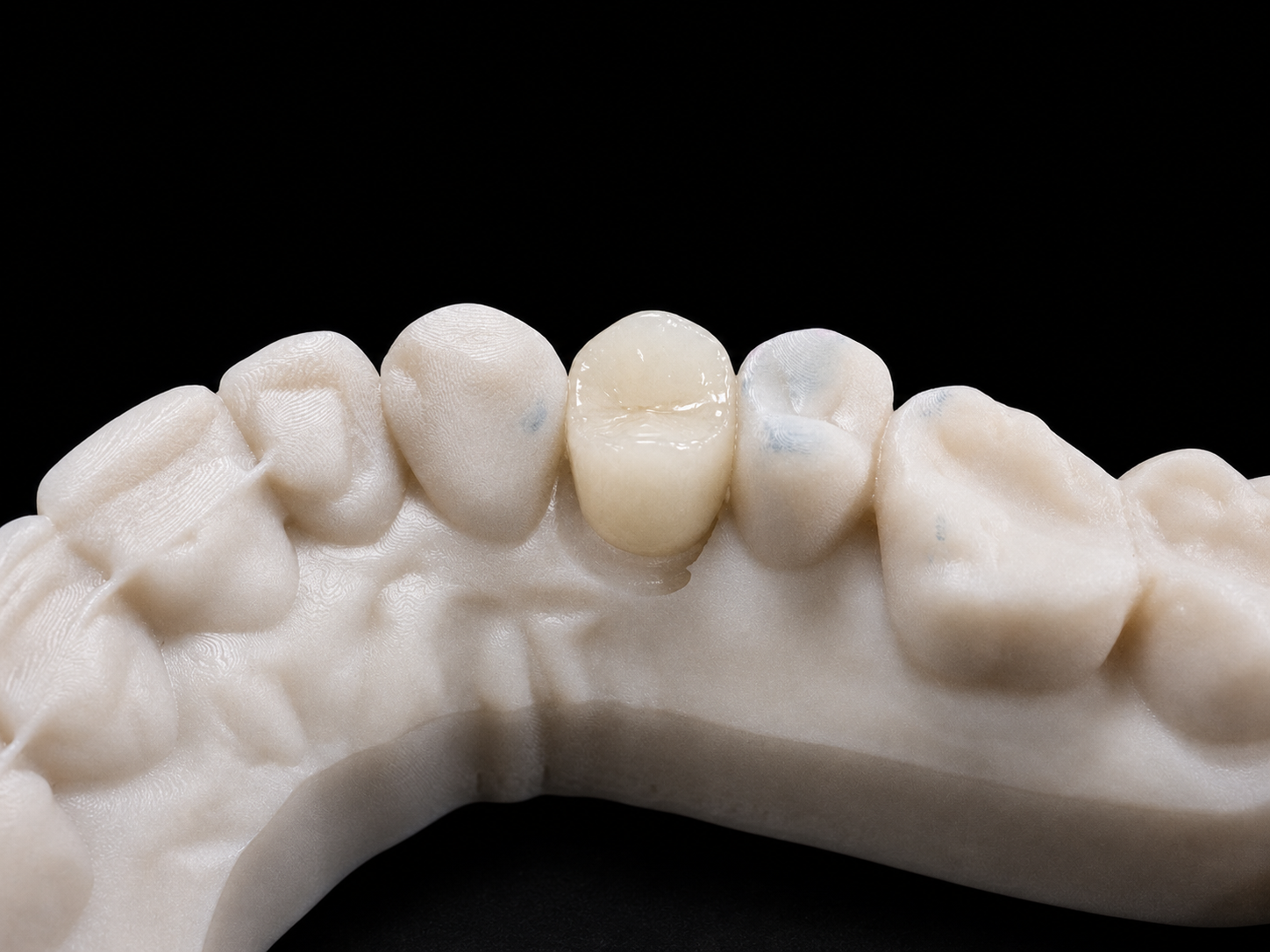
E.max may be a good option when:
· the case is in the anterior or highly visible zone
· natural translucency and shade integration are important
· the preparation supports adhesive bonding
· the restoration is a veneer, inlay, onlay, or single crown
· the clinical priority is esthetics more than maximum fracture resistance
Ivoclar describes IPS e.max CAD as a lithium disilicate glass-ceramic for CAD/CAM restorations, with applications including crowns, inlays, onlays, veneers, and selected three-unit bridges. For Times clients, E.max Restorations should be discussed with shade, preparation, bonding, and esthetic goals in mind.
Quick Comparison Table
|
Factor |
Zirconia |
E.max |
|
Best known for |
Strength, durability, posterior load-bearing use, and full-contour restorations. |
Esthetics, translucency, natural appearance, and adhesive restorative options. |
|
Common use cases |
Posterior crowns, bridges, bruxism-risk cases, limited space cases, implant crowns where strength matters. |
Anterior crowns, veneers, inlays, onlays, and cases where esthetics and translucency matter most. |
|
Esthetics |
Modern translucent zirconia has improved, but full zirconia is still usually selected first for strength. |
Often preferred for natural-looking esthetic results, especially in visible areas. |
|
Preparation and bonding |
Can be more forgiving in some high-strength use cases, depending on cementation protocol and design. |
Often benefits from adhesive bonding and careful preparation design. |
|
Lab workflow focus |
Sintering, fit, occlusion, contacts, staining, glazing, and final strength-oriented QC. |
Shade selection, translucency, crystallization, bonding protocol, esthetic finishing, and margin review. |
Which Material Is Best for Posterior Crowns?
For many posterior crowns, zirconia is often the safer material choice when the case requires high strength, functional durability, or reduced risk under heavy occlusion. Full zirconia is especially useful when there is limited space or when the buyer wants a strong monolithic restoration.
However, posterior E.max can still be appropriate in selected cases when preparation design, bonding conditions, occlusion, and material thickness are suitable. The decision should be made by the treating clinician, with the lab supporting case review and production guidance.
Which Material Is Best for Anterior Crowns?
For anterior crowns, E.max is often preferred when esthetics and translucency are the primary concern. It can offer a natural appearance when shade selection, preparation color, translucency level, and bonding protocol are managed correctly.
Modern translucent zirconia can also be used in esthetic cases, but the lab and clinician should discuss whether the case requires maximum translucency or more strength. The best choice depends on the tooth position, stump shade, bite, restoration thickness, and patient expectations.
Why Case Review Matters More Than a Simple Material Label
A crown material is only one part of the result. The same material can perform differently depending on preparation, occlusion, margin design, cementation, material thickness, digital file quality, and finishing. That is why a dental lab should not treat Zirconia vs. E.max as a simple one-word answer.
Before production, a good crown and bridge lab should review:
· tooth position and restoration type
· preparation clearance and margin design
· opposing arch and occlusal relationship
· shade photos and esthetic expectations
· stump shade or abutment color where relevant
· implant or bridge requirements
· cementation or bonding considerations
· digital file completeness and design notes
How Times Dental Lab Supports Zirconia and E.max Cases
Times Dental Lab supports crowns and bridges as part of a full-service dental lab workflow. For zirconia and E.max cases, the goal is to make material selection and production more predictable through case review, digital workflow, technical communication, and quality control.
For crown and bridge cases, Times Dental Lab can support:
· zirconia crowns and bridges
· full zirconia crowns
· E.max restorations
· veneers, inlays, onlays, and related ceramic restorations
· CAD/CAM case review and digital design support
· margin, contact, occlusion, shade, and final inspection checks
If you are comparing zirconia and E.max for an upcoming case, contact Times Dental Lab with the preparation photos, scan files, shade information, case type, and material question so the team can review the workflow before production.
FAQ
Is zirconia better than E.max?
Zirconia is usually better when strength and posterior durability are the main priorities. E.max is often better when esthetics, translucency, and natural appearance are the main priorities. The best choice depends on the case.
Is E.max strong enough for crowns?
E.max can be suitable for many single crowns when preparation, bonding, occlusion, and material thickness are appropriate. It is often selected for esthetic anterior and visible-zone restorations.
Is zirconia good for front teeth?
Modern translucent zirconia can be used for some anterior cases, but E.max is often preferred when maximum translucency and natural esthetics are required. The clinician and lab should review shade, thickness, and preparation color.
Which is better for posterior crowns, zirconia or E.max?
Zirconia is often preferred for posterior crowns because of its strength and durability. E.max may still be suitable in selected posterior cases when clinical conditions support it.
Can Times Dental Lab make both zirconia and E.max crowns?
Yes. Times Dental Lab supports crown and bridge production, including zirconia crowns, full zirconia crowns, E.max restorations, veneers, inlays, onlays, and digital design support.