Introduction
PFM and zirconia crowns are two of the most common materials used in fixed dental restorations. Both can be used for crowns and bridges, both have a long role in restorative dentistry, and both can be successful when the indication, preparation, design, and lab workflow are appropriate.
The practical question many dentists and clinics ask is simple: which one is more suitable for this case? The answer depends on esthetic expectations, occlusal force, budget, bridge span, metal sensitivity, digital workflow, and the experience of the dental lab.
At Times Dental Lab, PFM crowns and zirconia crowns are part of our Crown & Bridges production workflow for overseas clinics and dental laboratories.
Clinics comparing material options can also review the About Times Dental Lab page for company background and the Digital Solutions page for digital case support.
What Is a PFM Crown?
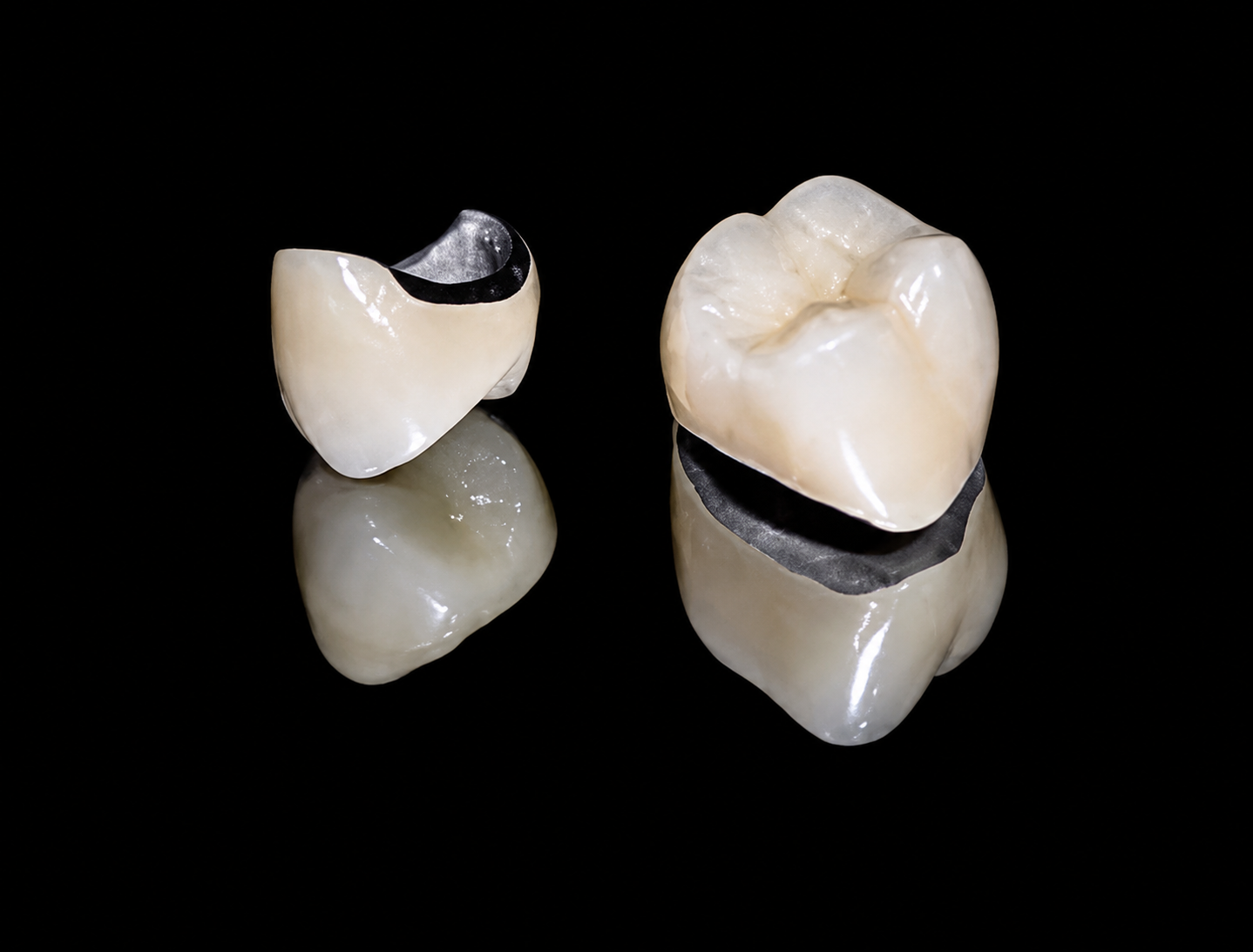
A PFM crown, or porcelain-fused-to-metal crown, has a metal coping or framework covered with a porcelain veneer. The metal substructure provides strength and support, while the porcelain layer helps create a tooth-colored external appearance.
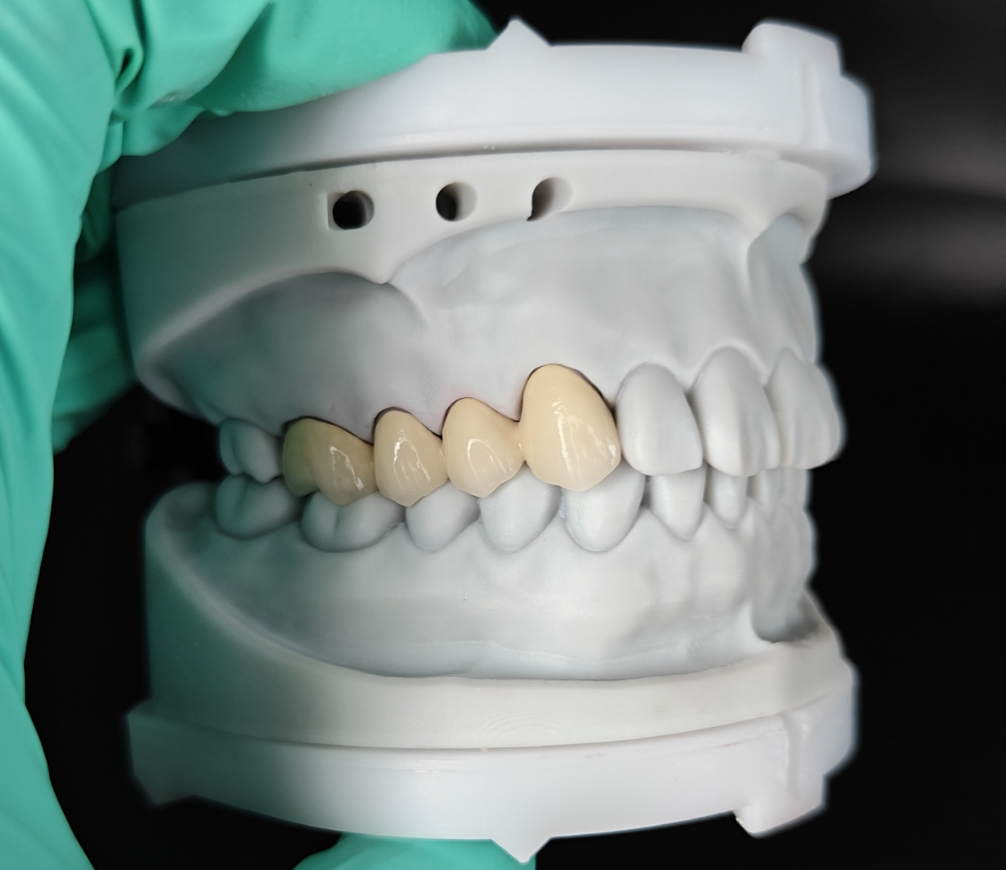
PFM crowns have a long clinical history and are still used today, especially for posterior restorations, long-span bridges, cases with limited budget, and situations where a dentist wants a proven metal-ceramic option. For many dental labs, PFM Crown production remains an important part of crown and bridge services.
The main advantage of PFM is the combination of metal strength and porcelain esthetics. The main limitation is that the metal coping can affect translucency, may create a dark margin if tissue recession occurs, and may not be preferred for patients requesting metal-free restorations.
What Is a Zirconia Crown?
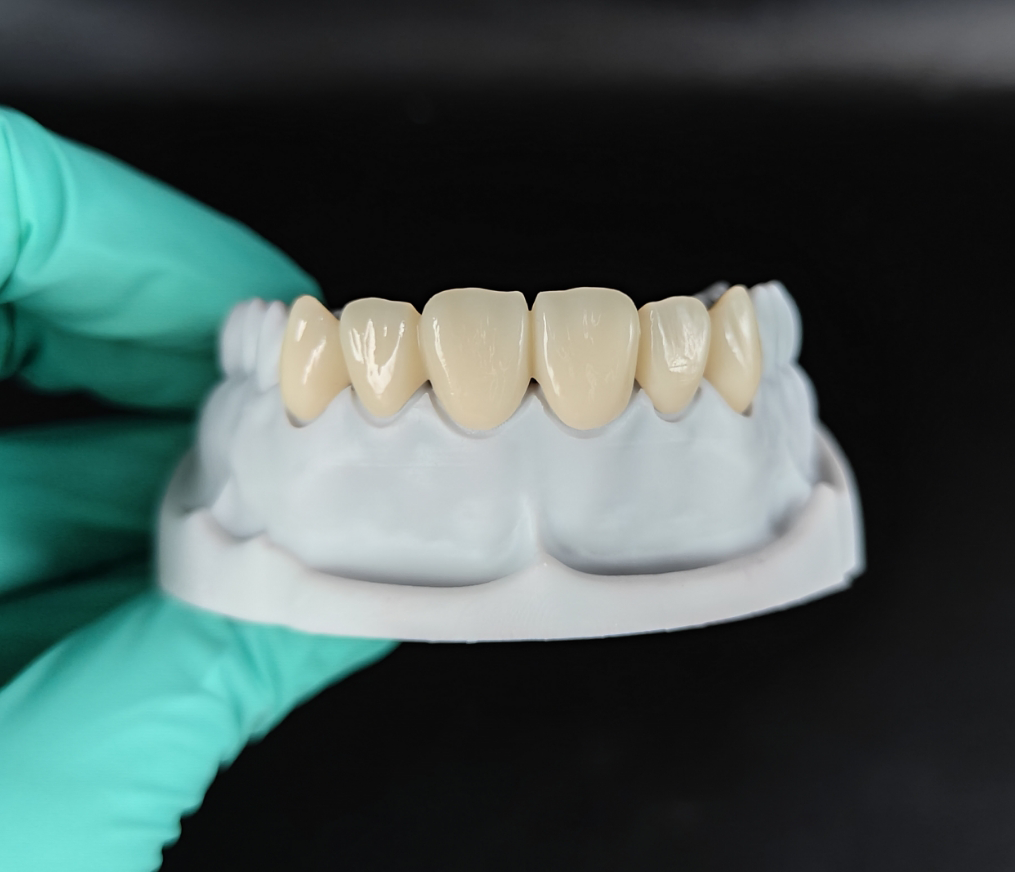
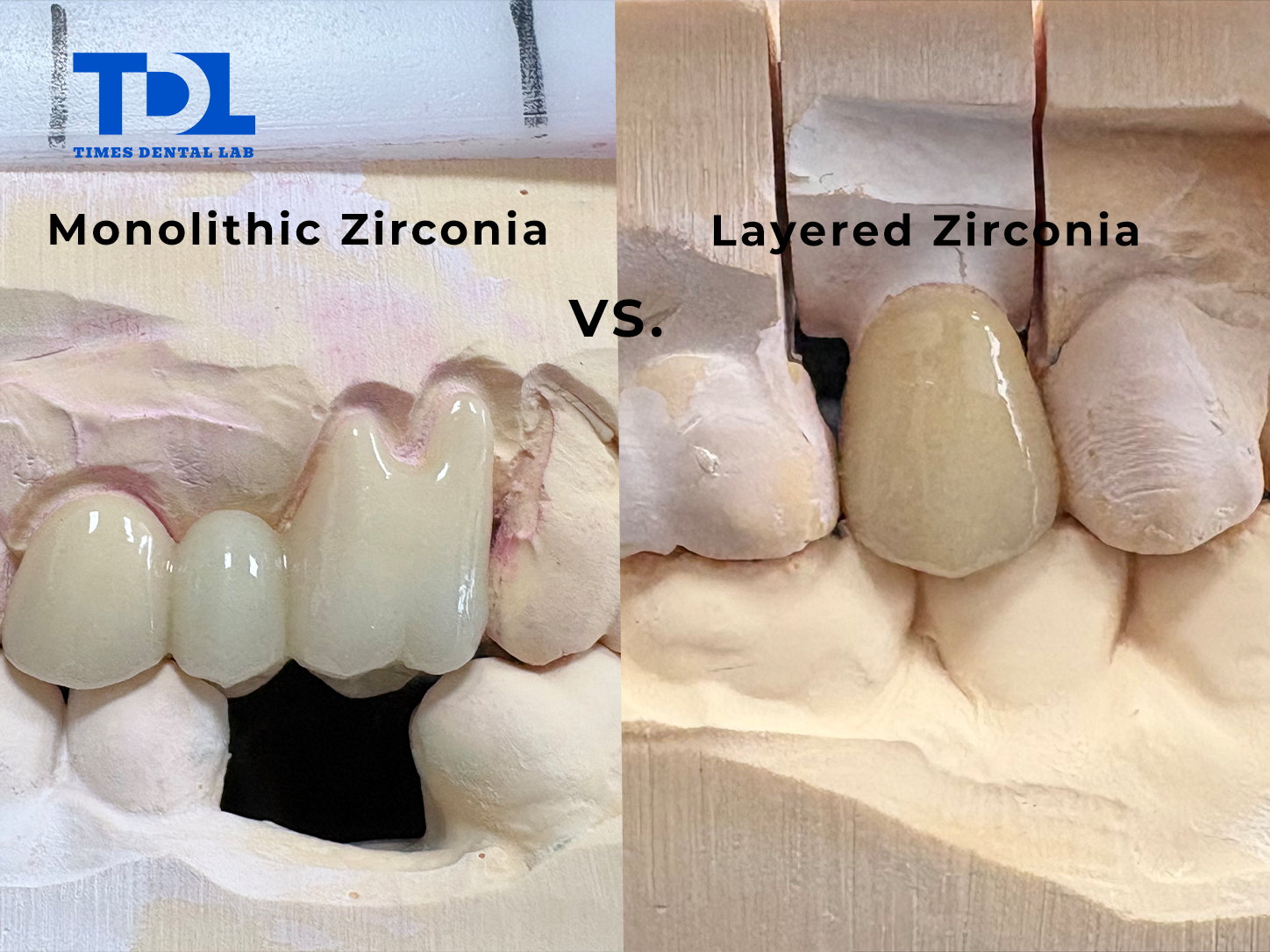
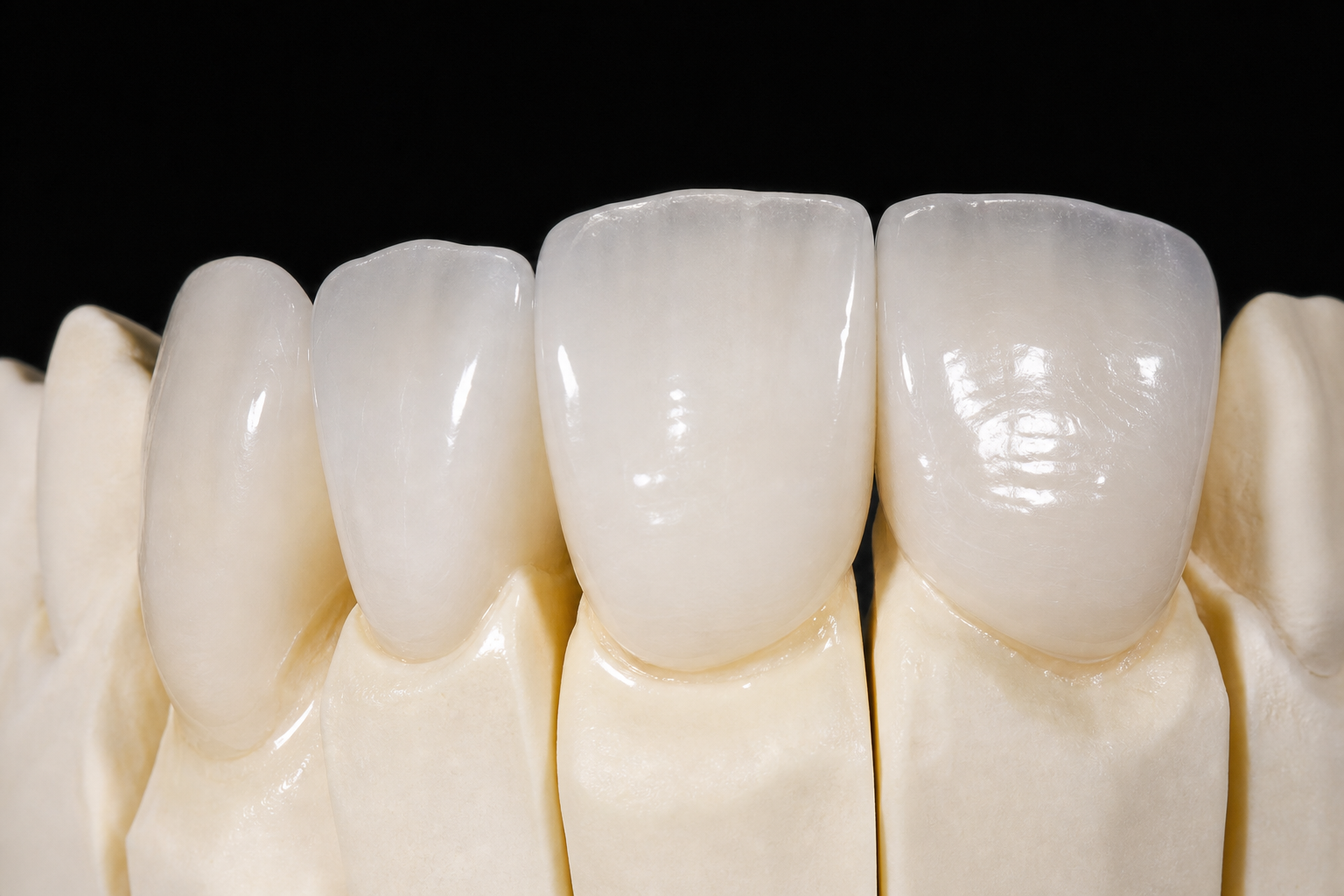
A zirconia crown is an all-ceramic restoration made from zirconium dioxide. Zirconia can be used as a full-contour monolithic crown or as a zirconia framework with porcelain layering. Modern zirconia is widely used in CAD/CAM and digital dental manufacturing because it can be designed digitally and milled with high consistency.
A Full Zirconia Crown is often selected for strength, posterior restorations, implant crowns, and bruxism-risk cases. A layered zirconia crown may be selected when a stronger ceramic framework is needed but esthetic characterization is also important.
For a deeper material comparison, see our related guides on Zirconia vs. E.max and Monolithic Zirconia.
PFM vs. Zirconia: Key Differences
|
Feature |
PFM |
Zirconia |
|
Structure |
Metal coping with porcelain veneer |
Monolithic zirconia or layered zirconia ceramic |
|
Strength |
4/5 |
5/5 |
|
Aesthetics |
3/5 |
4-5/5 depending on zirconia type |
|
Translucency |
Medium; metal coping limits depth |
Good to excellent depending on material generation |
|
Biocompatibility |
Good, but metal alloy selection matters |
Excellent metal-free option |
|
Metal-free |
No |
Yes |
|
Wear resistance |
Good when porcelain and occlusion are well controlled |
Excellent when properly polished and adjusted |
|
Long-span bridges |
Excellent and historically proven |
Excellent in selected designs and connector dimensions |
|
Digital workflow |
Can be produced with traditional or digital-supported workflows |
Strong fit for CAD/CAM and digital dental manufacturing |
|
Common limitation |
Possible porcelain chipping, dark margin, lower translucency |
Material selection and finishing are critical; high-strength zirconia may be less translucent |
For broader standards context, ISO/TC 106 Dentistry covers oral-health-care standardization, including dental product performance, safety, specifications, and laboratory test methods. For U.S. device context, clinics may also review FDA Dental Devices.
Clinical Indications
When to Choose PFM
· Cases where cost control is an important factor.
· Long-span bridges where a metal framework is preferred.
· Posterior restorations with lower esthetic demand.
· Cases where the dentist wants a proven metal-ceramic restoration.
· Situations where the clinical team is familiar with PFM preparation, adjustment, and cementation protocols.
When to Choose Zirconia
· High esthetic demand, especially when metal-free restoration is preferred.
· Patients who request metal-free crowns or have concerns about metal exposure.
· Digital workflow cases using intraoral scans, CAD design, and milling.
· Posterior crowns, implant crowns, and bruxism-risk cases when monolithic zirconia is appropriate.
· Cases where strength, biocompatibility, and modern digital manufacturing are major priorities.
Times Dental Lab supports both traditional and digital case workflows. For digital submissions, clients can send scans, STL files, bite records, shade photos, implant information, and case instructions through the How to Start or Contact pages.
For cases that require CAD support before manufacturing, clients can also review Times Dental Lab Digital Design Services, especially for crowns, bridges, implant restorations, and related lab production workflows.
Advantages and Limitations
PFM Crown Advantages
· Long clinical history and broad dentist familiarity.
· Strong metal framework for crowns and bridges.
· Useful for posterior restorations and selected long-span bridge cases.
· Often more budget-friendly than premium all-ceramic options.
· Can be a practical choice when esthetic demand is moderate.
PFM Crown Limitations
· Metal coping can reduce translucency and esthetic depth.
· Dark margin may become visible if gingival recession occurs.
· Porcelain veneer can chip under unfavorable design or occlusion.
· Not a metal-free restoration.
· Alloy selection and porcelain bonding are important for long-term performance.
Zirconia Crown Advantages
· High strength, especially for monolithic zirconia restorations.
· Metal-free and highly biocompatible option.
· Strong fit for digital dentistry, CAD/CAM, milling, and repeatable manufacturing.
· Useful for crowns, bridges, implant restorations, and posterior high-load cases.
· Modern translucent zirconia can offer improved esthetics compared with earlier opaque zirconia generations.
Zirconia Crown Limitations
· High-strength zirconia may be less translucent than glass ceramics.
· Layered zirconia can still have veneering ceramic chipping risk if not properly supported.
· Chairside adjustment should be followed by careful polishing.
· Material type, design, occlusion, and lab finishing strongly affect the final result.
· Zirconia is not automatically the best choice for every anterior esthetic case.
Which Material Is Better?
There is no single best material for every crown or bridge. PFM and zirconia solve different clinical and manufacturing problems. The better choice depends on the case.
|
Case Factor |
Often Better Choice |
Reason |
|
Anterior esthetics |
Zirconia or another all-ceramic option |
Metal-free materials can offer better translucency and margin appearance. |
|
Posterior crowns |
Both |
PFM is proven; monolithic zirconia offers excellent strength and digital manufacturing advantages. |
|
Limited budget |
PFM |
PFM can be a practical option when esthetic demand is moderate. |
|
Metal allergy or metal-free request |
Zirconia |
Zirconia avoids a metal coping. |
|
Long-span bridges |
Both, case-dependent |
PFM has a long history; zirconia can work when design and connector dimensions are appropriate. |
|
Bruxism-risk posterior case |
Monolithic zirconia |
Full-contour zirconia can reduce porcelain chipping risk compared with veneered materials. |
|
Digital workflow |
Zirconia |
Zirconia fits well with CAD design, milling, and digital dental manufacturing. |
A reliable dental lab should help evaluate preparation space, margin clarity, occlusion, restoration location, shade requirements, and material choice before production. This is where a structured digital workflow between clinics and dental labs can reduce uncertainty.
FAQs
Is zirconia stronger than PFM?
Monolithic zirconia is often considered stronger as a full-contour ceramic structure, especially in posterior applications. PFM is also strong because of its metal coping, but the porcelain veneer may chip if design or occlusion is unfavorable.
Are PFM crowns still used today?
Yes. PFM crowns are still used for selected crowns and bridges, especially when cost control, long-span support, or proven metal-ceramic performance is important.
Which crown looks more natural?
Zirconia, especially modern translucent or layered zirconia, often provides a more natural metal-free appearance than PFM. However, final esthetics depend on material type, shade communication, tooth preparation, and technician skill.
Can PFM crowns chip?
Yes. The porcelain veneer on a PFM crown can chip, especially under heavy occlusion, insufficient support, poor design, or trauma. Proper framework design and occlusal adjustment are important.
Which material lasts longer?
Both PFM and zirconia crowns can last many years when the case is properly planned, fabricated, fitted, cemented, and maintained. Longevity depends on preparation, occlusion, hygiene, material selection, and follow-up care.
Is zirconia suitable for bridges?
Yes. Zirconia can be suitable for bridges, including posterior and selected long-span restorations, when the design, connector dimensions, material type, and occlusal forces are properly managed.
Is PFM or zirconia better for implant crowns?
Both can be used in implant restorations. Zirconia is often chosen for metal-free esthetics and digital workflows, while PFM may still be used when a metal-ceramic approach is preferred. Implant system details, screw access, occlusion, and restorative space should guide the choice.
Conclusion
PFM and zirconia crowns both remain valuable materials in modern restorative dentistry. PFM is a proven metal-ceramic option with a long history, strong framework support, and practical use in posterior and bridge cases. Zirconia is a metal-free ceramic option that fits well with CAD/CAM, digital dental manufacturing, high-strength restorations, and modern esthetic demands.
For clinics and dental labs, the best choice should come from case review rather than a simple material preference. Times Dental Lab provides PFM Crown, Full Zirconia Crown, and broader Crown & Bridges support for international clients.
If you are comparing PFM, zirconia, E.max, or implant crown options for an upcoming case, contact Times Dental Lab for case review and production support.