Quick Answer
For anterior crowns, E.max is often selected when translucency, enamel-like light transmission and natural shade blending are the main priorities. Zirconia may be preferred when the case needs higher strength, masking ability, a darker stump shade strategy or additional support for parafunction risk. Neither material is automatically best for every anterior case; the final choice depends on esthetic demand, stump shade, preparation space, occlusion, bonding plan and the dentist's prescription.
For a complete comparison of strength, clinical indications, posterior applications and material selection, read our Zirconia vs. E.max Crown Material Guide.
Why Anterior Crown Material Selection Is Different
Anterior crown selection is different because the restoration is judged first by how naturally it blends with the smile. Strength still matters, but anterior crowns also need correct value, chroma, translucency, incisal effects, surface texture and shade harmony with adjacent teeth.
A posterior crown can often tolerate a more strength-focused material decision. An anterior crown is less forgiving because small differences in brightness, opacity, incisal translucency or stump shade control can be visible immediately. This is why zirconia vs E.max for anterior crowns should be treated as a focused esthetic decision, not only a strength comparison.
E.max for Anterior Crowns
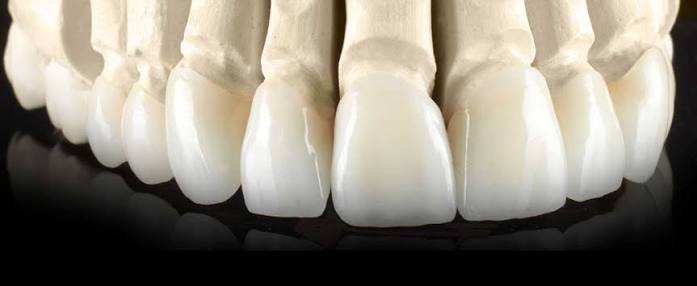
E.max is a lithium disilicate glass-ceramic that is widely used for anterior esthetic restorations. It is often chosen when the clinician wants high translucency, enamel-like light behavior and a restoration that can blend naturally with adjacent teeth.
E.max anterior crowns can work well when the preparation shade is favorable, the tooth reduction supports the material, and the bonding plan is appropriate. It is especially useful when the restoration needs a natural incisal effect, lifelike brightness and careful shade matching. However, E.max is not the automatic answer for every anterior case, especially when the stump shade is dark or the patient has high functional risk.
When Zirconia May Be Preferred Anteriorly
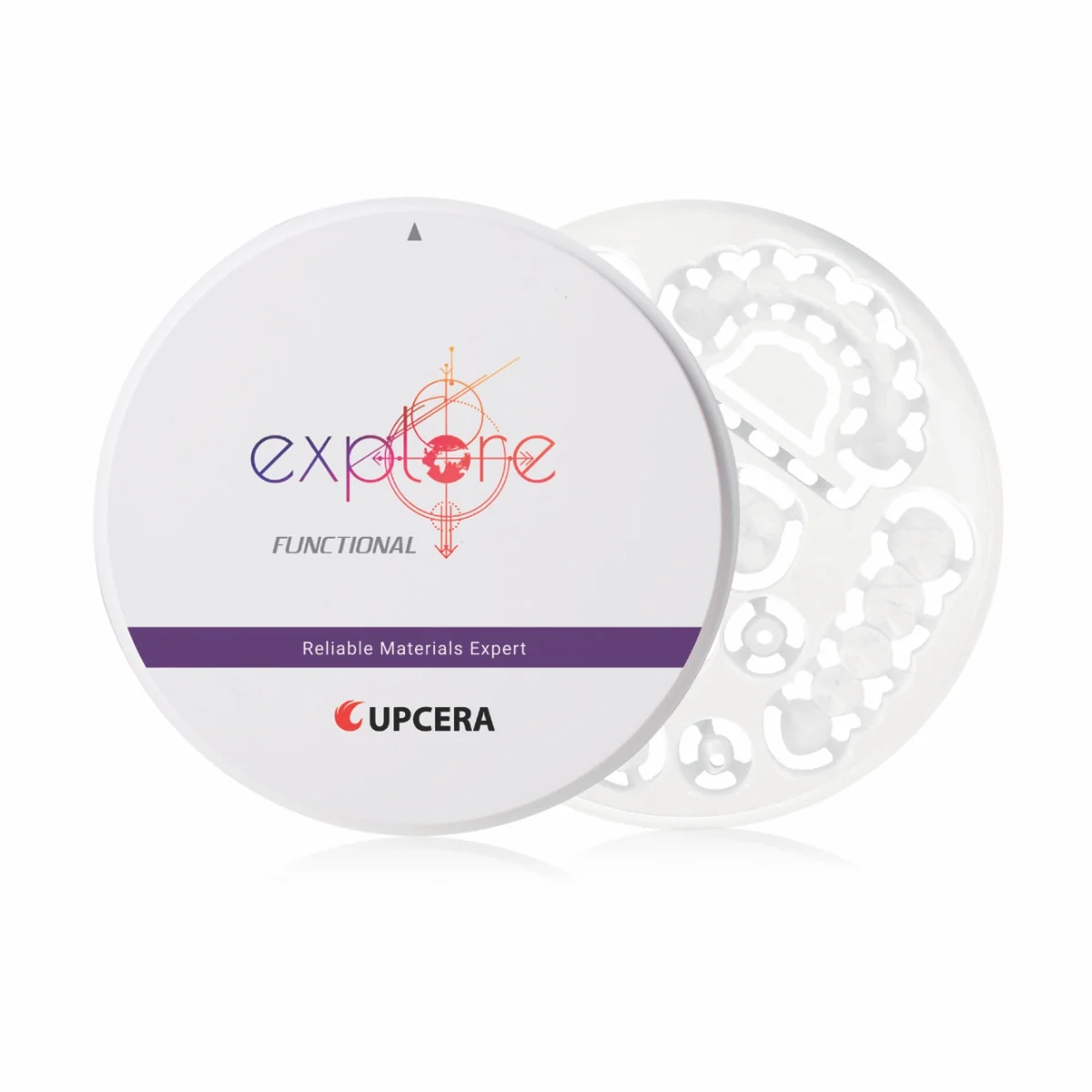
Zirconia may be preferred for anterior crowns when the dentist needs higher strength, more masking ability or better support in a case with parafunction concerns. Modern multilayer and high-translucency zirconia options have improved esthetic performance compared with older opaque zirconia, but they still behave differently from glass ceramics.
For anterior zirconia crowns, material selection should be specific. Monolithic zirconia, multilayer zirconia and layered zirconia do not create the same esthetic result. A high-strength zirconia may mask a dark stump better, while a more translucent zirconia may look more natural but provide less masking. The lab should follow the prescription and confirm the esthetic goal before production.
Translucency and Light Transmission
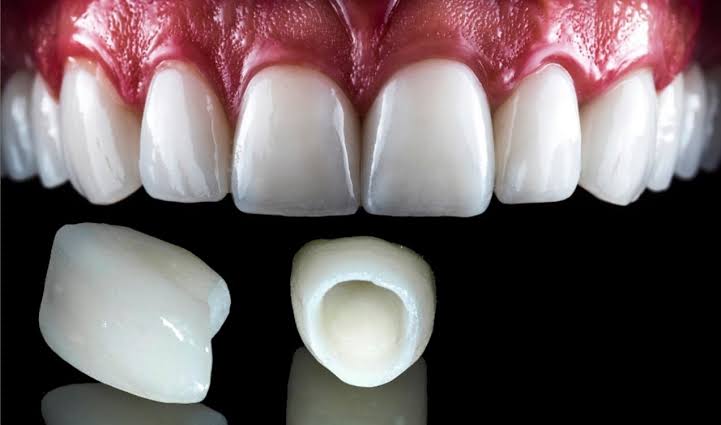
Translucency is one of the biggest differences between E.max and zirconia in anterior crowns. Lithium disilicate generally allows more light transmission, which can help an anterior crown blend with natural enamel. Zirconia generally transmits less light, although newer translucent zirconia materials have narrowed the esthetic gap in selected indications.
A comparative transmittance study found that high-translucency lithium disilicate had higher light transmittance than the zirconia groups tested, while zirconia remained valuable for strength and biocompatibility. See the PubMed-indexed study on zirconia and lithium disilicate transmittance. A more recent veneer study also reported lower translucency values for monolithic zirconia compared with lithium disilicate in thin anterior restorations.See the 2024 translucency and color perception study.
The practical takeaway is simple: E.max is usually stronger for natural translucency, while zirconia may be better when opacity and masking are part of the case goal. The dentist and lab should decide whether the restoration needs to transmit light, block underlying color or balance both requirements.
Shade Matching and Stump Shade
Shade matching for anterior crowns is not only about selecting A1, A2 or another standard shade. The final result is affected by the preparation color, ceramic translucency, ceramic thickness, cement shade, layering, surface texture and the shade of adjacent teeth.
A dark stump shade may show through a highly translucent material if there is not enough ceramic thickness or masking strategy. In those cases, the dentist may consider a lower-translucency E.max option, a zirconia option, an opaquer cement strategy or another restorative plan. A study on lithium disilicate crowns found that substrate color, ceramic thickness, translucency and cement shade can all influence the final color outcome.See the substrate and cement shade study.
A recent randomized clinical trial in the esthetic zone compared gradient zirconia and lithium disilicate crowns and reported satisfactory esthetic outcomes for both materials within the study limits. The study is useful because it shows that modern zirconia can be considered for esthetic-zone crowns in selected cases, but case selection and shade workflow still matter.See the shade matching clinical trial.
Preparation Space and Material Thickness
Preparation space strongly affects anterior material selection. E.max usually needs enough thickness to achieve strength and esthetic depth, while zirconia selection depends on the zirconia type, opacity, layering plan and minimum thickness requirements from the material manufacturer.
If the preparation is too conservative, the crown may not have enough space for translucency control, color correction or incisal characterization. If the preparation is too aggressive, biological and clinical risks increase. The dental lab should review scans or models and tell the clinic when the submitted space may not support the requested material or esthetic goal.
Strength and Parafunction Considerations
Strength matters for anterior crowns when the patient has parafunction, edge-to-edge bite, limited overjet, deep bite, implant-supported restorations or other functional risks. Zirconia may be considered when strength and fracture resistance are higher priorities. E.max may still be appropriate in many anterior cases when preparation design, bonding, occlusion and thickness are suitable.
The page should not claim that one material lasts longer for every patient. Clinical longevity depends on tooth preparation, material selection, bonding or cementation, occlusion, parafunction, oral hygiene and follow-up. A useful article should explain the decision factors rather than promise a fixed lifespan.
Layered Zirconia vs. Monolithic Zirconia for Anterior Cases
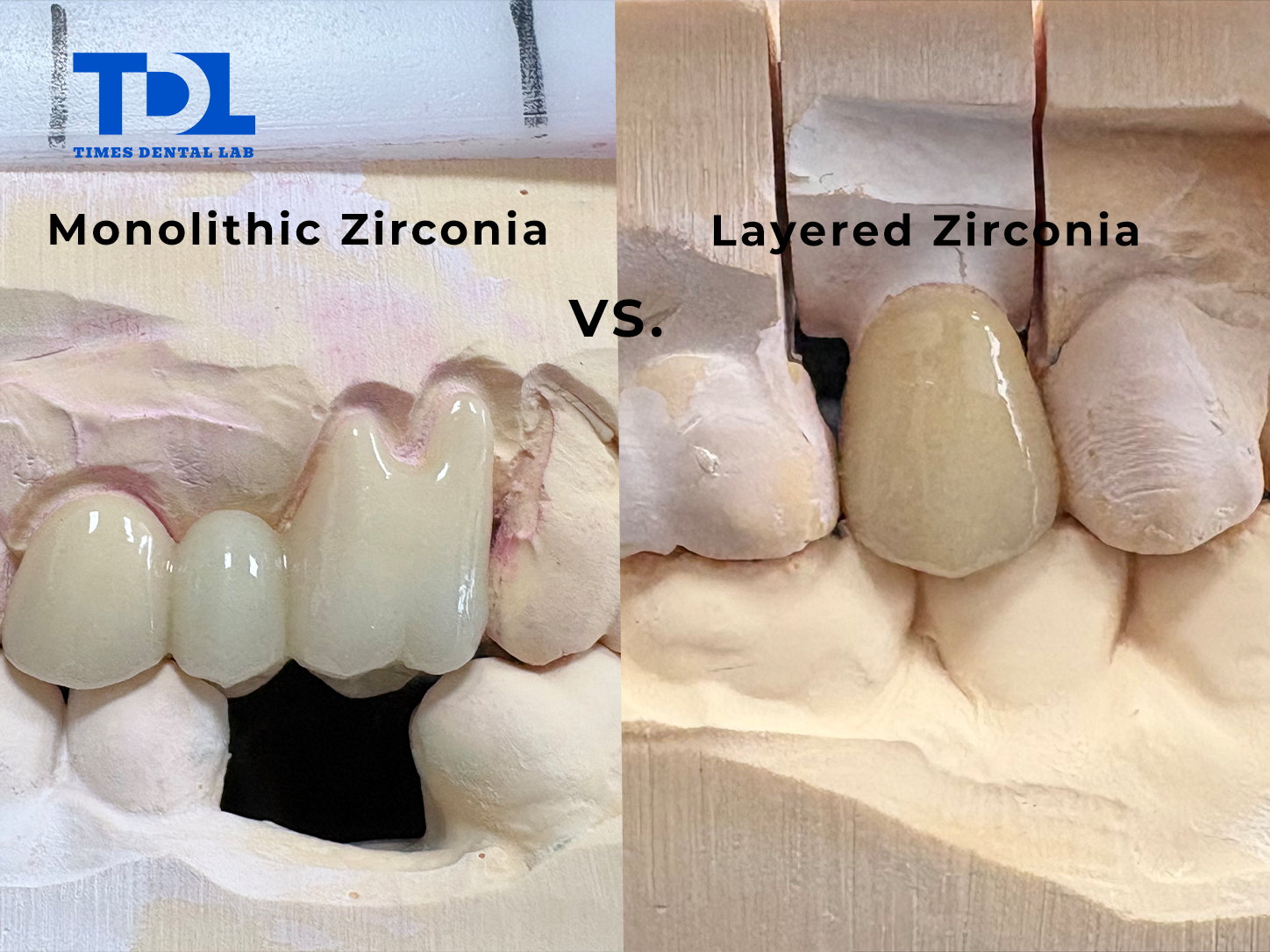
Layered zirconia and monolithic zirconia solve different anterior problems. Layered zirconia can provide more ceramic characterization and depth because veneering porcelain can be used to build esthetic effects. Monolithic zirconia may offer a simpler and stronger structure but may require careful material selection and staining to avoid a flat or overly opaque appearance.
For anterior cases, the dentist should tell the lab whether the priority is maximum strength, maximum esthetic layering, masking, incisal translucency or a balance of these factors. The dental lab should not assume that all zirconia anterior crowns should be monolithic or that all esthetic anterior crowns should be E.max.
What Information Should Be Sent to the Dental Lab?
Anterior crown cases require more visual information than many posterior crown cases. The lab needs more than an STL file and a shade code because the final restoration must match the smile, adjacent teeth and clinical esthetic plan.
|
Information to Send |
Why It Matters for Anterior Crown Esthetics |
|
Pre-op photos and smile photos |
Shows lip line, smile curve, incisal display, tooth shape and facial context. |
|
Intraoral photos |
Helps the lab evaluate adjacent teeth, texture, value, chroma and incisal effects. |
|
Shade tab photos |
Gives the lab a visual reference when the shade tab is photographed in the same lighting as the teeth. |
|
Stump shade or die shade |
Helps select translucency, ingot or zirconia type when the preparation is dark or discolored. |
|
Material preference |
Clarifies whether the prescription requests E.max, monolithic zirconia, layered zirconia or another ceramic option. |
|
Preparation space |
Confirms whether the selected material and layering plan can be supported safely. |
|
Occlusal and parafunction notes |
Helps the lab understand whether strength or wear risk should influence material selection. |
|
Opposing dentition or bite scan |
Supports contact, incisal guidance and functional design review. |
|
Adjacent restoration information |
Helps match existing crowns, veneers, implants or natural teeth. |
|
Surface texture and characterization notes |
Guides mamelon effects, translucency zones, white lines, glaze level and final finish. |
FAQ
Is E.max better than zirconia for anterior crowns?
E.max is often preferred for anterior crowns when translucency and natural enamel-like esthetics are the main goals. Zirconia may be preferred when strength, masking ability or parafunction risk is more important. The better material depends on the case.
Can zirconia be used for anterior crowns?
Zirconia can be used for anterior crowns, especially when strength or masking is needed. The dentist and lab should choose the zirconia type carefully because monolithic, multilayer and layered zirconia do not create the same esthetic result.
Why is stump shade important for anterior crowns?
Stump shade affects the final crown color because translucent ceramics can allow the underlying preparation color to influence the restoration. Dark stump shades may require a different material, opacity level, ceramic thickness or cement strategy.
Which material has better translucency, E.max or zirconia?
E.max generally has higher translucency than zirconia. Newer translucent zirconia materials can improve anterior esthetics, but they usually do not behave exactly like lithium disilicate glass-ceramic.
Should anterior crowns be monolithic or layered?
Anterior crowns can be monolithic or layered depending on material, strength needs, esthetic goals, space and dentist preference. Layering may help with characterization, while monolithic designs may support strength and simplify production.
What should dentists send for anterior crown shade matching?
Dentists should send pre-op photos, smile photos, intraoral photos, shade tab photos, stump shade, scan or model data, bite information, material preference and notes about texture, incisal effects and adjacent restorations.
Times Dental Lab
Times Dental Lab supports dental clinics and laboratories with zirconia crowns, E.max crowns, anterior esthetic restorations, shade communication, CAD/CAM production and final quality checks. For anterior crown cases, our team reviews the prescription, preparation space, shade information, stump shade notes, photos and material requirements before production.
To improve anterior crown outcomes, send complete shade photos, stump shade information, scan or model data and the dentist's material preference before production begins. This helps Times Dental Lab choose the correct workflow and communicate any missing information before the case moves forward.