Introduction
PFM crowns and bridges are not new, but they are still requested by many dental clinics and laboratories because they combine a metal substructure with a porcelain veneer. In the right case, that combination can provide strength, controlled cost and familiar laboratory handling.
This article explains how overseas clinics and partner labs can evaluate PFM restorations, what case records should be sent to the dental lab and how Times Dental Lab reviews PFM crown and bridge details before production. It is a laboratory workflow guide, not a clinical treatment prescription.
Quick Answer
PFM crowns and bridges, also called porcelain-fused-to-metal restorations, use a metal coping or framework covered by dental porcelain. They may still be practical for selected posterior crowns, multi-unit bridges, budget-sensitive cases and situations where a long-established fixed-restoration option is preferred. They may be less ideal for highly esthetic anterior cases, metal-free requests or patients with metal-related concerns.
What Is a PFM Crown or Bridge?
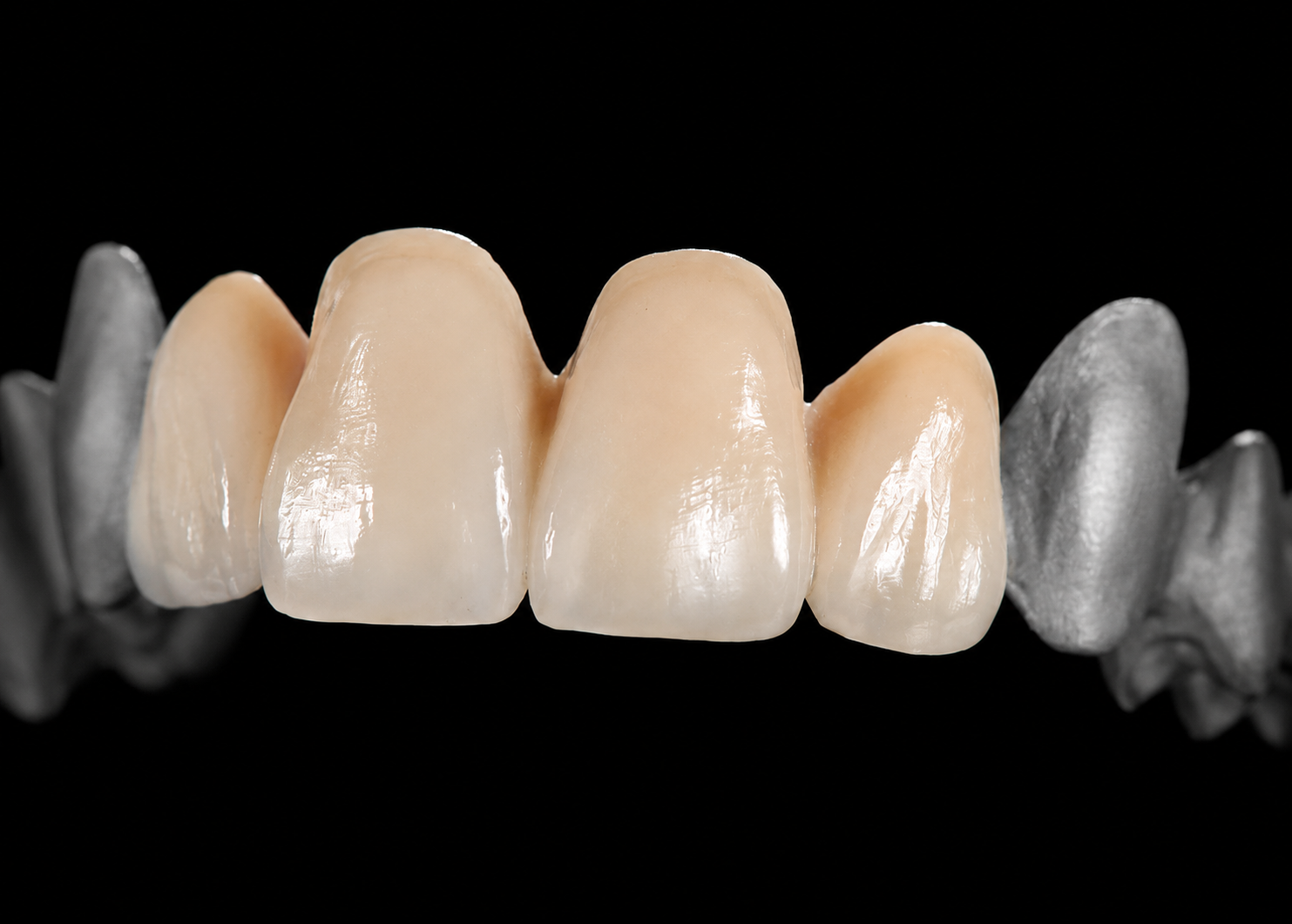
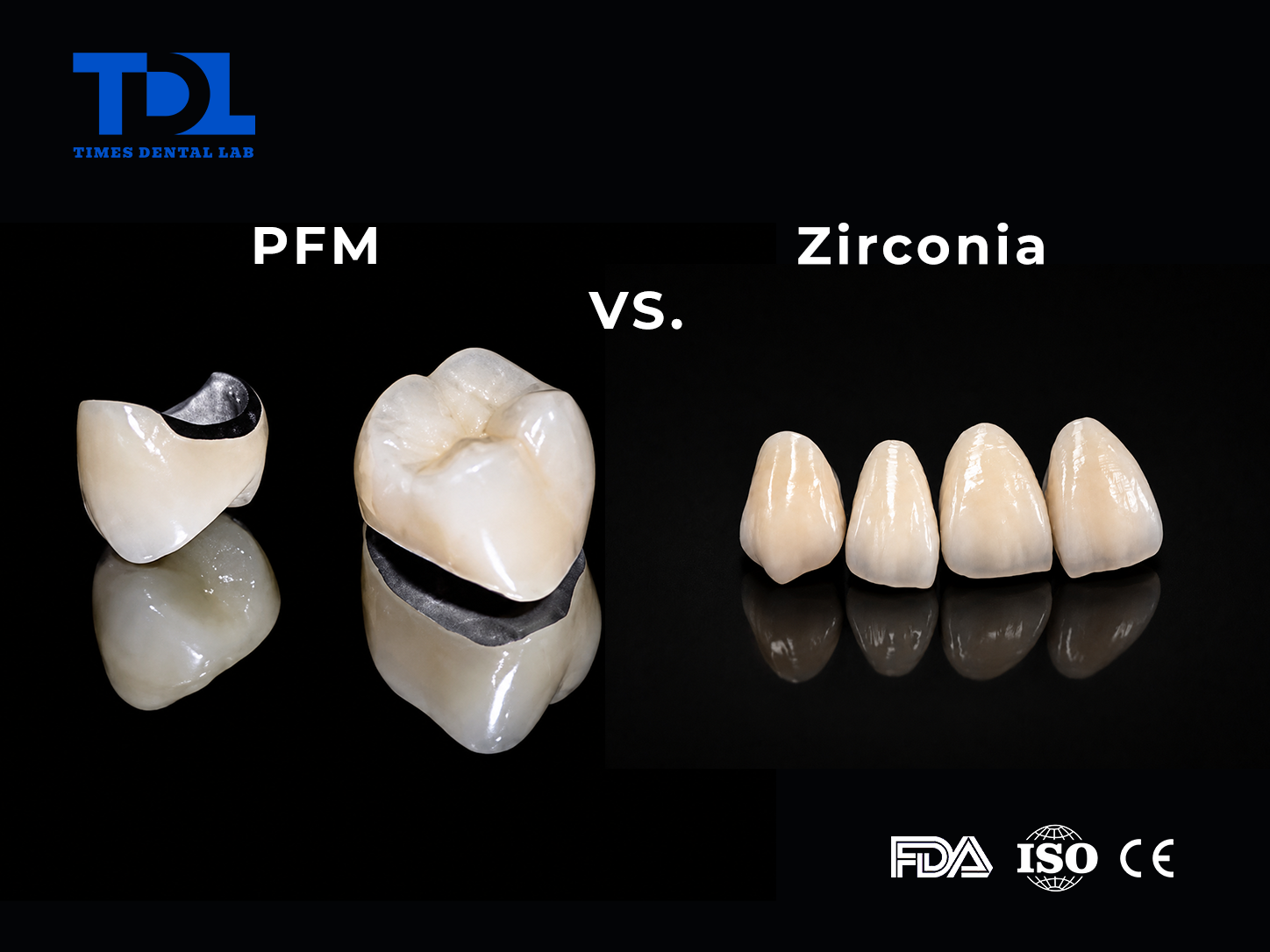
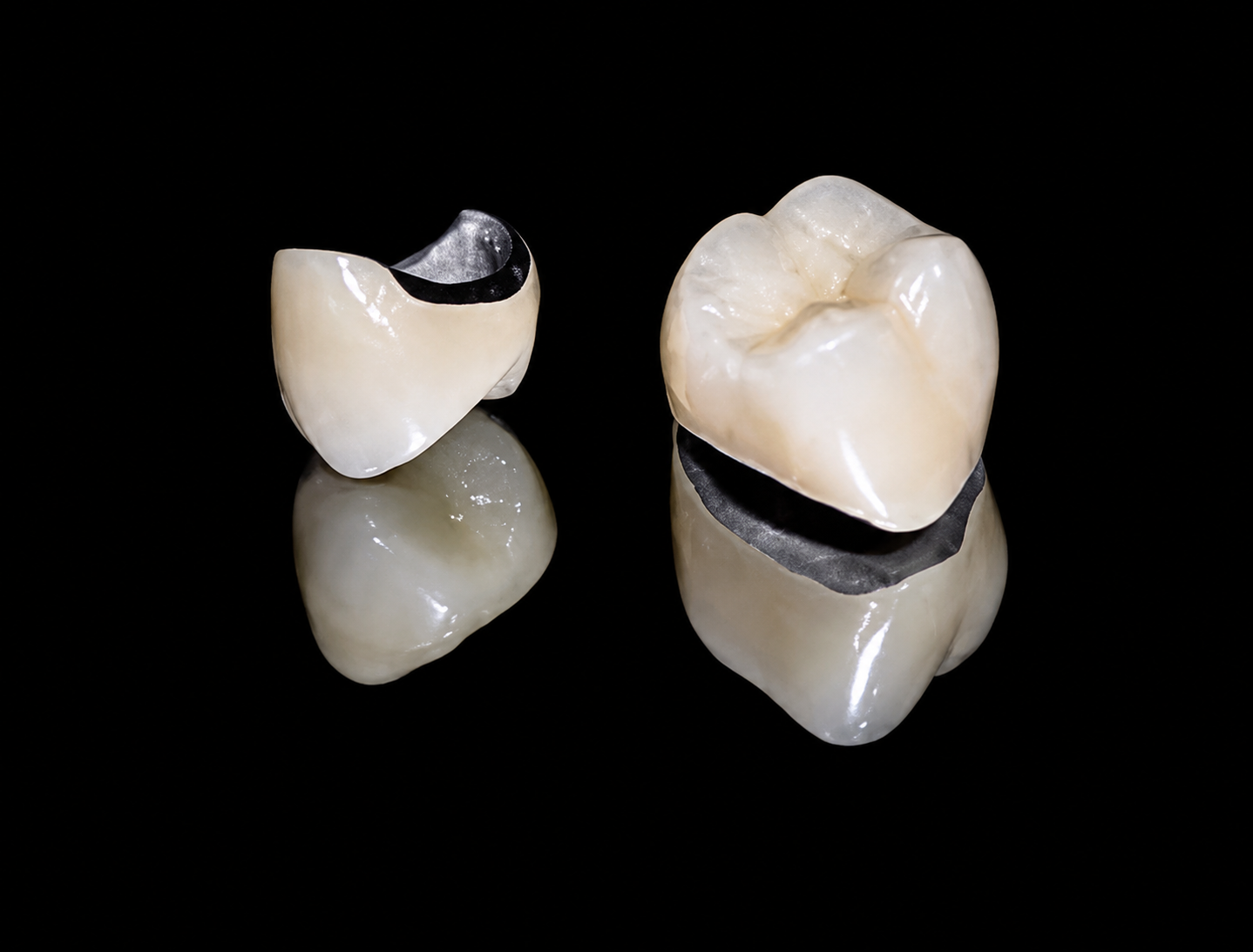
A PFM crown is a fixed restoration made with a metal coping and an outer porcelain layer. A PFM bridge uses the same principle across multiple units, with a metal framework supporting porcelain and pontic design.
The American College of Prosthodontists describes crowns as restorations that cover or cap a tooth to restore function and appearance, and notes that crowns may be made as all-metal, porcelain-fused-to-metal or all-ceramic restorations.
In a PFM restoration, the metal provides framework support while the porcelain layer provides tooth-colored anatomy and shade. The final result depends on preparation quality, material selection, coping design, porcelain support, occlusion, shade information and laboratory processing.
Why Dentists Still Choose PFM Restorations
Dentists may still choose PFM restorations because the material category has a long clinical history and remains familiar to many restorative teams. A CADTH review indexed by PubMed notes that PFM crowns have been considered a traditional standard for repairing damaged teeth, with good mechanical properties and acceptable esthetic results, while also acknowledging esthetic limitations caused by the metal framework and opaque porcelain layer.
Read the CADTH review summary on PubMed for broader evidence context on PFM crowns compared with all-ceramic crowns.
The practical reason PFM remains relevant is not that it is always better. It is that fixed-restoration cases differ. Some cases prioritize esthetics and translucency. Others prioritize bridge span, framework support, cost control, existing clinical preference or compatibility with a long-used restorative workflow.
When PFM May Be Suitable
Posterior Crowns
PFM may be considered for posterior crowns when strength, occlusal support and a familiar restorative design are important. The dental lab still needs enough preparation space for both metal and porcelain, otherwise the restoration may become too thin, bulky or difficult to shade.
Multi-Unit Bridges
PFM bridges may be considered when a metal framework is desired to support multiple units. The bridge design should still be reviewed carefully for connector size, pontic design, occlusion, path of insertion and porcelain support.
Budget-Sensitive Fixed Restorations
In some markets, PFM may remain a practical option when the clinic or patient needs a fixed restoration but does not require a metal-free ceramic solution. The final decision should consider local expectations, material options, esthetic demands and clinical judgment.
When PFM May Not Be Ideal
PFM may not be the best choice when the main requirement is high translucency in the anterior esthetic zone. The metal coping and opaque porcelain layer can make natural light transmission more difficult than with selected all-ceramic materials.
PFM may also be less suitable when the prescription requires a metal-free restoration, when metal sensitivity is a concern, when gingival recession may expose a dark margin or when the clinician wants a more translucent ceramic result. These limitations should be discussed before the case is sent to production.
PFM Crown and Bridge Design Factors
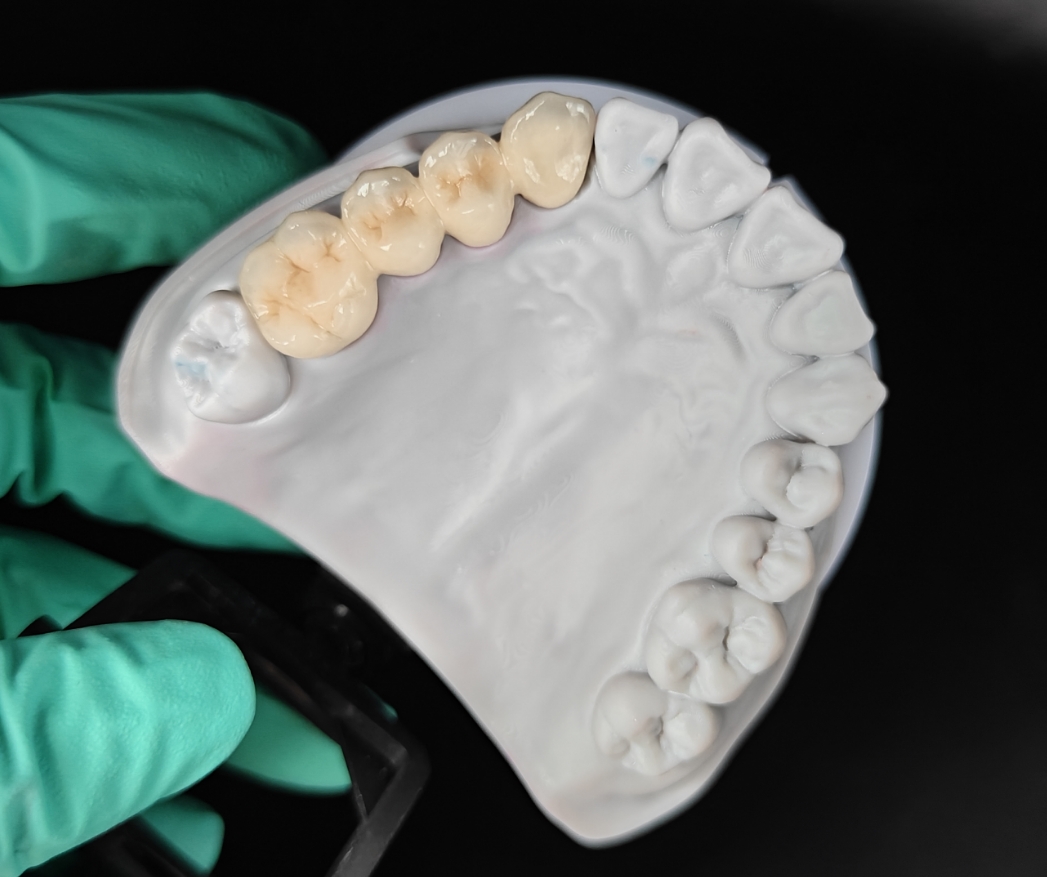
Metal Coping and Framework Support
The metal coping or bridge framework should support the porcelain and match the intended restoration design. Unsupported porcelain, thin porcelain over sharp framework transitions or poorly planned connector areas can increase the risk of chipping or contour problems.
Margin Design
PFM margins should be clearly visible in the scan, impression or model. The margin design must match the clinical preparation and restoration requirement. For more detail, see the Times guide to dental crown margin design.
Porcelain Layering and Shade
PFM esthetics depend on porcelain layering, available space, opacity control and shade information. The ACP position statement on color replication notes that porcelain-fused-to-metal and other layered restorations involve artistic and technical variables such as layer thickness, glazing and firing conditions.
Occlusion and Contact
Occlusion and contact design are important for all crowns and bridges, but they are especially relevant when porcelain is layered over a metal substructure. High occlusion, heavy excursive contact or insufficient clearance can create additional adjustment or chipping risk.
What Records Should Be Sent to the Dental Lab?
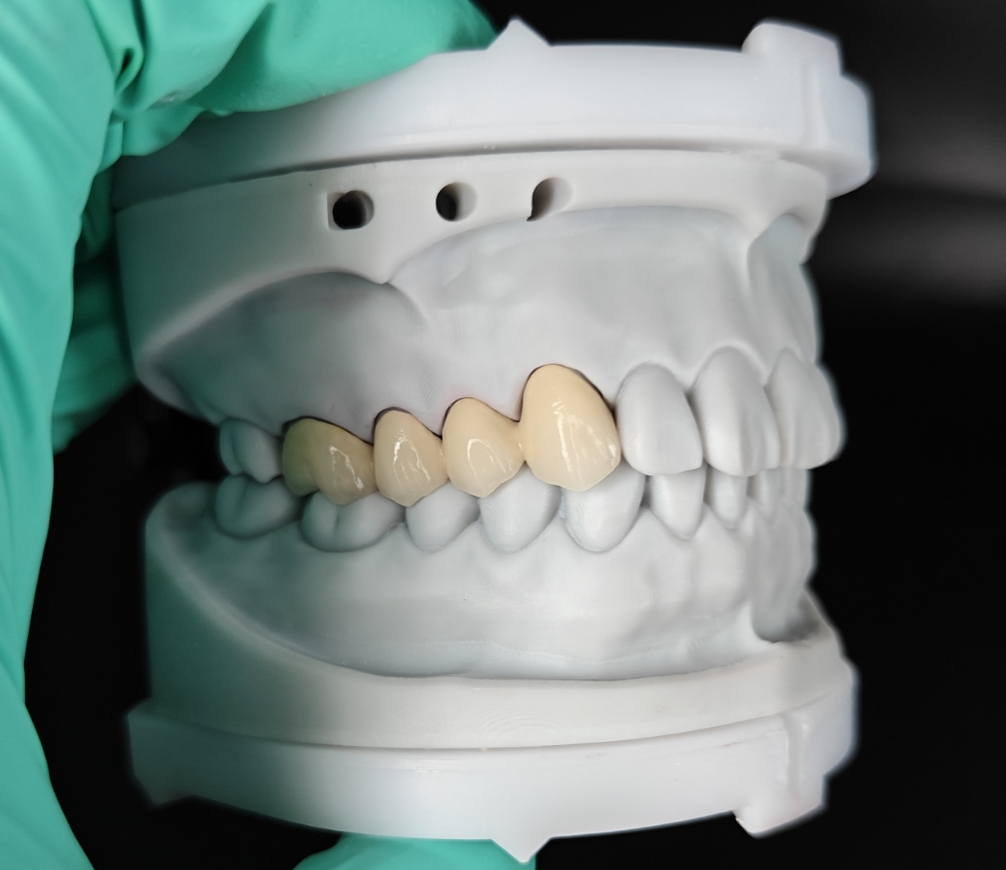
A PFM case should include clear upper and lower scans or physical models, a bite record, tooth number, restoration type, shade information, margin visibility and any specific design instructions. For bridge cases, the lab also needs the number of units, pontic area, connector expectations and abutment information.
Useful shade records include shade-tab photos, stump shade if relevant and photos taken under consistent lighting. For esthetic PFM cases, it helps to include information about the desired cervical, body and incisal character rather than only a single shade code.
For a broader preparation list, use the Times dental lab case submission checklist. Complete records help the lab avoid guessing about margin, occlusion, pontic design or material preference.
Times Dental Lab PFM Workflow
Times Dental Lab reviews PFM cases before production to confirm the restoration type, material instruction, margin visibility, bite relationship, opposing arch and shade information. If a bridge is requested, the team also checks unit count, pontic area and connector-related design risk.
The PFM workflow may include case review, framework design or wax-up, metal framework production, framework check, porcelain layering, contouring, glazing and final quality control. Final QC focuses on whether the restoration matches the prescription and whether fit, contacts, occlusion, surface, shade and case identification are ready for delivery.
PFM crowns and bridges are part of the wider Times crowns and bridges product range for overseas clinics and partner laboratories.
Common PFM Problems and How the Lab Helps Prevent Them
Unclear Margins
If the finish line is unclear, the lab may not be able to mark the margin confidently. Times may pause the case and request clarification before design or production continues.
Insufficient Space
PFM requires space for both the metal substructure and porcelain. If there is not enough occlusal or axial space, the restoration may need design compromise, clinical confirmation or a revised preparation plan.
Shade Mismatch
Shade mismatch can result from limited photos, inconsistent lighting, stump shade influence or insufficient porcelain space. Detailed shade photos and clear esthetic expectations reduce the risk of miscommunication.
Porcelain Chipping
Porcelain chipping risk can be influenced by framework support, occlusion, porcelain thickness, connector design and finishing. The laboratory can help reduce avoidable risk by checking support, clearance and occlusal contact before final delivery.
PFM vs Zirconia: Practical Difference
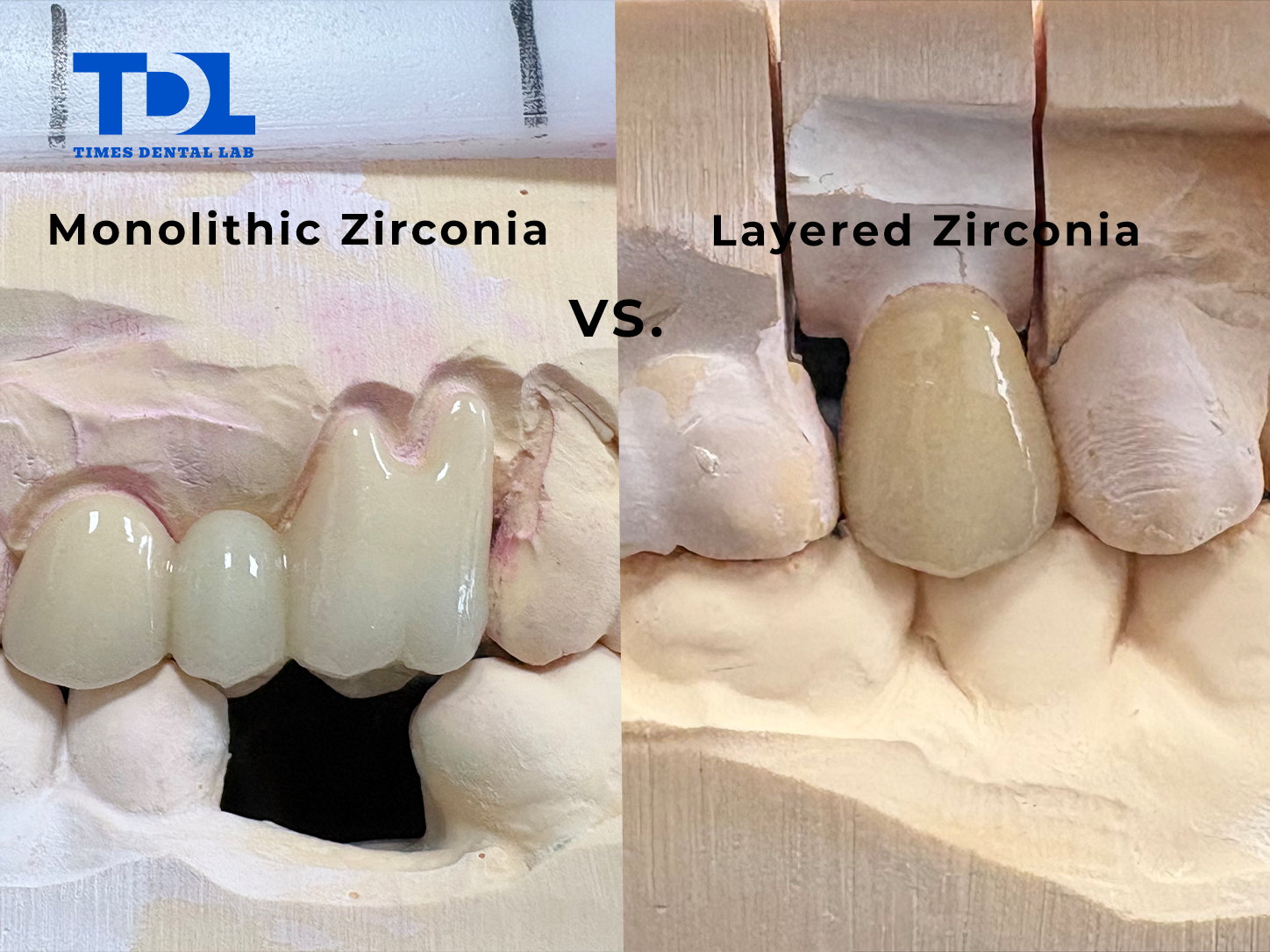
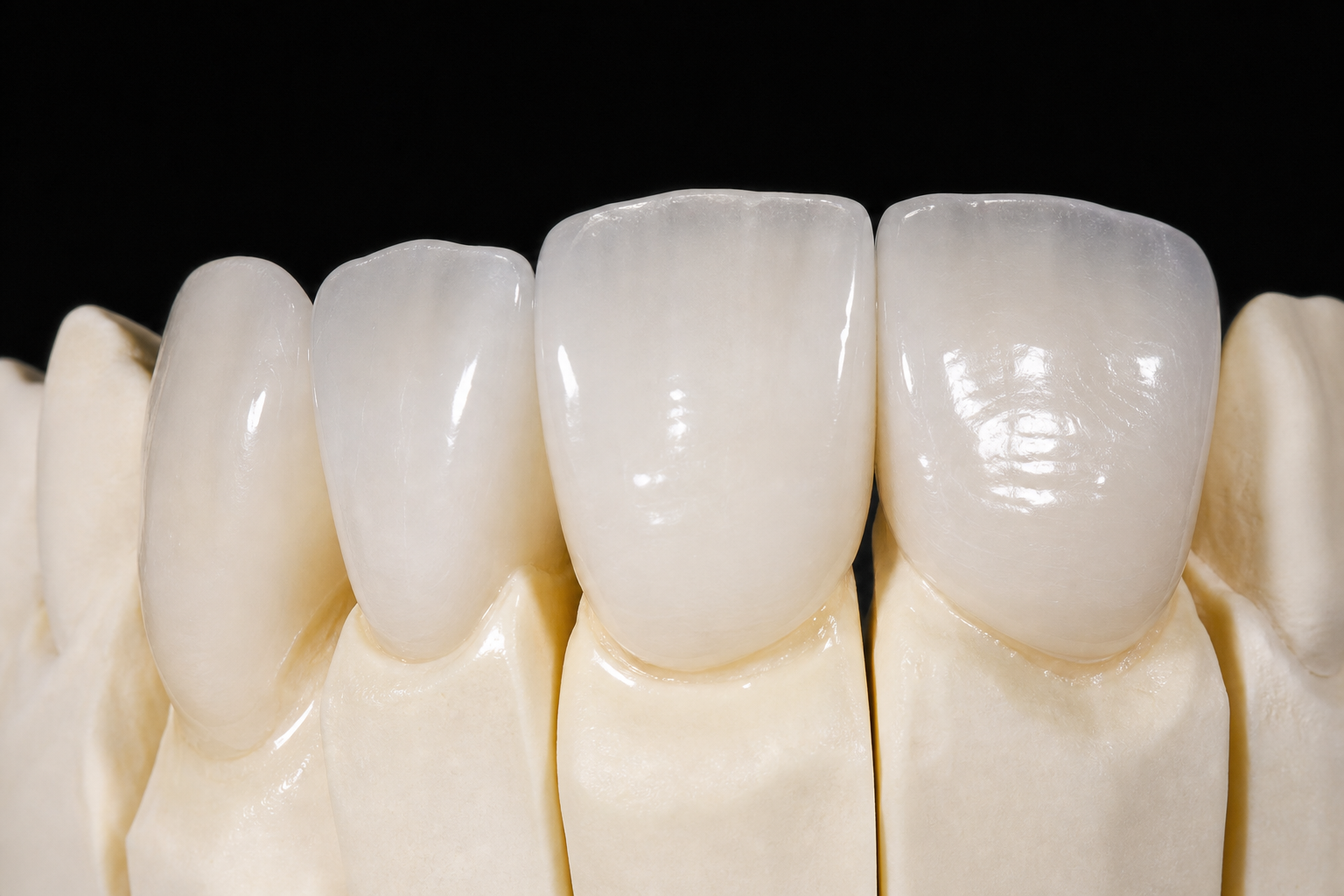
PFM and zirconia are both used for fixed restorations, but they solve different problems. PFM relies on a metal framework and porcelain veneer, while zirconia restorations may be monolithic or layered depending on the case. Zirconia is often preferred when a metal-free option or improved esthetic translucency is desired, but PFM may still be considered for selected bridge or posterior cases.
For a fuller material comparison, read the Times guide to PFM vs. Zirconia Crowns.
Frequently Asked Questions
Are PFM crowns still used today?
Yes. PFM crowns are still used in selected fixed-restoration cases, especially where a familiar metal-ceramic workflow is preferred. They are not the best choice for every case, especially when high translucency or metal-free materials are required.
What is the difference between a PFM crown and a PFM bridge?
A PFM crown restores one tooth with a metal coping and porcelain veneer. A PFM bridge uses a metal framework across multiple units, with porcelain and pontic design used to replace or support missing tooth areas.
Is PFM better than zirconia?
PFM is not simply better or worse than zirconia. The better option depends on location, esthetic demand, bridge span, occlusion, metal-free preference, budget and the clinician's treatment plan.
What information should be sent for a PFM bridge?
The lab should receive clear scans or models, bite record, shade information, tooth numbers, number of bridge units, pontic design requirement, margin visibility and any special instructions.
Can PFM restorations chip?
PFM restorations can chip if porcelain support, thickness, occlusion, design or clinical conditions create unfavorable stress. Good framework support and clear occlusal records help reduce avoidable risk.
Does Times Dental Lab make PFM crowns and bridges?
Yes. Times Dental Lab supports PFM crowns and bridges as part of its crown and bridge product range for overseas clinics and partner dental laboratories.
Conclusion
PFM crowns and bridges remain a practical option for selected fixed-restoration cases. Their value depends on correct case selection, enough restorative space, clear margins, good shade information, framework support and careful laboratory workflow.
If you are planning a PFM crown or bridge case, send Times Dental Lab the scans or models, bite record, shade photos, bridge unit information and design instructions for review before production. You can contact Times Dental Lab to discuss crown and bridge case requirements.
References
· American College of Prosthodontists: Caps and Crowns
· CADTH / PubMed: Porcelain-Fused-to-Metal Crowns versus All-Ceramic Crowns
· American College of Prosthodontists: Total Color Replication Process for Fixed Prosthodontics