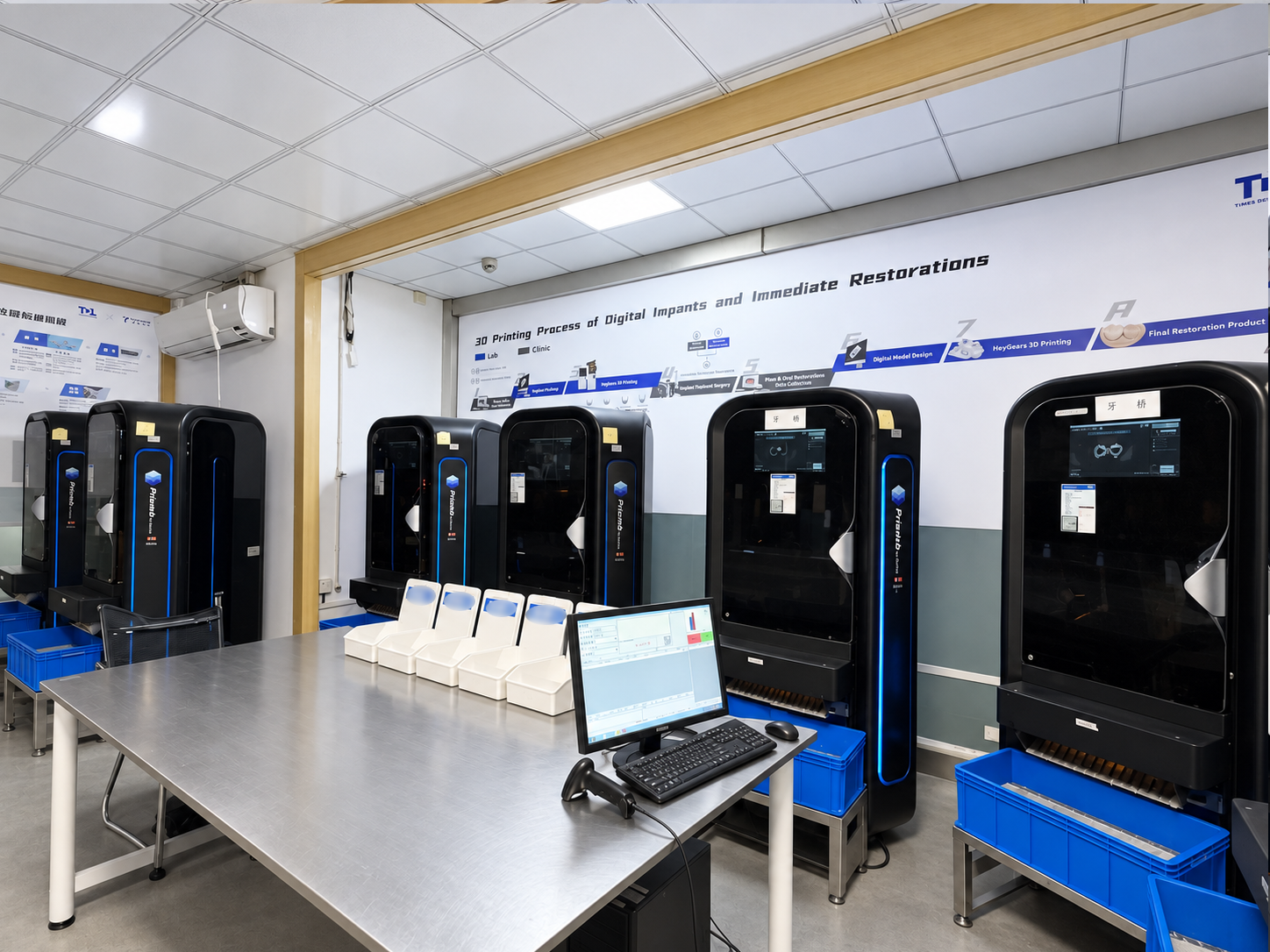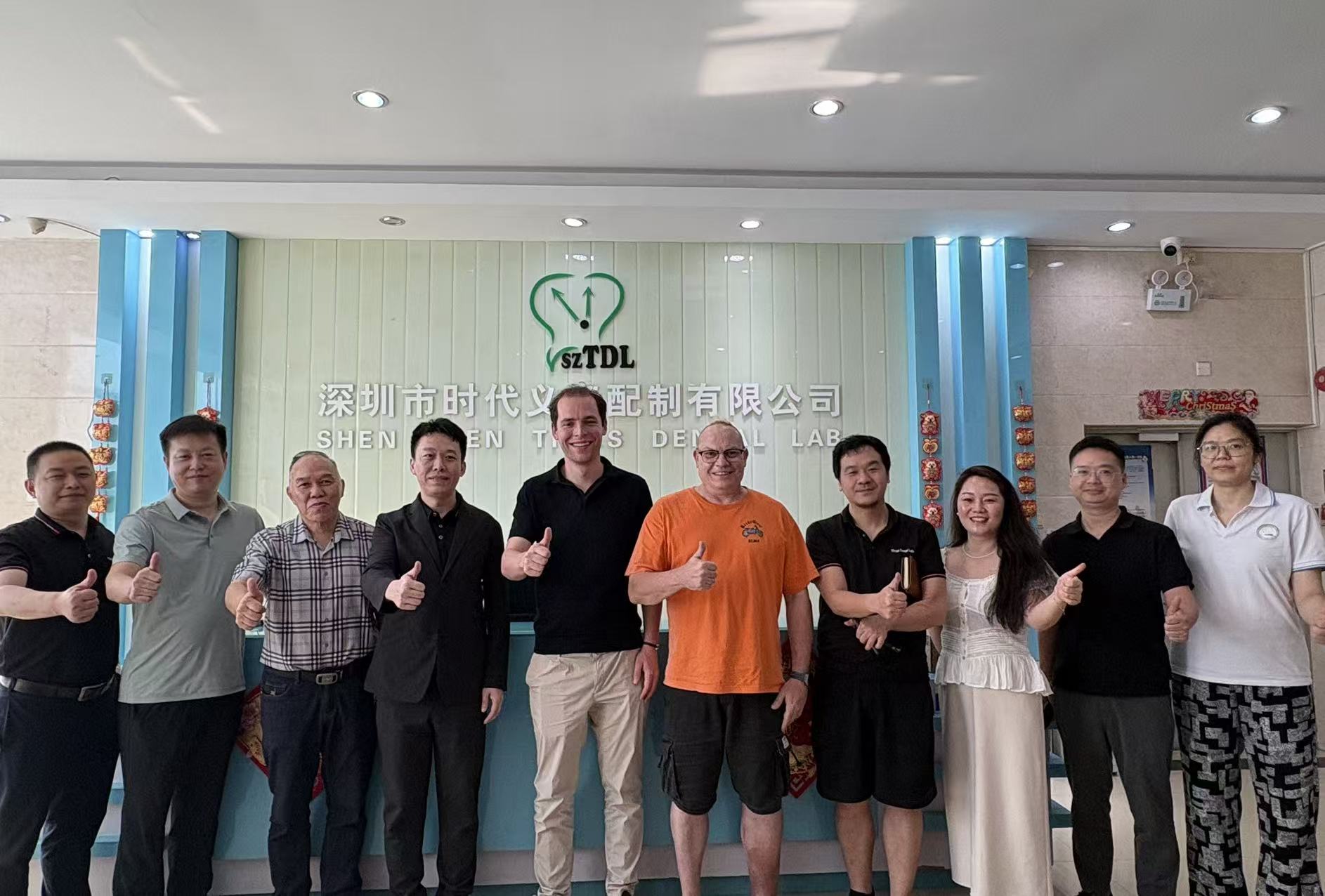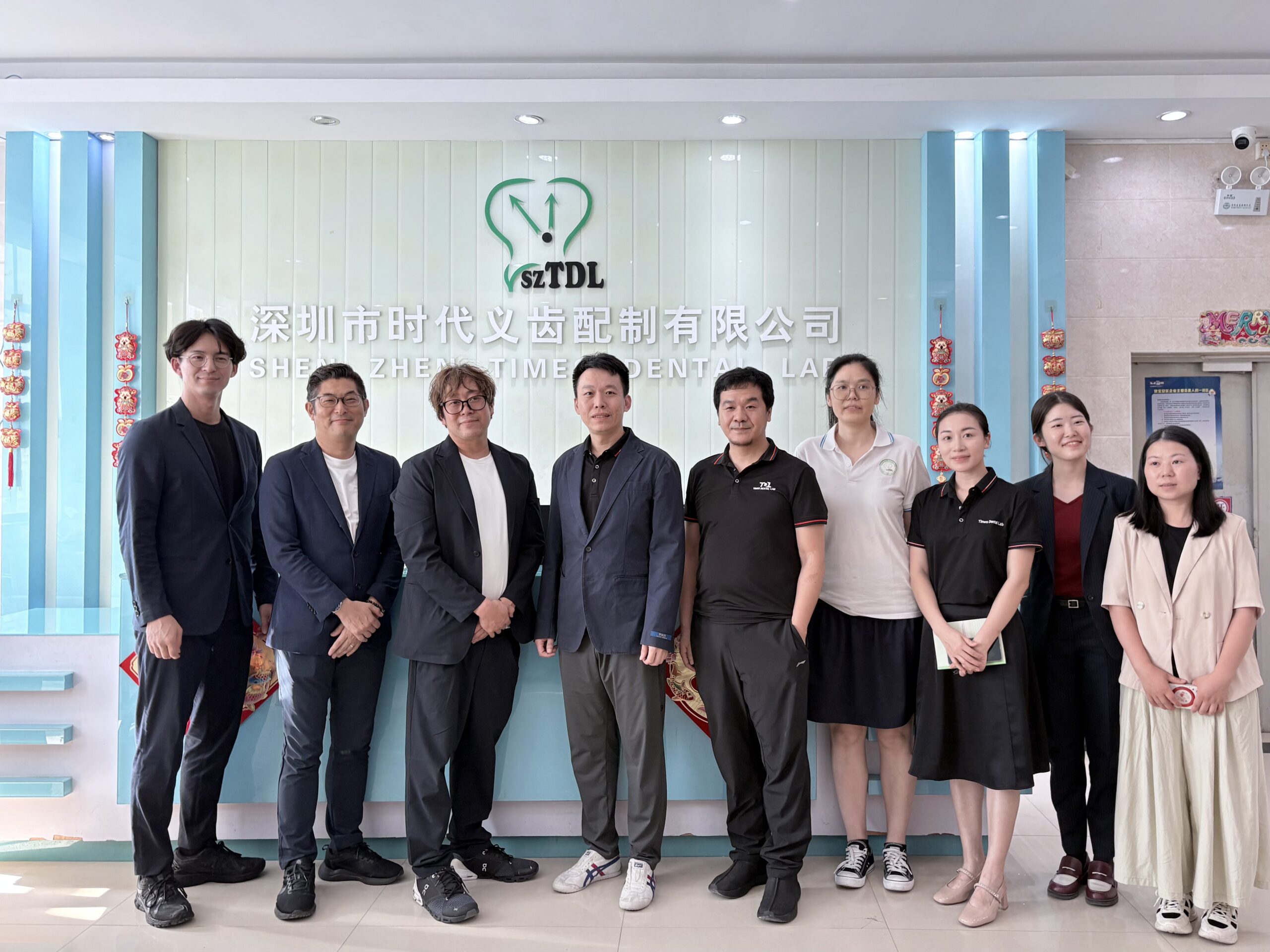
Digital Equipment Connected to Daily Production
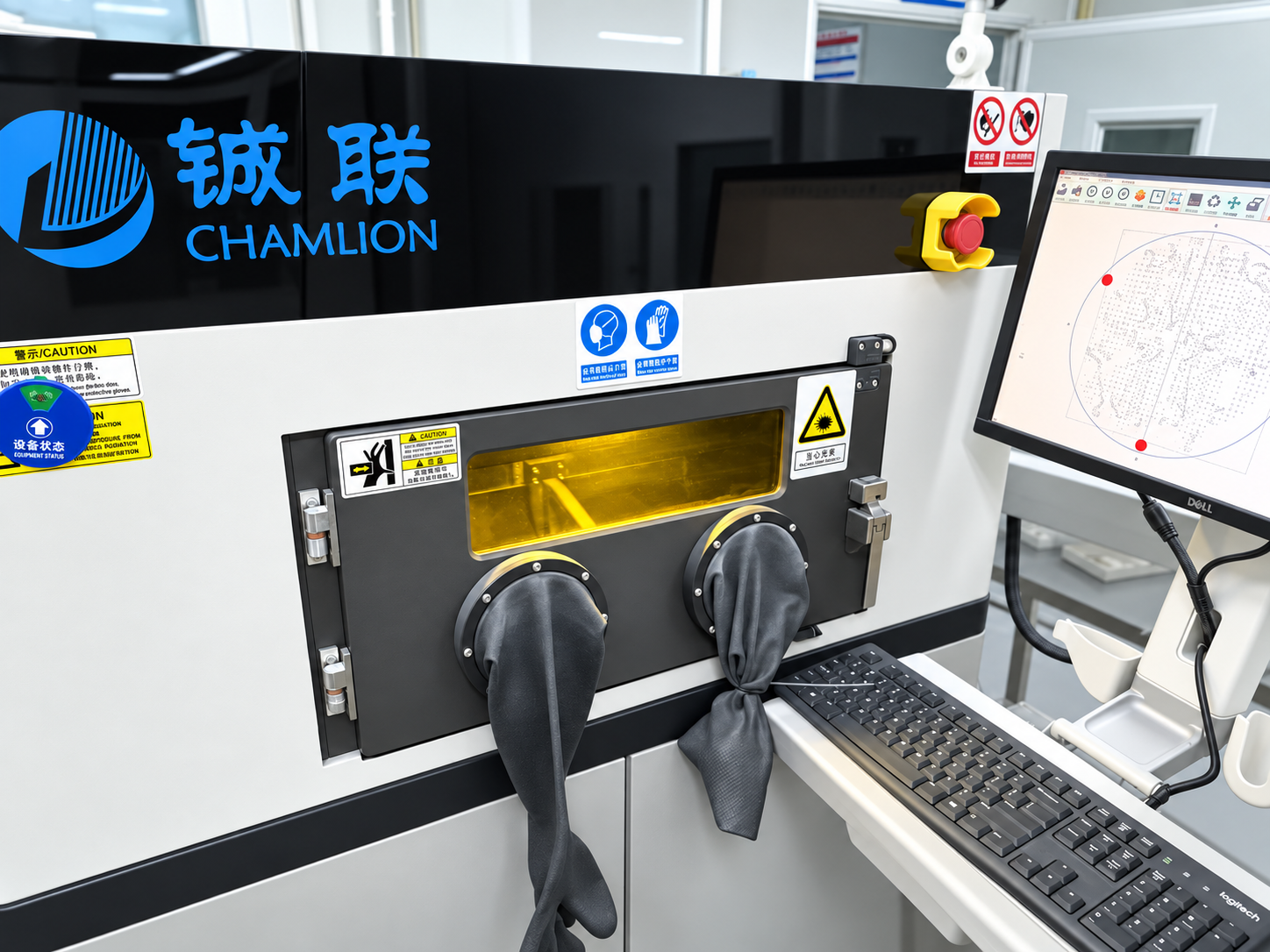
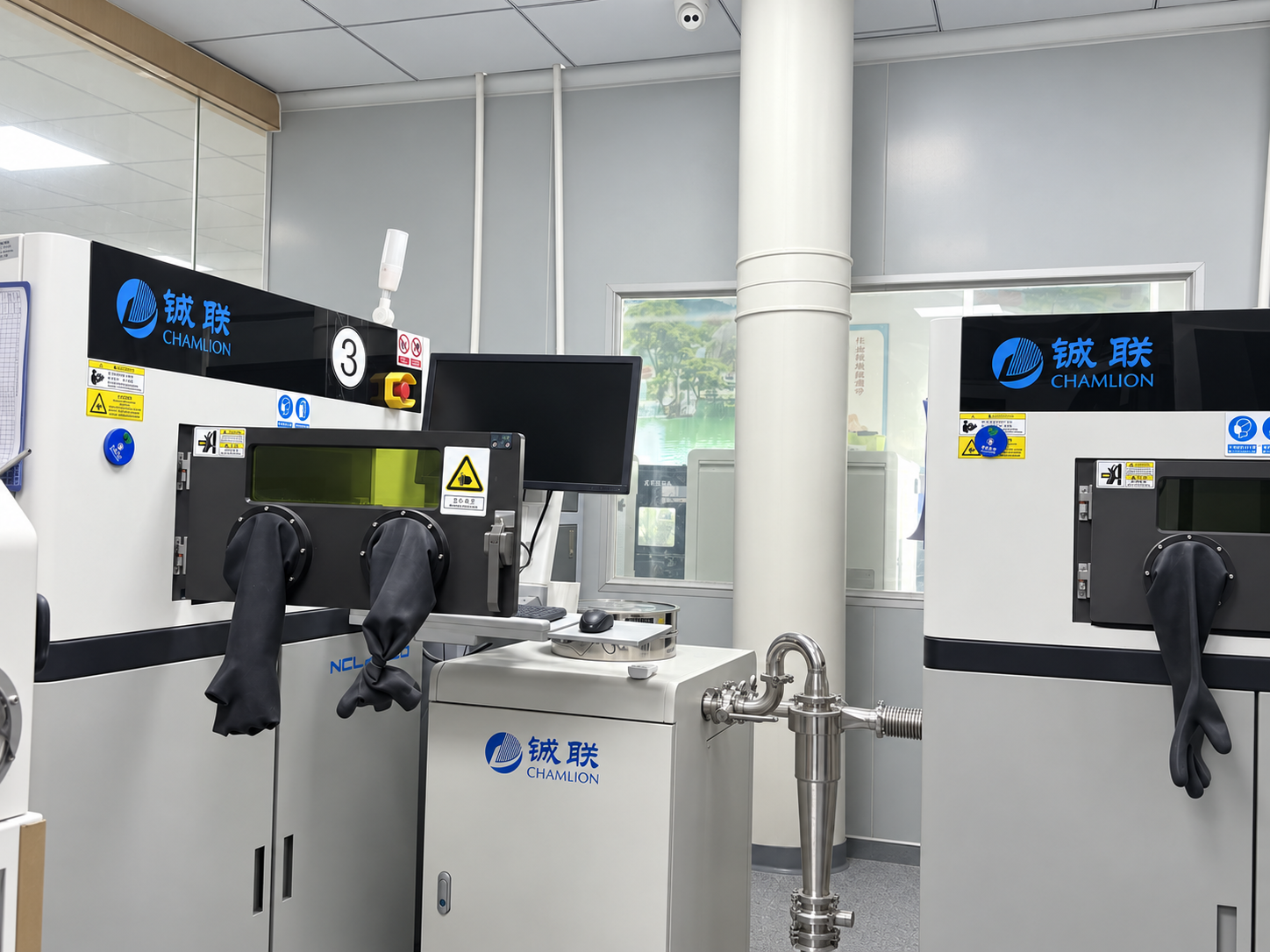
At Times Dental Lab, CHAMLION dental metal 3D printing equipment is part of the daily digital manufacturing workflow for metal dental components. The system supports fixed and removable production, including metal crown and bridge frameworks, cobalt-chromium components and removable partial denture frameworks, according to the confirmed prescription and material requirements.
The value of the equipment is not limited to printing speed. It gives the production team a clearer way to connect reviewed design files, batch planning, metal manufacturing, post-processing and final quality control. This makes capacity easier to manage while keeping technicians responsible for every review and release decision.
From Digital Files to Metal Components
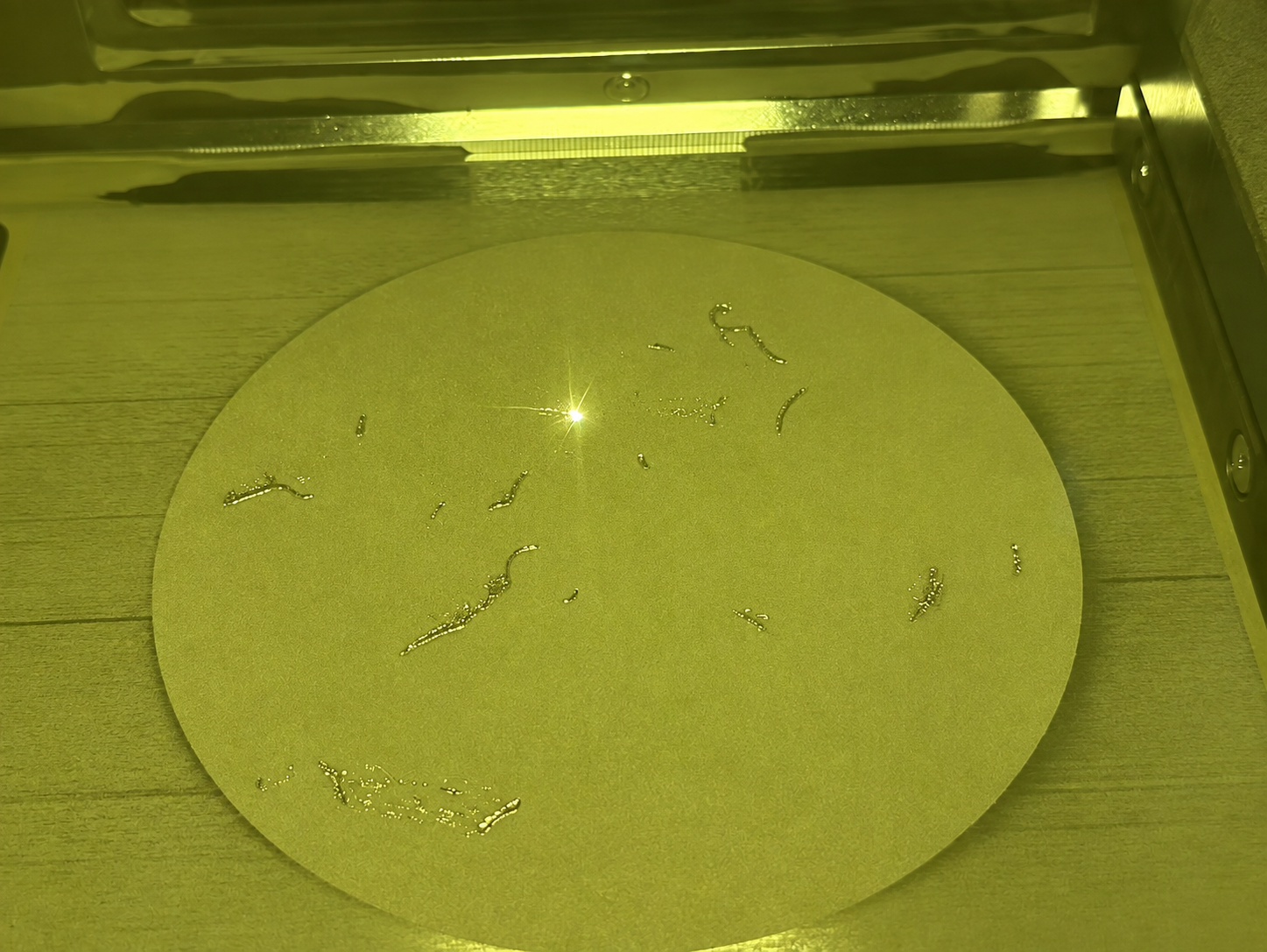
Before a build begins, the Times team checks the product type, design status, material, file integrity and production priority. Approved files are nested on the build platform, supports are prepared and the build is assigned to a production window. After printing, components move through powder removal, support removal, heat treatment or other required post-processing, surface finishing and inspection.
This sequence creates a visible production path. A file cannot move directly from design to shipment. Each stage has a defined purpose, and unclear data or an abnormal result can be stopped before it affects the next process.
What the CHAMLION System Has Improved
Higher Batch Capacity
Times organizes routine metal production in batches of approximately 20-30 removable partial frameworks or 200-300 metal crown units, depending on product height, nesting density, alloy and support requirements. A typical build is completed in about 4-6 hours before the required post-processing stages begin.
This batch capacity allows cases with compatible materials and processes to be grouped together. The production team can see how much work fits into the next build, prepare the following stage in advance and reduce the waiting time created by fragmented small runs.
Less Repetitive Manual Preparation
Compared with a conventional casting workflow, digital metal printing reduces repeated wax-pattern, investment and casting preparation. Times technicians still review the design, set supports, prepare the machine and complete post-processing, but more working time can be directed toward process control and inspection.
For comparable production batches, direct preparation time has been reduced by approximately 30%. The result is not fewer quality checks. It is a different allocation of technical time, with less repeated forming work and more attention available for data review, finishing and release inspection.
More Predictable Production Scheduling
A stable build window helps Times coordinate design release, printing, post-processing and QC. When data is approved before the daily cutoff, metal components can normally enter post-processing on the same working day or in the next scheduled production stage.
During peak periods, production managers can assign confirmed work to available builds before one department becomes overloaded. This improves schedule visibility and reduces avoidable waiting between design and manufacturing.
Digital Traceability for Repeat Cases
The workflow retains the case file, nesting version, material information and production record. When a comparable case is produced again or a batch needs review, the team can trace the digital information instead of relying only on memory or verbal notes.
This makes it easier to identify whether a question began with the source data, design, nesting, printing or post-processing. Confirmed findings can be documented and applied to future production.
Quality Control Before and After Printing
Before printing, Times checks file completeness, product type, alloy and material requirements, nesting, support preparation and build identification. After printing, technicians check component completeness, surface condition, visible distortion, cracking and whether the part is ready for the next process.
Post-processing does not begin automatically when a print finishes. The team first confirms that the build matches the production record. After support removal and finishing, the component is checked again within the wider restoration workflow before it is released to the next department.
Why the Equipment Fits Times Production
CHAMLION developed dental-specific metal 3D printing systems, including the NCL-M2150S dental metal 3D printing platform and its later-generation platform. The equipment family emphasizes full-area printing, simplified build-plate handling and dental production workflows. These characteristics fit a laboratory that needs to manage repeated custom cases rather than one-off industrial parts.
For Times, the practical benefit is the combination of capacity and control. The printer provides a repeatable manufacturing platform, while the laboratory controls file review, material selection, post-processing and final inspection. Neither the machine nor the technician works in isolation.
Technical Support as Part of the Workflow
Long-term equipment value also depends on training, maintenance and technical response. Times and CHAMLION continue to communicate about equipment operation, production questions and workflow coordination. When a recurring issue appears, the teams can review the relevant stage and apply the confirmed solution to future builds.
Moving Digital Dental Manufacturing Forward
CHAMLION metal 3D printing equipment has helped Times Dental Lab organize metal production into clearer, more manageable stages. Batch capacity, production scheduling, digital records and structured QC now work as parts of one workflow rather than separate activities.
Learn more about Times Dental Lab or contact our team to discuss digital dental production and long-term laboratory cooperation.