
Dental instruments play a vital role in the field of dentistry, enabling practitioners to provide effective solutions to a wide range of dental problems. The precision and quality of these instruments are essential to ensuring the success of dental procedures. 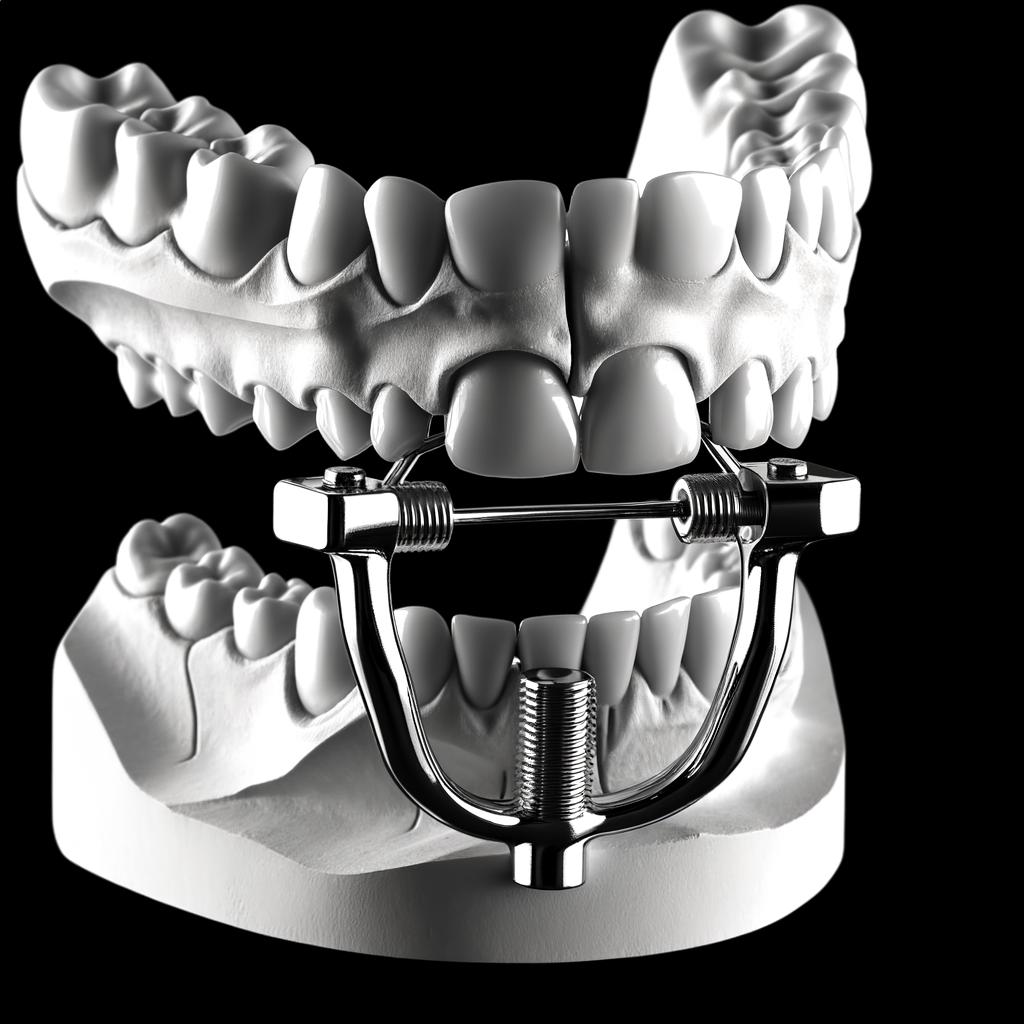
An important dental instrument is the partial denture, also known as a removable partial denture (RPD). This high-quality dental restoration uses a metal framework to provide strength and stability to the overall structure. The framework contains carefully designed clasps and a metal base, which are key components for securely fixing the prosthesis.
These clasps are meticulously crafted to securely hold the partial denture to the patient's natural teeth, ensuring a comfortable and snug fit. The precision of the clasp and overall frame design is crucial to the functionality and comfort of the denture, highlighting the importance of precision in dental instrument manufacturing.
Another important component of partial dentures is the metal base, which supports the artificial teeth. These artificial teeth are custom-made to match the color and shape of the patient's existing teeth for a natural and aesthetically pleasing result. This customized dental appliance, tailored to the patient's unique tooth structure, provides an effective solution for tooth loss and helps restore the patient's chewing and speaking functions.
Furthermore, the exquisite craftsmanship required to manufacture these dental instruments embodies a perfect fusion of dental technical knowledge and art. Meticulous attention to detail ensures that the final product is not only comfortable to wear but also aesthetically pleasing, highlighting the artistry of dental instrument making.
For those seeking to improve both oral function and appearance, obtaining these essential dental restorations is crucial. Partial dentures embody the fusion of oral health and aesthetics, combining functionality and aesthetics in oral care.
In conclusion, a comprehensive understanding and skillful use of dental instruments, including the sophisticated craftsmanship of products such as partial dentures, plays a crucial role in maintaining and improving oral health and overall well-being.
The role of precision dental instruments in the fabrication of high-quality partial dentures
- Dental Materials
- Case Studies
Posted by Finn Li
Categories
Featured Blogs
No blog for now
Tag:
- Company team building
Share On
Related Blogs
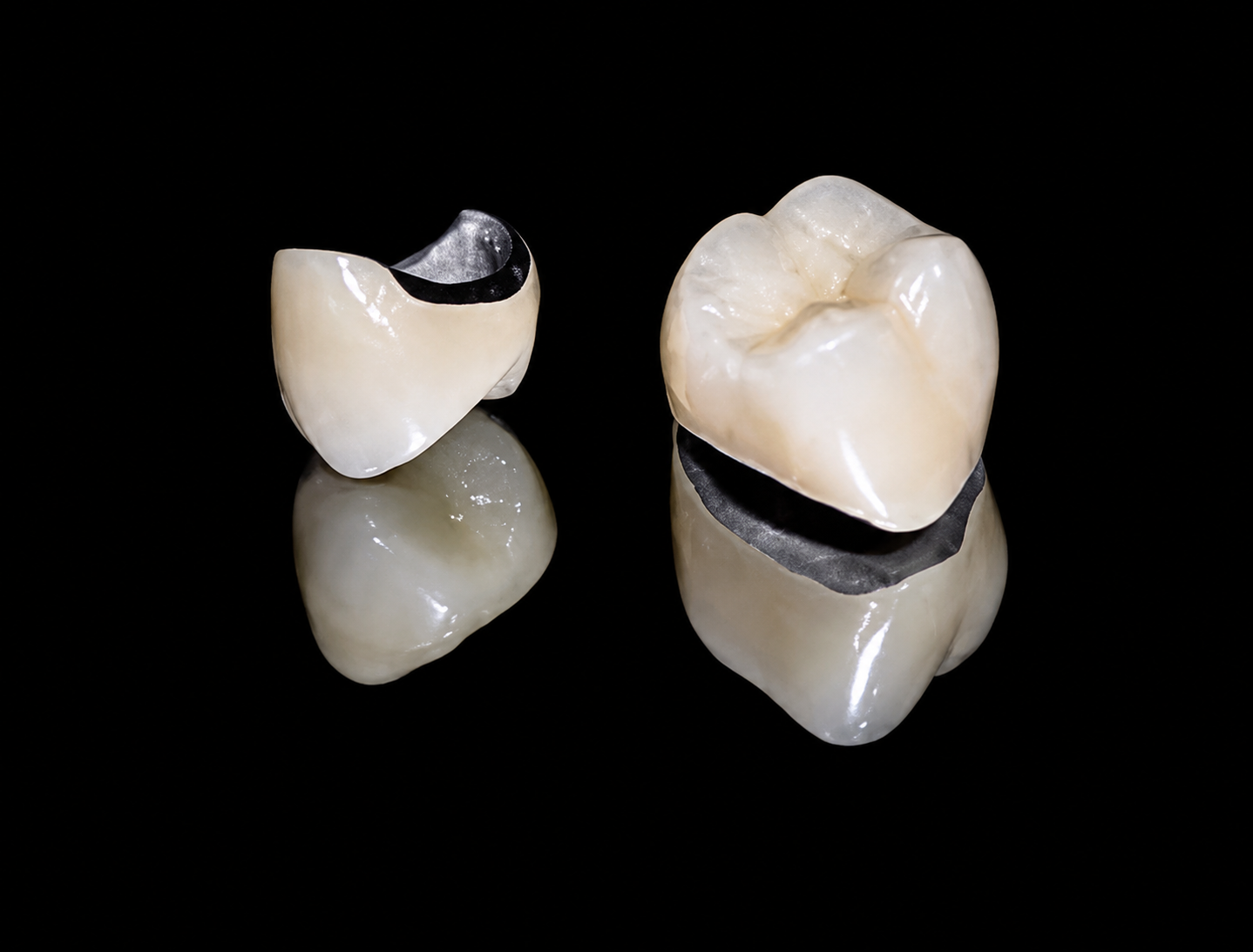
PFM Crowns and Bridges: When They Are Still a Practical Choice
PFM crowns and bridges remain useful in selected fixed-restoration cases. This guide explains when they may be considered, what records to send and how Times Dental Lab checks PFM workflow details.
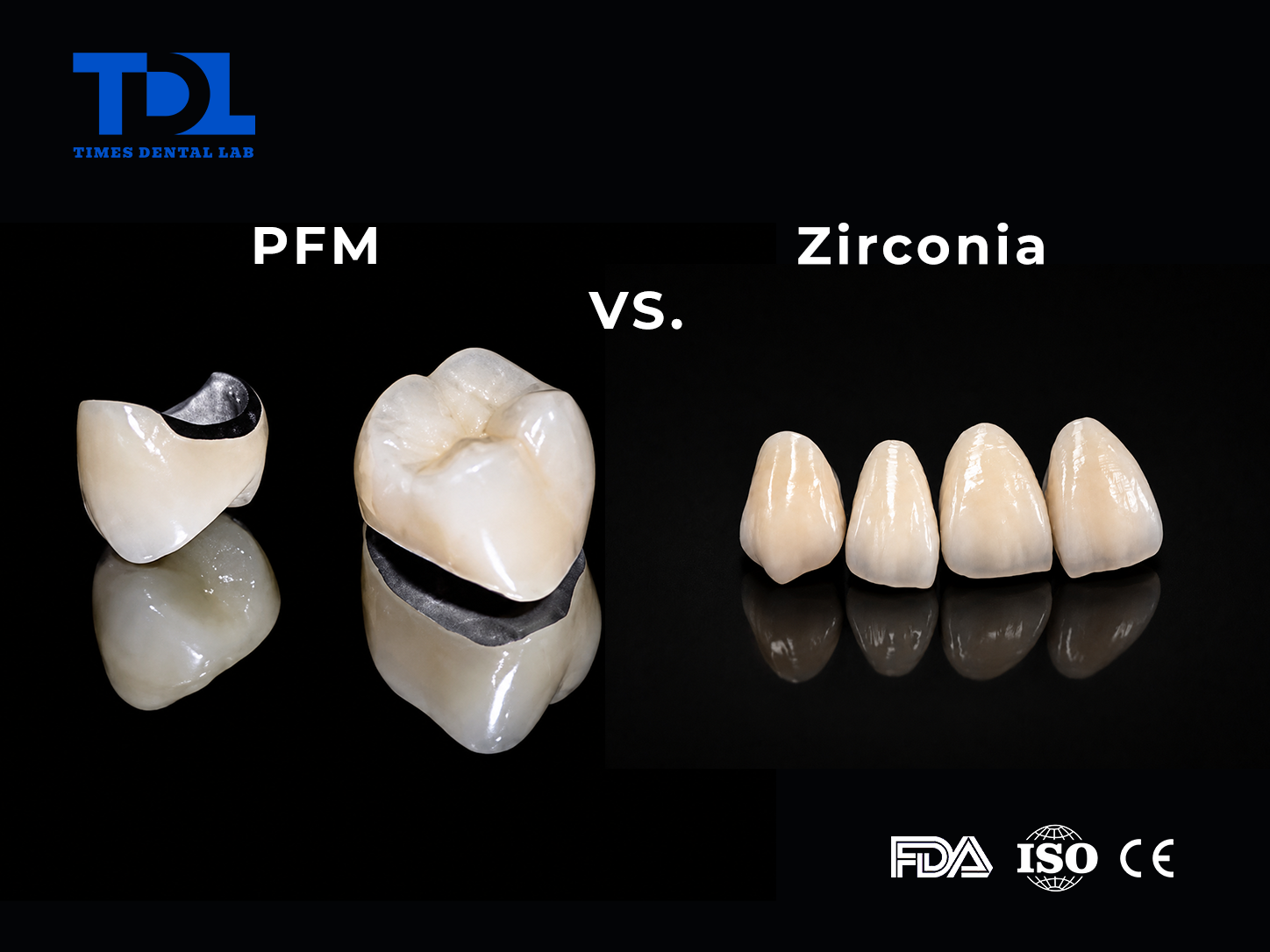
PFM vs. Zirconia Crowns: Which Is Better?
PFM and zirconia crowns are two of the most common fixed restoration materials. This guide compares their structure, strength, esthetics, clinical indications, advantages, limitations, and digital workflow considerations so dentists and dental labs can choose the right crown material for each case.
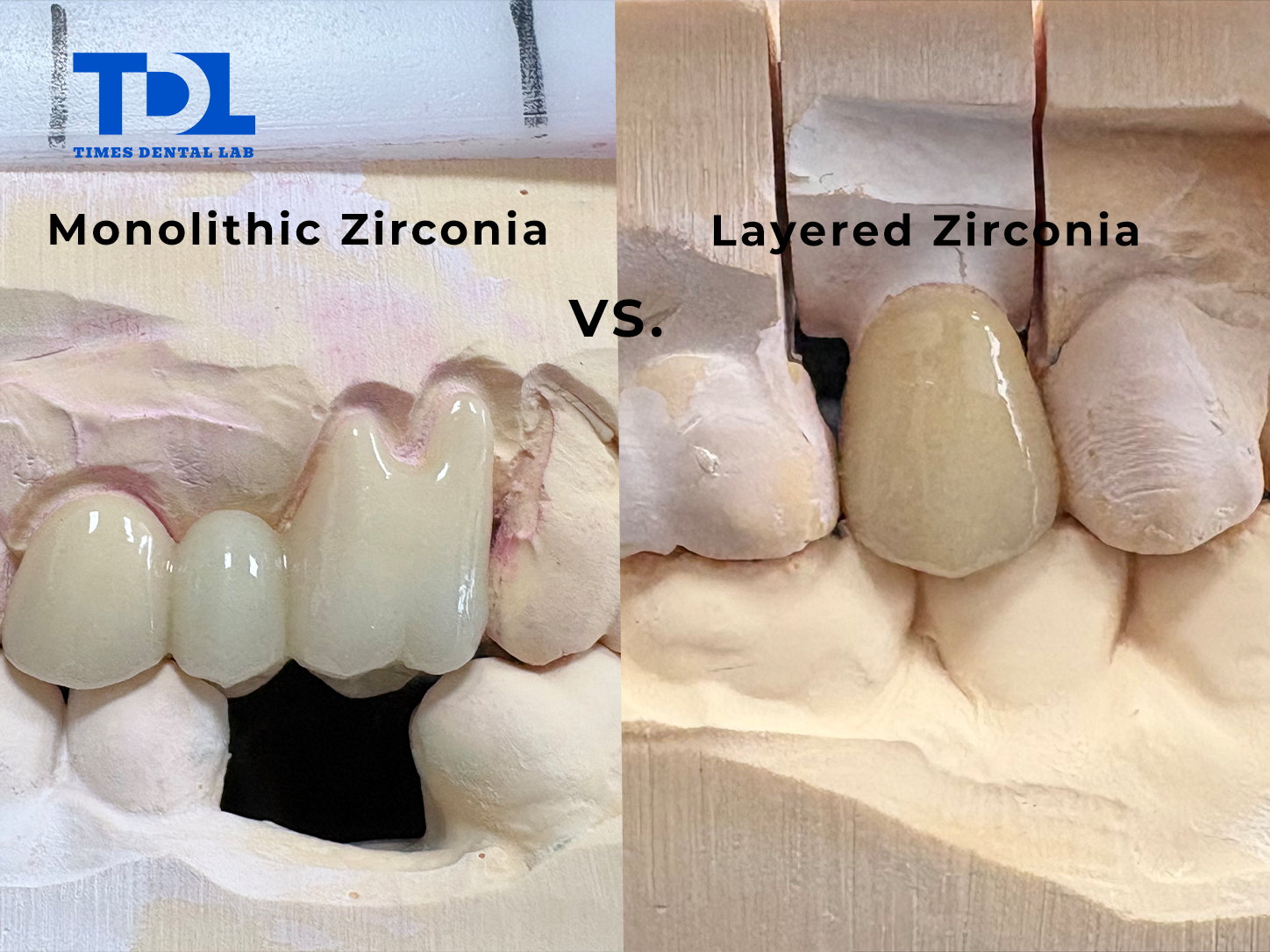
Monolithic Zirconia vs. Layered Zirconia: What's the Difference?
Monolithic zirconia and layered zirconia are both widely used for crown and bridge restorations, but they solve different clinical and esthetic problems. This guide compares their strength, translucency, wear behavior, indications, advantages, and limitations so dentists, clinics, and dental labs can choose the right zirconia restoration for each case.