Quick Answer
Essix and Hawley retainers are both removable orthodontic retainers, but they differ in material, appearance, adjustability, durability, fabrication workflow, and patient acceptance. Essix retainers provide a clear, low-profile design, while Hawley retainers combine an acrylic base with an adjustable labial wire. Neither is universally better; selection depends on the orthodontist's retention plan and the individual case.
Essix vs. Hawley Retainers at a Glance
|
Feature |
Essix Retainer |
Hawley Retainer |
|
Main material |
Clear thermoplastic |
Acrylic and stainless-steel wire |
|
Appearance |
Nearly transparent |
Labial wire is visible |
|
Adjustability |
Limited |
Wire can be adjusted by a clinician |
|
Coverage |
Covers the tooth surfaces |
Acrylic base with labial wire and clasps |
|
Digital workflow |
Well suited to digital models |
Digital or traditional workflow |
|
Repair options |
Usually replaced if damaged |
Some components may be adjusted or repaired |
|
Customization |
Material and trim-line options |
Acrylic color, clasps and wire design |
|
Common consideration |
Wear, cracking or heat distortion |
Visible wire and acrylic bulk |
Clinical studies do not support presenting either appliance as the universal best choice for all patients. A study comparing retention characteristics reported broadly similar retention behavior for Essix and Hawley retainers, while another clinical comparison found similar effectiveness during the retention period. See the retention characteristics study and clinical effectiveness comparison for context.
What Is an Essix Retainer?
Essix Retainer Materials and Construction
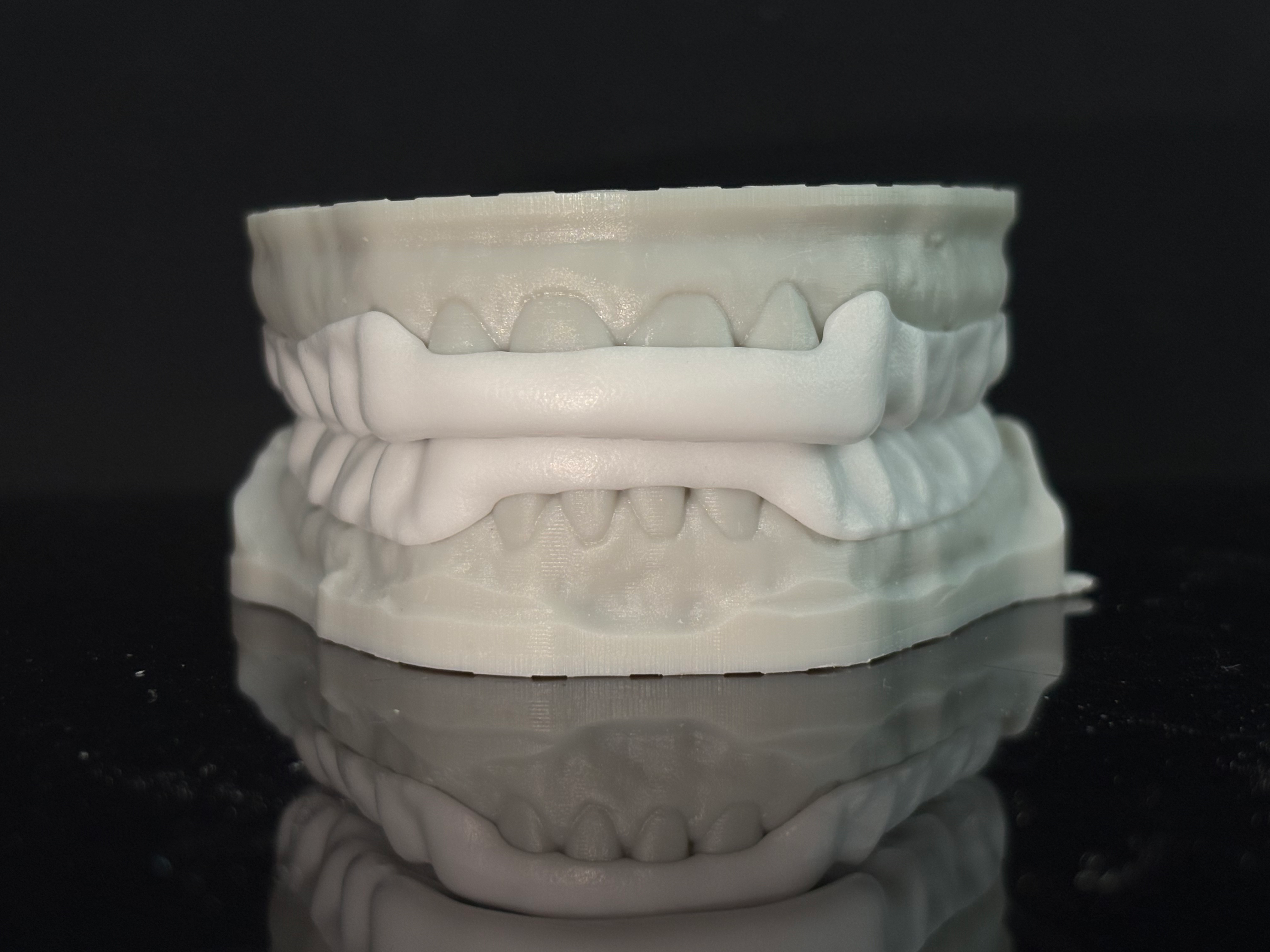
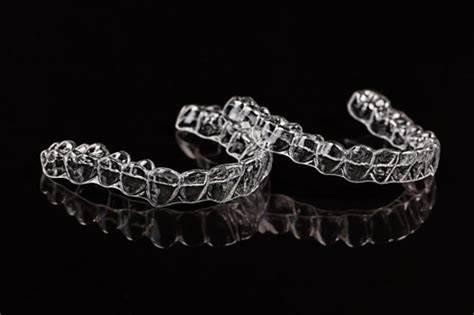
An Essix retainer is a removable clear retainer made from a thermoformed plastic sheet. The appliance is formed over a dental model or a printed digital model, then trimmed and finished according to the clinic's prescription. The final appliance typically covers the tooth surfaces and is designed to maintain tooth position after orthodontic treatment.
For dental labs, the key production details are the digital or physical model quality, material thickness, trim line, extension, relief areas and finishing standard. Clinics that already use intraoral scans can support a cleaner production workflow when STL files and retainer instructions are complete.
Advantages of Essix Retainers
· Clear appearance, which may support patient acceptance in esthetic situations.
· Thin, low-profile design compared with many acrylic-and-wire appliances.
· Efficient digital production when the clinic provides accurate scans or digital models.
· Good fit repeatability when the digital model is archived and the same specification is requested.
· Useful for standardized production and repeat orders when trim-line and material preferences are clear.
For more background on clear retainers, Times Dental Lab's existing article Understanding Essix Retainers: Types, Benefits and Care can support the product cluster around clear removable retainers.
Limitations of Essix Retainers
· Heat exposure can distort the appliance, so handling and cleaning instructions matter.
· Wear, cracking, discoloration or deformation may occur depending on material, use and cleaning habits.
· Chairside adjustment is more limited than the wire adjustment possible with Hawley retainers.
· Bruxism, occlusion, retention plan and patient compliance must be judged by the dentist or orthodontist.
· If the scan or model is inaccurate, a clear retainer may reproduce that inaccuracy very efficiently.
What Is a Hawley Retainer?
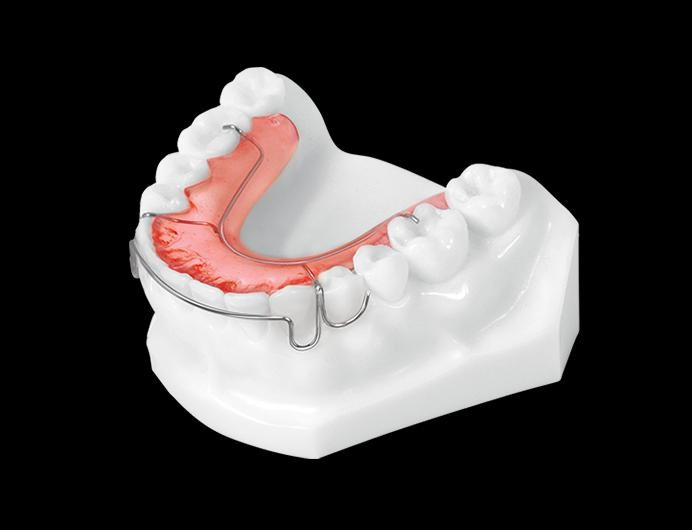
Hawley Retainer Components
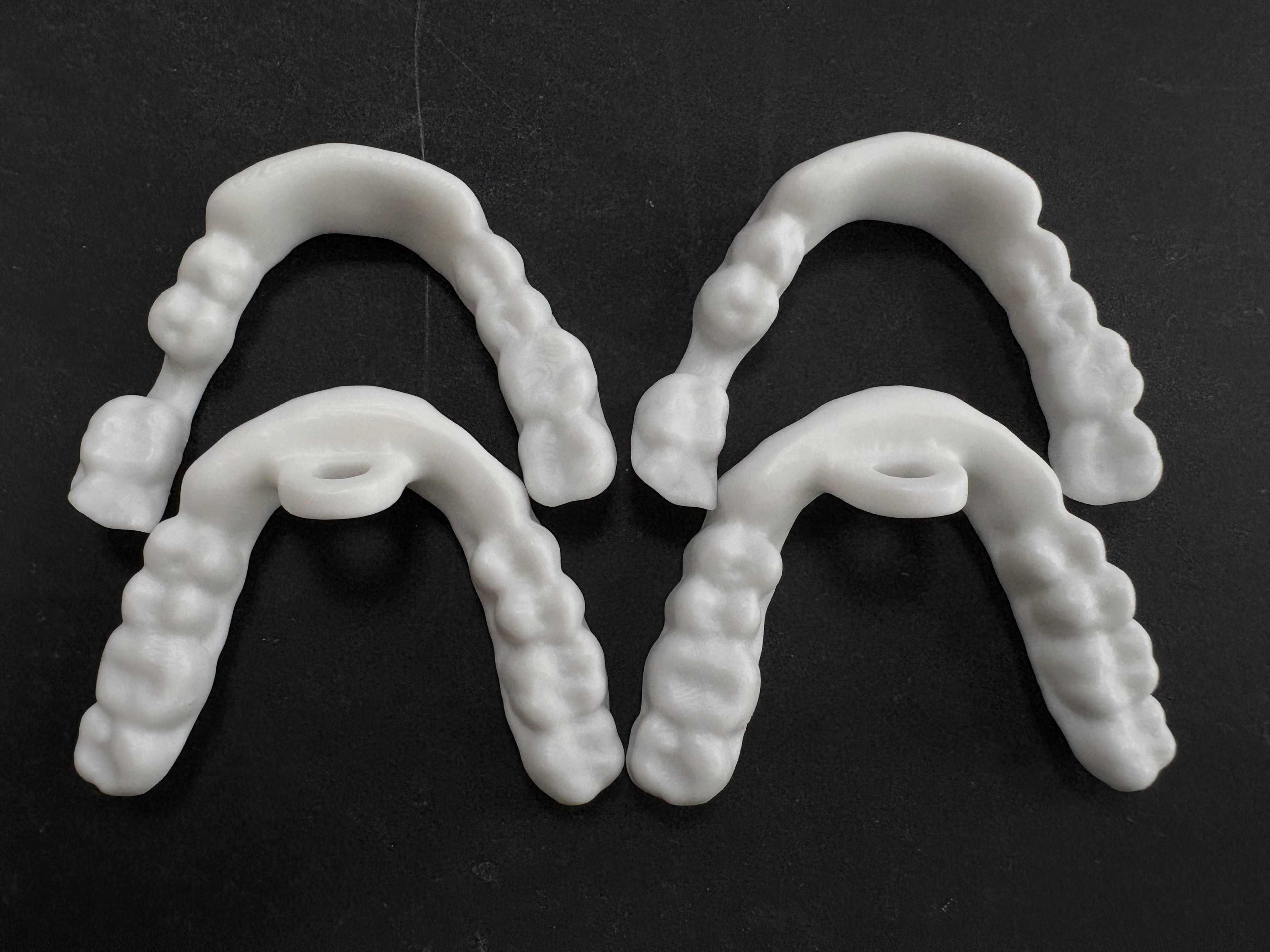
A Hawley retainer is a removable orthodontic retainer made with an acrylic base and stainless-steel wire components. The traditional design usually includes a labial bow, clasps and an acrylic plate, with optional springs or design modifications depending on the orthodontist's prescription.
· Acrylic base: supports the appliance and can be customized by color or design.
· Labial bow: visible wire across the anterior teeth, designed according to the clinical plan.
· Clasps: help retention and must be positioned according to tooth anatomy and appliance design.
· Optional components: springs, special wire bends or acrylic modifications may be requested.
Advantages of Hawley Retainers
· The labial wire can provide adjustment potential when handled by a qualified dental professional.
· Acrylic, wire and clasp design can be customized for the case.
· Some components may be adjusted or repaired depending on the damage and design.
· The appliance can be suitable when the retention plan calls for a traditional wire-and-acrylic retainer.
· The design offers more visible laboratory craftsmanship, which can be useful for specific prescriptions.
Limitations of Hawley Retainers
· The labial wire is usually visible in the anterior area.
· The acrylic base can feel bulkier than a thin clear retainer.
· Wire bending, clasp positioning and acrylic finishing require careful technician work.
· The lab needs clear design instructions; a model alone is usually not enough.
· Patient comfort and speech adaptation can vary by design, fit and individual response.
What Are the Main Differences Between Essix and Hawley Retainers?
Appearance
Essix retainers are usually selected when a clear and low-profile appearance is important. Hawley retainers are more visible because the labial wire normally crosses the front teeth, even when the acrylic base is customized.
Material and Construction
Essix retainers are thermoformed from clear plastic over a model. Hawley retainers combine acrylic and metal wire, so the dental lab must manage acrylic extension, wire bending, clasp fit and polishing quality.
Adjustability
Hawley retainers have limited professional adjustment potential because selected wire components can be adjusted by a qualified clinician. Essix retainers generally have less adjustment range and are usually remade when the fit changes, the appliance is damaged or the prescribed design no longer matches the case.
Durability and Replacement
There is no fixed lifespan that applies to every Essix or Hawley retainer. Retainer durability depends on material, appliance design, patient habits, cleaning method, occlusion, bruxism and the way the appliance is stored. A systematic review comparing Hawley and vacuum-formed retainers also emphasizes that effectiveness and patient-related outcomes should be evaluated across multiple factors, not reduced to one simple ranking.Review on Hawley and vacuum-formed retainers.
Comfort and Speech
Comfort and speech adaptation can differ because the appliances have different profiles. Essix retainers are thinner and cover the tooth surfaces, while Hawley retainers include acrylic and wire components. The final experience depends on appliance design, fit, patient sensitivity and clinical instructions.
Digital Manufacturing Workflow
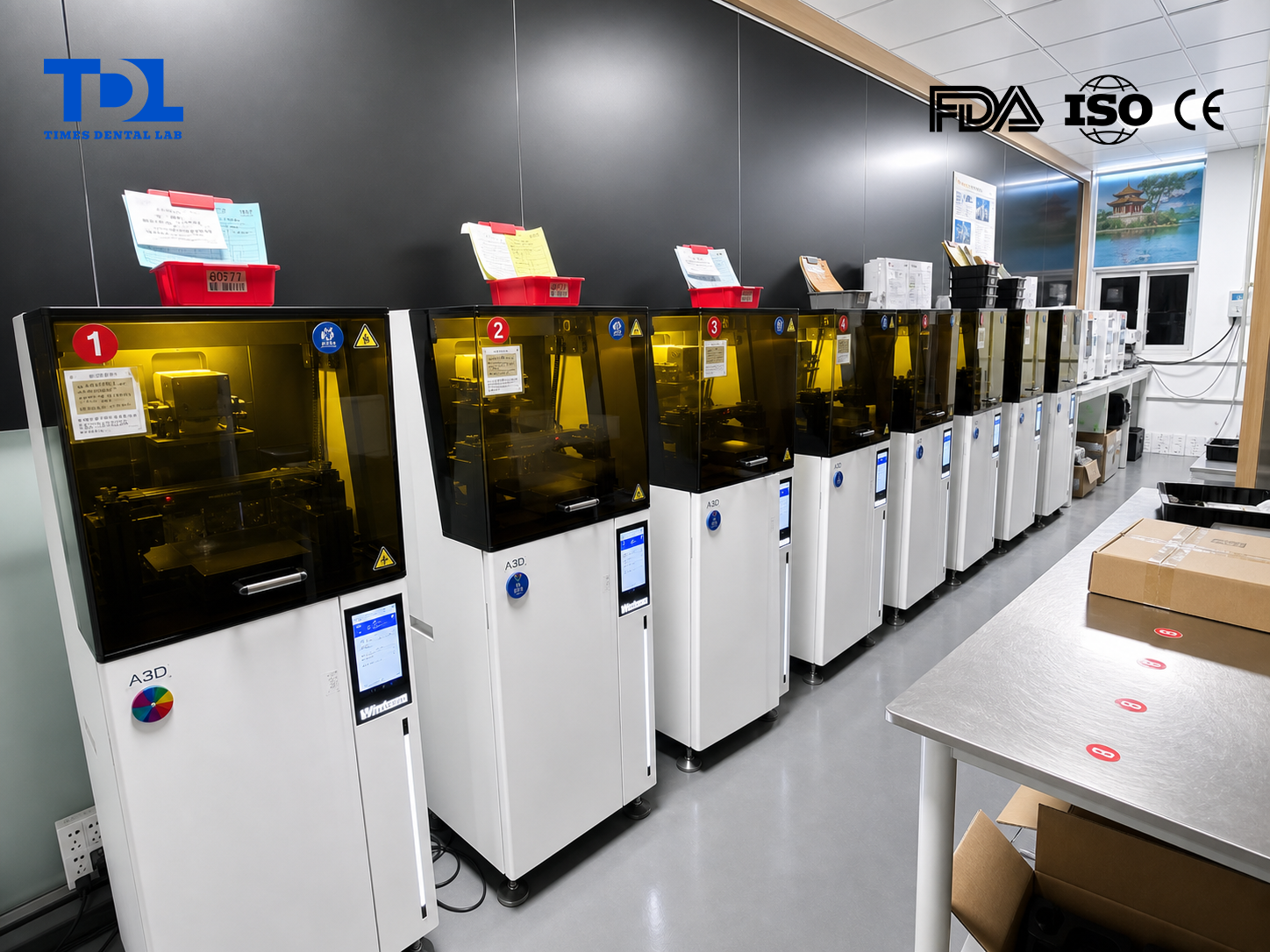
Essix retainers fit naturally into a digital workflow when the clinic sends a complete intraoral scan or STL file. The lab can prepare a digital model, print the model if needed, thermoform the clear material, trim the appliance and archive the digital file for future remake requests.
Hawley retainers can also be supported by digital records, especially when printed models are used as the working model. However, Hawley fabrication still depends heavily on technician interpretation of wire design, clasp location, acrylic extension and finishing. Times Dental Lab's Digital Design Services page explains the broader digital file review and design support used across lab workflows.
When Might a Dental Professional Select an Essix Retainer?
A dental professional may select an Essix retainer when the retention plan prioritizes a clear, removable and low-profile appliance. The choice may also fit clinics that already use digital models and want a more standardized remake workflow.
· The patient or clinic prefers a more discreet removable retainer.
· The case can be supported by accurate scans or models.
· The clinic wants archived digital models for future remake requests.
· The required appliance design can be produced with clear thermoplastic material.
· The orthodontist or dentist confirms that a clear retainer matches the retention plan.
When Might a Dental Professional Select a Hawley Retainer?
A dental professional may select a Hawley retainer when the retention plan requires a wire-and-acrylic design, visible adjustability, or custom wire and clasp options. Hawley retainers are also useful when the clinic has a specific traditional appliance design that should be followed by the dental lab.
· The design requires an adjustable labial wire.
· The case requires customized clasps, springs or acrylic design.
· The clinic prefers a traditional wire-and-acrylic retainer.
· The prescription includes design details that are easier to manage with a Hawley structure.
· The dentist or orthodontist confirms the appliance is appropriate for the case.
What Information Should a Clinic Send to the Dental Lab?
A dental lab can fabricate retainers more predictably when the clinic sends a complete appliance prescription. The most common production delays usually come from unclear appliance type, missing trim-line instructions, incomplete wire or clasp specifications, and unclear remake references.
|
Information to Send |
Why the Lab Needs It |
|
Upper or lower arch |
Confirms which appliance and model are required. |
|
Intraoral scan, STL file, impression or working model |
Provides the working basis for Essix forming or Hawley fabrication. |
|
Requested retainer type |
Prevents confusion between clear, Hawley, Begg, fixed or other appliance designs. |
|
Material or thickness preference |
Helps the lab follow the clinic's appliance specification for clear retainers. |
|
Trim-line preference |
Guides clear retainer extension, comfort, retention and finishing. |
|
Hawley wire, clasp and acrylic design |
Defines labial bow, clasp position, acrylic extension and customization needs. |
|
Teeth requiring relief or special attention |
Helps avoid unwanted pressure and supports case-specific fitting. |
|
Opposing arch or bite record, if required |
Helps the lab evaluate occlusal clearance and opposing contact where relevant. |
|
Required delivery date |
Allows the lab to confirm scheduling before production begins. |
|
Previous appliance photos for remake cases |
Helps match the original design when the clinic wants a repeat appliance. |
Clinics sending a new retainer case can also review Times Dental Lab's How to Start page for general case submission steps and file preparation.
How Times Dental Lab Manufactures Custom Retainers
Times Dental Lab manufactures custom orthodontic retainers through a structured workflow that starts with case review and ends with fit, finishing and labeling checks. The workflow is designed for overseas clinics and laboratories that need repeatable production, clear communication and appliance-specific QC.
· Review scans, models and prescriptions.
· Confirm appliance design and missing information before production.
· Prepare the digital or physical working model.
· Form and trim Essix retainers, or complete Hawley wire bending and acrylic fabrication.
· Check fit, edges, wire position, acrylic finish and case labeling.
· Pack and ship the finished appliance to the dental lab or clinic.
Based on Times Dental Lab's retainer production workflow, the most common information gaps to confirm before publication are unclear trim-line instructions for clear retainers and incomplete wire or clasp specifications for Hawley retainers. This type of production insight helps the article move beyond a generic product comparison and gives clinics practical guidance for smoother case submission.
Times Dental Lab's orthodontic appliances overview lists Clear / Essix retainers, Hawley retainers, Begg retainers, lingual fixed retainers and other orthodontic appliances. Buyers can also review the full Products and Services page when comparing retainer production with other lab services.
Frequently Asked Questions
Is an Essix retainer the same as a clear retainer?
An Essix retainer is commonly used to describe a clear, removable, vacuum-formed or pressure-formed retainer. The exact material, brand and thickness should still be confirmed in the dental lab prescription because not every clear retainer uses the same material or production specification.
Which lasts longer, an Essix or Hawley retainer?
There is no fixed lifespan that applies to every Essix or Hawley retainer. Retainer longevity depends on material, design, patient habits, cleaning, storage, occlusion, bruxism and whether the appliance is handled according to clinical instructions.
Can a Hawley retainer be adjusted?
Selected Hawley retainer wire components can be adjusted by a qualified dental professional. Patients should not bend Hawley wires themselves because uncontrolled adjustment can distort the appliance or affect tooth position.
Can Essix retainers be made from intraoral scans?
Essix retainers can be made from suitable intraoral scans when the files are complete and the digital model can support accurate production. The dental lab should review the STL file, arch information, trim-line preference and any special relief requirements before fabrication.
What files does the dental lab need?
The dental lab usually needs the upper or lower arch scan, STL file or working model, appliance type, material or thickness preference, trim-line instructions, special relief notes, Hawley wire and clasp design if applicable, and the required delivery date.
Can Times Dental Lab manufacture both types?
Times Dental Lab can support both clear / Essix retainers and Hawley retainers, along with other orthodontic appliances such as Begg retainers, fixed retainers, expanders, splints and night guards. Final production requirements should be confirmed case by case.
Which retainer is better?
Neither Essix nor Hawley retainers are universally better. Essix retainers prioritize a clear, low-profile design and digital production efficiency, while Hawley retainers provide an adjustable wire-and-acrylic design. The appropriate option depends on the prescribed retention plan, appliance design and individual case requirements.
Conclusion
Essix and Hawley retainers both have a place in orthodontic retention, but they serve different design preferences and workflow needs. Essix retainers are clear, thin and efficient for digital production, while Hawley retainers offer a traditional acrylic-and-wire structure with professional adjustability and more visible customization.
For dental labs and orthodontic clinics, the most important decision is not simply which retainer is better. The better question is which appliance matches the retention plan, patient expectations, production workflow and submitted case records. To discuss custom retainers or send a case, contact Times Dental Lab.