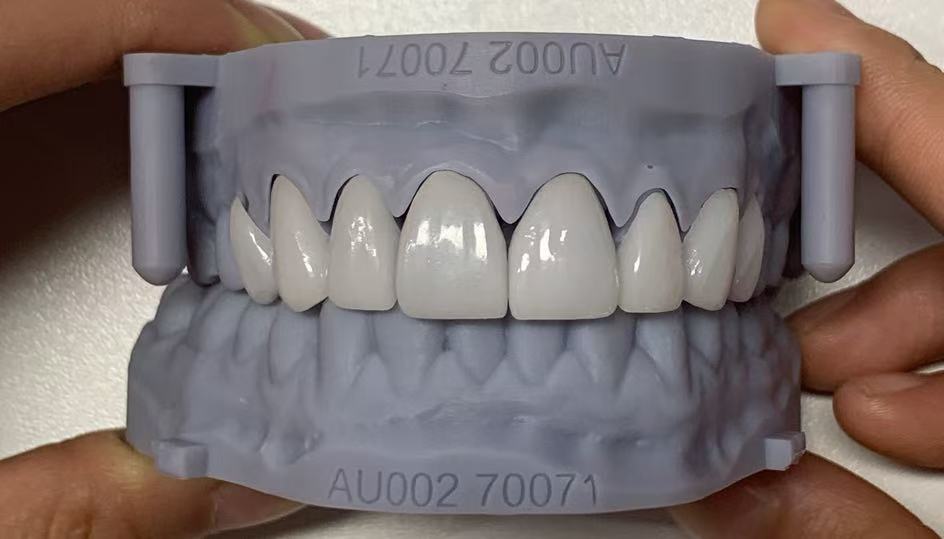
A practical guide to quality, case records, turnaround and remake policies
Choosing a removable denture lab affects more than your laboratory bill. It also affects appointment planning, communication with patients and the time your team spends resolving adjustments. Before outsourcing a case, establish whether the lab can handle the prescribed restoration, what records it needs and how it will manage approvals, delivery and aftercare.
For clinics and dental laboratories comparing suppliers, the most useful starting point is a documented trial case. Agree on the product, production stage, materials, price and acceptance criteria before fabrication. This guide explains what to ask and how those questions apply when working with Times Dental Lab.
Match the lab to your removable denture cases
A removable denture lab should be evaluated against the cases you actually prescribe. A practice sending complete dentures may need different coordination from a laboratory outsourcing metal frameworks. Begin with your expected case mix rather than asking only whether a supplier makes dentures.
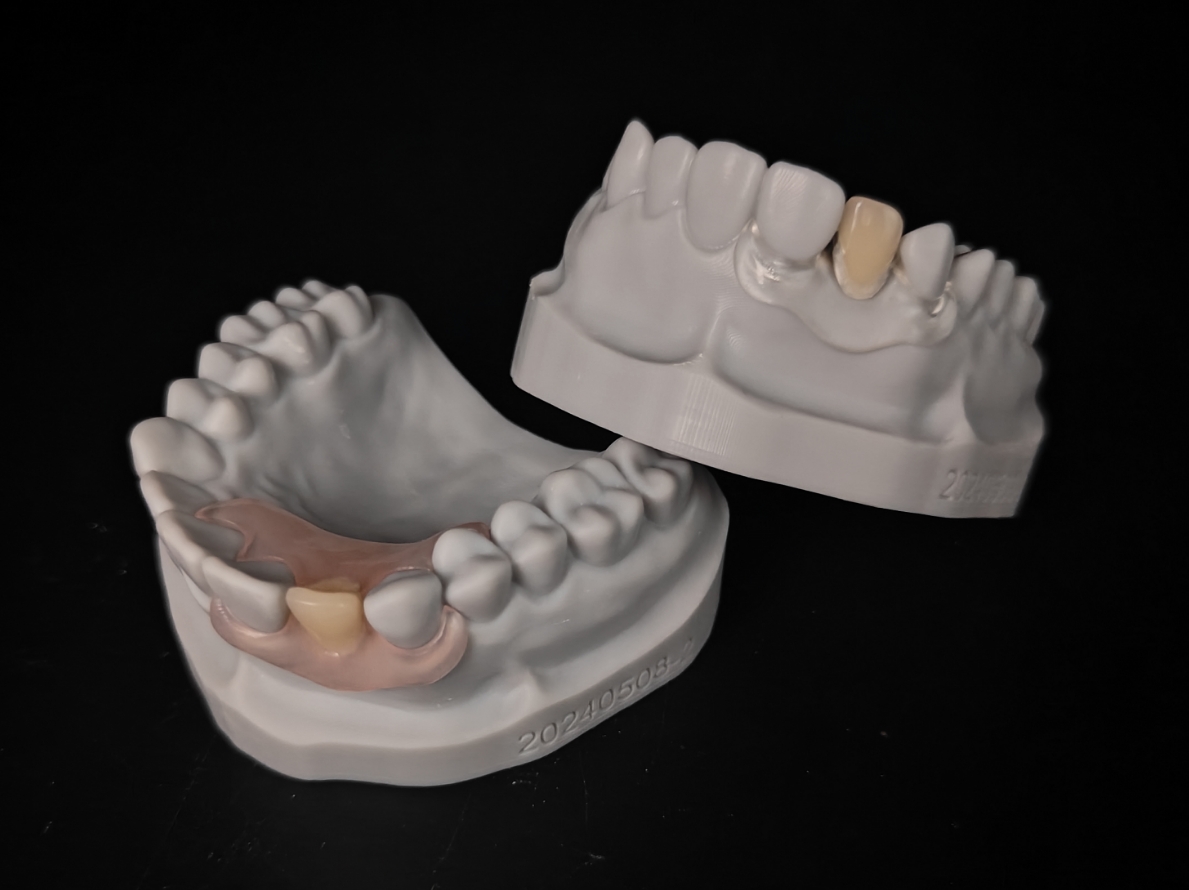
Times supports complete and partial acrylic dentures, metal frameworks, flexible dentures and combination cases. Review our removable denture products to identify the category, then confirm the specific material and fabrication stage for your case. An order for a framework is different from an order for a finished partial denture.

The American Dental Association explanation of partial dentures describes several retention options, including clasps and precision attachments. That distinction matters when requesting a quote: the prescription must identify the intended design and any related restorative work. A product name alone does not communicate those requirements.
Material selection remains a clinical decision. Leeds Teaching Hospitals explains that cobalt chromium partial dentures can be thinner and stronger than acrylic alternatives, while also noting that metal dentures are unsuitable for some cases. Use its comparison of plastic and metal partial dentures as background, then discuss your prescribed design with the lab. Do not assume that flexibility, a metal-free description or a higher price makes one option suitable for every patient.
Confirm the records needed before production
The lab needs records that describe the anatomy, jaw relationship and intended restoration. Ask for a case-specific submission requirement before sending files or shipping materials. A complete submission helps the lab assess feasibility and identify questions before fabrication starts.
For a removable case, prepare the product type, upper or lower arch, tooth positions where applicable, tooth shade and written design instructions. Depending on the workflow, the lab may also need impressions or models, opposing arch information, bite records, wax rims, reference photographs, a try-in or an existing denture. State which stage you want returned and which details require approval.
Digital submission does not mean that every denture can be made from an intraoral scan alone. Ask whether the available files capture the information required for the proposed case and whether physical records are needed. For example, an arch scan does not by itself specify the intended tooth arrangement or establish every clinical relationship needed for a complete denture.
Our case submission and onboarding process explains digital and physical options. Contact the team before shipping to confirm the receiving address and required materials. Keep a copy of your prescription and use the same case reference in emails, files and shipment paperwork.
Agree on quality checks and approval stages
A useful quality discussion identifies what will be checked and when. Ask how the lab will compare the work with the prescription, assess the framework or base on the supplied model, review tooth setup and occlusion, and inspect finishing before shipment. Also agree on the information the clinic will return after a try-in.
For a framework case, clarify whether the next delivery is for clinical framework evaluation or further laboratory work. For a denture setup, identify the aspects requiring approval before finishing. Record changes to tooth position, shade or design in writing so the next stage follows an agreed instruction.
Laboratory inspection and clinical assessment serve different purposes. A model check cannot establish every aspect of intraoral comfort, tissue response or function. The ADA overview of dentures notes that follow-up visits are generally needed to check and adjust fit after insertion. A planned review appointment is therefore part of patient care, rather than proof by itself of a fabrication defect.
At Times, trial cases follow the same quality control standards as regular production. Preview images can be requested, and finished photographs are provided before shipping under the trial guide. Photographs support communication about visible details; they do not replace the clinical evaluations required for the case.
Compare the complete cost of the case
Compare quotes for the same product, material and delivery stage. A framework-only price cannot be compared directly with a finished denture price. Ask whether the quoted amount includes tooth setup, a try-in, finishing and any requested extras, and identify charges for additional work before authorizing it.
Include logistics in your calculation. Under the Times trial guide, clients pay inbound shipping. Times covers return shipping at the USD 1,000 threshold; below that threshold, the stated return shipping fee is USD 50. Confirm the qualifying invoice amount when arranging the order, especially if a first-order discount applies.
The guide also states that Times handles and covers import charges when cases are shipped to us. Local customs duties, if applicable when work is returned, are handled by the client. Request a case quote that distinguishes fabrication, shipping and any other payable charges, rather than treating freight or duties as part of the unit price.
Trial orders are prepaid. Bank transfer and PayPal are listed payment options, with a 5 percent international remittance charge for PayPal. The guide offers 50 percent off the first transaction, with no minimum quantity and a stated USD 1,000 limit. Ask the team to confirm the applicable limit and discounted total in writing before payment.
Plan appointments around the full timeline
Production time is the time for a specified laboratory stage. It is not the same as the interval from sending a case to fitting the finished denture. Your schedule also needs to account for case review, any missing records, approvals, try-in appointments and shipping between stages.

The Times production schedule lists the following removable restoration stages in lab working days, excluding shipping. Production is arranged following case review and confirmation; obtain a case-specific start date and expected dispatch date.
|
Product or production stage |
Listed production time |
|
Acrylic denture finish |
3 to 4 lab working days |
|
Metal framework CCP |
4 to 5 lab working days |
|
Valplast denture |
4 to 5 lab working days |
|
Custom tray or wax rim |
2 to 3 lab working days |
The acrylic denture finish entry refers to the finishing stage. It should not be presented to a patient as the total time for every complete denture workflow. Similarly, a framework turnaround does not include all subsequent appointments and stages needed for a finished partial denture.
FedEx, UPS, DHL and Linex are listed courier options. The trial guide gives an approximate two-day transit estimate, depending on the region; use a destination-specific estimate when booking appointments. Urgent cases require advance confirmation. Allow for customs, weekends, approval delays and any additional shipments rather than promising a delivery date from production time alone.
Understand warranty coverage before placing the order
A guarantee period describes how long defined support may apply. It does not mean that every adjustment, repair or remake is free. Read the coverage and exclusions together, and ask how the lab reviews a reported problem.
|
Removable product |
Listed guarantee period |
|
Metal framework CCP |
1 year |
|
Acrylic denture |
1 year |
|
Valplast denture |
3 months |
|
Custom tray or wax rim |
No period listed |
The Times trial guide covers manufacturing defects, material defects and fit issues related to production. It excludes problems arising from errors in impressions or scans, missing occlusion records, insufficient preparation or space, unclear shade selection and instruction changes after production begins. Remakes resulting from incomplete instructions are chargeable.
The guarantee appendix also excludes specified changes in the patient’s oral condition, misuse, changes to product type or design, and poor fit related to alveolar bone resorption. These distinctions are relevant because oral changes and fabrication defects may require different responses. Keep the original records and describe the observed issue rather than assigning a cause before review.
If a remake is needed, provide detailed photographs and the case history, supply new impressions or scans where necessary, and return the original items as required by the policy. Times reviews the case before arranging a priority remake. Confirm the proposed remedy, any charge and shipping arrangements before proceeding.
Use a trial case to evaluate the working relationship
Choose an initial case that represents work you expect to outsource and for which you have complete records. A trial is easier to assess when the prescription, expected stage and clinical feedback are documented. Avoid changing several design decisions during production unless a clinical need requires it; record any agreed changes.
Before paying, confirm the product, material, discounted quote, required records, approval stages and expected dispatch date. On receipt, assess the work against the agreed prescription and record any clinical adjustments. Evaluate how accurately the lab understood your instructions and how clearly it responded to questions, alongside the restoration itself.
A single trial provides an initial basis for cooperation. As you add products or more complex cases, confirm the requirements for each workflow. Keep a consistent feedback record so both teams can identify recurring issues and refine communication over time.
Discuss your first removable case with Times
To request a quote, tell us whether you are a clinic or dental laboratory, your country, the product and stage required, the material preference, the records available and your target delivery date. Share the clinical prescription and relevant photographs so the team can review the work before production.
You can contact Times Dental Lab to discuss a removable case or email mail@times-dental.com. Ask for written confirmation of the quote, submission requirements, trial terms and schedule. For background on our business, visit About Times Dental Lab.
FAQs
Can I submit intraoral scans for removable dentures
You can submit digital records for review, but suitability depends on the case and production stage. Ask Times to confirm whether your files are sufficient or whether impressions, models, wax rims or other physical records are needed before fabrication.
Do all cases need a framework or wax try in
The appropriate stages depend on the prescribed restoration and clinical requirements. Confirm the intended workflow with the lab and identify the points at which clinical approval is needed. Do not assume that a photograph replaces a required intraoral evaluation.
How long does an outsourced denture case take
The full timeline includes laboratory stages, reviews, appointments and transport. Times lists acrylic finishing at 3 to 4 lab working days and metal frameworks and Valplast dentures at 4 to 5, excluding shipping. Confirm the complete schedule for your specific case.
Can I start with one trial case
Yes. The trial guide states that there is no minimum quantity and that trial orders are prepaid. Confirm the first-transaction discount, the applicable USD 1,000 limit and shipping costs in the quotation before making payment.
Does a one year guarantee include every remake
No. Coverage depends on the cause and the policy conditions. Manufacturing or material defects and production-related fit issues are covered within the stated scope. Record errors, changed instructions and specified changes in oral conditions are among the exclusions.
What should I send when reporting a fit problem
Send the case reference, clear photographs, a description of where and how the problem occurs, and any adjustment notes. Times may need new records and the original restoration for review. Agree on the next step before arranging further production.