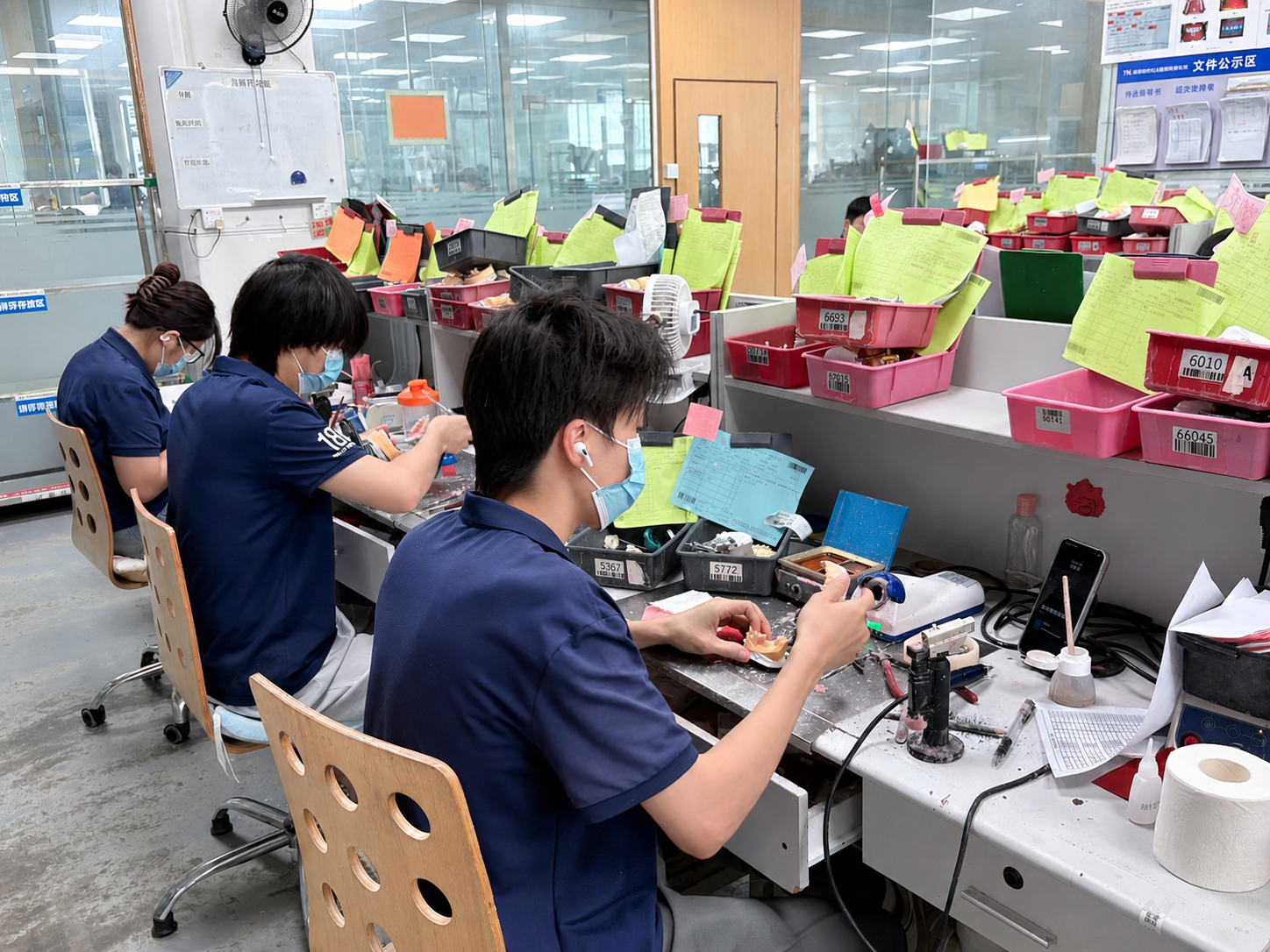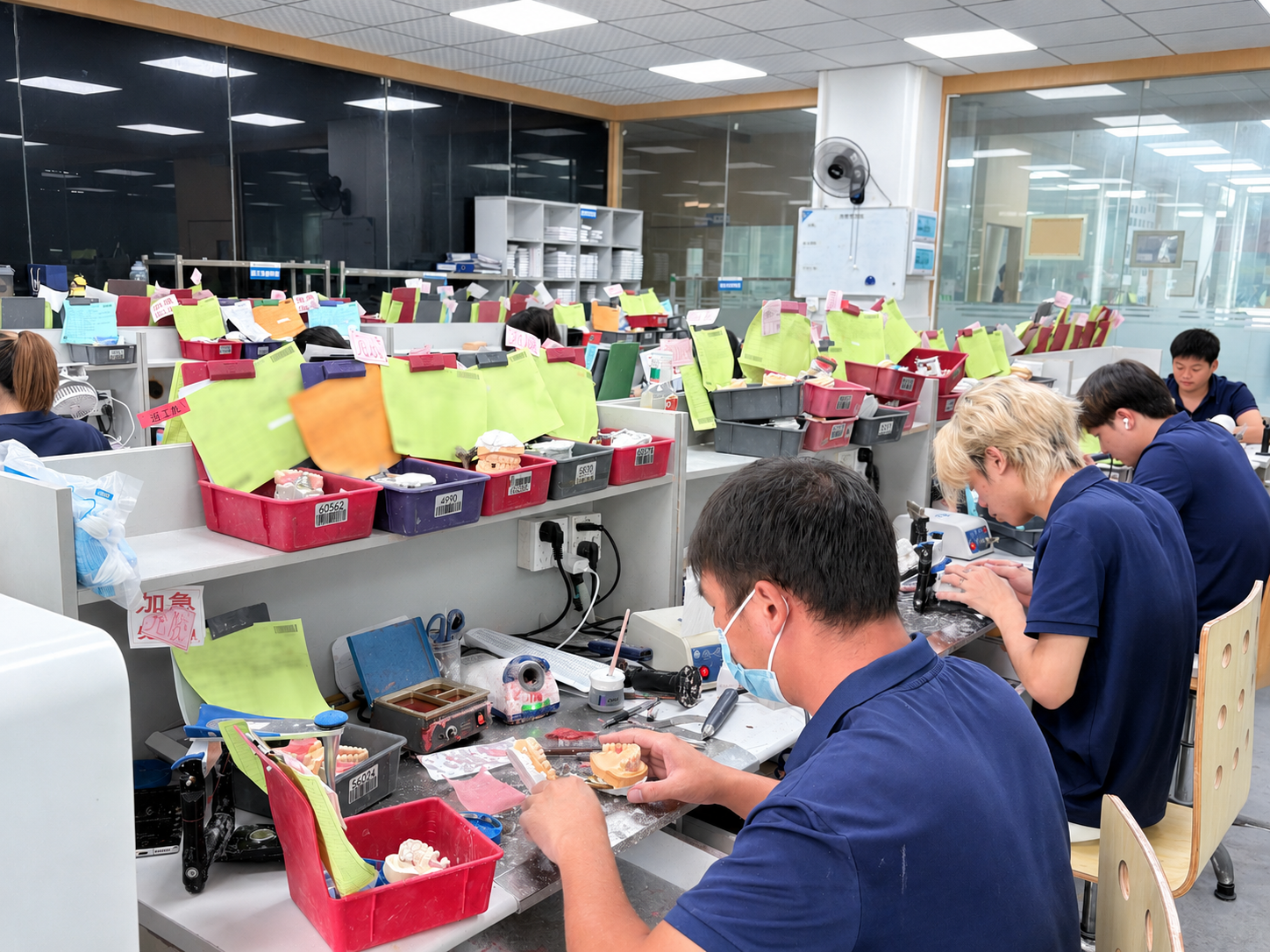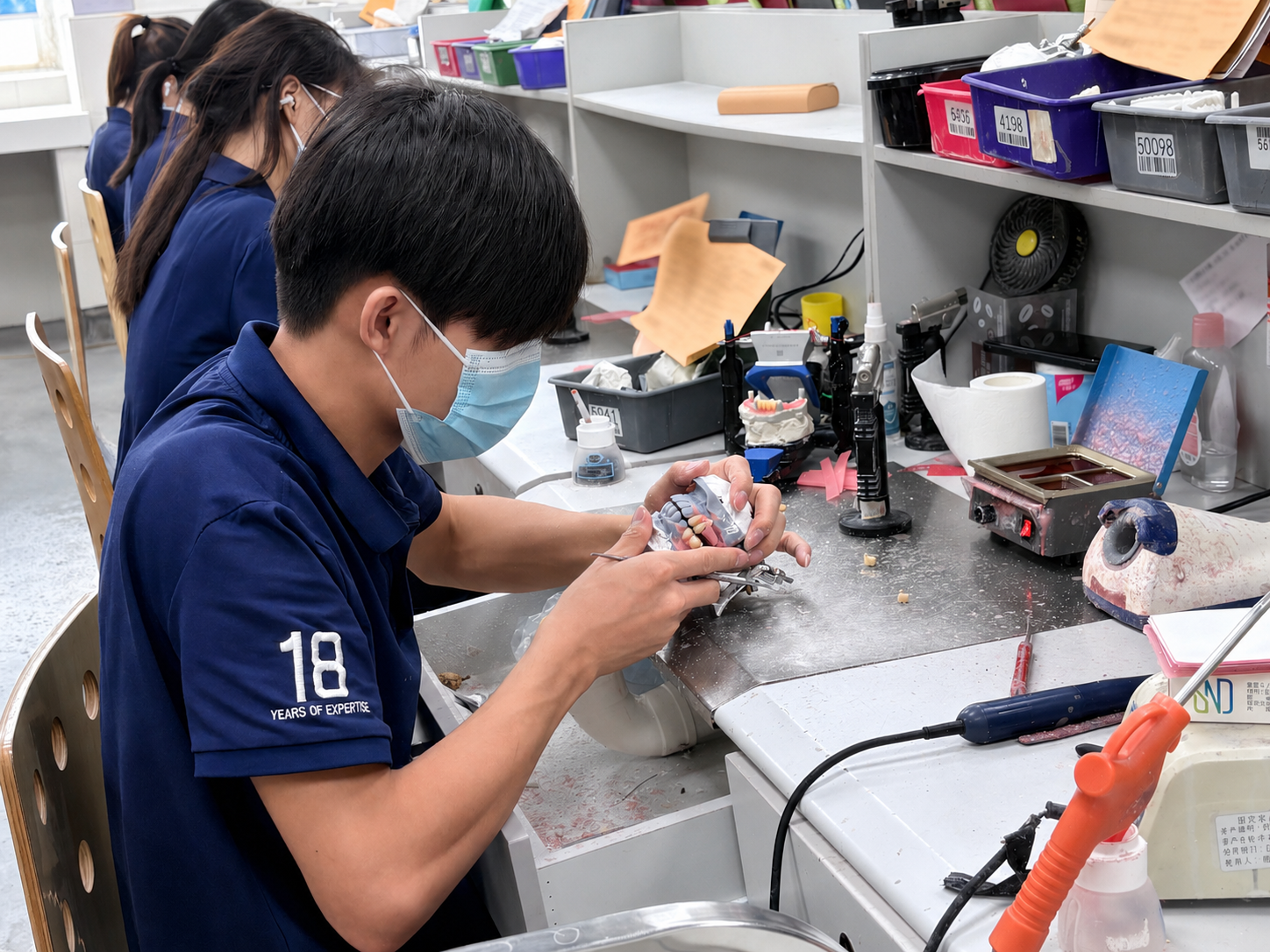
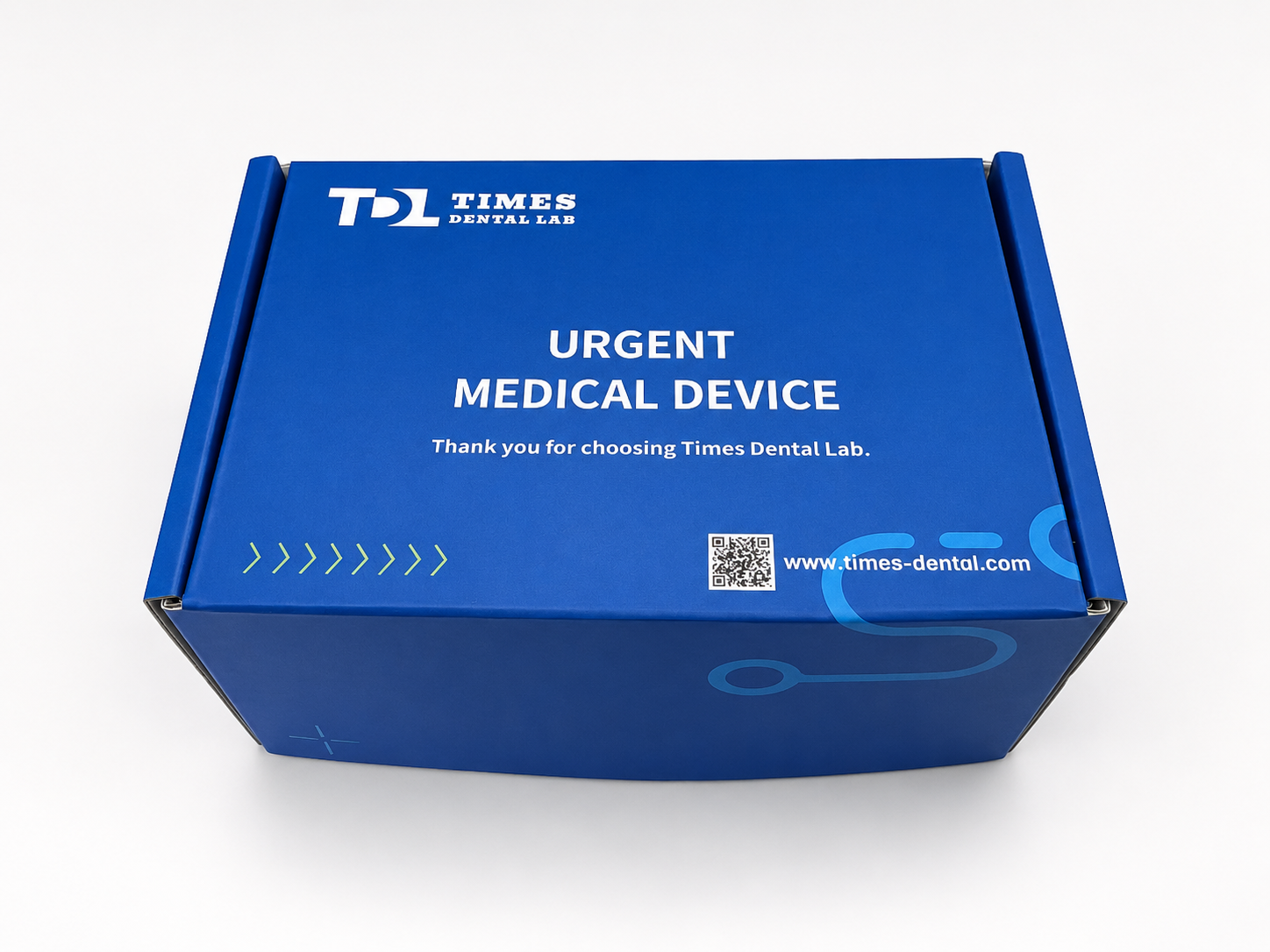
Digital files can be sent online, but some removable, implant and complex occlusal cases still require physical records. Impressions, stone models, bite records, wax rims, denture try-ins, existing dentures and implant components may need to travel internationally before a dental laboratory can review the case.
Successful international dental case shipping depends on more than courier speed. Correct case identification, protective packing, complete instructions, trackable transport and prompt communication determine whether the laboratory can receive and review the package without avoidable delay.
Quick Answer
To ship a physical dental case internationally, confirm the receiving details with the dental lab, protect every fragile item separately, include a clear case identifier and prescription, use a trackable courier service, and send the tracking number to the lab after dispatch. Production timing should be confirmed after the laboratory receives and reviews the physical case, not simply when the shipment is sent.
What Physical Dental Cases May Need International Shipping
Physical shipping may be required when a digital record cannot fully represent the clinical reference or when a real component must be used during production. Common examples include impressions, stone models, bite records, wax rims, denture try-ins, existing dentures, metal frameworks, implant components, shade tabs and written design instructions.
Not every case needs physical records. The decision depends on the product, scan completeness, occlusal information, clinical records and laboratory review requirements. Clinics can use the dental lab case submission checklist to confirm which records should accompany the shipment.
Before Packing Confirm the Case With the Dental Lab
Confirm the current receiving company name, address, contact person and telephone number before dispatch. Do not rely on an old waybill or an address used for a previous shipment, because receiving arrangements can change.
· Product type, case ID, tooth number or edentulous area.
· Required models, opposing arch, bite record, old denture or try-in parts.
· Implant system, platform and any physical components included.
· Material, shade, design instructions and required approval stage.
· Requested completion date and whether it is realistic after transport and case review.
· Recommended courier service and the correct receiving details.
How to Pack Dental Impressions and Stone Models
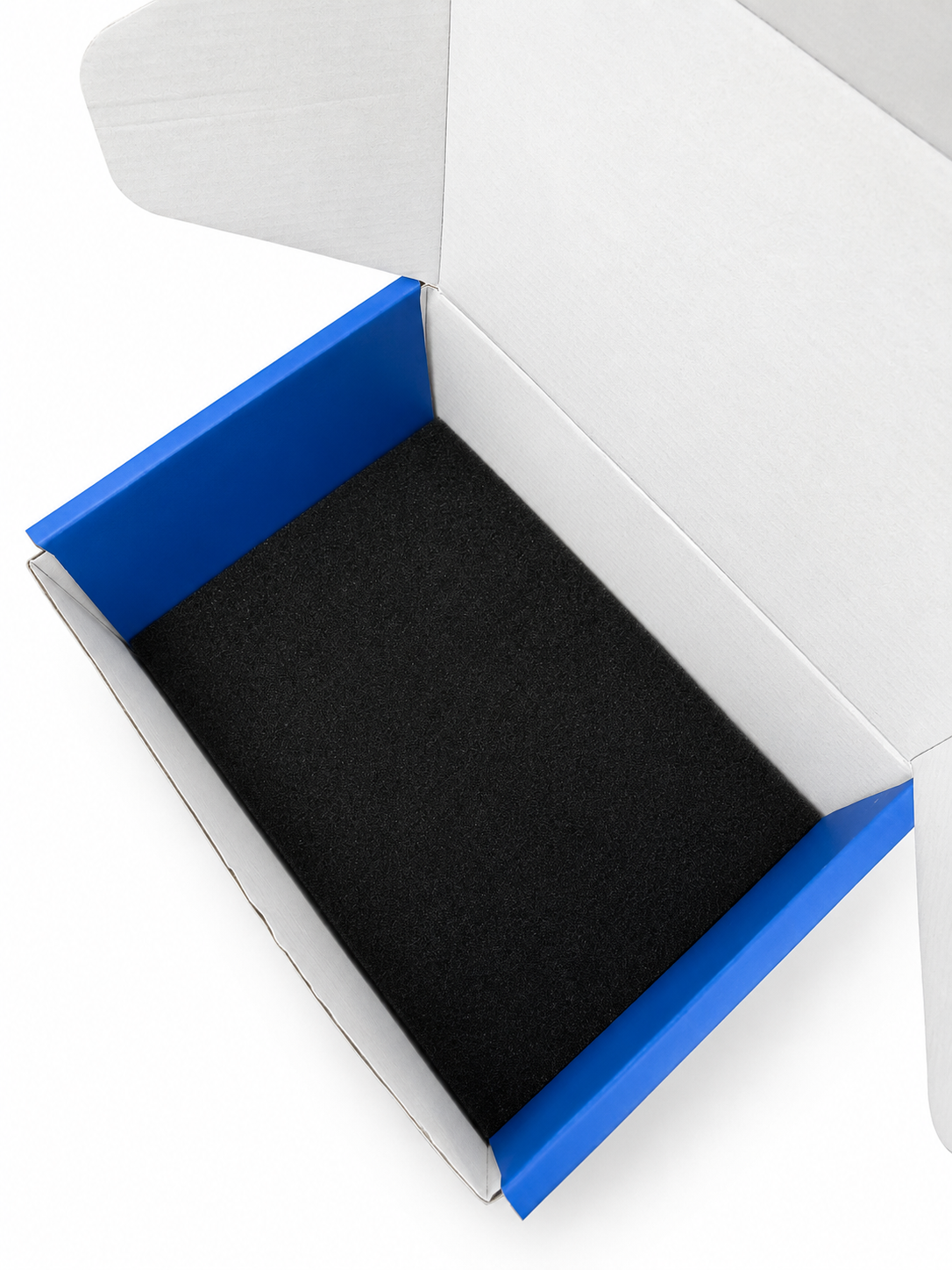
Dental Impressions
Protect each impression from compression, distortion, high temperature, contamination and direct contact with other objects. Use a rigid container with enough internal cushioning to prevent movement, but do not apply pressure to impression surfaces. Confirm the material's stability and handling instructions before international dispatch.
Clinical items must also follow appropriate infection-control procedures. The CDC dental laboratory guidance recommends cleaning and disinfecting impressions, prostheses and related materials before they are sent to an off-site laboratory, with written communication about the method used. Clinics should follow applicable local requirements and the material manufacturer's instructions.
Stone Models
Wrap upper, lower and opposing models separately so they cannot strike each other. Protect prepared teeth, thin ridges and removable dies with additional cushioning. Label each model with the same case ID and identify the arch clearly.
Bite Records and Wax Rims
Bite registrations and wax rims can change under pressure or heat. Place them in a separate rigid container, avoid stacking heavy objects on top, and mark which arches and case they belong to. If jaw relation or orientation is especially important, include a photograph or written reference in addition to the physical record.
How to Pack Existing Dentures Try Ins and Frameworks
Pack existing dentures, try-ins, metal frameworks and removable restorations separately. Cushion clasps, thin borders, artificial teeth and other vulnerable areas so they cannot bend, chip or detach during handling.
When a shipment contains several stages or several components, include a package inventory. A short list such as 'upper wax try-in, lower model, bite record and old upper denture' helps the receiving team confirm what arrived and why each item was sent.
How to Pack Implant Components
Do not place loose implant screws, analogs, scan bodies or abutment components in the same compartment as models or dentures. Put small parts in sealed, labeled containers and protect them from loss or physical damage.
· Implant manufacturer and system.
· Platform, diameter or connection information.
· Component reference and quantity.
· Scan body or analog information where relevant.
· Screw or driver instructions if required.
· Case ID matching the prescription and package inventory.
If component information is incomplete, the laboratory should request confirmation before design or production. Appearance alone is not a reliable way to identify an implant system.
What Information Should Be Included in Every Package
Every package should contain enough information for the receiving team to match the physical items to the correct case. Use a case ID rather than unnecessary full patient identity details, and follow the privacy requirements that apply in the sender's location.
· Case ID, clinic or partner lab name, contact person and contact details.
· Product type, tooth number or arch, prescription and requested approval stage.
· Material, shade, design notes, opposing arch and bite record where required.
· Implant system and component information where required.
· Requested delivery requirement and a list of all physical items enclosed.
· Courier name and tracking number, also sent to Times by email or the agreed communication channel.
Choosing an International Courier Service
Choose a service that provides end-to-end tracking and appropriate destination coverage. Compare pickup reliability, customs support, insurance options, delivery signature, remote-area handling and how the courier treats fragile laboratory items.
DHL, UPS and FedEx each provide international shipping and customs resources. Their service availability and transit estimates vary by origin, destination, package details and current operating conditions, so the shipper should confirm the specific route before booking. No single courier is the best choice for every country or every dental case.
Times Reference Transit Windows From Hong Kong
Times Dental Lab's current courier comparison provides a planning reference for selected destinations after a shipment has been collected and tracking becomes available. These figures are not guaranteed delivery commitments and do not include clinic preparation, customs holds, remote-area handling or laboratory production.
|
Destination |
DHL Express |
UPS Express/Saver |
FedEx IP |
|
United States |
1 working day |
1 working day |
1 working day |
|
United Kingdom |
2 working days |
2 working days |
3 working days |
|
Germany |
2 working days |
2 working days |
3 working days |
|
Australia |
2 working days |
2 working days |
3 working days |
|
Canada |
2 working days |
2 working days |
2 working days |
|
New Zealand |
2 working days |
3 working days |
3 working days |
|
United Arab Emirates |
2 working days |
2 working days |
2 working days |
Source: Times Dental Lab courier transit comparison, updated September 2026. Transit is counted after collection and the first trackable scan. Remote addresses, local delivery processing, customs inspection and peak-season capacity can extend delivery.
Shipping Documents and Customs Considerations
International shipments may require a commercial or pro forma invoice and other supporting documents. Requirements vary by origin, destination, carrier and package contents. Before dispatch, confirm the goods description, declared value, sender and recipient details, country of origin, purpose of shipment and any product or material information requested by the carrier or customs authority.
Official guidance from DHL on commercial invoices, UPS on international shipping and FedEx on customs documents stresses the importance of complete and consistent shipment information. Vague or mismatched descriptions can delay clearance. The shipper remains responsible for checking the rules that apply to the shipment.
Times Dental Lab can confirm receiving information and case-related details, but it cannot replace legal, tax, customs or carrier advice. When the classification or import status of an item is uncertain, ask the courier, local customs authority or a qualified customs professional before shipping.
When Does Dental Lab Turnaround Start
International case timing should be divided into five separate stages: clinic preparation, outbound transit and customs, laboratory receiving and review, confirmed production, and return shipping. A courier pickup confirms dispatch, not the start of laboratory production.
After a physical package arrives, Times checks the case ID, prescription, product, material, shade, bite records and included components. Production can be scheduled after the case is complete enough to proceed and any required questions have been answered. The related guide to China dental lab turnaround time explains how case review, production and shipping fit into the wider timeline.
Tracking and Communication After Dispatch
Send Times the courier name, tracking number and case ID as soon as the package has been collected. Also list the main contents so the receiving team knows what to expect. A tracking screenshot can be useful, but it should not replace the tracking number and case reference.
Monitor the shipment until delivery. If tracking shows an exception, customs hold, address question or failed delivery, contact the carrier promptly and notify Times. Early communication gives both sides more time to resolve the issue before it affects the requested production schedule.
What Happens If a Shipment Is Delayed Damaged or Missing
Keep the outer packaging, waybill, tracking history and photographs of any visible damage. Compare the delivered contents with the package inventory and identify the affected case and missing item.
Times will check the contents received and help determine whether the case needs replacement records, a new impression, a rescan, a component resend or another production decision. Carrier inquiries, claims, remake responsibility, reshipping and related costs depend on the order terms, the carrier's findings and the applicable Times policy. Shipping loss should not be assumed to be automatically covered by the laboratory.
Common Shipping Mistakes That Delay Production
· No case ID inside the package.
· Upper, lower, opposing and bite records cannot be matched.
· Models arrive without a prescription or product instruction.
· Implant components have no system, platform or reference information.
· An old receiving address is used without confirmation.
· The tracking number is not sent to Times.
· Impressions, wax rims, old dentures or frameworks are not protected separately.
· Customs documents contain vague or inconsistent descriptions.
· The package contents do not match the email instructions.
· The clinic assumes transit time is included in production time.
How Times Reviews a Physical Case After Receipt
1. Match the package, case ID and prescription.
2. Check whether models, impressions, bite records and components are present and intact.
3. Confirm product, material, tooth number, shade and design requirements.
4. Request clarification for missing, damaged or unclear records.
5. Schedule production or the required approval stage after case confirmation.
6. Check the finished case, packaging and return tracking information before dispatch.
Physical Dental Case Shipping Checklist
· [ ] Confirm the current Times receiving address and contact number.
· [ ] Use one consistent case ID on every item and document.
· [ ] Include the prescription and a complete package inventory.
· [ ] Disinfect clinical records according to applicable guidance and document the method.
· [ ] Protect impressions, models, wax records, dentures and components separately.
· [ ] Confirm customs documents and declared shipment details with the carrier.
· [ ] Choose a trackable service and retain proof of dispatch.
· [ ] Send Times the tracking number, case ID and package contents.
· [ ] Confirm production timing after Times receives and reviews the case.
Frequently Asked Questions
Can I send impressions or stone models to a dental lab in China?
Yes, when the case requires physical records and the shipment complies with the applicable carrier, customs and infection-control requirements. Confirm the receiving details and required records with Times before dispatch.
Do I need to send an opposing model and bite record?
Send them when they are needed to interpret occlusion or the relationship between the arches. The laboratory should not be expected to infer the bite from a working model alone.
Which courier should I use for international dental cases?
Use a trackable courier with suitable destination coverage, customs support and handling options. The best service depends on the origin, destination, package and current route availability.
Does turnaround time include international shipping?
Not automatically. Confirm whether a quoted timeline covers production only or also outbound and return transit. Times starts production planning after the physical case has arrived and passed review.
What should I do after I receive a tracking number?
Send the courier name, tracking number, case ID and package contents to Times, then monitor the shipment until delivery.
Can I ship implant components with my dental case?
Yes, when permitted by the carrier and destination requirements. Package each component securely and provide the implant system, platform, reference and quantity.
What happens if customs delays the shipment?
Contact the courier or customs representative and provide any requested documents promptly. Notify Times because the production schedule may need to be revised after delivery.
What should I do if a physical case arrives damaged?
Photograph the outer package and damaged items, retain all packaging and tracking records, and identify the affected case. Times can then review whether replacement records or another case action is required.
Conclusion
Complete case records, protective packing, trackable transport and clear communication reduce avoidable uncertainty when physical dental cases cross borders. Courier speed matters, but a package can only move smoothly into production when the laboratory can identify, inspect and approve everything it receives.
Before shipping a physical dental case to Times Dental Lab, review How to Start and contact the Times team with the origin country, product type, case details and requested delivery date. The team can confirm current receiving information and the records needed for case review.
References
· Times Dental Lab dental case submission checklist
· Times Dental Lab turnaround time guide
· CDC Guidelines for Infection Control in Dental Health-Care Settings
· DHL commercial invoice guide
· DHL international waybill guide