Introduction
Choosing a China dental lab should involve more than comparing a website, a quotation or a few polished restoration photos. Overseas clinics and dental laboratories need to verify who will manufacture their cases, what quality systems are in place, how instructions are controlled and what happens when a case requires clarification. For broader outsourcing context, start with the Times Dental Lab China dental lab outsourcing guide, then use this article as a practical due diligence checklist before sending regular volume.
The goal of supplier verification is not to prove that problems will never happen. The goal is to confirm whether the laboratory can identify risk, document decisions, communicate clearly, protect case information and investigate problems when they occur. A credible supplier should support its claims with verifiable company information, applicable registration or certification records, representative cases and written commercial terms.
Quick Answer
To verify a China dental lab before outsourcing, confirm its legal identity, physical address, FDA registration where relevant, ISO 13485 certificate scope, product capabilities, material traceability, case-intake process, quality-control workflow, communication system, turnaround definition, shipping arrangements and remake policy. A certificate or registration number should be checked against the issuing organization or official database. Begin with one representative trial case before increasing case volume.
Registration and certification are useful trust signals, but registration alone does not replace product evaluation, workflow testing or clear clinical and laboratory responsibilities. The strongest verification combines documents, process evidence and a real case that reflects the work you plan to outsource.
Why Dental Lab Verification Matters
International dental lab outsourcing includes distance, time zones, digital files, physical records, international shipping and multiple production stages. A small misunderstanding at intake can become a remake, chairside adjustment, shipment delay or customer-service problem later. Verification helps buyers find those weak points before volume increases.
Verification goes beyond general supplier selection. Instead of only asking whether a dental lab looks experienced or offers competitive pricing, buyers should review the evidence behind each claim: company identity, registration records, certification scope, case intake, quality control, communication, shipping terms and remake policy.
12-Point China Dental Lab Due Diligence Checklist
|
Checkpoint |
What to Verify |
Evidence to Request |
|
1. Legal identity |
Company name, invoice entity and payment beneficiary are consistent. |
Business name, invoice sample, payment details. |
|
2. Physical location |
The lab has an identifiable operating facility. |
Address, facility photos, video walkthrough. |
|
3. FDA record |
Registration language is accurate where the US market is involved. |
Database record and current listing details. |
|
4. ISO 13485 |
Certificate scope matches the evaluated company and activity. |
Current certificate, scope, site and certification body. |
|
5. EU / EUDAMED context |
EU economic-operator records are understood where relevant. |
Actor information, authorized representative or importer details when applicable. |
|
6. Product scope |
The lab has evidence for the exact restorations you will send. |
Product pages, sample cases, department capability. |
|
7. Materials |
Prescribed materials and implant components are traceable. |
Brand, lot, component references and case records. |
|
8. Case intake |
Incomplete files are flagged before production. |
Submission form and intake checklist. |
|
9. Design approval |
Complex cases have a clear approval record. |
Preview files, revision log and approval contact. |
|
10. QC workflow |
Checks happen before, during and after production. |
QC stages, final inspection points and case photos. |
|
11. Shipping and remake terms |
Delivery, responsibility and remake review are written. |
Shipping terms, guarantee policy, review requirements. |
|
12. Trial case |
The cooperation works in practice. |
Representative case, feedback log and follow-up review. |
1. Confirm the Laboratory's Legal Identity
Start by confirming the full legal or registered company name. The name should be consistent across quotations, invoices, registration records, certification documents and payment information. A trading name can be legitimate, but the supplier should explain how the trading name, factory name and payment entity are connected.
· Full company name and operating address
· Invoice entity and payment beneficiary
· Website domain and company email
· Main contact information
· Registration or certification numbers
Times Dental Lab identifies itself as a full-service dental laboratory based in Shenzhen, China. Buyers evaluating any supplier should apply the same identity check before discussing case volume.
2. Verify the Physical Location and Production Operation
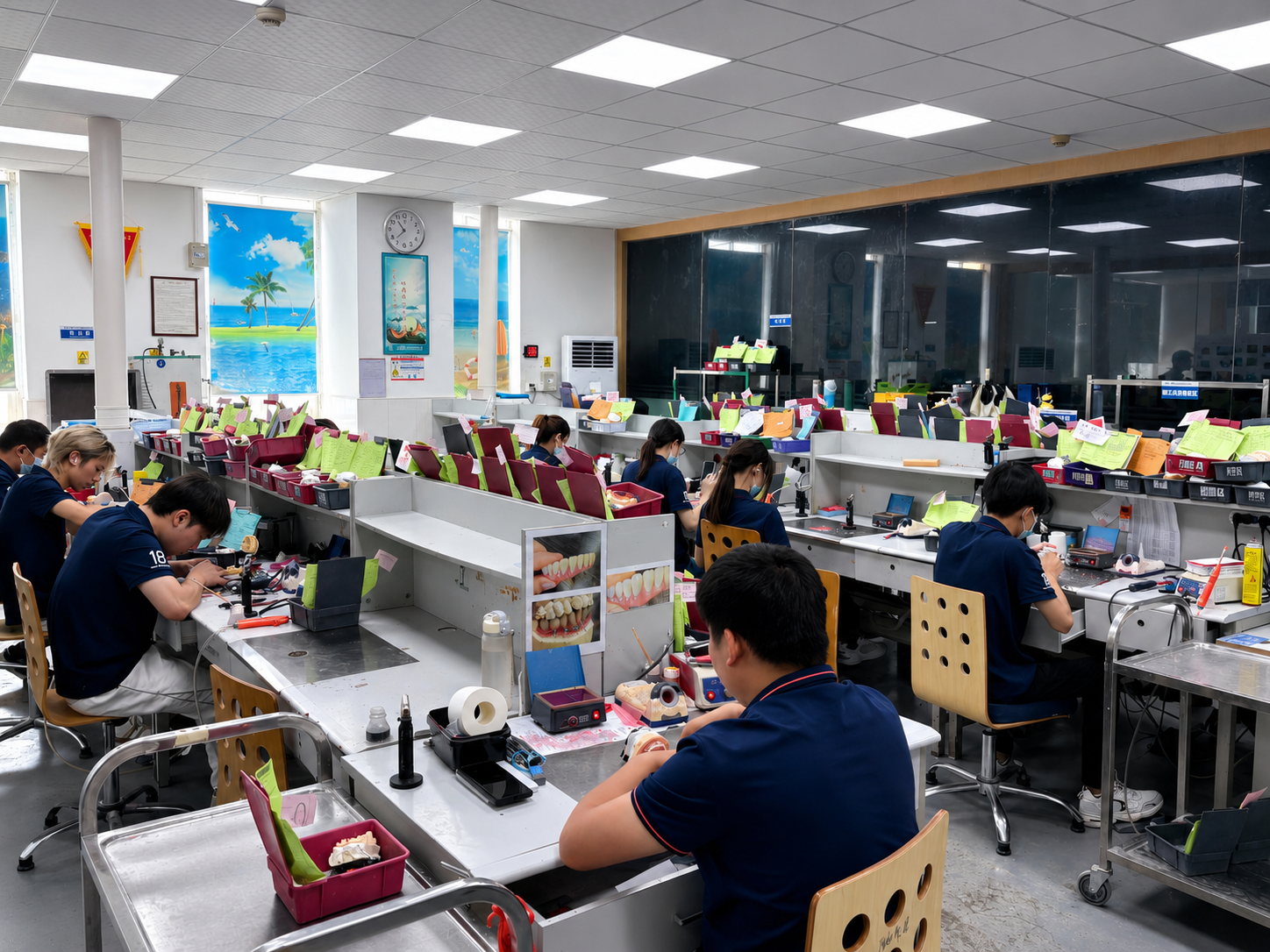
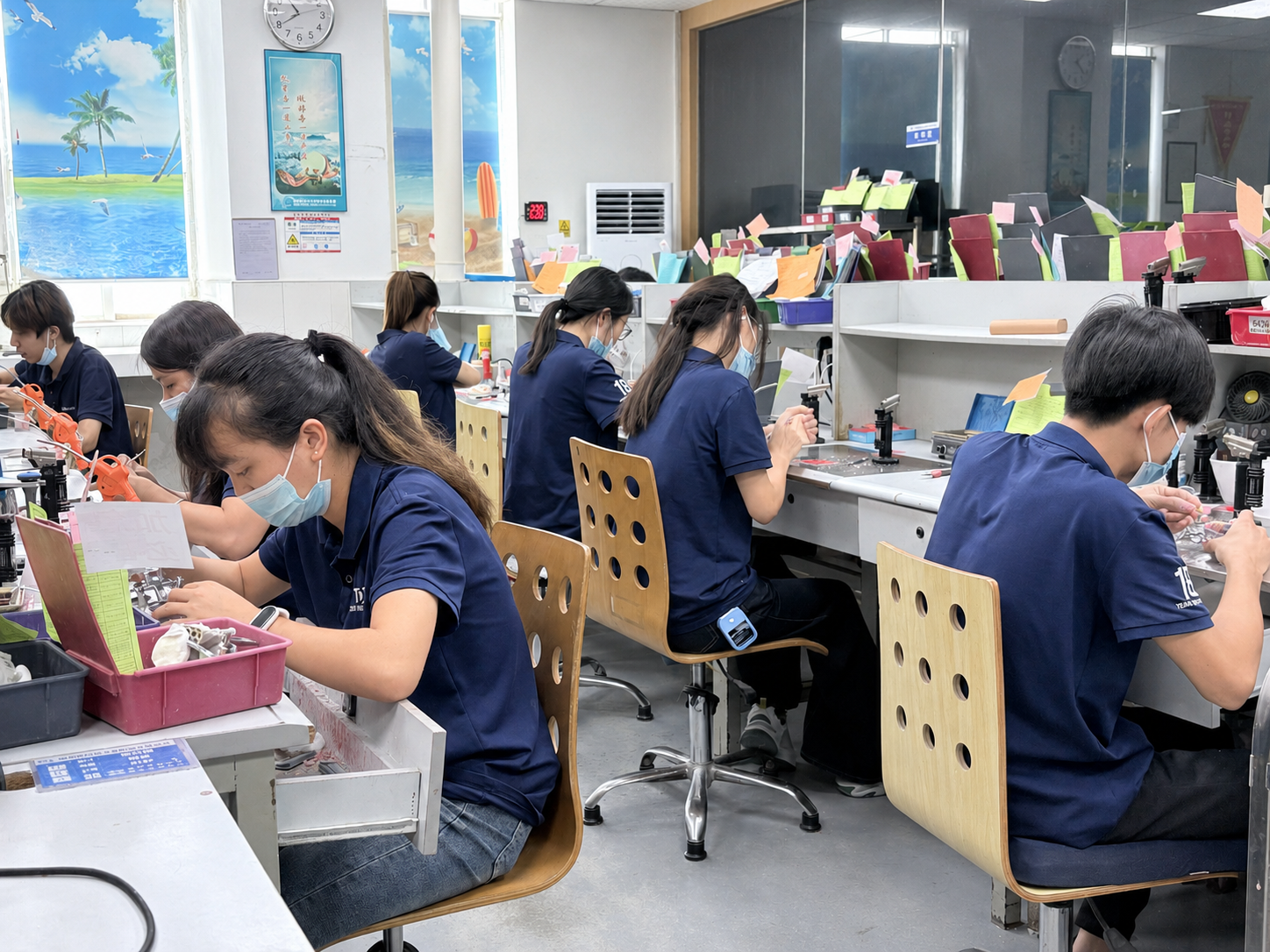
A dental laboratory should provide a complete operating address, not only a messaging account or generic sales email. Buyers can request current facility photographs, production-area photographs or a live video walkthrough. These materials do not prove the quality of every restoration, but they help confirm that the supplier has an identifiable production operation.
If some processes are subcontracted, ask which stages are involved and how the primary laboratory controls materials, case identification, production records and final inspection. Subcontracting is not automatically a problem, but hidden subcontracting can make quality review and remake responsibility unclear.
3. Check FDA Registration Language Carefully
For laboratories serving the US market, buyers may ask about FDA establishment registration and device listing where applicable. The wording must be precise. The FDA explains that establishment registration or device listing does not mean the establishment or its products are approved, cleared, certified or endorsed by the FDA. See the FDA's explanation of what “FDA approved” does and does not mean for the official distinction.
A buyer should verify the establishment name, registration information, facility location and relevant device listings through the FDA Establishment Registration & Device Listing database or the FDA's Search Registration and Listing page. A supplier should use accurate language such as FDA-registered where applicable, and should not present registration as product approval.
4. Review ISO 13485 Scope, Not Just the Logo
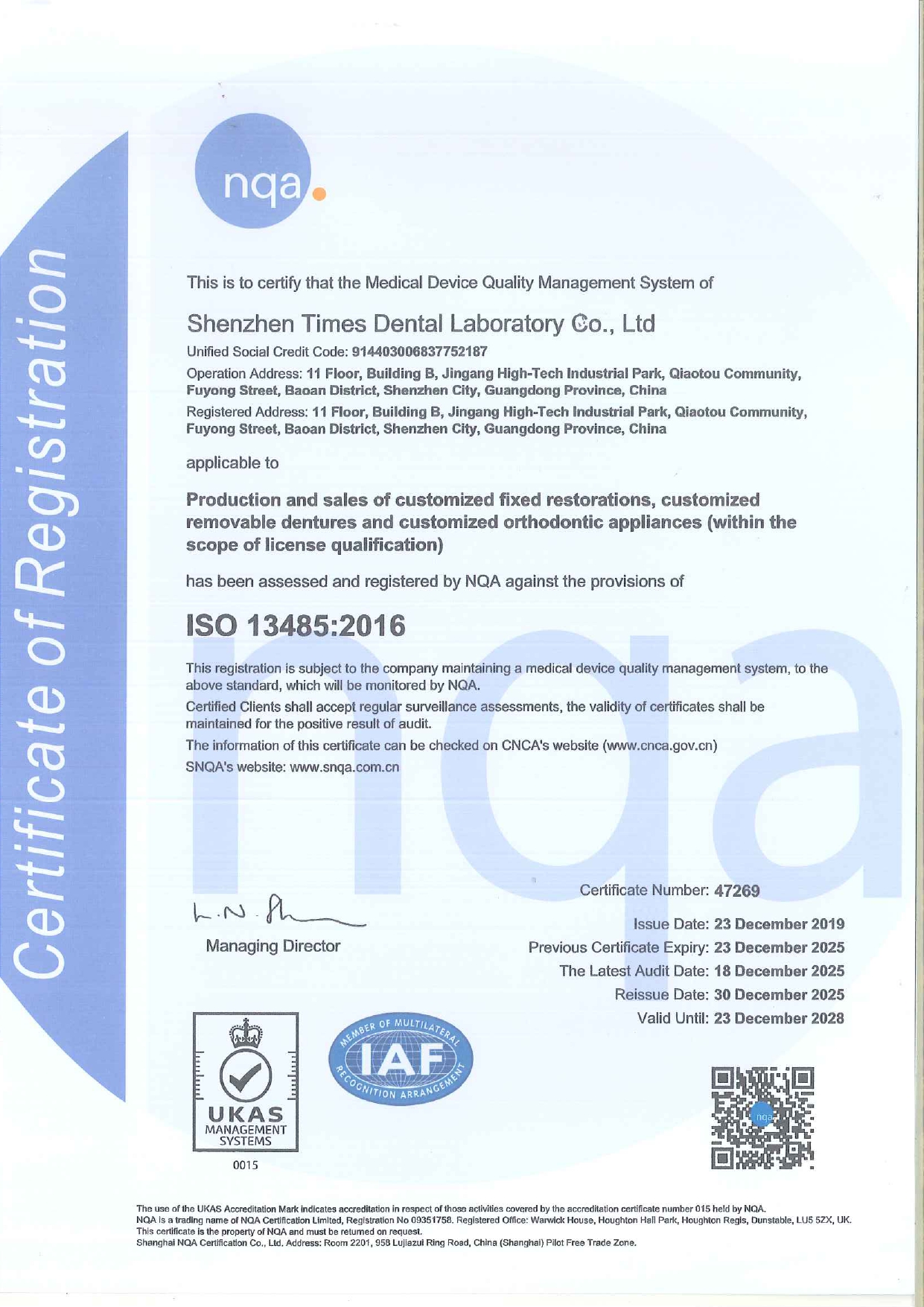
ISO 13485 is a quality-management-system standard for organizations involved with medical devices and related services. ISO itself does not issue company certificates. Certification is normally performed by an independent certification body, so buyers should review the certifying body, certificate number, site address, issue date, expiry date and scope.
The certificate scope matters because it tells you which activities and locations have been assessed. A certificate that names one entity, one facility or one activity should not be assumed to cover every related company, product or production location. For Times Dental Lab, buyers should review the current ISO 13485 certificate and confirm that the scope aligns with the product category being evaluated.
5. Understand EU and EUDAMED Verification Where Relevant
For European cooperation, buyers may also need to understand the supplier's role in the EU medical-device supply chain. The European Commission explains that EUDAMED is the European database on medical devices and is designed to improve transparency and coordination across the EU system. Buyers can review the Commission's EUDAMED overview when checking what public records may be relevant.
The European Commission also describes responsibilities for manufacturers, authorized representatives, importers and distributors as economic operators. A dental lab relationship may involve different responsibilities depending on the market, product route and customer role. The buyer should confirm professional and regulatory responsibilities with its own compliance team before placing regular cases.
6. Match Product Claims to Real Capability
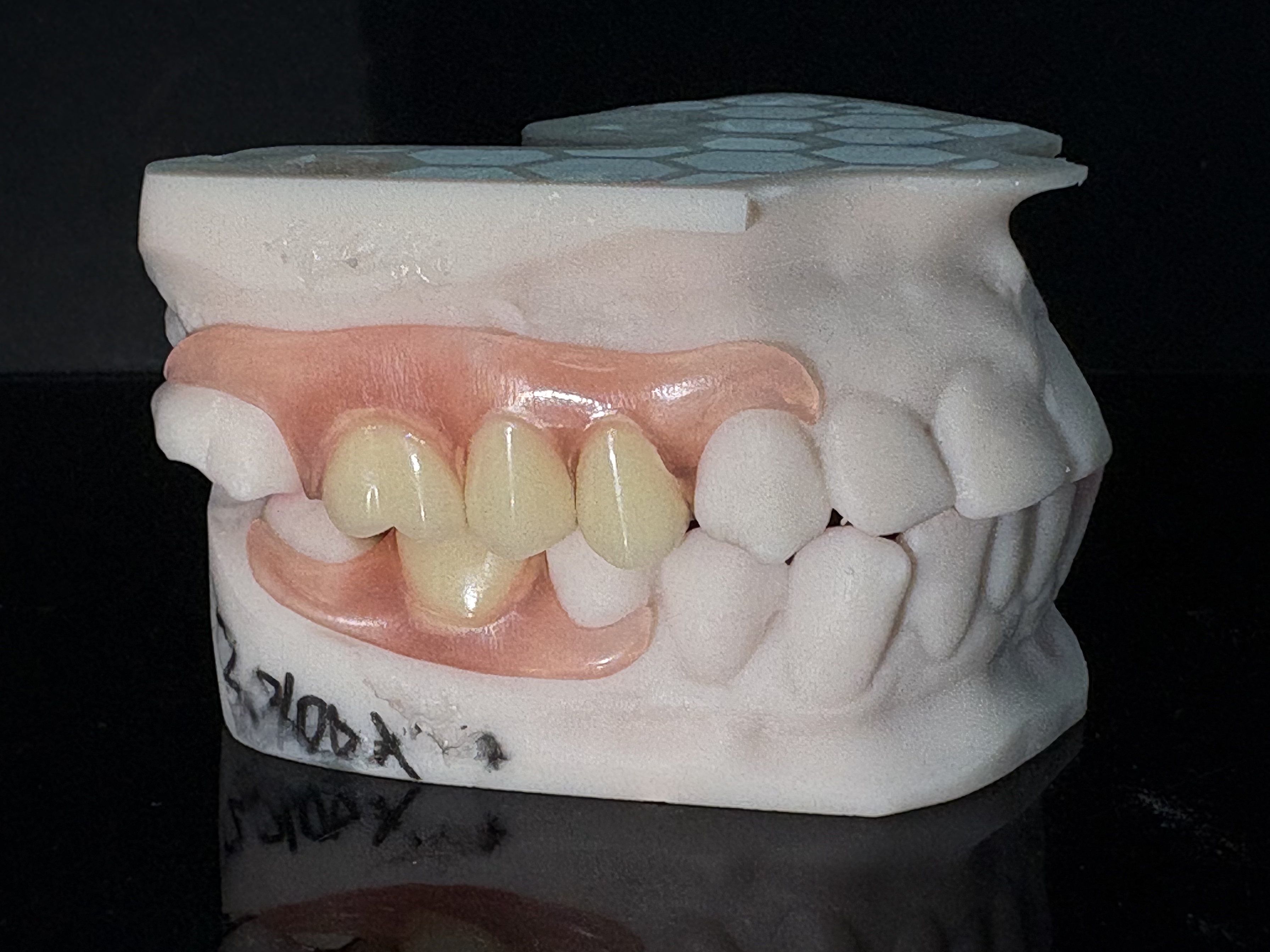
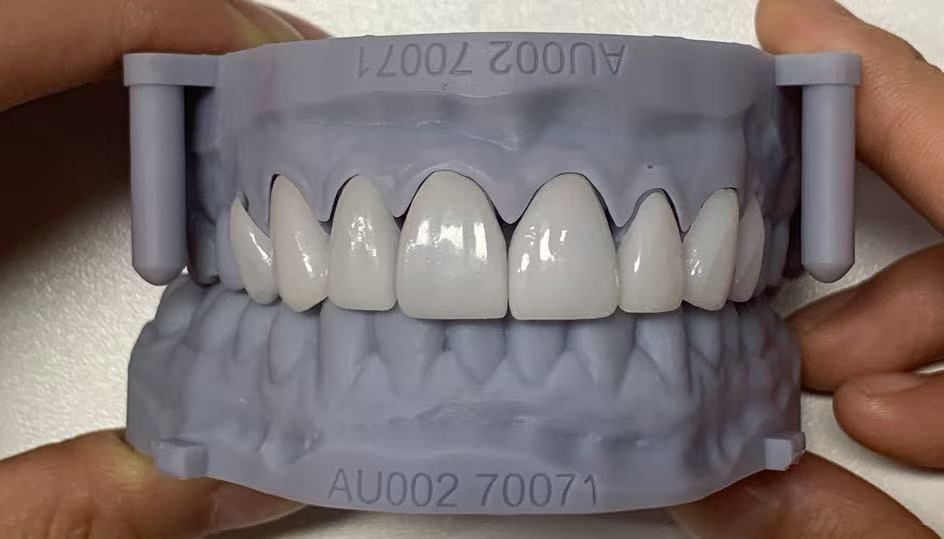
A full-service dental lab claim should be supported by product-specific evidence. A lab may produce excellent posterior zirconia crowns without having the same experience in full-arch implant frameworks, high-esthetic anterior cases or removable metal frameworks. Ask for evidence that matches the work you plan to outsource.
Times Dental Lab publishes product categories for crowns and bridges, implant restorations, removable dental restorations, orthodontic appliances, night guards and dental CAD design services. This allows buyers to review relevant product scope instead of relying on a generic capability list.
7. Confirm Material and Component Traceability
Material traceability helps verify that the prescribed material matches the restoration produced. Depending on the case, ask how the lab records material manufacturer, product name, batch or lot number, alloy type, zirconia type, Ti-base, implant component, screw reference and case number.
For implant cases, material verification should be combined with accurate implant system, platform, connection and scan-body information. Missing component information can delay design or create compatibility risk. This is why Times recommends using a structured dental case submission checklist before sending complex cases.
8. Test the Case-Intake Process
A reliable lab should distinguish between a case that has been received and a case that is ready for production. Intake review should check the prescription, working scan or impression, opposing arch, bite record, tooth number, restoration type, material, shade, photos, implant information and requested delivery date.
The most important question is what happens when information is incomplete or contradictory. A lab that pauses and requests clarification may appear slower at intake, but that pause can prevent an assumption from becoming a remake. For digital files, the Times article on digital workflow accuracy explains how scan review and lab-clinic communication affect restoration outcomes.
9. Verify Design Approval and Revision Control
Not every case requires a design preview, but complex and customized cases should have a defined approval point. Ask which cases require approval, who sends the preview, what format is used, who is authorized to approve and how requested revisions are recorded.
Design decisions should be retained with the case record. Important changes should not be scattered across unrelated emails and messaging conversations without a final confirmation. Changes made after production begins may affect turnaround, cost and remake responsibility, so the approval workflow should be clear before the first complex case is sent.
10. Ask What the QC Workflow Actually Checks
Strict quality control is meaningful only when the lab can explain what is inspected and when. A useful QC workflow normally includes case review before production, checks during production and final inspection before shipment. The checks should be connected to the product type rather than described as one universal inspection.
For fixed restorations, technicians may check margins, contacts, occlusion, material thickness, shade and finish. For implant work, the review may include implant system, platform, scan-body matching, screw access and component information. For removable cases, the review may include extension, tooth setup, occlusion, polish and packaging. Times explains more about this approach in its dental lab quality control content.
QC Questions to Ask a Supplier
· Who reviews the case before production starts?
· Which problems cause the lab to pause and contact the customer?
· Are production-stage checks recorded by department or technician?
· Can case photos or QC notes be provided upon request?
· Who reviews a remake request and how is the cause recorded?
11. Define Turnaround, Shipping and Remake Terms Separately
A quoted turnaround time may refer to production time, not total delivery time. Ask when production time begins, whether file review is included, whether design approval time is included, how weekends and public holidays are counted, when finished cases are dispatched and whether tracking is shared.
Shipping and remake terms should also be reviewed before a problem occurs. Clarify whether international shipping is included, whether shipments are consolidated, who handles customs-related delays, what evidence is required for remake review and who pays for return or replacement shipping. These items affect the real outsourcing cost, which is why they should be compared alongside the unit price.
12. Start With a Representative Trial Case
Documents verify identity and systems; a trial case tests how cooperation works in practice. Choose a case that represents the work you expect to send regularly. Do not evaluate an implant, removable or esthetic workflow only from a simple posterior crown if that crown is not representative of your intended volume.
After the first case, review whether missing information was identified, communication was clear, design approval was controlled, the quotation matched expectations, production and shipping timelines were realistic and case feedback was handled professionally. A second case using corrected preferences often tells you more about long-term consistency than one isolated result.
Red Flags When Evaluating an Overseas Dental Lab
· The supplier refuses to provide a physical operating address.
· The company name does not match invoices, certificates or payment information.
· FDA registration is described as FDA approval.
· Certificates are expired, cropped or difficult to verify.
· The ISO 13485 scope does not match the claimed production activity.
· The lab cannot identify commonly used materials or implant components.
· One universal turnaround is promised for every product and complexity level.
· Complex cases move into production without file review or approval records.
· There is no written remake or guarantee policy.
· The supplier pressures the buyer to send high volume before a trial workflow is completed.
How Times Dental Lab Can Be Verified
Times Dental Lab is a full-service dental laboratory based in Shenzhen, China. Founded in 2008, Times supports overseas dental laboratories and clinics with crowns and bridges, implant restorations, removable dentures, orthodontic appliances, night guards and digital dental design services. Buyers can review Times as part of the broader China Dental Lab topic cluster.
Useful information for buyer review includes published company and facility details, applicable FDA registration information, ISO 13485 quality-management information, separate product and service pages, digital and physical case-submission support, preproduction case review, product-specific checks, final inspection before shipment and written communication terms. These claims should still be reviewed through current documents, official databases and a representative trial case.
No website statement should replace the buyer's own supplier-qualification process. Times can provide relevant company information, review case requirements and help plan a trial workflow through the How to Start page or the contact page.
Frequently Asked Questions
How do I know whether a China dental lab is legitimate?
Confirm the laboratory's legal identity, physical address, payment entity, registration records, certification documents and production operation. Then test the workflow with a representative trial case before sending regular volume.
Is an FDA-registered dental lab FDA approved?
No. FDA establishment registration and device listing do not mean the facility or its devices are FDA approved, cleared, certified or endorsed. A supplier should use accurate FDA-registered wording where applicable.
Does ISO 13485 guarantee the quality of every restoration?
No. ISO 13485 provides requirements for a medical-device quality management system. Buyers still need to evaluate certificate scope, product-specific workflow and the quality of representative cases.
What documents should I request from an overseas dental lab?
Request company details, applicable registration information, current certificates, product specifications, material information, quotation terms, turnaround definitions, shipping arrangements and the remake policy.
Should a buyer start with the cheapest trial case?
A trial case should be representative rather than simply inexpensive. Choose a product your team understands and expects to outsource regularly so you can evaluate both the restoration and the cooperation process.
Can a clinic send digital cases directly to a China dental lab?
A clinic may send digital cases if the lab supports the workflow and all applicable professional, contractual and regulatory requirements are satisfied. Complete scans, opposing records, bite information, photos and case instructions may still be required.
Conclusion
Verifying a China dental lab requires more than checking price and product photos. Buyers should confirm the supplier's identity, operating facility, applicable registrations, certification scope, materials, case-intake system, quality-control process, turnaround definition, shipping workflow and remake terms.
A well-documented supplier should be willing to explain how a case moves from receipt to review, production, inspection and delivery. The final qualification step is a representative trial case followed by specific feedback and gradual scaling.
If you are evaluating Times Dental Lab as an outsourcing partner, send your product category, destination country, expected volume and one representative case. The Times team can provide relevant company information, review the production requirements and help you plan a practical trial workflow.