Introduction
When a clinic or dental laboratory begins working with an outsourcing partner, the first few cases often require additional communication. The laboratory needs to understand not only the prescription, but also the recurring preferences of each dentist, clinic or partner lab.
Some doctors prefer lighter proximal contacts. Others request firmer contacts, reduced occlusion, specific posterior anatomy, a certain surface texture or design approval before production. If those preferences are only stored in old emails, messages or memory, similar cases may be interpreted differently by different coordinators or technicians.
A dental lab preference profile turns repeat-case instructions into a documented reference. It supports communication between the clinic and laboratory, helps reduce avoidable variation and gives the quality-control team a clearer standard when reviewing future cases.
Quick Answer
A dental lab preference profile is a documented record of a clinic's, laboratory's or individual dentist's recurring production preferences. It may include preferred contacts, occlusion, anatomy, surface texture, shade communication, material choices, design approval requirements and other repeat-case instructions. The profile does not replace the prescription. The prescription defines what must be produced for an individual patient, while the preference profile records recurring expectations for future cases.
When a case-specific instruction conflicts with a stored preference, the current case instruction should be reviewed and confirmed before the lab proceeds. A preference profile works best when it is specific, dated, linked to the correct doctor or account and updated only after confirmed feedback.
What Is a Dental Lab Preference Profile?
A dental lab preference profile, sometimes called a dentist preference sheet, doctor preference form or client preference record, is a working reference used by the laboratory when handling repeat cases. Its purpose is to reduce unnecessary interpretation during intake, design, production and final inspection.
The profile may include technical preferences for contacts, occlusion, anatomy, surface texture, shade communication, implant emergence, approval requirements and packing notes. It should be easy for case coordinators and technicians to understand. It should also be connected to the correct account, clinic location and submitting doctor.
For overseas cooperation, a preference profile is especially useful because cases may move across time zones, departments and communication channels. Times Dental Lab uses structured case information and customer feedback to support repeat-case consistency across digital and physical workflows.
Why Dentists and Partner Labs Use Preference Profiles
Dentists and partner laboratories use preference profiles because prescriptions do not always capture recurring expectations. A prescription identifies the restoration required for one patient. A preference profile helps the laboratory remember what a specific customer repeatedly prefers when a similar case is submitted.
For example, two dentists ordering the same posterior zirconia crown may have different expectations for contact strength, occlusal clearance, cusp anatomy or finishing texture. If those details are not documented, one technician may interpret the case differently from another technician.
A profile also supports long-term outsourcing. In a China dental lab outsourcing relationship, the goal is not only to complete one case. The goal is to create a repeatable cooperation system in which preferences, feedback and quality expectations are visible to the people handling future cases.
Key Factors to Include in a Dental Lab Preference Profile
Account and Doctor Identification
The profile should clearly identify the account, clinic location, submitting doctor and main communication contact. This prevents one dentist's preferences from being applied to another dentist's cases, which is important for multi-location clinics and partner laboratories.
Material and Product Preferences
The laboratory can record materials that the customer commonly requests for specific restoration categories. Examples include monolithic zirconia, layered zirconia, PFM, lithium disilicate, acrylic dentures, flexible dentures or night guard materials. The final material selection should still follow the prescription, available restorative space and clinical requirements of the individual case.
For product context, Times Dental Lab supports crowns and bridges, implant restorations and removable dental restorations through separate production workflows. A preference profile should be connected to the relevant product category rather than treated as one universal rule for all restorations.
Contacts, Occlusion and Anatomy
Contact preferences are a common source of variation between doctors. The profile may record whether a doctor generally prefers light, standard or firm proximal contacts and whether different preferences apply to anterior restorations, posterior crowns, bridges or implant restorations.
Occlusal preferences should be written carefully because a profile cannot correct an inaccurate bite record. The profile can describe general expectations such as light centric contact, standard centric contact or special implant-restoration instructions, but the opposing scan and bite record remain essential for each case.
Shade and Esthetic Communication
A shade number alone may not communicate all the information required for an anterior or highly esthetic restoration. The preference profile can define the customer's usual shade communication process, including required shade photos, shade-tab positioning, stump shade requirements, surface texture references and whether finished photographs are requested before shipment.
Approval and Communication Rules
The profile should specify when the customer wants to review a design or photograph before production continues. For example, an account may require design preview for anterior cases, approval for full-arch cases, finished photos before shipping or direct questions to a named case coordinator. Clear approval rules reduce delays while ensuring that complex cases receive the required review.
Preference Profile vs Prescription vs Case-Specific Instruction
|
Instruction Type |
Purpose |
Example |
Priority |
|
Prescription |
Defines the individual patient case. |
Tooth number, material, shade, restoration type. |
Required for every case. |
|
Preference profile |
Records recurring expectations for a doctor or account. |
Doctor prefers firmer posterior contacts. |
Applies when the current case does not say otherwise. |
|
Case-specific instruction |
Applies only to one patient or restoration. |
Reduce occlusion for this case because space is limited. |
Usually takes priority, but conflicts should be confirmed. |
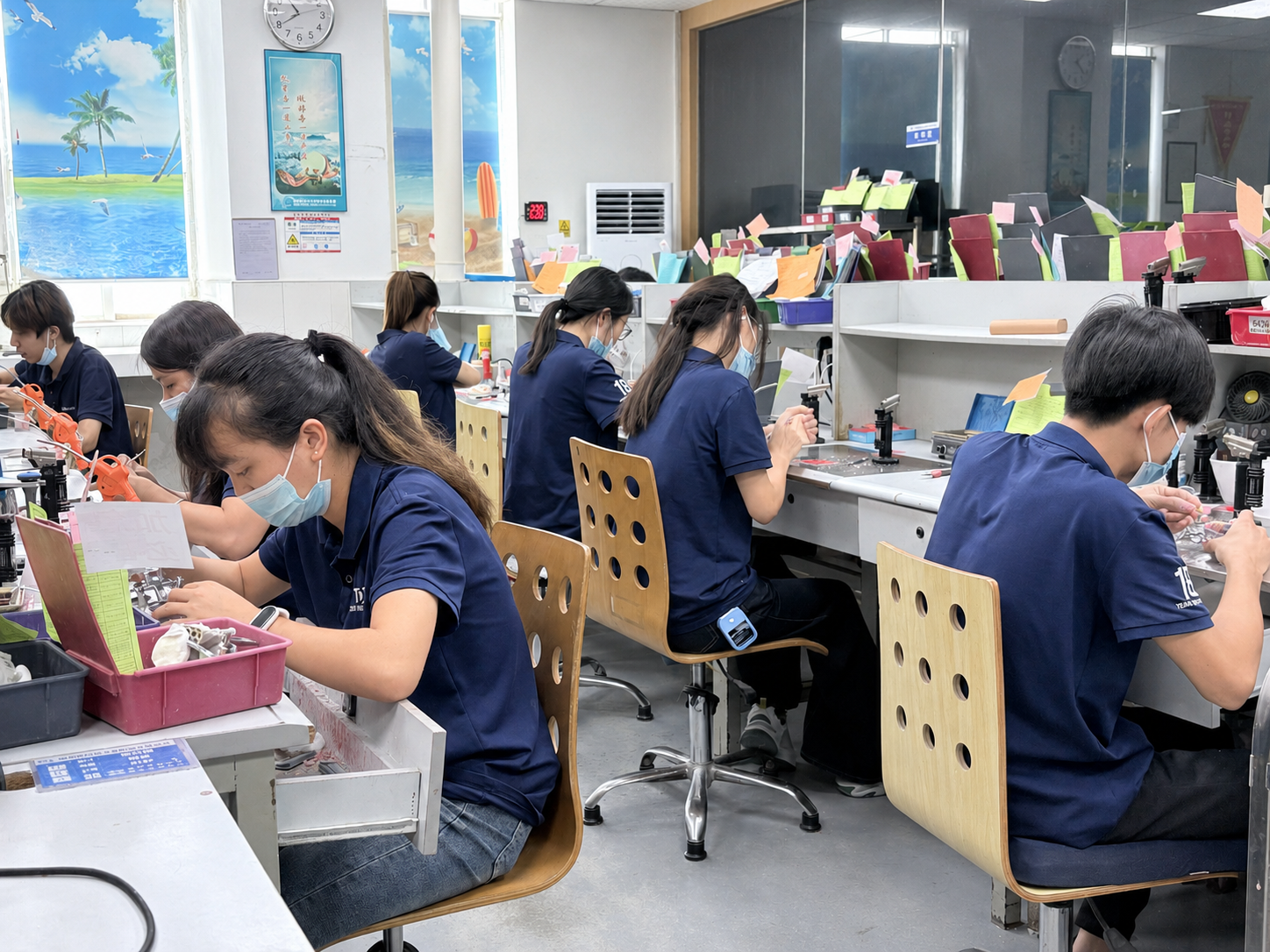
The safest system separates these three instruction levels. The prescription and current clinical records guide the individual restoration. The preference profile supports repeat-case consistency. The laboratory should pause and confirm if the current instruction conflicts with the stored profile.
Dental Laboratory Workflow for Preference Profiles
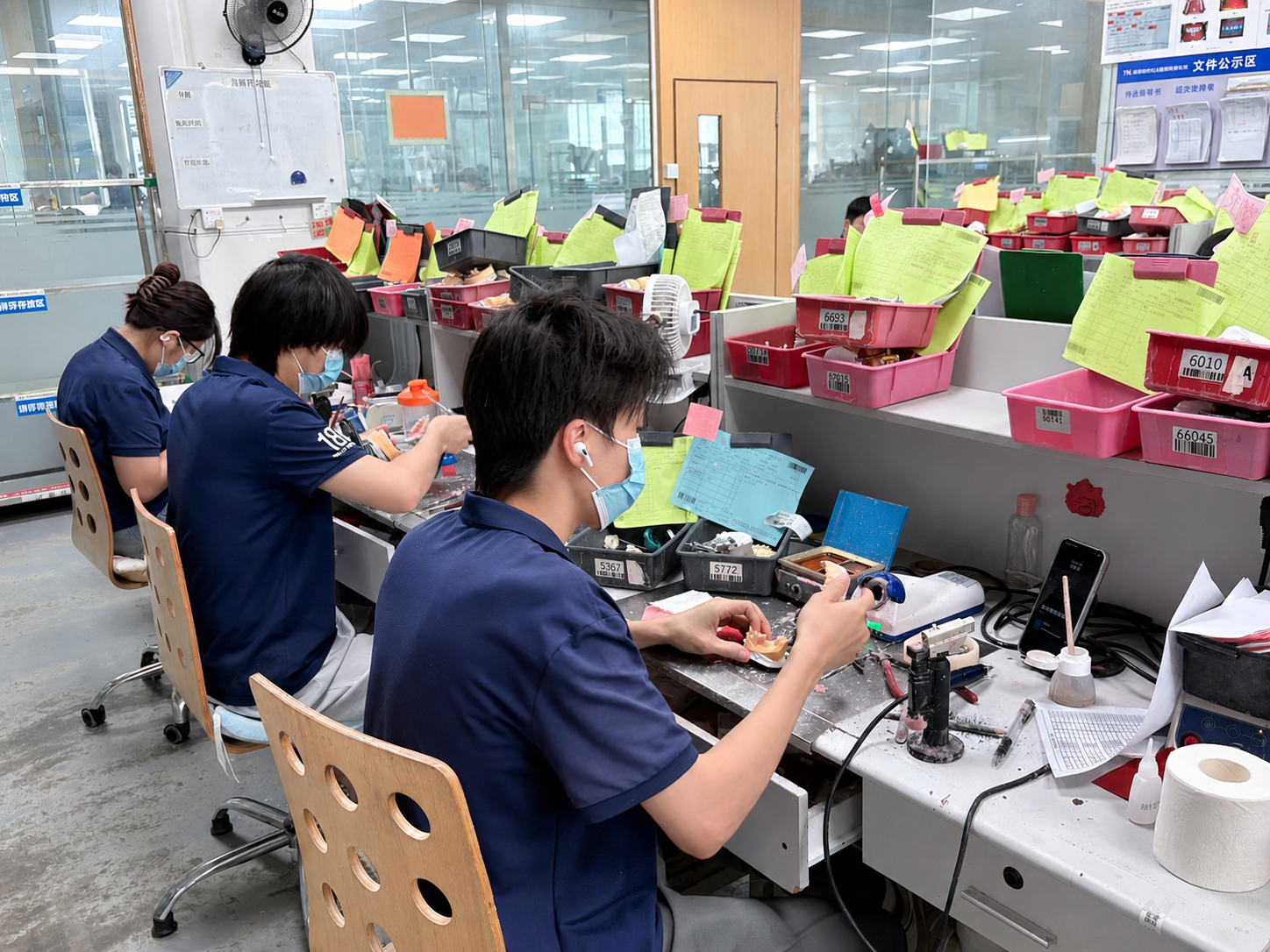
A preference profile should be part of the laboratory workflow, not a separate document that no one checks. At Times Dental Lab, customer notes and case information can be reviewed during case intake, design, production and final quality control when the cooperation involves repeat work.
1. Case Intake Review
During intake, the team checks the prescription, scans or impressions, opposing record, bite record, shade, photos, implant information and special instructions. Times' case-submission process helps customers understand what information is required before production begins.
2. Preference Match
The coordinator checks whether the submitting doctor or account has recurring preferences. If the profile says one thing and the prescription says another, the case should be clarified rather than guessed.
3. Design and Production
Designers and technicians use the confirmed instructions when working on anatomy, contacts, occlusion, emergence profile, shade communication and surface finishing. For digital cases, a documented workflow also helps connect file review, CAD design and approval records. See Times' guide on digital workflow accuracy for more detail.
4. Final QC and Feedback Update
Before shipment, the final inspection should compare the completed restoration with the prescription and any confirmed preference notes. If the customer later sends specific feedback, the lab should review whether the issue came from the clinical record, design interpretation, production process or an undocumented preference. This is closely related to dental lab consistency problems.
Common Mistakes Dentists and Labs Should Avoid
· Turning one unusual patient instruction into a permanent doctor preference.
· Using vague notes such as 'good contact' or 'make it natural' without examples.
· Applying one doctor's preferences to every doctor in a multi-location clinic.
· Ignoring the current prescription because an old profile says something different.
· Updating a profile after unconfirmed comments instead of confirmed recurring feedback.
· Keeping preference notes without creation dates, revision dates or approval names.
· Trying to use a profile to compensate for missing scans, unclear margins or inaccurate bite records.
The American Dental Association notes that dental records should contain facts relevant to patient care, and covered dental practices must also consider privacy and confidentiality requirements when handling patient information. For background, see the ADA resources on documentation and patient records, HIPAA questions and patient autonomy and confidentiality.
How to Build a Preference Profile From Trial Cases
Start with a small selection of representative cases rather than trying to define every possible preference in advance. Choose common products such as posterior crowns, anterior crowns, implant restorations or removable cases. Submit complete records and identify any preferences that are already important to the doctor.
After delivery, record specific observations: whether contacts were lighter or firmer than expected, whether occlusion was appropriate, whether anatomy matched the doctor's preference, whether the surface texture was acceptable, whether shade communication was sufficient and whether the approval process was clear.
Useful feedback should identify the case number, tooth number, observed issue, chairside adjustment performed, available photographs, preferred result for future cases and whether the instruction applies to one case or repeat cases. The laboratory can then convert confirmed feedback into a working preference profile.
What Times Dental Lab Records for Repeat Cooperation
Times Dental Lab supports overseas clinics and dental laboratories with digital and physical case workflows. Basic case information can include product type, tooth number, shade, design requirements, special instructions and approval contact. For long-term cooperation, confirmed preferences can be connected with the customer's case history and reviewed during intake, production and QC.
This workflow should be documented rather than informal. ISO 13485 focuses on quality-management-system requirements for organizations involved with medical devices and related services. In practical lab communication, documented instructions, revision control and feedback review help support a more repeatable process.
Complex or unclear instructions should be confirmed before production rather than treated as permanent assumptions. For a deeper look at how structured intake and QC reduce avoidable errors, see Times' article on dental lab quality control.
Dental Lab Preference Profile Checklist
· Account name, clinic location and doctor name are clearly identified.
· Main communication contact and approval contact are listed.
· Product categories covered by the profile are defined.
· Contact and occlusion preferences are specific and product-aware.
· Anatomy, texture and finishing preferences include examples where possible.
· Shade communication requirements are documented.
· Implant-specific preferences are separated from fixed crown preferences.
· Case-specific instructions are allowed to override stored preferences after confirmation.
· Creation date, revision date and approver are recorded.
· Feedback updates are linked to case numbers and confirmed future use.
FAQs
Is a dental lab preference profile the same as a prescription?
No. A prescription provides instructions for an individual patient and restoration. A dental lab preference profile records recurring expectations for a clinic, partner lab or dentist. The profile supports the prescription but does not replace it.
Can one preference profile be used for all doctors in a clinic?
Account-wide requirements can be shared, but technical preferences may differ between dentists. Maintaining doctor-specific sections helps prevent one doctor's contact, occlusion or esthetic preferences from being applied to another doctor's cases.
How often should a dentist preference sheet be updated?
A dentist preference sheet should be reviewed whenever the customer confirms a recurring change, adopts a new workflow or identifies a repeated adjustment. Revision dates and approval records help the laboratory avoid using outdated instructions.
Can a preference profile prevent every remake?
No system can eliminate every remake. Clinical conditions, incomplete records, material limitations and patient-specific factors still affect outcomes. A documented profile may reduce avoidable variation caused by unclear or forgotten recurring preferences.
What should happen if the prescription conflicts with the preference profile?
The laboratory should pause and confirm the instruction with the customer. A current, clearly documented case instruction normally takes priority, but conflicts should not be resolved through assumptions.
What should a new customer send to Times Dental Lab?
A new customer can send representative case information, available digital files or physical records, current prescription forms, examples of accepted work and any documented doctor preferences. Times can review the information and confirm the appropriate trial-case workflow before production.
Conclusion
A dental lab preference profile creates a shared reference for contacts, occlusion, anatomy, shade communication, approval requirements and other recurring expectations. It is most useful when it separates account-wide standards, doctor-specific preferences and patient-specific instructions.
For Times Dental Lab, preference profiles support a broader system of structured case intake, digital workflow, production review and final quality control. They help repeat customers turn confirmed feedback into clearer future instructions without replacing the prescription or the clinician's case-specific judgment.
If your clinic or dental laboratory is evaluating a long-term outsourcing workflow, send Times Dental Lab your representative cases, existing preference notes and available clinical records through the contact page. The team can review the information and help define a structured trial-case process.