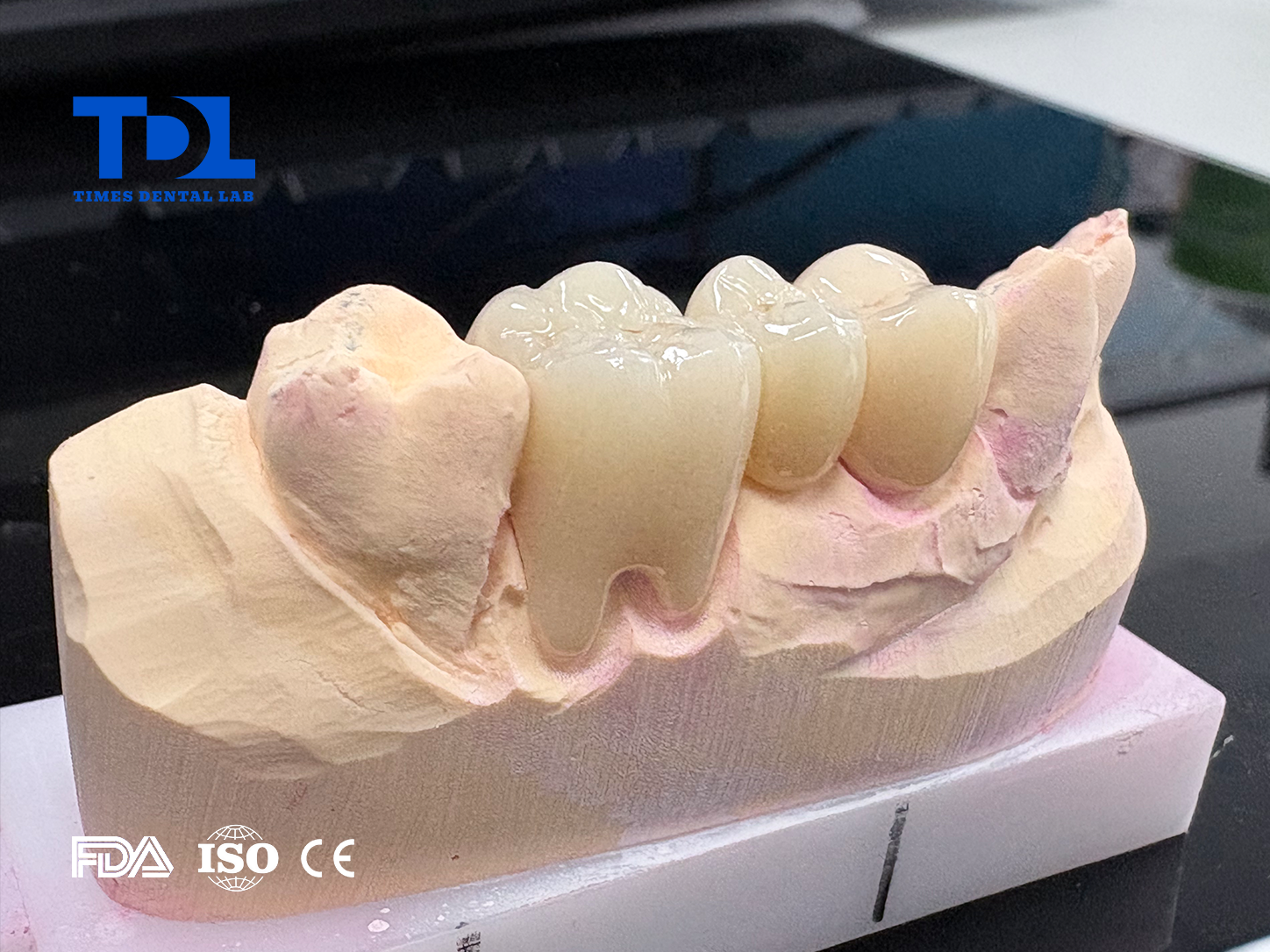
When a dental crown does not fit properly, the problem is rarely caused by one single factor. Fit issues can come from the tooth preparation, impression or scan quality, margin clarity, bite records, CAD design, material processing, quality control, or communication between the clinic and dental lab.
For clinics and dental laboratories, the goal is not to blame one side. The goal is to identify where the workflow can be improved so future crown and bridge cases become more predictable. This is especially important when working with an overseas China dental lab, where clear case information and production checkpoints reduce uncertainty.
At Times Dental Lab, crown fit is managed through case review, CAD design support, manufacturing control, quality checks, and communication with overseas clinics and dental laboratories.
What Does It Mean When a Crown Does Not Fit?
A crown fit problem can appear in several ways. The crown may not seat fully, margins may be open, proximal contacts may be too tight or too loose, occlusion may be too high, the crown may rock on the die, or the final restoration may require excessive chairside adjustment.
Some issues are visible before delivery if the lab has the right model, scan, bite record, and QC process. Other issues appear chairside because the oral environment, preparation, tissue condition, or bite registration differs from the information the lab received.
Common Causes of Poor Dental Crown Fit
|
Cause |
What Happens |
Practical Solution |
|
Unclear margins |
The lab cannot identify the finish line accurately. |
Send clearer scans, better impressions, retraction, photos, or margin notes. |
|
Distorted impressions or scans |
The die or digital model does not match the tooth accurately. |
Check scan quality, avoid saliva/blood artifacts, and rescan unclear areas. |
|
Incomplete bite records |
The crown may be high, low, or out of harmony with the opposing arch. |
Send accurate bite records and opposing arch data. |
|
Insufficient clearance |
The material may be too thin or the crown may need design compromise. |
Confirm occlusal reduction and material thickness requirements. |
|
CAD design issues |
Contacts, occlusion, emergence profile, or margins may need adjustment. |
Use experienced CAD design review and communicate design preferences. |
|
Material processing issues |
Milling, sintering, casting, layering, or finishing can affect final fit. |
Use controlled manufacturing steps and product-specific QC. |
|
Model or die problems |
The working model may not reproduce the clinical situation. |
Verify model accuracy and compare with digital files when available. |
|
Communication gaps |
The lab may not know clinical priorities or special instructions. |
Send complete case notes, photos, shade, material, and deadline requirements. |
Clinic-Side Factors That Affect Crown Fit
Tooth Preparation and Clearance
Preparation design affects retention, resistance, restoration thickness, and seating. If the preparation has undercuts, insufficient clearance, sharp line angles, or unclear finish lines, the lab may need to make compromises during design and manufacturing.
Margin Visibility
Margins are one of the most important areas for crown fit. If the margin is hidden by tissue, blood, saliva, or scan distortion, the technician may need to estimate the finish line. Clear margins reduce the risk of open margins, over-contoured areas, and chairside adjustment.
Bite Records and Opposing Arch
Occlusion is another common reason a crown feels wrong. The lab needs accurate opposing arch data and bite records to design the crown height, contacts, and functional surfaces. Without this information, the crown may require more chairside occlusal adjustment.
Lab-Side Factors That Affect Crown Fit
CAD Design and Margin Control
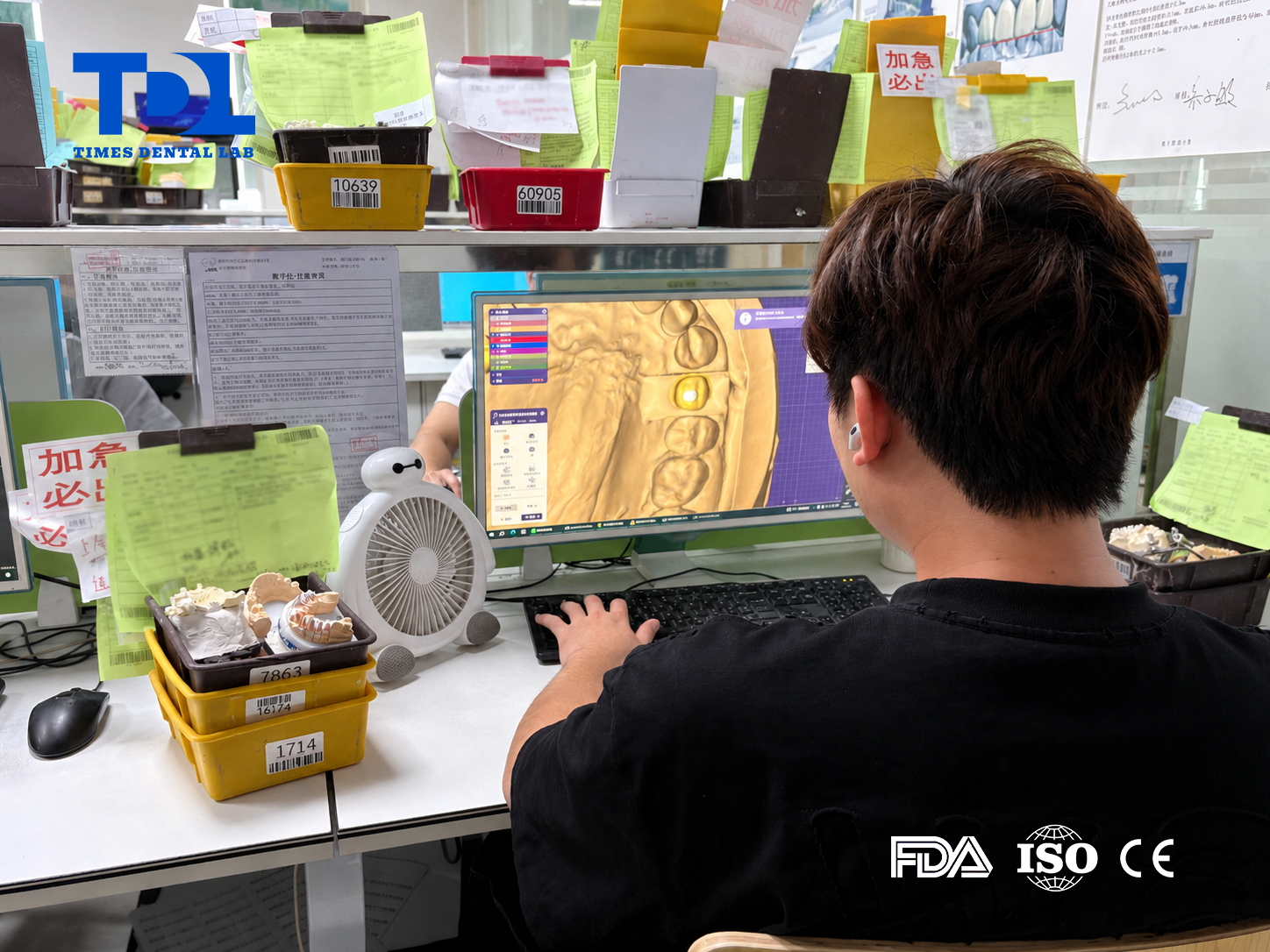
In a digital workflow, crown fit depends on correct margin marking, cement space settings, contact design, occlusal design, and anatomy. This is why experienced CAD design is important for Crowns and Bridges production.
Material and Manufacturing Control
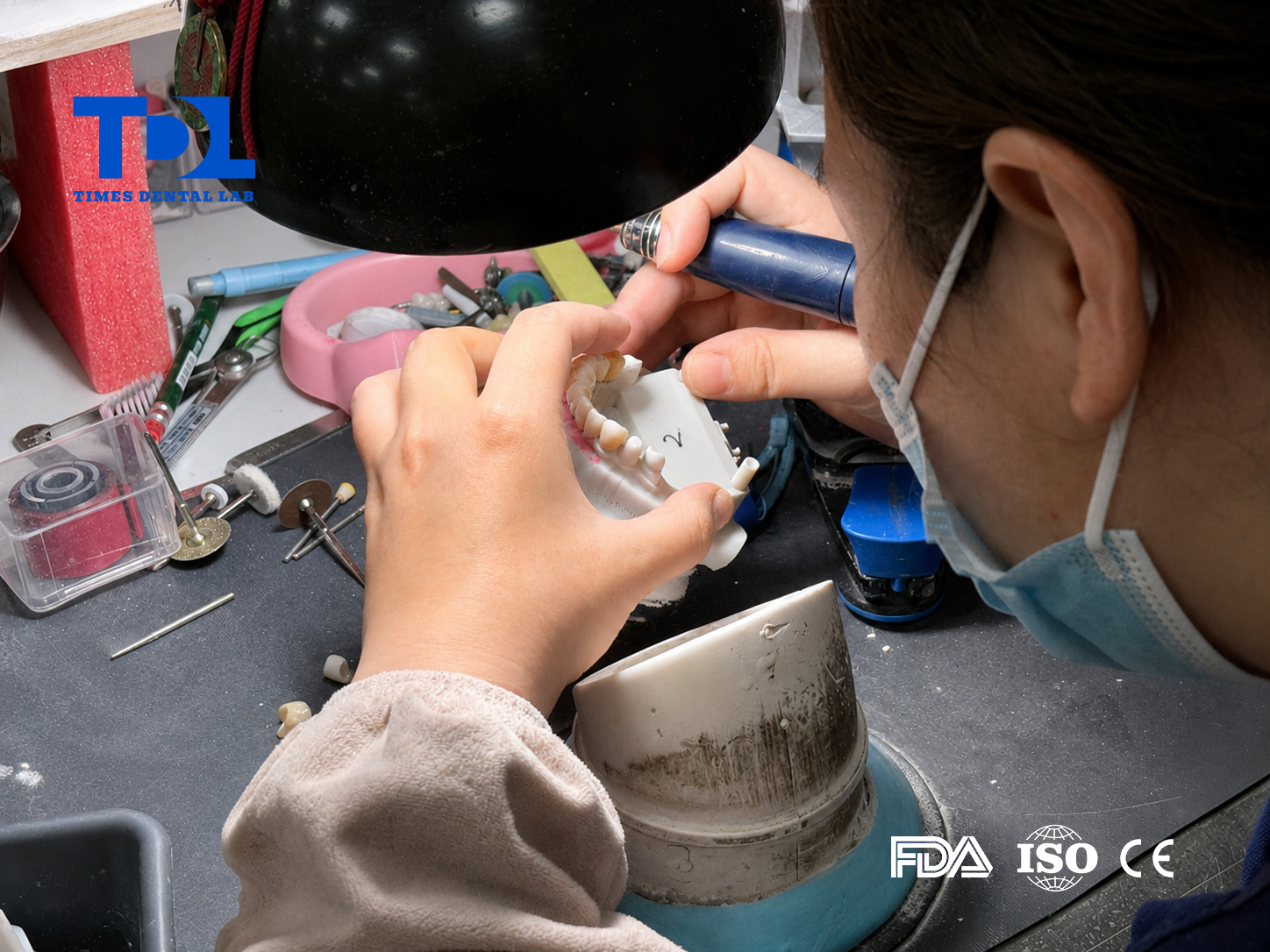
Different materials require different production steps. Zirconia crowns, PFM crowns, E.max restorations, implant crowns, and veneers all have different design and processing requirements. Milling, sintering, casting, layering, glazing, and polishing must be controlled according to the material and case.
Quality Control Before Shipment
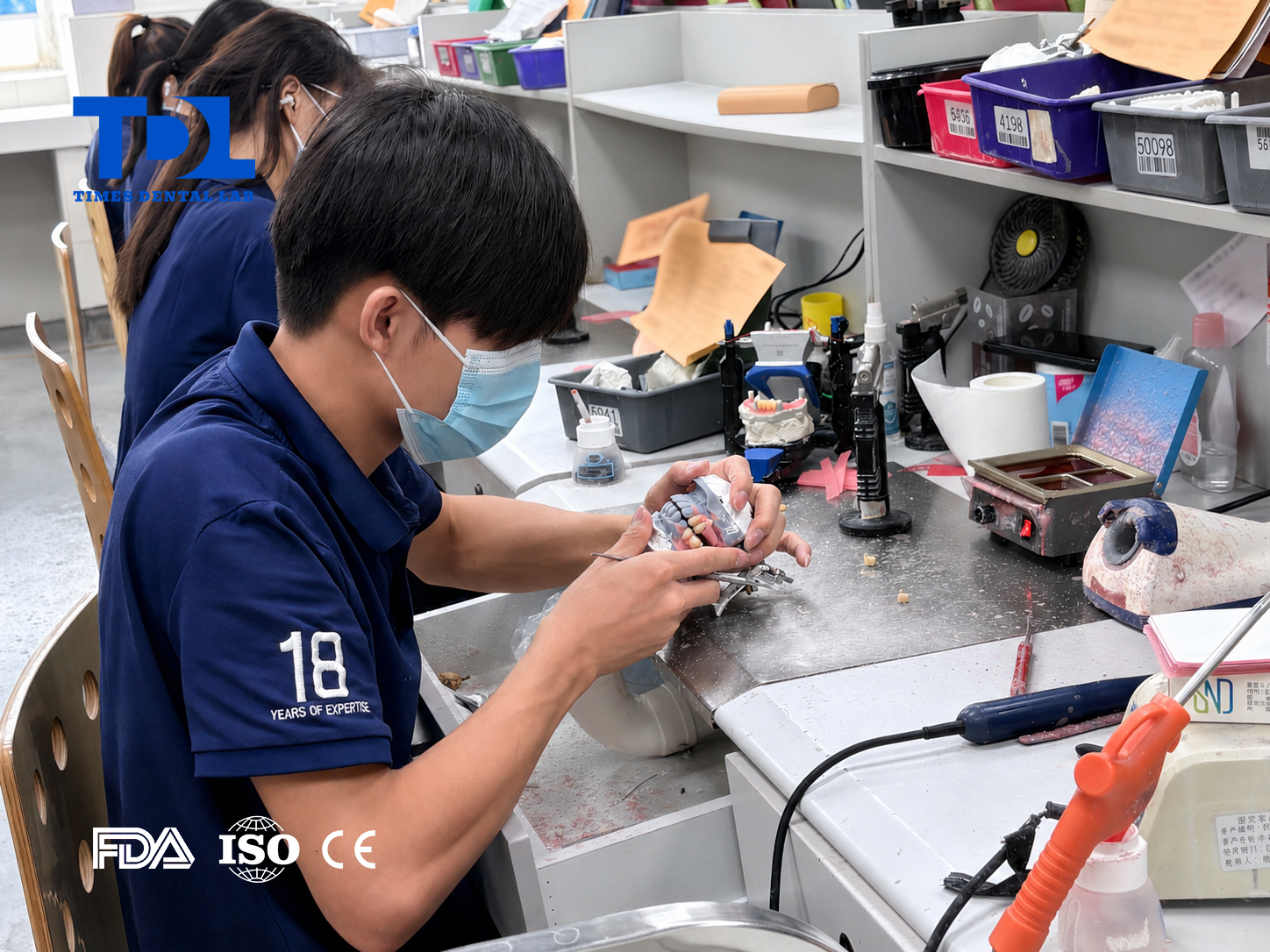
A crown should be checked before shipment for margin fit, internal fit, proximal contacts, occlusion, shade, surface finishing, and case details. This is why quality control in a China dental lab is not a final formality; it is part of the production system.
How Digital Workflow Helps Reduce Fit Problems
Digital workflow can reduce uncertainty when the clinic sends clear intraoral scans, STL files, bite records, shade photos, and instructions. Digital files make it easier to review margins, design crowns, archive cases, and communicate questions before production begins.
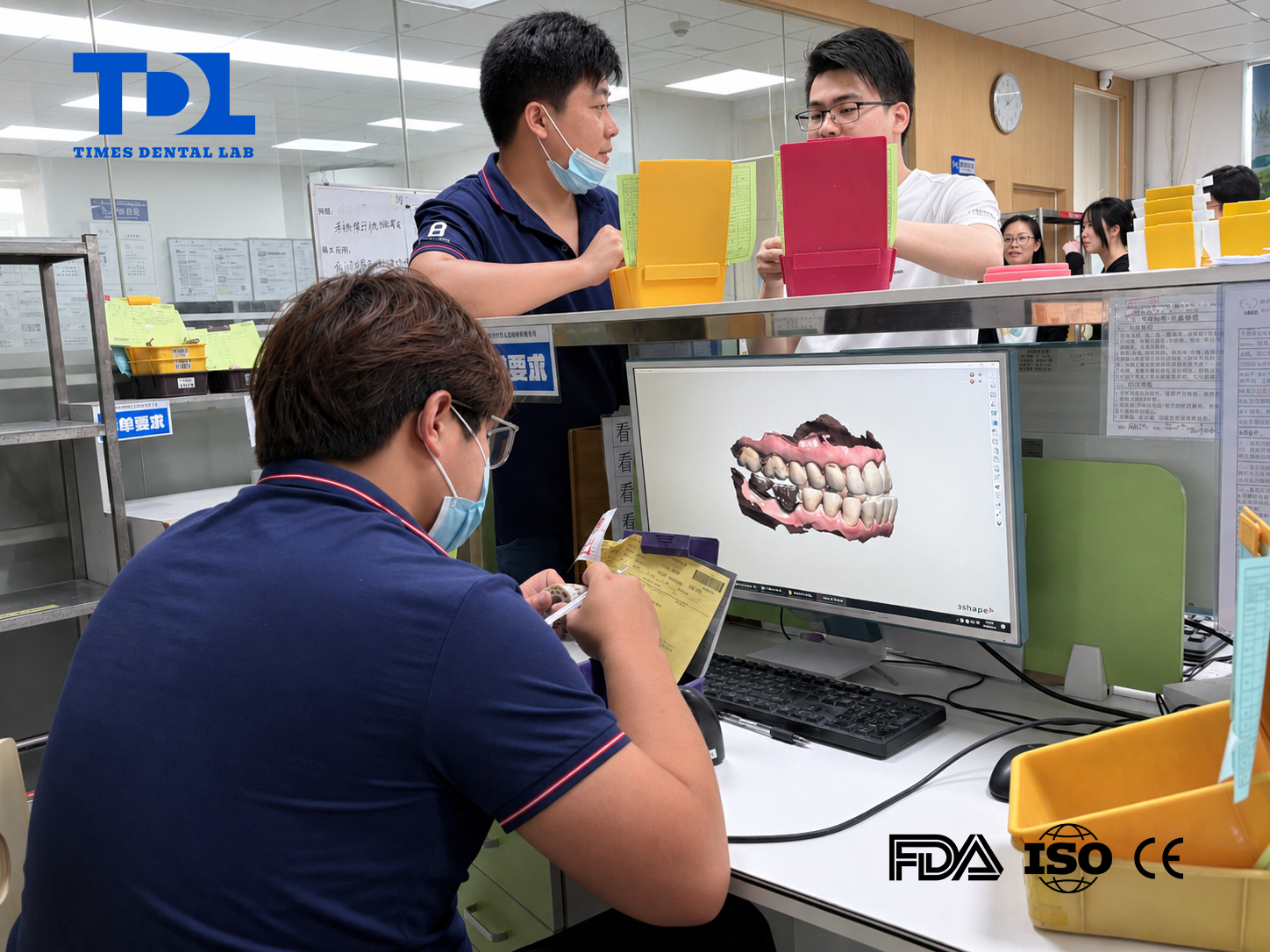
Times Dental Lab supports Digital Solutions and Digital Design Services for scan-based workflows, CAD design support, and repeatable digital manufacturing.
For a broader explanation, see Digital Workflow Between Clinics and Dental Labs.
Solutions: How to Prevent Crown Fit Issues
· Send complete upper, lower, and bite records.
· Make sure margins are clearly visible before scanning or impression taking.
· Include shade photos, stump shade when needed, and clinical notes.
· Confirm material choice and minimum thickness requirements.
· Tell the lab if contacts should be tight, light, or adjusted for specific clinical needs.
· Provide implant system, scan body, platform, and screw-access information for implant crowns.
· Allow the lab to ask questions before production if case information is incomplete.
· Use a dental lab with structured CAD design review, production control, and final QC.
What Times Dental Lab Checks Before Crown Shipment
Times Dental Lab is a full-service dental laboratory based in Shenzhen, China. For crown and bridge cases, the workflow focuses on reducing uncertainty through review, design control, production checks, and final inspection before shipment.
· Margin fit and seating on the model or digital workflow.
· Internal fit and cement space based on case requirements.
· Proximal contacts and contact strength.
· Occlusal relationship and opposing arch information.
· Restoration thickness and material-specific design requirements.
· Shade, surface texture, finishing, glazing, and polishing.
· Case details, packing, and shipment preparation.
Clinics can start by reviewing How to Start or contacting Times Dental Lab with scans, photos, material requirements, and case instructions.
Professional and Standards Context
Dental restorations exist within a professional and device-related environment. The FDA Dental Devices page provides U.S. dental device context, while ISO 13485 provides a quality management framework for medical devices. ISO/TC 106 Dentistry covers dentistry-related standardization.
Professional organizations such as the American Dental Association and National Association of Dental Laboratories also provide broader context for dental practice and dental laboratory technology.
FAQs
Why does my dental crown not seat fully?
A crown may not seat fully because of tight contacts, internal binding, unclear margins, undercuts, distorted impressions or scans, model problems, or design and manufacturing issues. The case should be reviewed before adjusting too aggressively.
Can a digital scan cause a crown fit problem?
Yes. Digital scans can be very useful, but fit problems can happen if the scan misses margins, has saliva or blood artifacts, lacks bite information, or does not capture the opposing arch accurately.
Why is the crown high in occlusion?
A high crown can result from inaccurate bite records, missing opposing arch data, design settings, model articulation issues, or changes in the clinical bite. Accurate bite records and clear instructions help reduce this risk.
Are open margins always a lab problem?
No. Open margins can come from unclear preparation margins, distorted impressions or scans, die/model inaccuracies, design settings, material processing, or clinical seating issues. The cause should be checked before assigning blame.
How can clinics reduce remake risk?
Clinics can reduce remake risk by sending clear scans or impressions, complete bite records, visible margins, shade photos, implant details when needed, and complete material and design instructions.
How does a dental lab check crown fit?
A dental lab checks crown fit by reviewing seating, margins, contacts, occlusion, internal fit, restoration thickness, surface finishing, shade, and case details before shipment.
Why is communication important for crown fit?
Communication helps the lab understand clinical priorities such as margin location, contact preference, occlusal concerns, shade expectations, implant details, and patient-specific requirements.
Conclusion
A dental crown may not fit properly for many reasons, including preparation design, margin visibility, scan or impression quality, bite records, CAD design, material processing, quality control, and communication. The best solution is a controlled workflow where the clinic and dental lab both provide clear information and review the case before production.
Times Dental Lab supports overseas clinics and dental laboratories with crown and bridge production, digital workflow, CAD design support, manufacturing control, quality checks, and communication. The goal is to make crown fit more predictable across repeated cases.
To discuss a crown fit issue or submit a new case for review, contact Times Dental Lab with scans, photos, bite records, and restoration details.