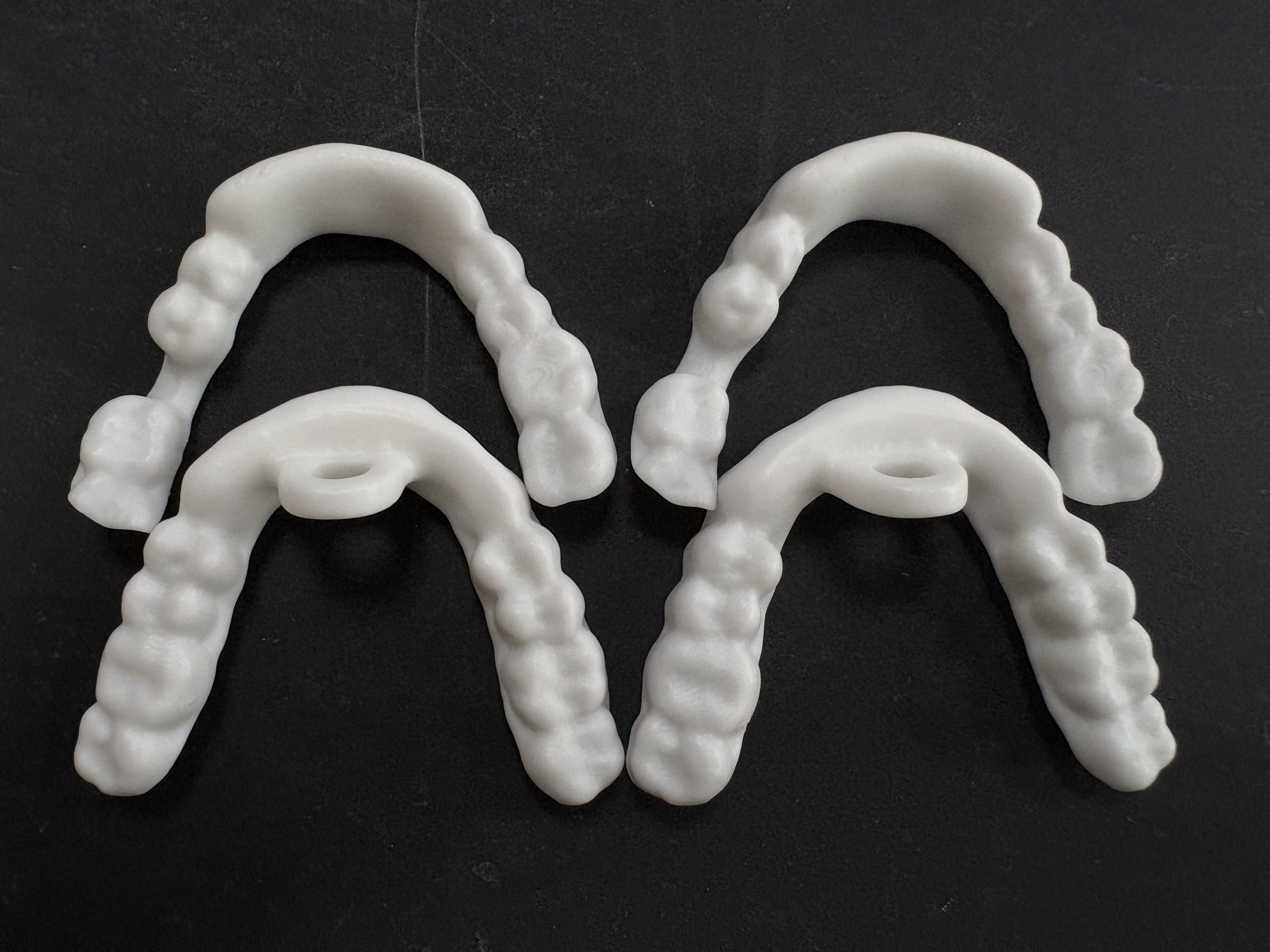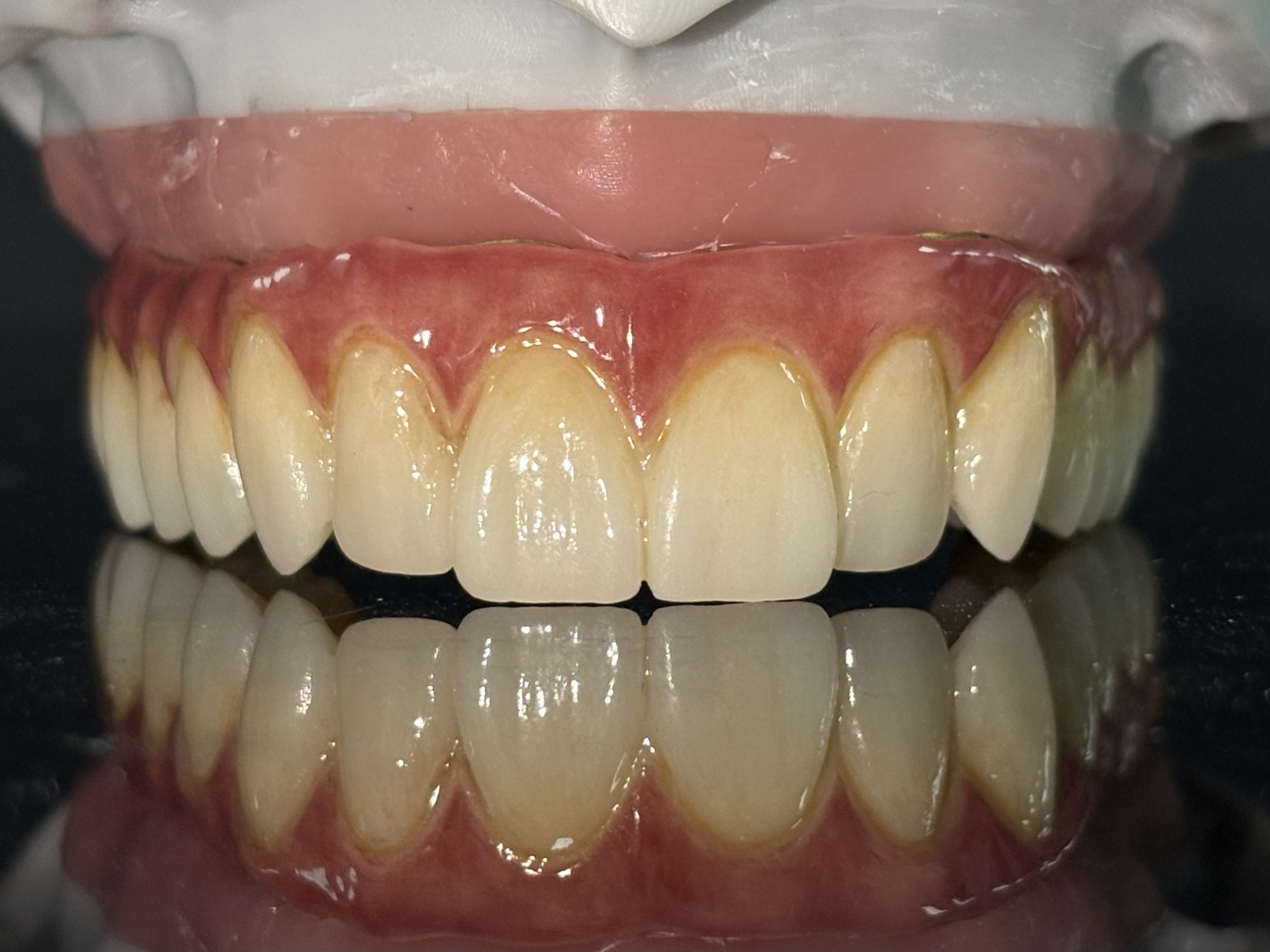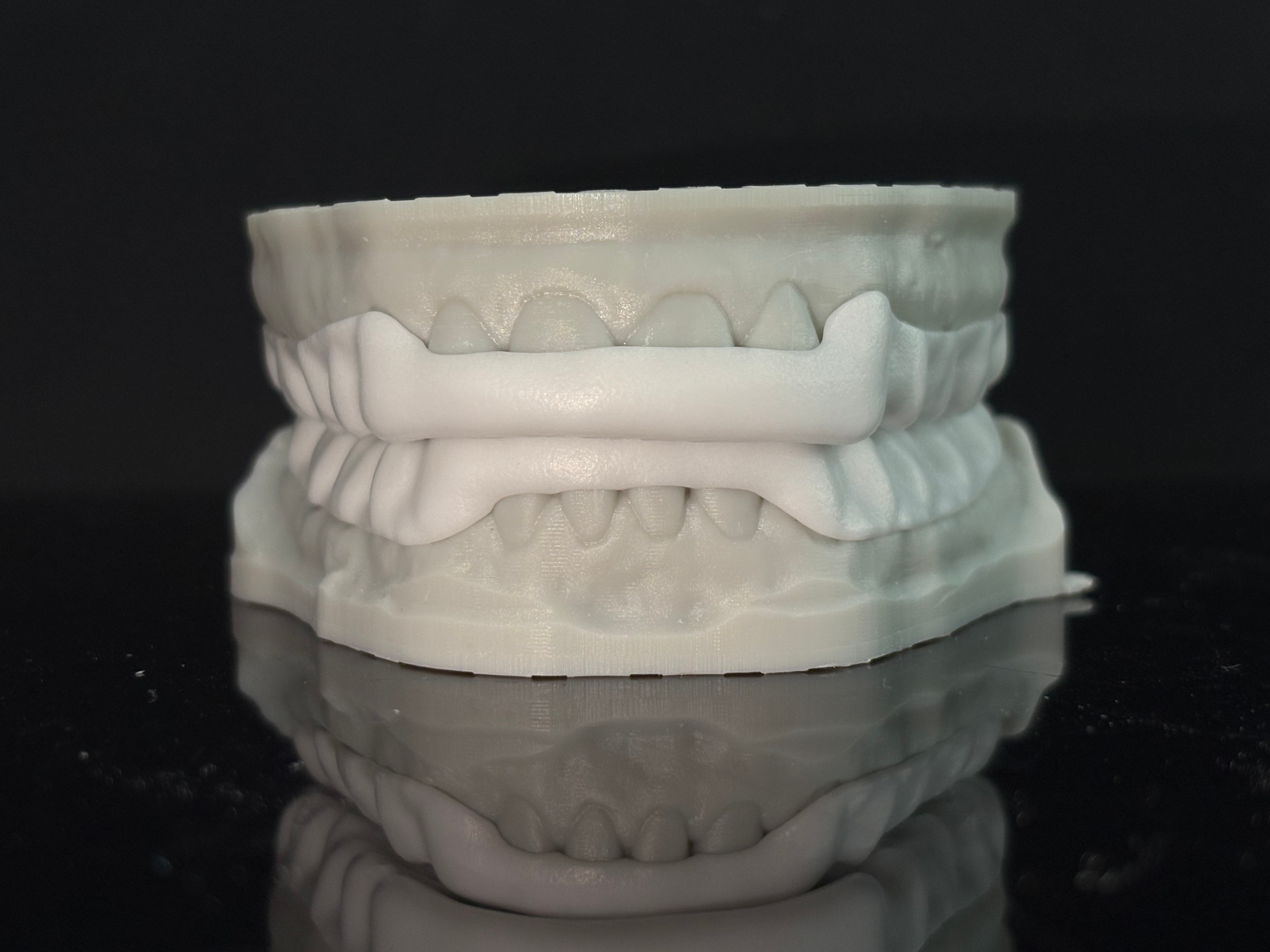
Overseas clinics and dental laboratories do not send every removable case for the same reason. One patient needs a complete denture for an edentulous arch. Another needs an interim partial that may require a tooth addition later. A third needs a flexible partial with less visible clasp areas. These are different products, not interchangeable names for the same denture.
Times Dental Lab is a dental laboratory in Shenzhen, China, serving overseas clinics and partner labs. Our removable denture range includes acrylic full and partial dentures and flexible partial dentures. Times has also identified Valplast among its removable offerings. For any case specified as Valplast-branded, we confirm the requested material and design before production rather than treating every flexible resin as Valplast.
Quick Answer: What Removable Dentures Can Times Dental Lab Support?
Times Dental Lab supports three distinct case types relevant to acrylic and Valplast enquiries. An acrylic full denture replaces the teeth of an entire arch. An acrylic partial denture replaces selected missing teeth with an acrylic base and a case-specific retention design. A Valplast flexible partial denture is a branded flexible-resin partial, generally considered when a flexible base and less visible clasp areas are part of the clinician's plan. The dentist determines the clinical indication; our laboratory reviews whether the prescribed product and submitted records support production.
This article is a guide to Times' removable product range. If you need a head-to-head material comparison for partial dentures, read our separate flexible vs. acrylic partial denture guide.
Acrylic Full Dentures: Replacing a Complete Arch
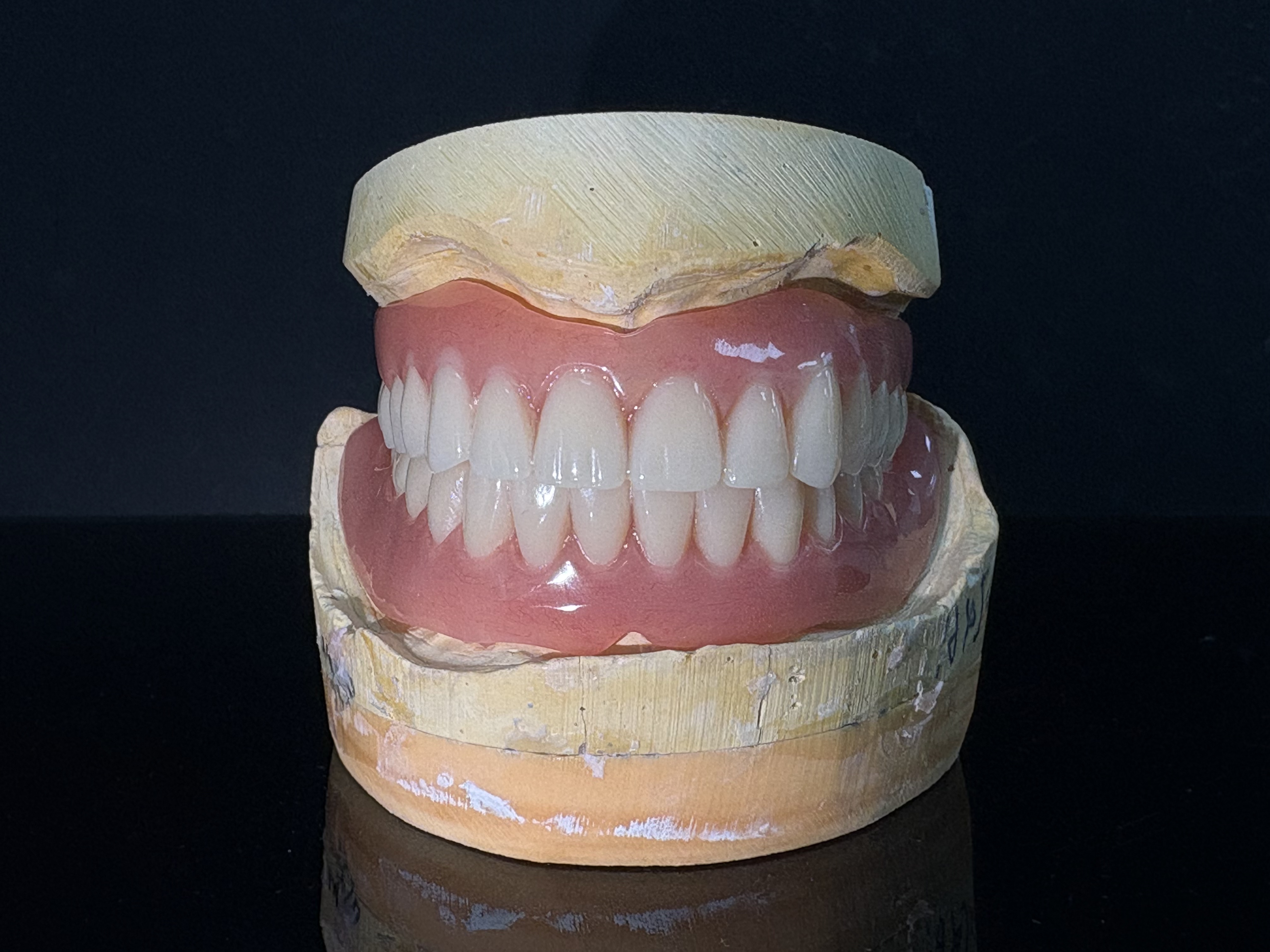
An acrylic full denture is a removable prosthesis for an arch without natural teeth. Its product design includes the denture base, tooth arrangement, gingival appearance, border extensions and occlusal relationship. A good-looking tooth setup alone is not enough: the base and bite records must also match the clinician's prescription and the patient's tissues.
At Times, a complete denture case may follow a conventional or an agreed digital route, depending on the records and the requested product. We do not assume that every acrylic denture uses the same resin or manufacturing process. Our printed full denture page describes one specific digital production route; conventional acrylic denture cases should be discussed separately.
For overseas clients, the points worth agreeing on before production are tooth mould and shade, gingival shade, jaw relation, setup approval or try-in requirements, and how feedback will be returned. The American Dental Association's complete denture information also makes clear that the treating dentist remains responsible for clinical fitting, adjustment and ongoing review.
Acrylic Partial Dentures: A Modifiable Removable Option
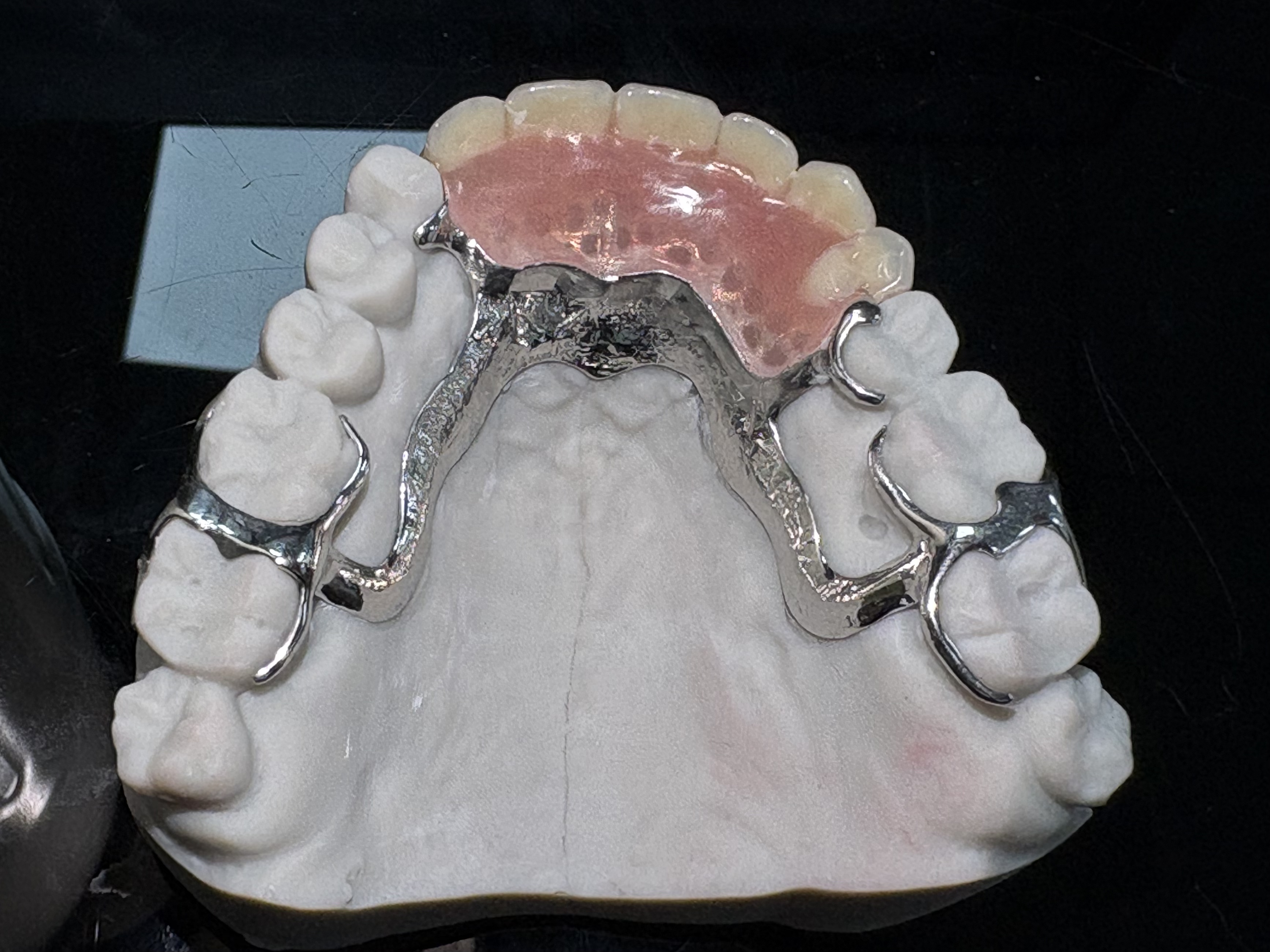
An acrylic partial denture replaces some, but not all, teeth in an arch. Its design can include an acrylic base, replacement teeth and a prescribed retention approach. It may be considered for interim or staged cases, but an acrylic partial is not automatically temporary; the intended use should be stated by the clinician.
One practical advantage of acrylic is that many repair, reline or tooth-addition workflows are familiar to dental laboratories. Whether a particular denture can be modified depends on its condition, the new clinical record and the requested change. An acrylic partial can also have limitations: base bulk, clasp visibility, support and stability must be considered for the individual case. The ADA's partial denture overview explains that partial denture connectors and retention designs vary with patient needs.
When Times receives an acrylic partial request, we need to understand which teeth are being replaced, what retention the clinician has prescribed, and whether further extractions or additions are anticipated. These details affect the product design more than the word “acrylic” alone.
Valplast Flexible Partials: A Specific Brand, Not a Generic Label
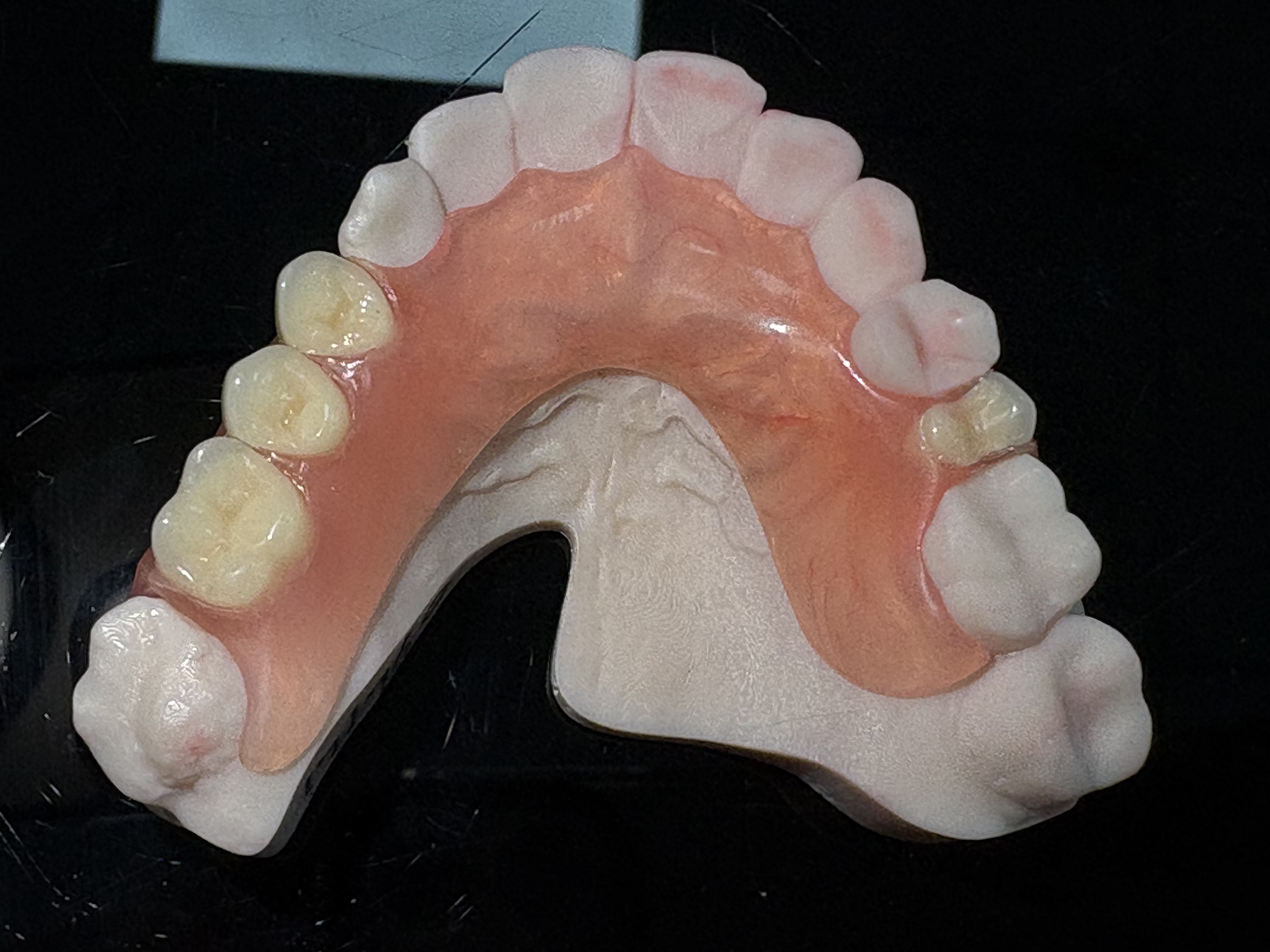
Valplast is a brand of flexible partial denture material. A request for a Valplast partial should therefore identify the brand explicitly; “flexible denture” by itself does not establish that the specified material is Valplast. The manufacturer describes Valplast as a nylon-based flexible material used primarily for partial dentures and notes that full-denture use is a separate, case-dependent question. See Valplast's product FAQ.
Flexible partials may be discussed when a clinician wants a flexible base or less visible clasp areas. Their design still needs planned support, retention, extension and occlusion. “Flexible” does not mean that fit can be guessed from an incomplete impression or that the appliance needs no professional adjustment.
Repair or tooth addition should not be described as impossible. Valplast publishes clinical techniques for adjustments, adding teeth and rebasing, but these procedures require the correct records and material-specific methods. The current appliance and clinical situation must be reviewed before Times confirms what can be done with a particular case.
What Should an Overseas Clinic or Lab Clarify Before Ordering?
The first question is which product is actually prescribed: acrylic full denture, acrylic partial denture, or Valplast-branded flexible partial. After that, Times needs enough information to confirm the intended tooth arrangement, bite, tissue coverage, shade, retention and any approval stage. A request that simply says “make a denture” leaves too much open to interpretation.
For a complete denture, the clinician should identify the jaw relation and whether a setup or try-in stage is required. For a partial, the missing teeth, remaining teeth, clasp or retention preference and expected future changes matter. For a Valplast-branded case, the brand specification should be written clearly so the material can be confirmed before fabrication.
If a case is being outsourced internationally, it is also useful to agree on who approves design questions and whether the submission is digital, physical or a combination. Our removable case-submission checklist covers the records in more detail; this product guide is intended to help you decide what you are ordering, not replace the prescription.
How Times Dental Lab Approaches Removable Cases
Times Dental Lab works with overseas clinics and partner laboratories on removable restorations. Before production, we review the prescription and available working records, including the bite, tooth setup and design instructions relevant to the product. If a requested material, retention design or record is unclear, we seek confirmation rather than silently substituting a different product.
Product-specific checks continue during production and before shipment. For acrylic full dentures, this includes checking the approved setup and base-related instructions against the case. For partial dentures, it includes checking the replacement teeth, prescribed retention areas and finishing. Laboratory checks do not replace the treating dentist's clinical insertion, fit assessment and follow-up.
FAQs
Does Times Dental Lab make both acrylic full and partial dentures?
Yes. Times Dental Lab lists acrylic full and partial dentures in its removable product range for overseas clinics and dental laboratories. The design and production route depend on the prescribed case and submitted records.
Is every flexible partial denture a Valplast denture?
No. Valplast is a specific brand, while “flexible partial denture” is a broader product description. If you require Valplast, state that in the prescription and ask us to confirm the material for the case before production.
Is Valplast suitable for a complete denture?
Valplast is primarily used for partial dentures. The manufacturer notes that complete-denture use can be considered in selected situations, but it is not the standard assumption. The treating dentist must determine whether such a design is appropriate.
Can an existing acrylic or Valplast denture be modified?
Possibly, but the answer depends on the product, its condition and the clinical change requested. Send the current appliance and relevant records for review. Our repair, reline, rebase and remake guide explains why these are different requests.
Discuss a Removable Case with Times Dental Lab
If your clinic or laboratory is looking for a China dental lab for acrylic full dentures, acrylic partial dentures or Valplast-branded flexible partials, tell us the product required, destination country, expected case volume and available records. Contact Times Dental Lab to discuss a representative case and confirm the material and workflow before production.