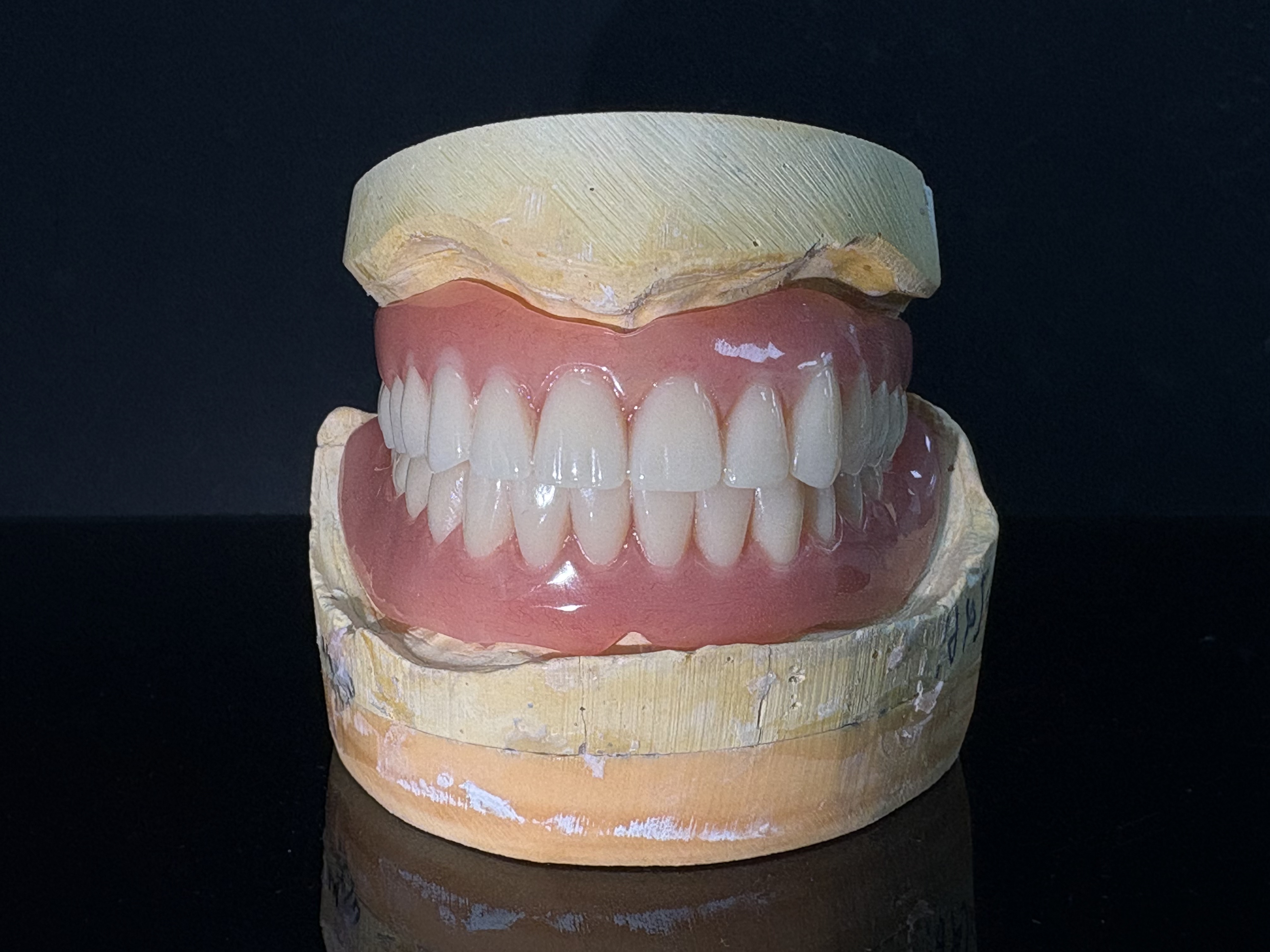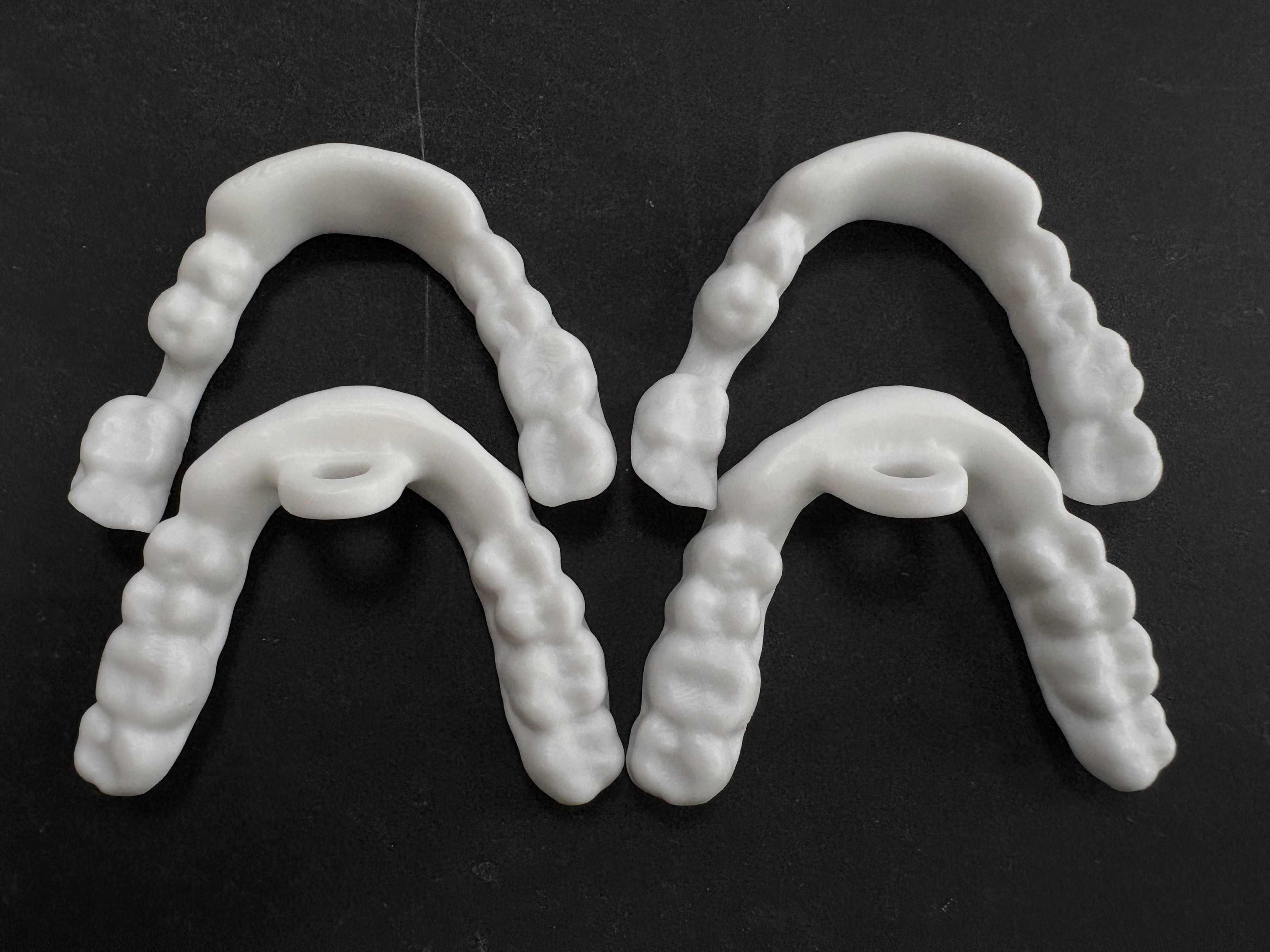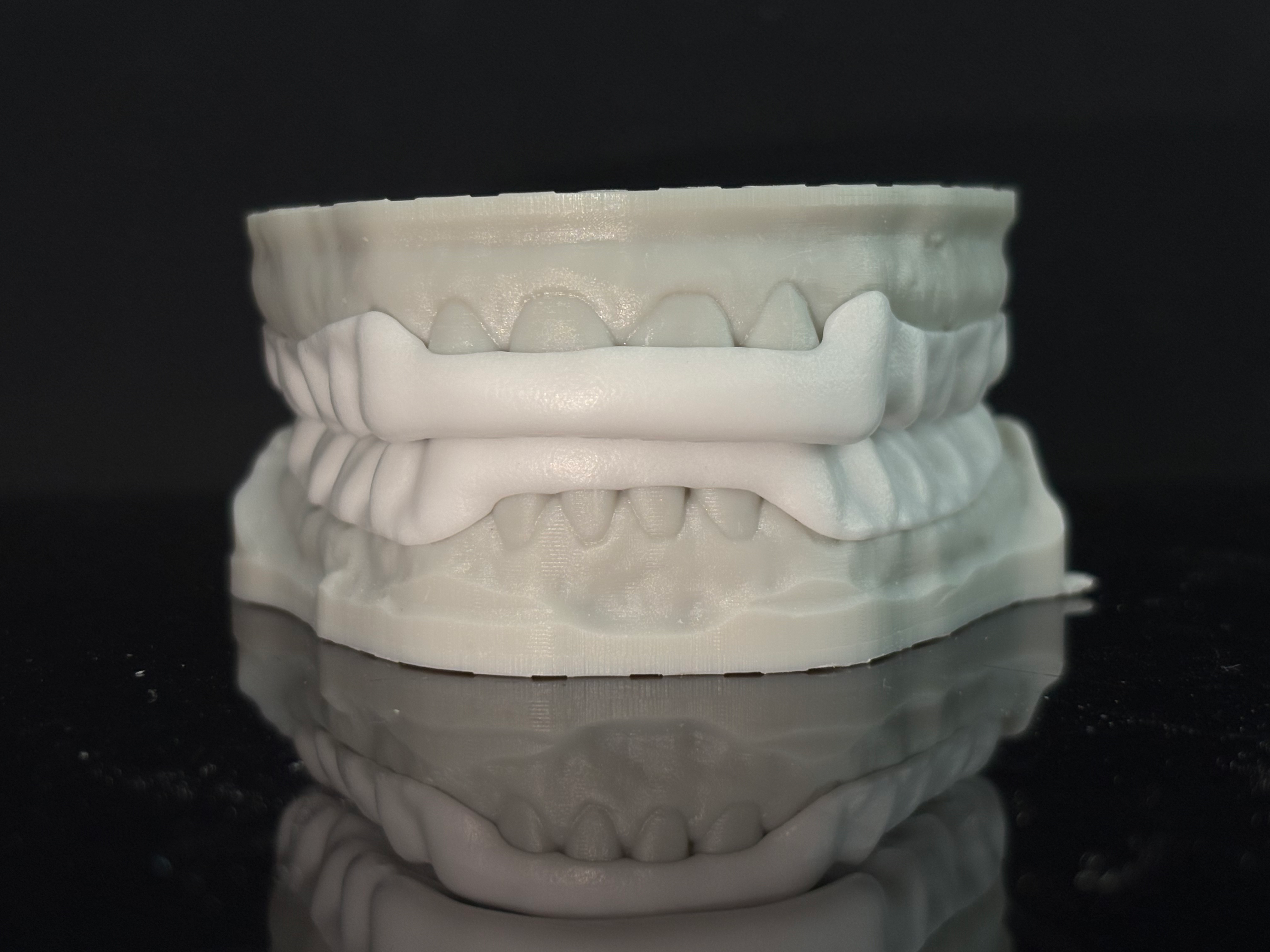
Introduction
All-on-X full-arch implant restoration requires more than a final bridge design. The workflow may include implant-position records, jaw-relation records, a provisional restoration, prototype try-in, material selection, screw-channel planning, hygiene access and final laboratory inspection.
This guide helps overseas clinics and partner dental laboratories understand the restorative stages and laboratory information needed for All-on-X cases. It focuses on prosthesis design and dental laboratory workflow, not implant surgery or patient-specific treatment planning.
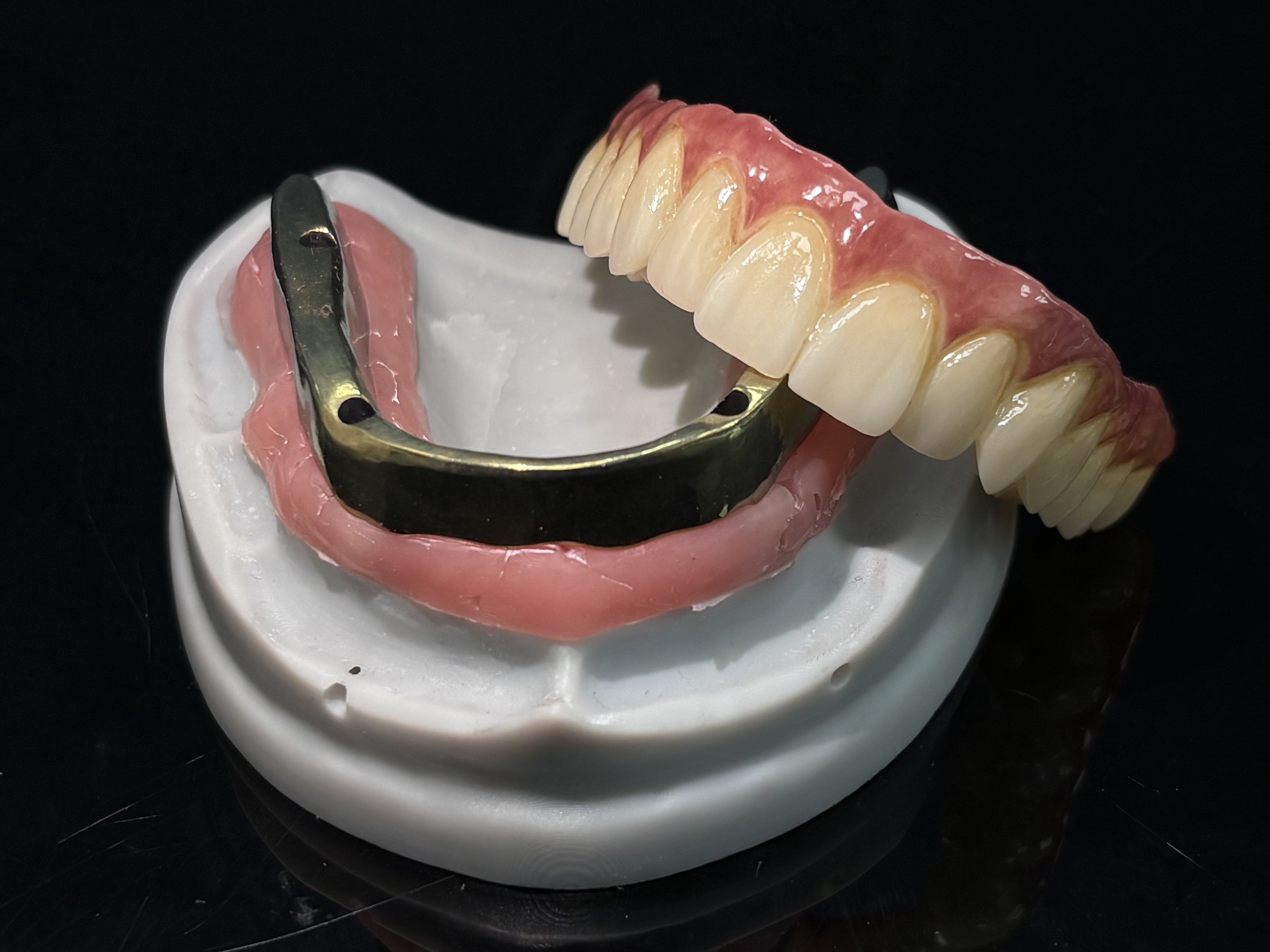
Quick Answer: What Is an All-on-X Dental Restoration?
An All-on-X dental restoration usually refers to a full-arch fixed prosthesis supported by multiple implants. The “X” means the number of implants can vary according to the clinical plan. The clinical team determines diagnosis, implant number, implant position and treatment sequence. The dental laboratory manufactures provisional, prototype or definitive restorations from confirmed records, component information and approved restorative instructions.
What Types of Restorations Are Used in an All-on-X Workflow?
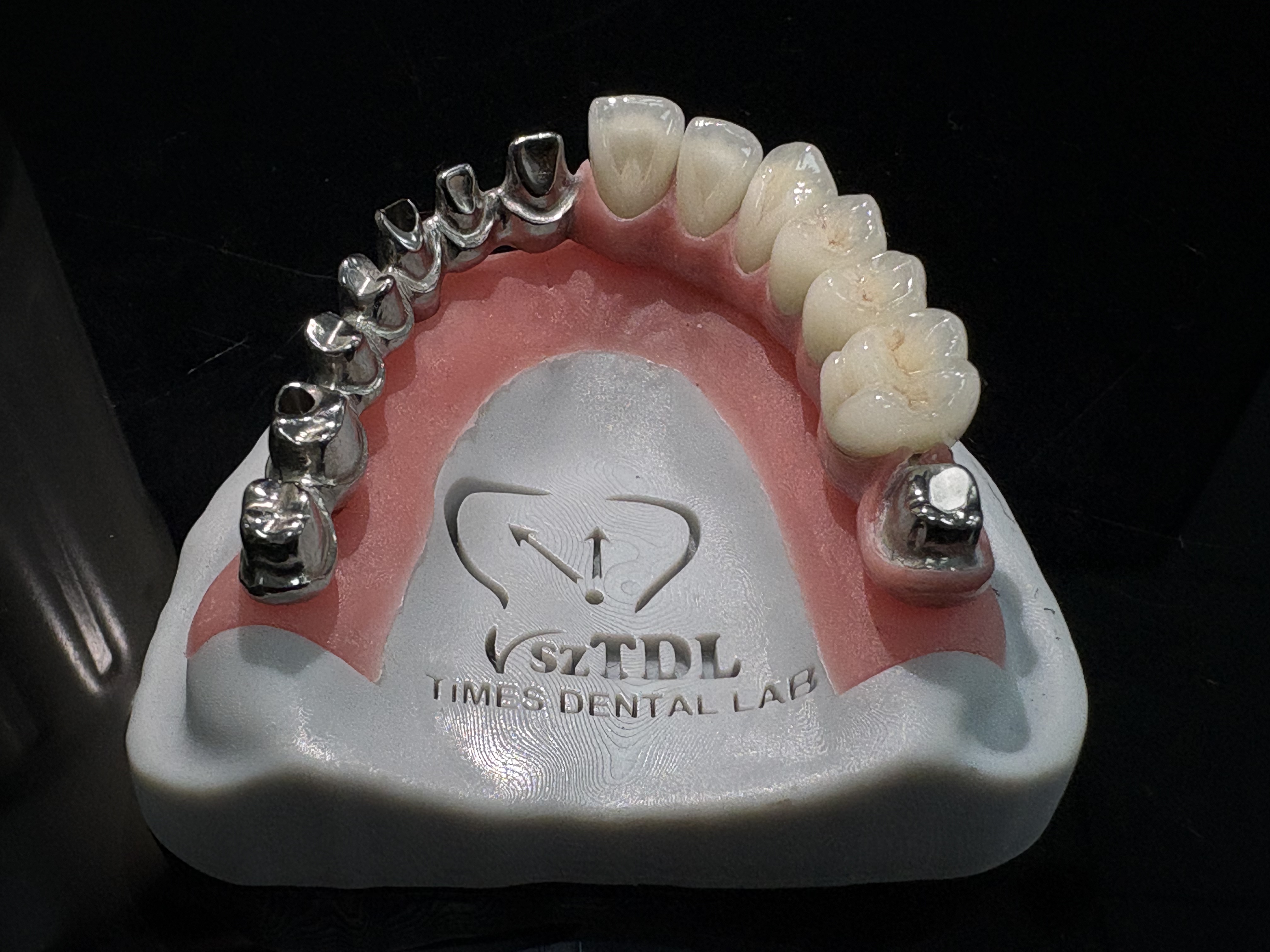
An All-on-X workflow can include several restorative stages. Not every case needs the same sequence, but separating the stages helps the clinic and laboratory know what is being verified at each point.
Diagnostic or Planning Prosthesis
A diagnostic or planning prosthesis may help communicate tooth position, occlusal plane, vertical dimension and esthetic expectations before the final design is created. Whether this stage is needed depends on the clinical workflow and the quality of existing records.
Provisional Full-Arch Restoration
A provisional full-arch restoration can help the clinical team and patient evaluate tooth position, occlusion, speech, lip support and esthetics during a staged workflow. Approval of a provisional restoration does not automatically mean that final framework fit, implant positions or material design have been fully verified.
Prototype or Try-In
A prototype or try-in is mainly used to review restorative design information such as midline, occlusal relationship, vertical dimension, tooth display, lip support and cleansability. This stage is different from an implant verification jig, which focuses on implant or multi-unit abutment position records.
Definitive Full-Arch Restoration
The definitive All-on-X restoration is the final full-arch prosthesis produced after the required design and clinical checkpoints are approved. The material, structure and connection method should follow the prescription, component information, restorative space and clinical plan.
What Materials Can Be Used for All-on-X Restorations?
All-on-X materials should be selected by case requirements rather than ranked as one universal best option. A systematic review of framework materials for implant-supported full-arch prostheses found that multiple materials and fabrication techniques are used, including titanium, zirconia and polymers, while also noting the need to interpret indications and protocols carefully.
|
Option |
Common Stage |
Main Lab Focus |
What to Confirm |
|
PMMA provisional |
Provisional or prototype |
Tooth position, occlusion, esthetics and design communication. |
Jaw relationship, tooth setup, shade and approval process. |
|
Full-arch zirconia |
Definitive restoration |
Structure, screw access, occlusion, esthetics, surface finishing and hygiene contour. |
Material space, connector design, interface, shade and approved final design. |
|
Titanium framework with acrylic or composite components |
Definitive restoration |
Framework fit, restorative support, material junctions and maintenance access. |
Framework design, restorative material, screw access and repair/maintenance plan. |
The American College of Prosthodontists notes that full-arch, screw-retained implant restorations can be fabricated in multiple compositions, including metal frameworks with acrylic materials, milled titanium, milled zirconia with or without porcelain overlay, and other alloy or ceramic combinations. The ACP also emphasizes prosthetic design, hygiene access and maintenance planning in full-arch implant restorations.
What Records Does the Dental Lab Need?
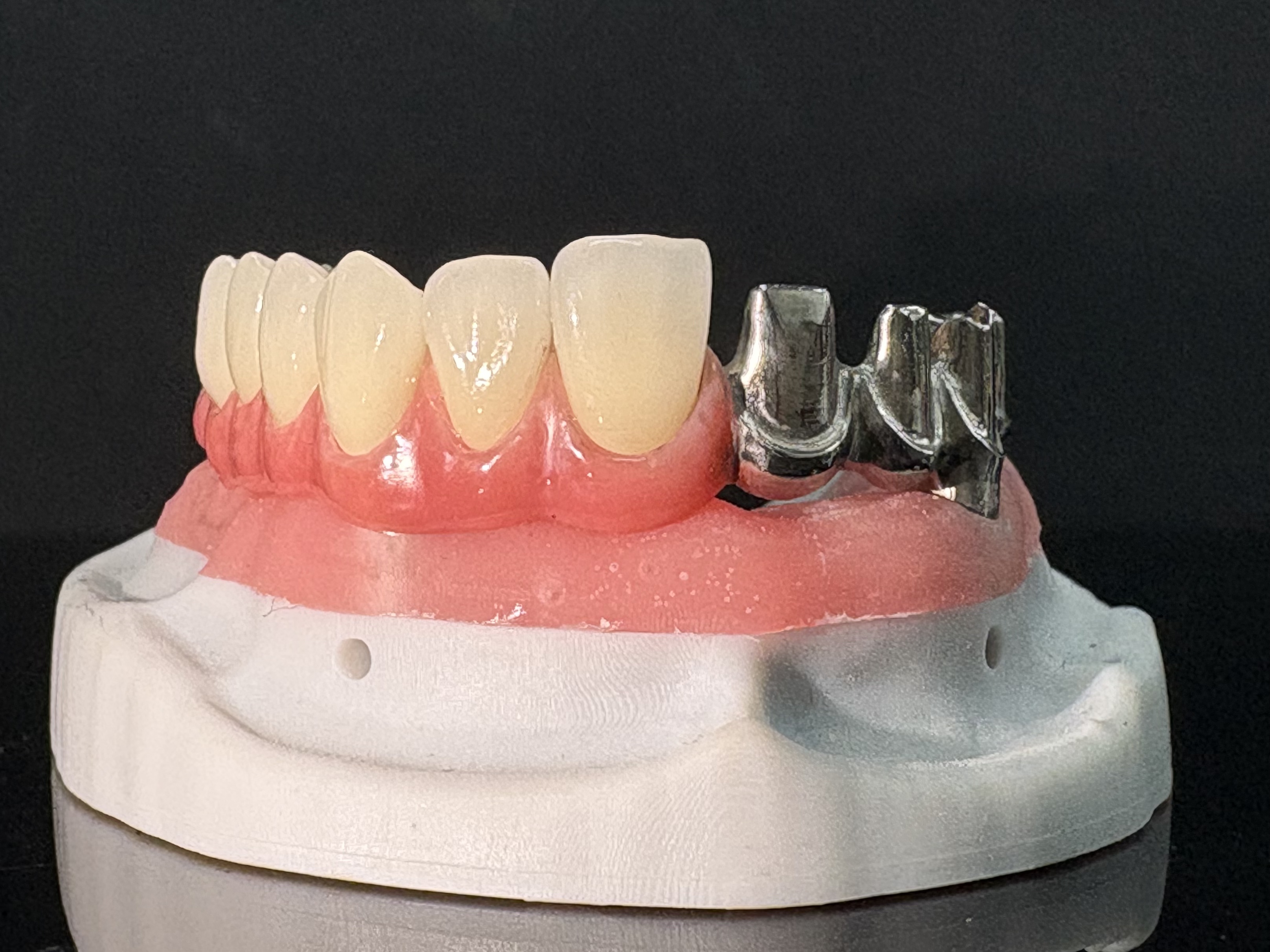
A dental lab needs complete full-arch implant records before it can decide whether a case is ready for design, prototype, verification or final production. Receiving scan files does not automatically mean the case is production-ready. Component level, scan-body compatibility, jaw relationship and approval stage still need to be checked.
The records normally include implant manufacturer and system, platform and connection information, implant-level or multi-unit abutment-level instructions, scan body or impression component details, working and opposing records, bite or jaw-relation record, soft-tissue scan or model, existing provisional or denture scan, photos, material instructions and approval requirements.
For a fuller intake list, use the Times implant case submission checklist. That page should support detailed file preparation, while this All-on-X article works as the higher-level restorative workflow guide.
How Does the All-on-X Laboratory Workflow Progress?
A full-arch implant workflow should move through clear laboratory checkpoints. The purpose is to prevent the case from moving into final production before the implant record, restorative design and approval stage are aligned.
Step 1: Case and Component Review
Times Dental Lab first reviews the implant system, connection level, scan body or impression components and the requested restoration stage. If the lab cannot identify the component family or design library, the case should be clarified before CAD design begins.
Step 2: Record Alignment and Design Planning
The team aligns working arch, opposing arch, bite record, soft-tissue information and any provisional or denture reference. This stage helps the designer understand the restorative space, midline, occlusal plane, tooth display and hygiene contour.
Step 3: Digital Design Review
During digital design, the lab reviews tooth arrangement, gingival contour, screw-access position, occlusion, material space and cleansability. A review of fixed full-arch implant-supported restoration techniques describes the importance of coordinated materials, framework design and workflow decisions in these restorations. Times supports implant bars, full-arch restorations and related implant CAD workflows through its digital design services.
Step 4: Verification or Prototype Stage
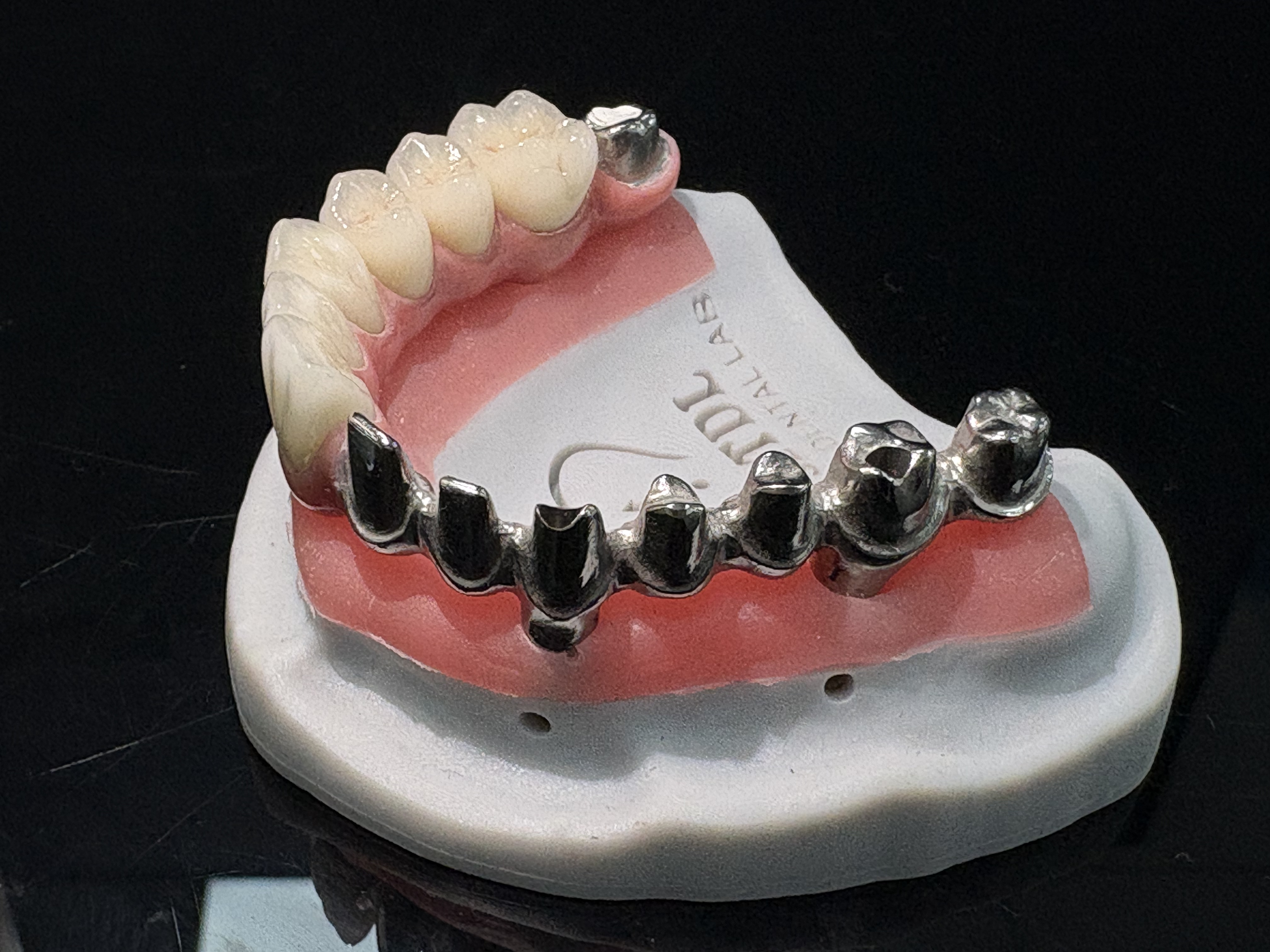
A verification jig, prototype and framework try-in are not the same checkpoint. A verification jig focuses on whether implant or multi-unit abutment positions are represented accurately. A prototype mainly reviews tooth setup, occlusion, vertical dimension and esthetics. For details, see the Times full-arch implant verification jig guide.
Step 5: Final Restoration Production
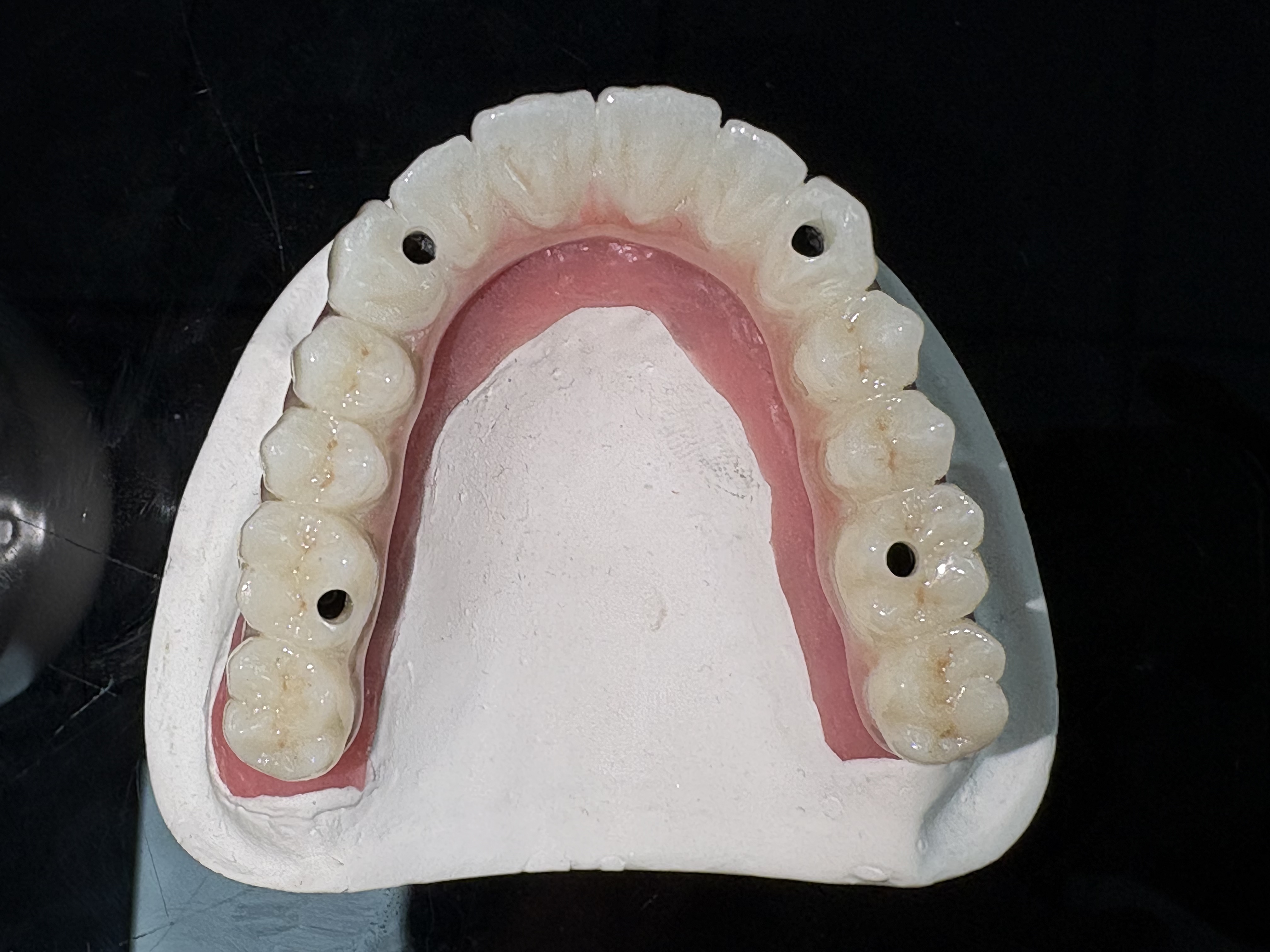
Final production should begin after the required records, materials and approvals are confirmed. For zirconia, titanium-framework or PMMA stages, the lab should follow the approved design version rather than relying on scattered comments from different messages.
Step 6: Final Laboratory Inspection
Final inspection checks whether the completed restoration matches the prescription and approved design. Relevant review points may include model or interface fit, screw access, occlusion, surface finish, shade, case identification, included components and packaging.
Which All-on-X Checkpoints Should Be Approved Before Final Production?
|
Stage |
Main Confirmation |
Responsible Party |
|
Case review |
Implant system, platform, files and restoration requirement. |
Lab and customer. |
|
Design preview |
Tooth position, contour, screw access and material space. |
Customer's approved contact. |
|
Verification stage |
Implant or MUA position record. |
Clinical team. |
|
Prototype try-in |
Tooth setup, occlusion, vertical dimension, esthetics and speech. |
Clinical team. |
|
Final production |
Material, shade, structure and approved design version. |
Customer and lab. |
|
Final inspection |
Manufacturing details, surface, identification and packaging. |
Lab. |
Each case may use a different approval path. The important point is to define the current stage before production begins, especially when several people are involved in the communication.
Common All-on-X Laboratory Problems to Clarify Early
|
Problem |
Possible Impact |
What to Provide |
|
Implant level and MUA level are unclear. |
The lab may select the wrong connection level. |
Written connection level and component details. |
|
Scan body does not match the CAD library. |
Design may be delayed or require a corrected scan. |
Scan body manufacturer, reference and photos if needed. |
|
Full-arch scan lacks verification support. |
Small record errors may affect the entire restoration. |
Verification step or additional clinical confirmation. |
|
Jaw record or vertical dimension conflicts with the provisional. |
Tooth setup and occlusion may not match expectations. |
Approved bite record and provisional reference. |
|
Screw access affects tooth design. |
Esthetics or function may need review before final production. |
Design approval and alternative restorative instructions. |
|
No approval contact is named. |
The case may wait while the lab finds who can approve changes. |
One named contact for design decisions. |
How Times Dental Lab Supports All-on-X Cases
Times Dental Lab supports All-on-X and other implant restorations for overseas clinics and partner laboratories. The service can include full-arch digital design support, provisional or prototype stages, verification jig support, implant bars, full-arch zirconia restorations and staged communication before final production.
The practical value is not only manufacturing capacity. Complex full-arch cases need organized records, component verification, design approval and final quality checks. Times can review submitted files and advise what information is missing before the case enters the next laboratory stage.
FAQs
What does the “X” mean in All-on-X?
The “X” in All-on-X means the number of supporting implants can vary according to the clinical treatment plan. The dental laboratory should not decide implant number or position; those decisions belong to the clinical team.
Is All-on-X the same as All-on-4?
All-on-4 is a more specific treatment concept, while All-on-X is a broader industry term for full-arch fixed restorations supported by a variable number of implants. This article discusses restorative workflow, not surgical indications.
Can an All-on-X restoration be made from digital scans?
An All-on-X restoration can be supported by digital scans when the scan quality, scan body data, CAD library, bite record and verification requirements are suitable. A fully digital workflow should still be reviewed case by case.
Is a verification jig required for every All-on-X case?
A verification jig is not automatically required for every All-on-X case. The clinical team should decide whether verification is needed based on the number of implants, record reliability, scan workflow and planned restoration.
What is the difference between a prototype and a verification jig?
A verification jig mainly checks whether implant or multi-unit abutment positions are represented accurately. A prototype mainly helps review tooth position, occlusion, vertical dimension, esthetics and speech before final production.
What materials does Times offer for All-on-X restorations?
Times Dental Lab can support All-on-X workflows that may include PMMA provisional or prototype restorations, full-arch zirconia restorations, implant bars and framework-based solutions, depending on the submitted records and prescription.
Conclusion
A successful All-on-X laboratory workflow depends on reliable records, defined stages and written design approvals. The laboratory needs to know whether it is producing a provisional, prototype, verification device, framework or final restoration before design and manufacturing begin.
Material selection should be connected to the clinical plan, restorative space, screw-access position, hygiene contour, esthetic expectation and maintenance strategy. No single material or stage is correct for every full-arch implant case.
To request an All-on-X case review, send Times Dental Lab the target restoration stage, implant system, connection level, scans or models, bite record, provisional reference and expected delivery requirement through the How to Start page or the Contact page.
References
· American College of Prosthodontists: Maintenance of Full-Arch Implant Restorations - used for prosthetic design, screw-retention, hygiene access and maintenance context.
· Framework Materials for Full-Arch Implant-Supported Rehabilitations: A Systematic Review - used for material options and framework evidence context.
· Fixed Full-Arch Implant-Supported Restorations: Techniques Review and Proposal for Improvement - used for full-arch material and workflow context.