Introduction
Many clear dental appliances look similar when they arrive in a pouch or appear in a case photo. A clinic may describe the request as a clear tray, a retainer, a mouth guard or a bleaching tray, but those names do not always mean the same thing to the dental laboratory. For predictable production, the appliance purpose must be stated clearly before design and manufacturing begin.
This article compares clear retainers, night guards and bleaching trays from a dental lab perspective. It explains how each appliance is commonly prescribed, what information the lab needs and why Times Dental Lab asks for confirmation when the product name, design instructions or digital records are incomplete.
Quick Answer
Clear retainers, night guards and bleaching trays may look similar, but they are not interchangeable. A clear retainer is designed to maintain tooth position, a night guard is manufactured according to the dentist's prescribed protective or occlusal design, and a bleaching tray is designed to hold whitening material. Their material, thickness, extension, fit and occlusal requirements can differ. The treating clinician should prescribe the appliance according to the patient's clinical needs.
Why Do These Three Appliances Look Similar?
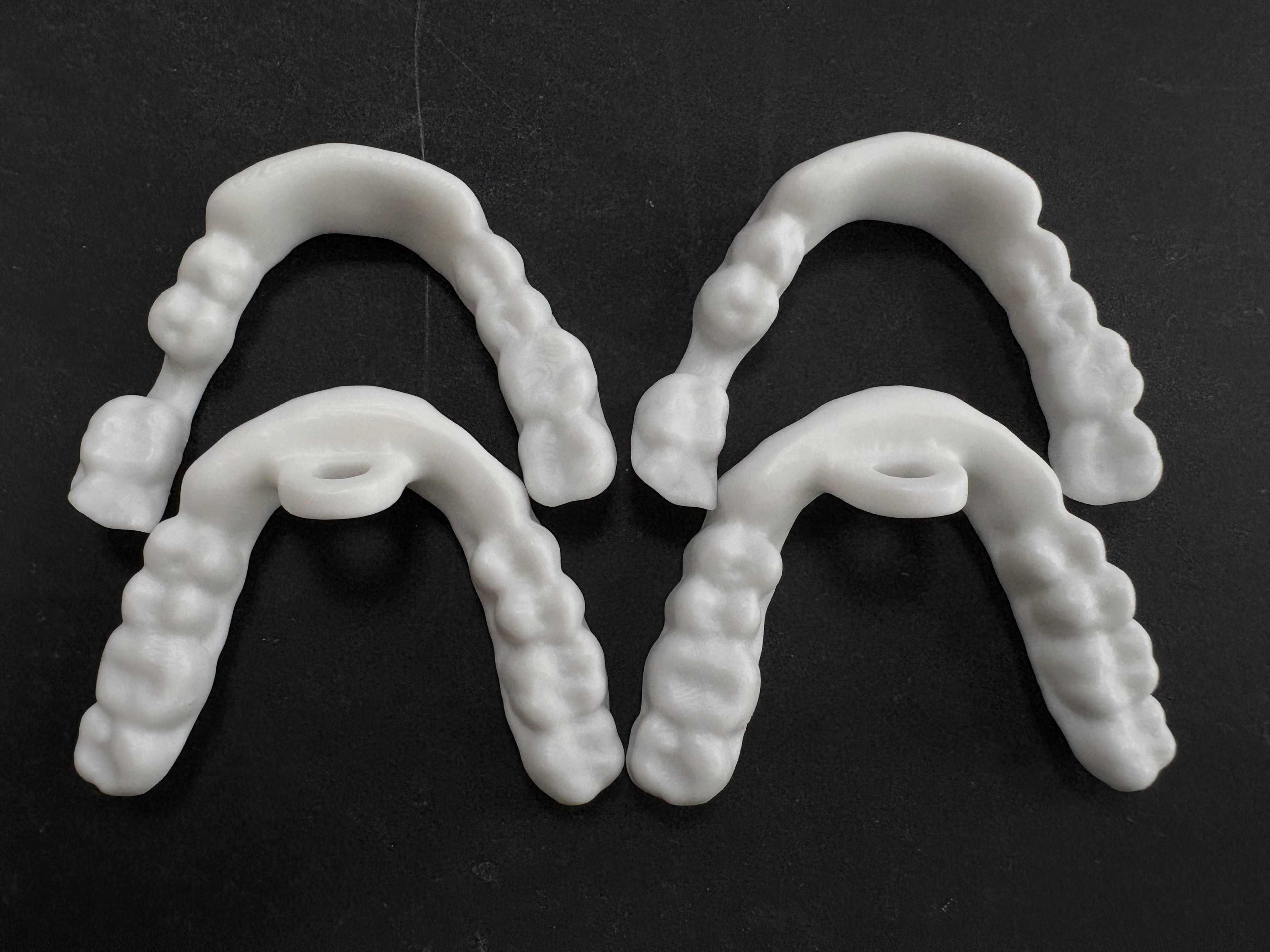
These appliances are often confused because all three may be transparent, removable and made from a scan, impression or working model. Each product may cover part or all of the dental arch, and each may be finished with a smooth border for patient comfort. From a photo alone, the difference is not always obvious to a purchasing team or new case coordinator.
For a dental lab, however, appearance is not enough. The phrase clear tray does not tell the technician whether the appliance should maintain orthodontic position, support an occlusal design or carry whitening material. That is why the prescription should identify the exact appliance type before production. ADA guidance on direct-to-consumer dental services also reinforces the importance of appropriate dentist involvement when dental services affect diagnosis, treatment planning or patient-specific care.
What Is a Clear Retainer?
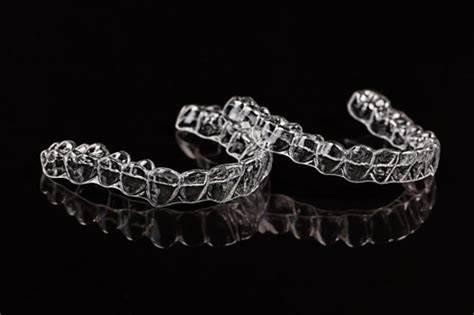
A clear retainer is a removable orthodontic appliance designed to help maintain tooth position after orthodontic treatment. It is usually formed or manufactured from a model that represents the intended tooth position, then trimmed and finished according to the clinic's prescription.
Clear retainer design depends on accurate tooth adaptation, arch coverage, trim-line preference and any case-specific relief areas. Attachments, missing teeth, undercuts, recent restorations and implant components may all influence how the appliance is produced. A Cochrane review on orthodontic retention discusses retention methods after orthodontic treatment, which supports treating clear retainers as retention appliances rather than general-purpose protective trays.
If the clinic is comparing clear retainers with wire-and-acrylic retainers, Times already has a separate guide on Essix vs. Hawley Retainers. This article focuses only on why a clear retainer should not be confused with a night guard or bleaching tray.
What Is a Night Guard?
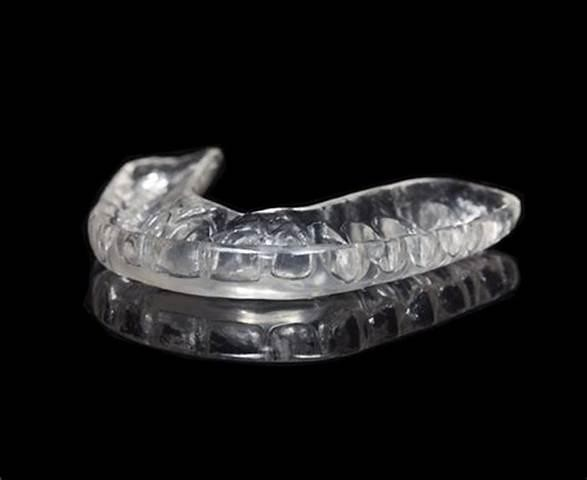
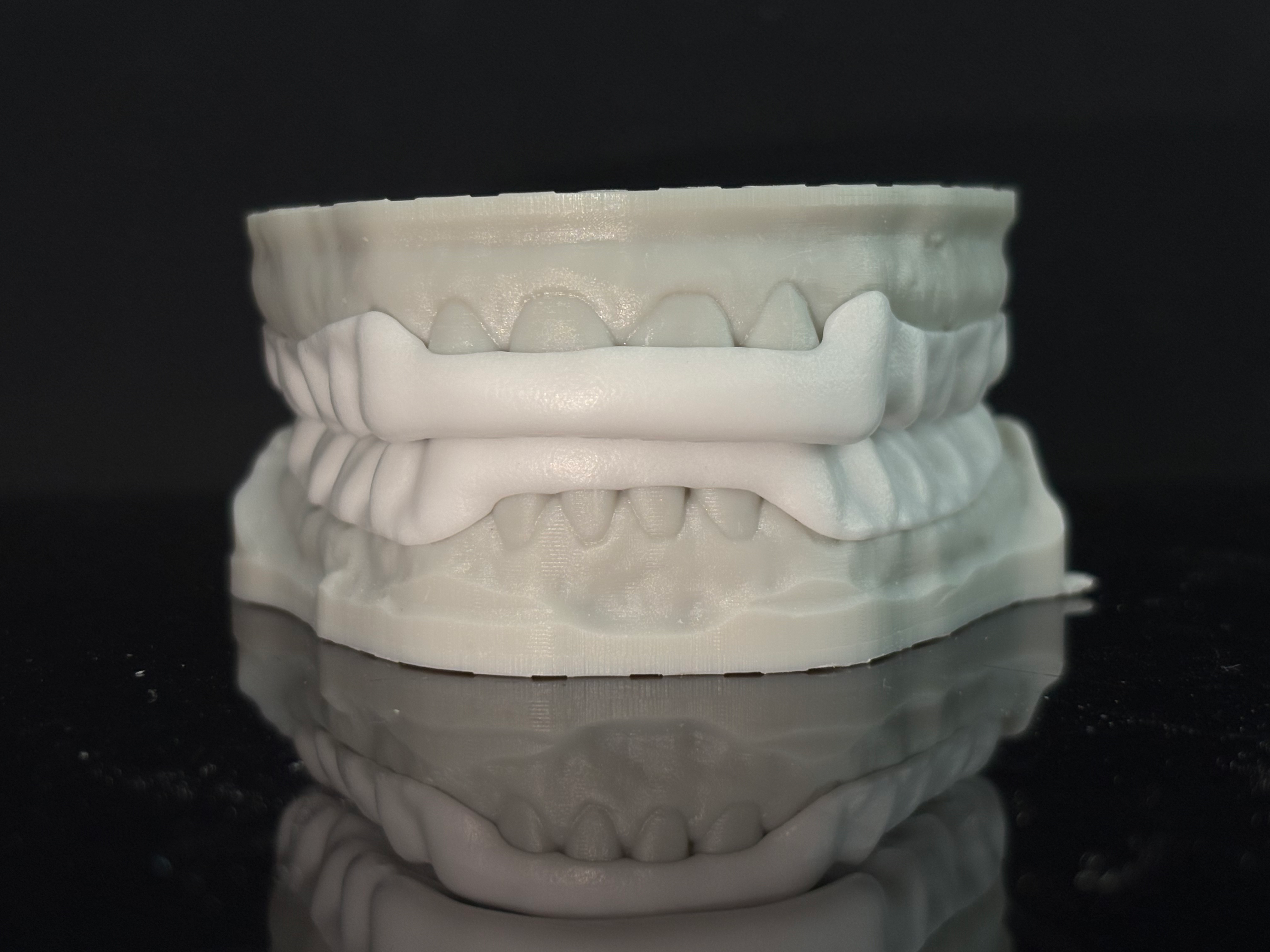
A night guard is a custom dental appliance manufactured according to the dentist's prescribed protective or occlusal design. Depending on the case, the prescription may call for hard, soft or dual-laminate material. The appliance may also require an opposing model, bite record, contact instructions, relief areas and a defined occlusal surface.
The key point is that a night guard is not simply a thicker retainer. A night guard may need to interact with the opposing arch in a specific way, and the final fit and occlusal adjustment remain clinical responsibilities. A systematic review on occlusal splints and sleep bruxism shows why appliance effects should be discussed carefully and case by case rather than described as a universal cure.
For a deeper product-level comparison of appliance rigidity, see Times Dental Lab's guide to Hard vs. Soft Night Guards. The present article keeps the discussion focused on how a night guard differs from a clear retainer and bleaching tray during case submission.
What Is a Custom Bleaching Tray?
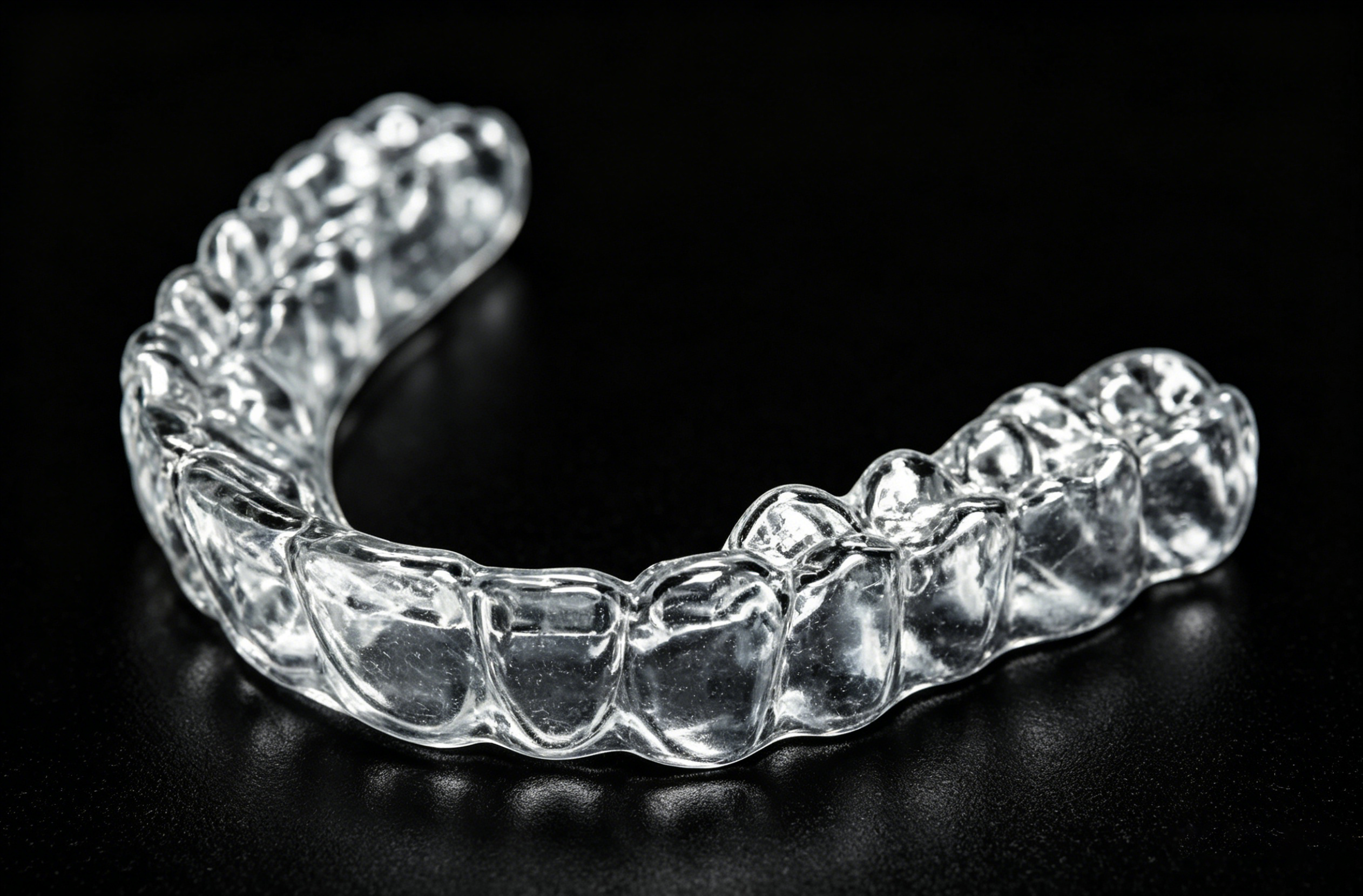
A custom bleaching tray is designed to hold whitening material according to the dentist's prescription. The lab may be asked to follow specific trim-line, extension, relief or reservoir instructions. The appliance must be made for the stated whitening workflow, not assumed to work as a retainer or night guard because it is transparent.
The American Dental Association provides professional context on tooth whitening, including custom bleaching trays as one form of whitening delivery. Laboratory articles should stay within production requirements and avoid giving whitening concentrations, chairside protocols or patient-use instructions.
Bleaching tray design can include details that are irrelevant to a retainer, such as reservoir design. A randomized clinical trial on bleaching tray reservoirs illustrates that tray design details are studied independently, which is another reason to identify a bleaching tray clearly on the lab form.
Clear Retainer vs. Night Guard vs. Bleaching Tray
|
Feature |
Clear Retainer |
Night Guard |
Bleaching Tray |
|
Primary purpose |
Maintain tooth position |
Follow prescribed protective or occlusal design |
Hold whitening material |
|
Design focus |
Tooth adaptation, coverage and trim line |
Material, thickness, opposing contacts and relief |
Reservoir, trim line, extension and comfort |
|
Opposing arch |
Case-dependent |
Frequently required |
Case-dependent |
|
Bite record |
Case-dependent |
May be required |
Usually prescription-dependent |
|
Common lab risk |
Wrong trim line or relief can affect fit |
Missing bite data can delay design |
Missing reservoir or trim instruction can delay production |
|
Interchangeable? |
No |
No |
No |
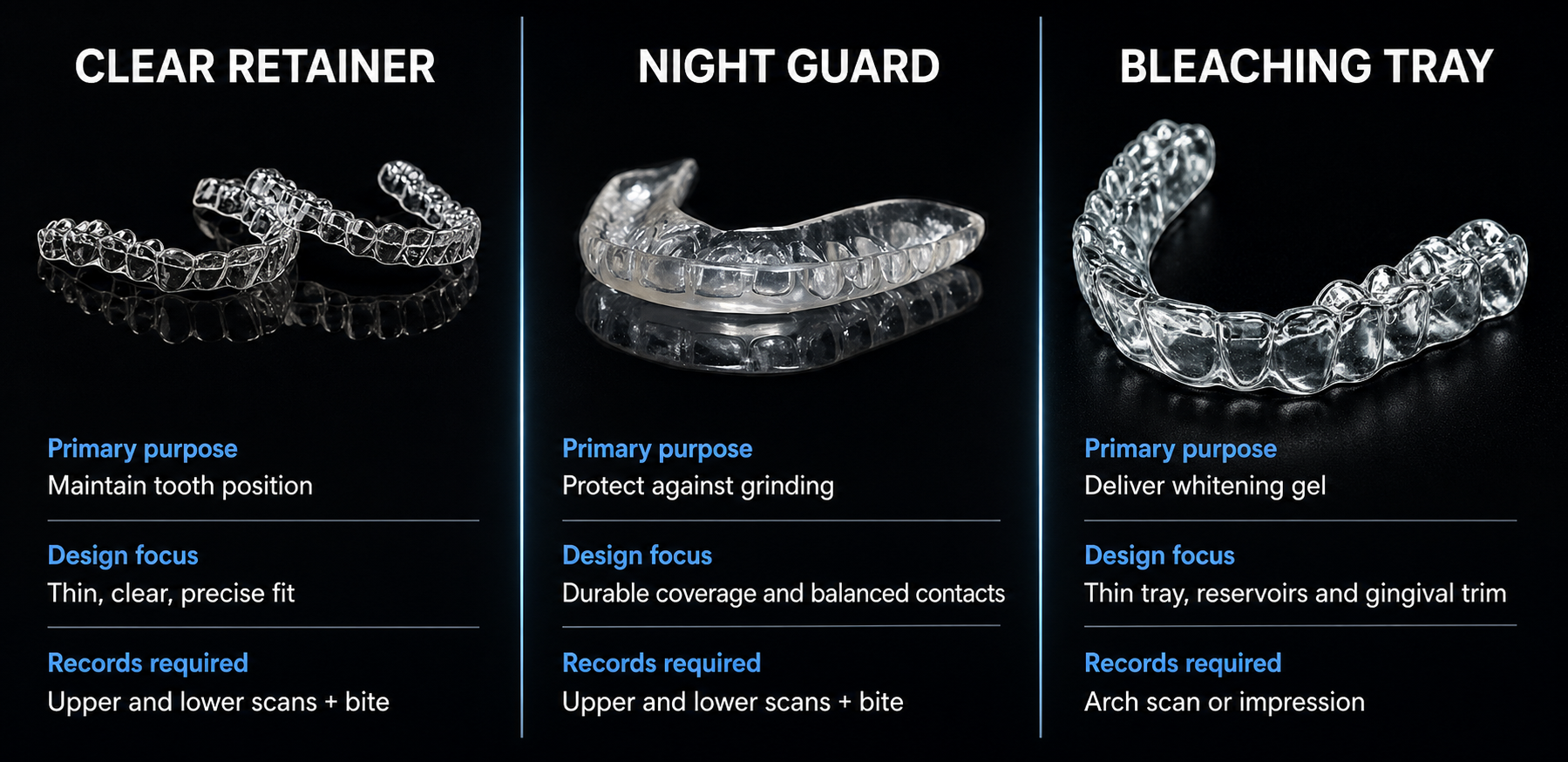
This table is not a clinical prescription. Specific appliance design and record requirements depend on the dentist's prescription, material choice and individual case conditions.
Can a Clear Retainer Be Used as a Night Guard?
It should not be assumed that a clear retainer can function as a night guard. A clear retainer is primarily designed to maintain tooth position, while a night guard may require a prescribed material, thickness, occlusal surface and contact pattern. The patient may see two transparent appliances, but the lab sees two different production goals.
When a clinic wants a protective appliance, the lab needs more than a request for a clear tray. The prescription should state whether the appliance is hard, soft or dual-laminate, whether the opposing arch is provided, whether a bite record is required and whether specific contacts or relief areas should be followed.
Can a Bleaching Tray Be Used as a Retainer?
A bleaching tray should not be substituted for a retainer based only on similar appearance. A bleaching tray may have a different trim line, different material behavior, different extension and additional space for whitening material. A retainer is judged by tooth-position maintenance and fit, while a bleaching tray is judged by its ability to carry the prescribed material.
If a clinician wants one appliance to serve more than one purpose, that expectation should be written clearly on the prescription. The laboratory can then confirm whether the requested design can be manufactured, whether compromises are involved and whether additional records are needed before production begins.
What Should the Clinic Send to the Dental Lab?
The best way to prevent confirmation delays is to submit the appliance purpose and records together. Times Dental Lab can support conventional and digital case submission, including scan files and model-based workflows. Clinics planning digital production can also review Times Dental Lab's Digital Design Services for broader file-review and design-support capabilities.
|
Record or Instruction |
Why It Matters |
|
Requested appliance type |
Prevents confusion between retainer, night guard, bleaching tray and other clear appliances. |
|
Upper or lower arch |
Confirms which arch should be manufactured and avoids production on the wrong model. |
|
Complete scan, impression or model |
Provides the working basis for fit, coverage and trimming. |
|
Opposing arch |
Supports night guard design and any case where opposing clearance or contact matters. |
|
Bite record |
Helps with appliances that require a prescribed occlusal relationship. |
|
Material and thickness instructions |
Guides production according to the dentist's prescription. |
|
Trim-line requirements |
Controls extension, comfort and appliance purpose. |
|
Reservoir instructions |
Important when a bleaching tray is prescribed with reservoir design. |
|
Attachments, restorations or implant notes |
Helps the lab plan relief and avoid unwanted pressure. |
|
Design confirmation contact |
Allows the lab to pause and clarify unclear instructions before manufacturing. |
Common Prescription Errors That Delay Production
Most delays are not caused by a difficult appliance. They happen because the product name or case records do not tell the technician what the appliance is supposed to do. A short clarification before production is usually better than manufacturing a tray that looks clear but does not match the clinical intention.
· The prescription only says clear tray.
· The appliance purpose is not stated.
· The upper or lower arch is unclear.
· A night guard case is missing the opposing arch or bite information.
· A bleaching tray prescription does not mention reservoir or trim-line requirements.
· Material or thickness instructions are missing.
· The scan does not fully capture the required teeth, undercuts or distal areas.
· One appliance is expected to perform several functions without written confirmation.
Dental Laboratory Workflow
How Times Dental Lab Reviews Clear Appliance Cases
Times Dental Lab reviews clear appliance cases before manufacturing so the production team understands the requested purpose. The goal is not to make clinical decisions for the dentist, but to verify that the lab has enough information to manufacture the prescribed appliance accurately.
· Confirm the requested appliance and intended purpose.
· Review the scan, impression or working model.
· Check the arch, coverage, material and thickness instructions.
· Review the opposing arch and bite record when required.
· Confirm trim line, reservoir, relief and special instructions.
· Contact the clinic if the product description or records are unclear.
· Manufacture according to the approved prescription.
· Check fit, edge finish, surface quality, thickness and case identification before shipment.
Times Dental Lab's broader orthodontic appliances and clear aligner solutions include clear retainers, splints, night guards and related removable appliances. Buyers can also review Times Dental Lab products when comparing clear appliances with other laboratory services.
Clinical vs. Laboratory Responsibilities
Clinical Responsibilities
· Diagnose the patient's need and prescribe the appliance type.
· Decide whether retention, protection, whitening or another clinical purpose is required.
· Specify material, thickness, trim line, reservoir, relief and occlusal instructions when relevant.
· Evaluate fit, contacts, adjustment needs and patient instructions at delivery.
Laboratory Responsibilities
· Review submitted records for completeness before production.
· Manufacture the appliance according to the prescription.
· Ask for clarification when product name, arch, records or design instructions are unclear.
· Check production quality before shipment and label the case correctly.
FAQs
Is a clear retainer the same as a night guard?
A clear retainer is not the same as a night guard. A retainer is designed to maintain tooth position after orthodontic treatment, while a night guard follows a dentist's prescribed protective or occlusal design. The material, thickness, surface design and required records may differ.
Can a bleaching tray keep teeth from moving?
A bleaching tray should not be assumed to maintain tooth position. A bleaching tray is designed to hold whitening material according to the prescription. If retention is also required, the clinician should prescribe that function clearly and the lab should confirm whether the design can support it.
Can one transparent appliance serve more than one purpose?
One transparent appliance should not be expected to perform several roles unless the clinician prescribes the combined purpose and the lab confirms the production requirements. A retainer, night guard and bleaching tray can require different material, extension, relief and occlusal details.
Does a dental lab need the opposing arch for a night guard?
A night guard case often needs an opposing arch and may need a bite record because occlusal contacts and clearance can affect the design. The exact record requirement depends on the dentist's prescription, appliance type and clinical workflow.
What information should be included in a bleaching tray prescription?
A bleaching tray prescription should identify the arch, coverage, trim line, reservoir requirements if used, relief areas, scan or impression details and delivery expectations. The dental lab should not decide whitening material concentration or patient-use instructions.
Can these appliances be made from an intraoral scan?
Clear retainers, night guards and bleaching trays can often be produced from suitable digital files when the scan is complete and accurate. The lab still needs the appliance type, arch, material instructions, trim-line preferences and any required opposing or bite records.
Who decides the appliance material and thickness?
The treating clinician decides the appliance purpose and prescription requirements. The dental lab can advise whether the submitted records are sufficient for manufacturing and can confirm production options, but the clinical indication and patient-specific design should come from the dentist.
Conclusion
Clear retainers, night guards and bleaching trays belong to the same broad family of transparent removable dental appliances, but they are built for different purposes. A clear retainer maintains tooth position, a night guard follows a prescribed protective or occlusal design, and a bleaching tray holds whitening material according to the dentist's instructions.
For dental labs and clinics, the safest production habit is simple: do not rely on the phrase clear tray. State the appliance purpose, submit complete records and confirm any material, trim, reservoir, relief or occlusal instructions before manufacturing begins.
Not sure which clear appliance should be prescribed on the lab form? Send Times Dental Lab the scan, appliance purpose and available clinical records, or review how to start a dental lab case. Our team can review the production requirements and confirm any missing laboratory information before manufacturing.