One-Minute Answer
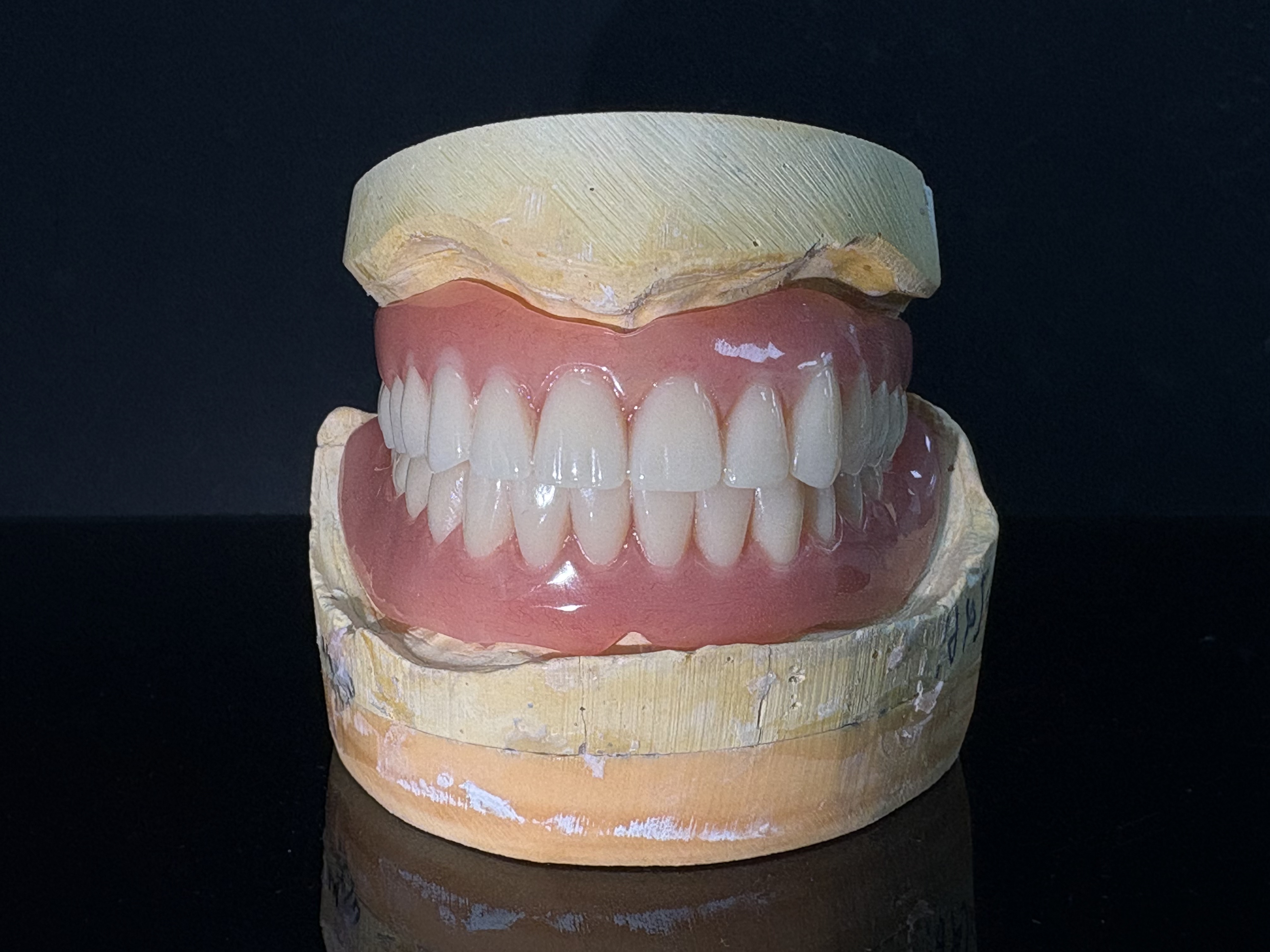
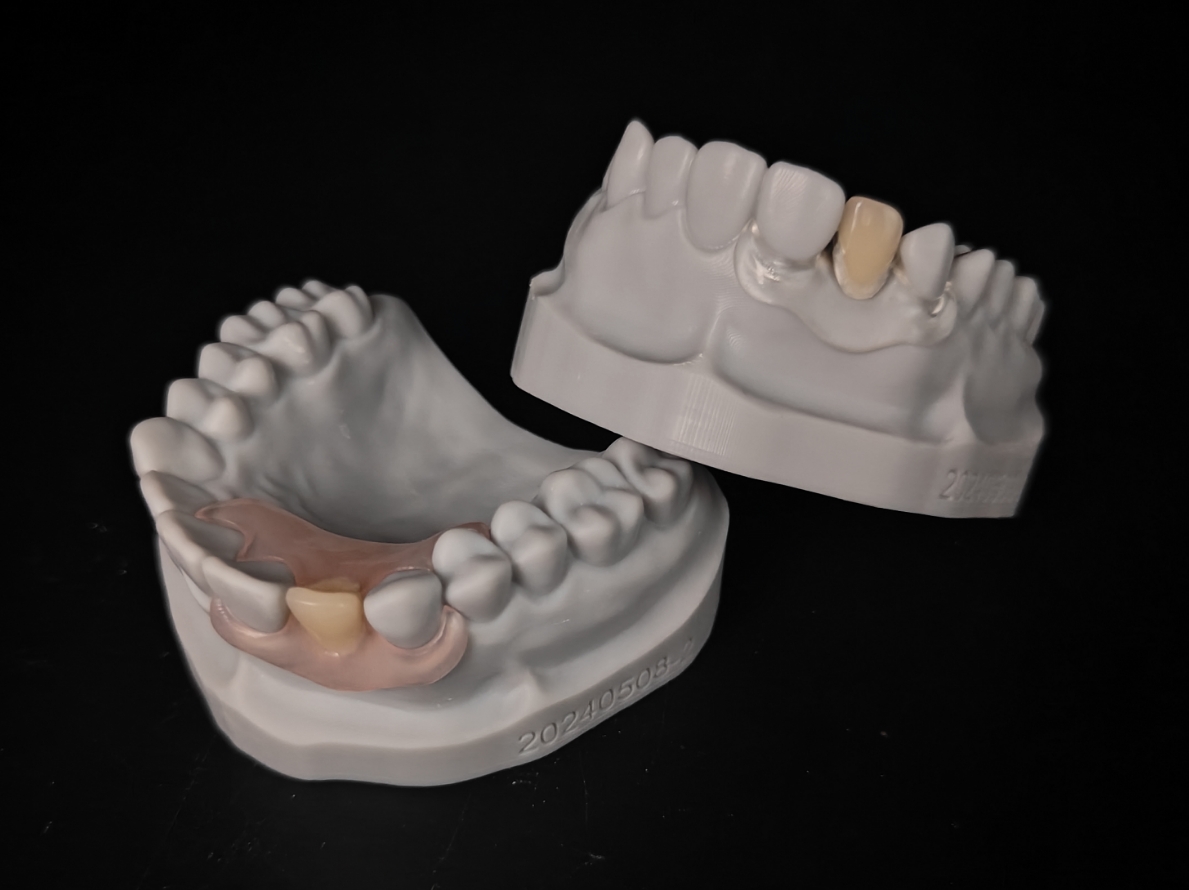
A flexible partial denture and an acrylic partial denture are not interchangeable solutions. A flexible partial denture usually uses a thermoplastic polyamide material that can engage undercuts and create more esthetic clasp areas. An acrylic partial denture usually uses PMMA acrylic resin and is often easier to adjust, add teeth to or repair, depending on the design and clinical situation.
The better choice depends on the number of missing teeth, undercuts, ridge condition, occlusion, clasp visibility, expected service time, repair needs and the dentist's treatment plan. A dental laboratory can advise on design feasibility, but the final clinical decision should be made by the treating dentist.
Why This Comparison Matters
Partial denture cases often look simple at first, but small design decisions can change comfort, retention, esthetics and future repair options. A clinic may request a flexible partial denture because the patient wants fewer visible clasps. Another clinic may choose an acrylic partial denture because the case is temporary, easier to modify or part of a staged treatment plan.
The key is not to ask which material is universally better. The more useful question is: which material matches the clinical record, the patient's expectations and the laboratory workflow for this case?
For Times Dental Lab, this topic belongs in the removable prosthetics cluster. It naturally connects to removable dental restorations, case submission quality and long-term outsourcing communication without repeating broad China dental lab outsourcing content.
Material Snapshot: Flexible vs Acrylic Partial Dentures
|
Factor |
Flexible Partial Denture |
Acrylic Partial Denture |
|
Common base material |
Thermoplastic polyamide or similar flexible resin. |
PMMA acrylic resin. |
|
Flexibility |
More flexible; may engage selected undercuts. |
More rigid than flexible materials. |
|
Esthetic clasp areas |
Can use tooth- or tissue-colored flexible clasps. |
May use wrought wire clasps or acrylic extensions. |
|
Repair and tooth addition |
Can be more difficult depending on material system. |
Often easier to repair or modify in many lab workflows. |
|
Reline options |
May be limited or material-specific. |
Commonly more familiar for relines and adjustments. |
|
Typical use |
Esthetic partials, undercuts, selected temporary or definitive removable cases. |
Interim partials, flippers, simple tooth replacement, staged treatment, repairable cases. |
This table is a laboratory planning guide, not a clinical prescription. Material selection should follow the dentist's diagnosis, prosthodontic plan and manufacturer instructions.
Decision Tree for Case Selection
Start with the purpose of the restoration. If the partial denture is temporary, transitional or likely to need tooth additions, an acrylic partial denture may be easier to manage. If the patient has high esthetic concerns around visible clasp areas and the case has favorable undercuts, a flexible partial denture may be considered.
Check the undercuts and retention plan. Flexible materials can use undercuts in ways that rigid acrylic designs cannot, but excessive flexibility may also affect force distribution. The dentist and lab should review how retention will be achieved before choosing the material.
Consider future modification. If the treatment plan may change, or if additional extractions are expected, repairability matters. Acrylic partial dentures are often selected when future chairside or laboratory modification is likely.
Review hygiene and maintenance. Denture materials differ in surface behavior, polishability and cleaning requirements. The American Dental Association's Denture Care and Maintenance resource is a useful patient-care reference for general denture cleaning context.
What Is a Flexible Partial Denture?
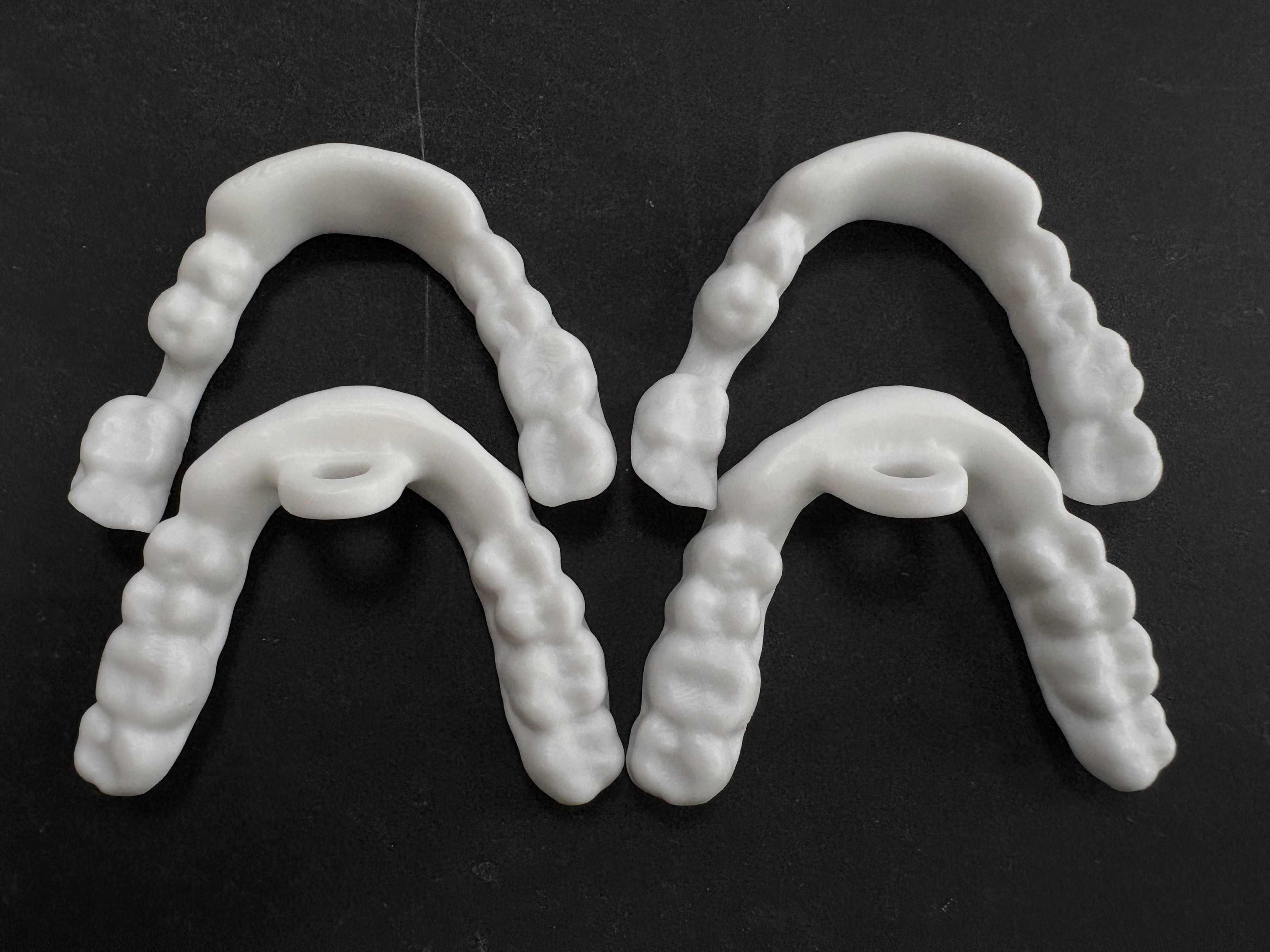
A flexible partial denture usually refers to a removable partial denture made from thermoplastic polyamide or a similar flexible resin. Polyamide materials have been used in dentistry for decades and are often discussed as alternatives to conventional PMMA acrylic resin in selected removable prosthetic cases.
A literature review on polyamide as a denture base material notes that these materials may be considered in certain situations such as esthetic concerns, undercuts or allergy-related considerations, while also emphasizing limitations such as repair difficulty, surface roughness, staining and limited long-term clinical evidence in some areas.
Where Flexible Partials May Be Useful
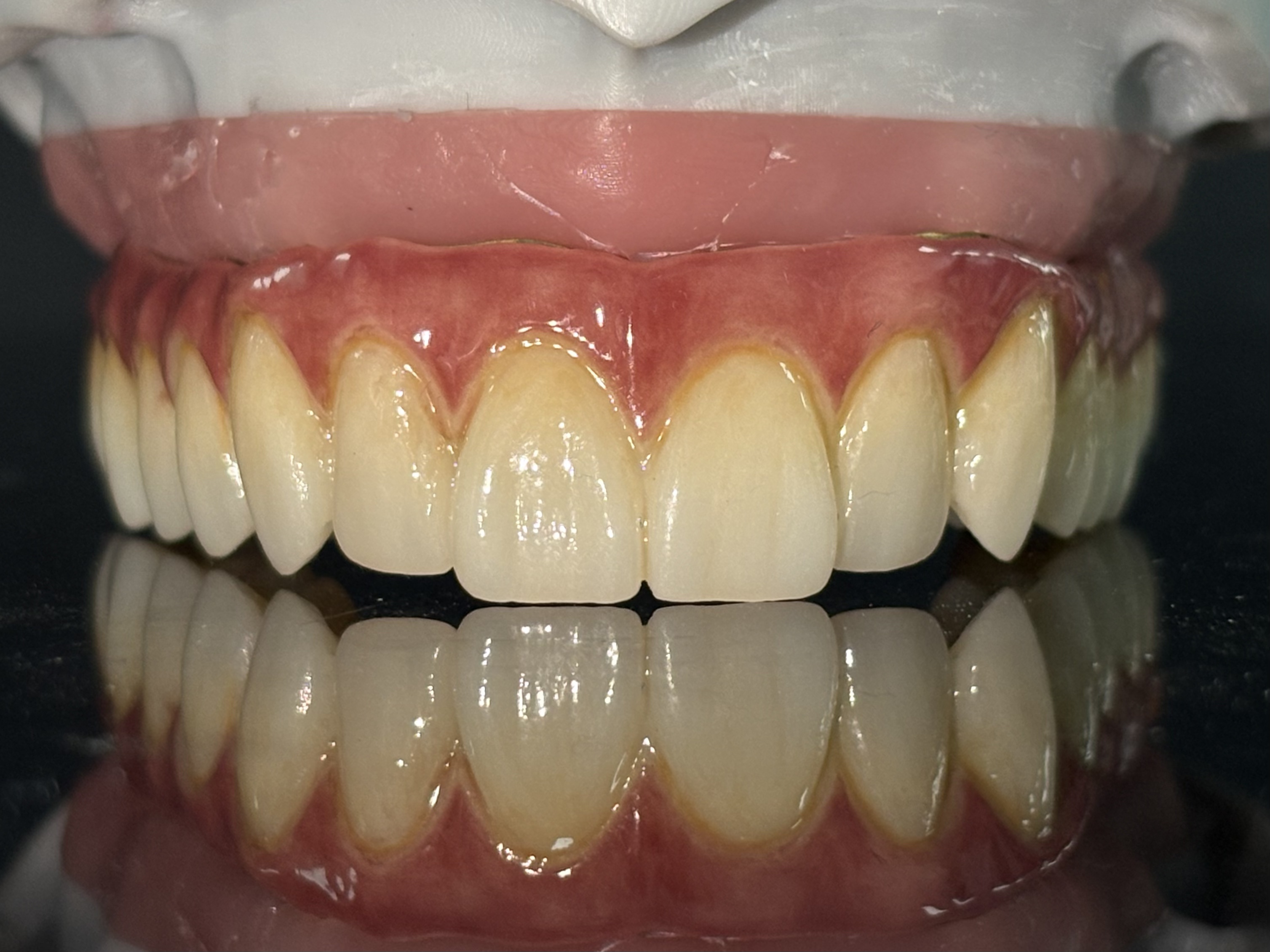
Flexible partial dentures may be useful when clasp esthetics are a major concern, when selected undercuts can help retention or when the patient needs a lightweight removable option. They are often discussed for cases where visible metal clasps are undesirable.
However, flexible does not mean suitable for every partial denture. The design still needs adequate support, stable occlusion, controlled extensions and clear laboratory instructions.
Limitations to Discuss Before Production
Flexible materials can be more difficult to reline, repair or adjust depending on the specific system. Some studies and reviews also discuss concerns related to color stability, water sorption, surface roughness and bonding to artificial teeth. These points should be discussed before the case is sent to production, especially if the patient expects a long-term solution.
What Is an Acrylic Partial Denture?
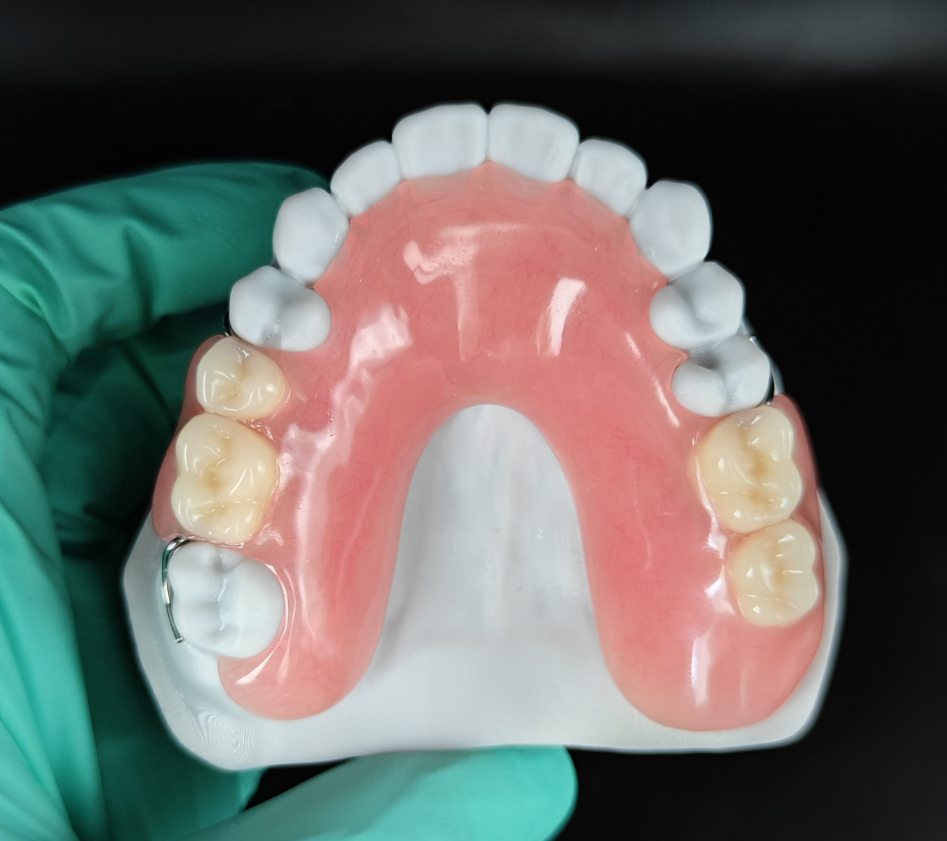
An acrylic partial denture is usually made with PMMA acrylic resin. PMMA remains widely used in denture fabrication because it is familiar to clinicians and laboratories, relatively versatile, esthetic in many routine indications and practical for many repair or modification workflows.
A recent review of polymeric denture base materials describes PMMA as widely used in removable denture manufacturing and notes that acrylic resin is used across several stages of denture production. Like all materials, PMMA also has limitations, including possible fracture risk, wear, shrinkage or repair needs depending on the case and process.
Where Acrylic Partials May Be Useful
Acrylic partial dentures are commonly used for interim restorations, flippers, temporary tooth replacement and staged treatment plans. They can also be useful when a clinician expects future additions, relines or adjustments.
For a laboratory, acrylic partial dentures often provide a familiar workflow for tooth setup, flasking or processing, polishing and repair. This does not make acrylic the automatic choice, but it explains why acrylic remains common in removable prosthetics.
Limitations to Discuss Before Production
Acrylic partial dentures may be bulkier than some flexible designs. Wire clasps or acrylic extensions may be more visible in esthetic zones. If the case has difficult undercuts or the patient has high esthetic expectations, the dentist may consider a different design or material.
Case Selection by Clinical Scenario
|
Scenario |
Material Often Considered |
Reason to Review With the Lab |
|
High esthetic concern around clasp display |
Flexible partial denture |
Flexible clasps may be less visible, but retention and support must still be planned. |
|
Interim replacement after extraction |
Acrylic partial denture |
Acrylic workflows may be practical for temporary use and later modification. |
|
Possible future tooth additions |
Acrylic partial denture |
Repair and tooth addition may be easier than many flexible systems. |
|
Deep undercuts affecting path of insertion |
Flexible partial denture, or redesign |
Undercuts can help or complicate retention, depending on distribution and tissue support. |
|
Long-term definitive removable plan |
Case-dependent |
Support, occlusion, ridge anatomy, clasp design, hygiene and patient expectations must be reviewed. |
Common Lab Submission Problems
Partial denture delays often come from missing or unclear records rather than from the material itself. The lab may need to pause the case if the prescription does not state the denture type, clasp preference, tooth shade, opposing record or whether the case should be flexible or acrylic.
Other common problems include unclear extension areas, missing bite records, no information about planned extractions, no photo of the smile line or visible clasp area, and no guidance on whether the restoration is temporary or long-term. For broader record preparation, use the Times dental lab case submission checklist.
What the Dental Lab Should Receive
A removable partial denture case should include enough information for the technician to understand design, retention, esthetics and occlusion. The exact records depend on whether the case is digital, physical or hybrid.
· Prescription with denture type and arch.
· Working model or intraoral scan.
· Opposing arch record.
· Bite registration or jaw relation record.
· Shade and tooth mould preference when relevant.
· Photos showing smile line, clasp-display zone and tissue condition where useful.
· Extraction plan or healing-stage information if the case is transitional.
· Design preference, clasp requirements and approval contact.
Times Dental Lab Review Workflow
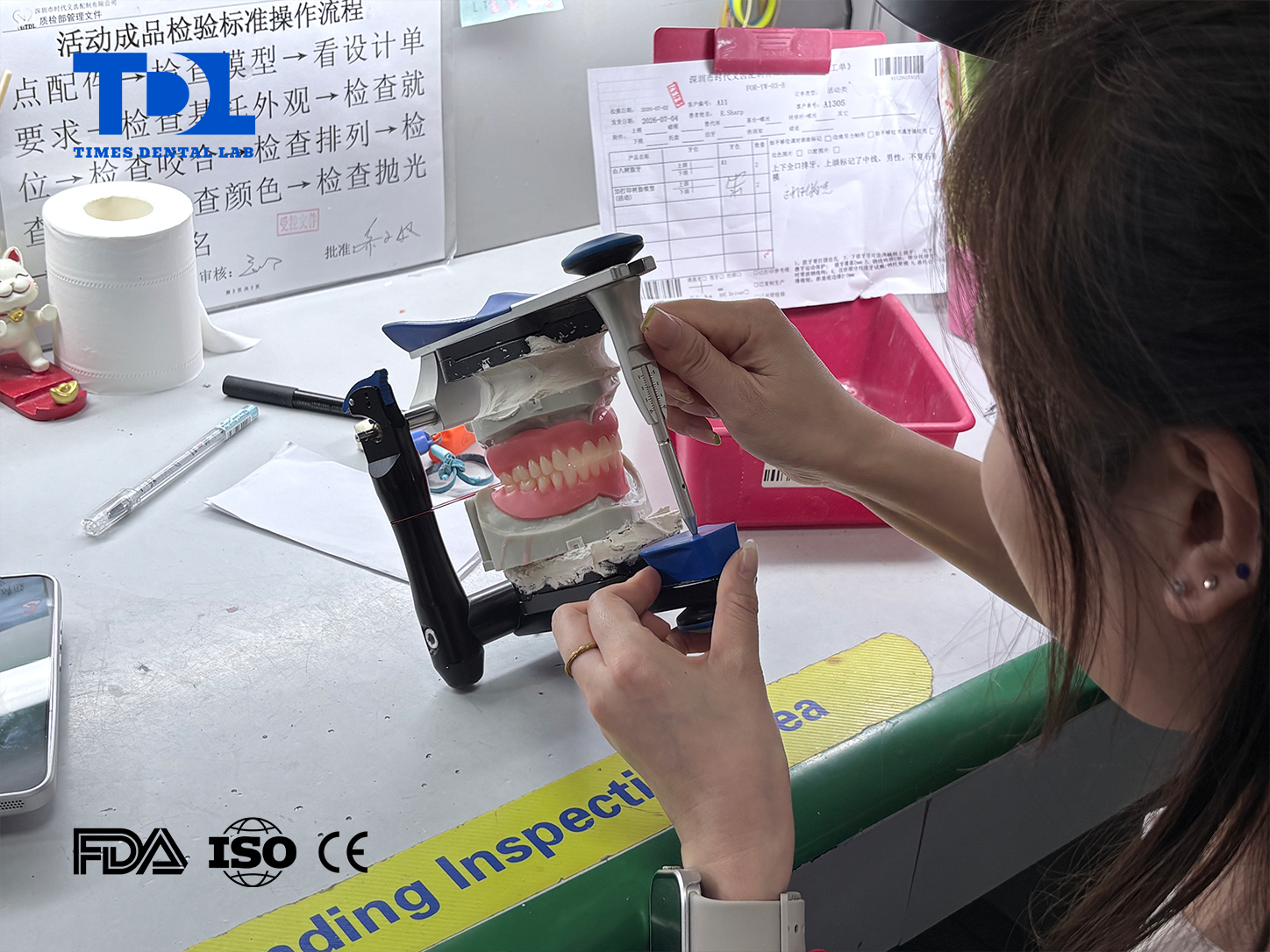
Times Dental Lab reviews removable cases before production by checking the prescription, model or scan, opposing record, bite information, shade and requested design. If the record does not support the requested material or if retention, extension or occlusion is unclear, the case should be clarified before production.
For flexible partial dentures, the review focuses on path of insertion, undercut use, clasp area, tissue extension, tooth setup and finishing expectations. For acrylic partial dentures, the review may focus on base extension, clasp design, tooth addition possibility, repair expectations and whether the appliance is interim or longer-term.
This service reference belongs naturally in one place: the removable case workflow. Readers who are planning a case can review Times removable dental restorations or contact the team through the How to Start page.
Quality Control Points Before Shipping
Quality control for partial dentures should be product-specific. The lab should verify that the finished restoration matches the prescription and approved design, and that the basic finishing, polish, retention areas, tooth setup, occlusion and packaging are reviewed before shipment.
For acrylic partials, technicians may pay attention to base finish, clasp position, tooth bond, polish, occlusal record and repair-sensitive areas. For flexible partials, technicians may pay attention to injection quality, extension smoothness, clasp flexibility, finishing marks and areas that may be difficult to adjust after delivery.
For a broader explanation of Times' case review system, see Dental Lab Quality Control: How Digital Case Intake Reduces Errors and Remakes.
FAQ
Is a flexible partial denture better than an acrylic partial denture?
No single material is better for every case. A flexible partial denture may be preferred for selected esthetic or undercut situations, while an acrylic partial denture may be preferred when repairability, temporary use or future modification is important.
Can flexible partial dentures be repaired?
Some flexible denture systems may be repairable under specific conditions, but repair and tooth addition can be more difficult than with many acrylic workflows. The dentist should confirm the material system and repair expectations with the laboratory before production.
Are acrylic partial dentures only temporary?
No. Acrylic partial dentures are often used for interim or transitional cases, but the intended use depends on the clinical plan, design and patient factors. The prescription should state whether the appliance is temporary, transitional or intended for longer-term use.
Which partial denture looks more natural?
Flexible partial dentures may provide more esthetic clasp areas in some cases because the clasps can be tooth-colored or tissue-colored. Esthetics also depend on tooth selection, setup, extension, polish, tissue color and the visibility of clasp areas during smiling and speaking.
What should a clinic send for a partial denture case?
The clinic should send the prescription, working model or scan, opposing arch, bite record, shade, tooth mould preference where relevant, photos for esthetic areas and any design or clasp instructions. Missing records can delay case review and production.
Does Times Dental Lab support both flexible and acrylic partial dentures?
Times Dental Lab supports removable denture cases, including flexible and acrylic partial denture workflows. The team reviews case records before production and can confirm whether the submitted information is sufficient for the requested design.
Conclusion
Flexible partial dentures and acrylic partial dentures solve different problems. Flexible partials may help in selected esthetic or undercut situations, while acrylic partials may be practical for interim, modifiable or repair-sensitive cases. The right choice depends on case design, clinical records, patient expectations and the treating dentist's plan.
For the laboratory, the best material decision begins with complete records. Clear prescriptions, scans or models, bite records, photos and design preferences allow the technician to review the case before production and avoid preventable assumptions.
If you are preparing a removable partial denture case for outsourcing, send Times Dental Lab the case records, design preference and expected use of the appliance for review before production begins.
References
1. Vojdani M, Giti R. Polyamide as a Denture Base Material: A Literature Review. Journal of Dentistry (Shiraz). 2015.
2. Alqutaibi AY, et al. Polymeric Denture Base Materials: A Review. 2023.
3. Rahman B, et al. Flexible Denture: A Literature Review. 2024.
4. Gad MM, et al. Different Polymers for the Base of Removable Dentures? Part I. 2023.
5. American Dental Association. Denture Care and Maintenance.